When it comes to weddings, understanding what “formal” means can significantly affect the planning process and your overall experience. Did you know that the dress code you choose can enhance the ceremony’s ambiance and reflect your unique style as a couple? Defining formal attire is crucial, as it covers everything from the majestic ball gowns and elegant tuxedos to the subtler nuances of accessories and color palettes. This guide not only clarifies what formal dress entails but also connects with your vision and expectations for the big day. Dive in to discover how to perfectly align your wedding attire with the formality of your celebration, ensuring every guest feels included and appropriately dressed for your memorable event.
Understanding Formal Wedding Attire: Key Concepts
Understanding the nuances of formal wedding attire can elevate the overall elegance of the celebration, creating an atmosphere of sophistication and joy. Formal attire typically signifies a level of seriousness and propriety, making it essential for both the couple and their guests to reflect this tone through their clothing choices. At a formal wedding, you can expect attire that embraces tradition, with an emphasis on polished looks and thoughtful details, ensuring everyone feels their best on this pivotal day.
When planning for a formal wedding, it’s crucial to consider the context of the celebration. For instance, a classic church ceremony might call for guests in black tie attire, which could include tuxedos for men and floor-length gowns for women. In contrast, a formal garden wedding might allow for slightly less stringent attire, while still encouraging elegant options like cocktail dresses or tailored suits. This understanding helps guests navigate their outfit selections, aligning their choices with the couple’s vision while also respecting the event’s etiquette.
Moreover, the timing and season of the wedding play significant roles in determining suitable fabrics and colors. Lighter materials such as chiffon or silk are preferred for summer weddings, ensuring comfort as guests enjoy the outdoor festivities. In contrast, winter weddings often favor richer fabrics like velvet or brocade, along with deep, sophisticated colors. By paying attention to these details, couples can help guests choose attire that not only aligns with the formality of the event but also enhances the overall aesthetic. Encouraging open communication about dress codes and expectations will ensure that everyone feels included and confident in their formal attire choices, allowing them to fully engage in the celebration.
In summary, formal wedding attire encompasses a range of expectations and guidelines that reflect the significance of the occasion. By providing clarity and inspiration, couples can guide their guests toward appropriate choices that celebrate both individual style and the collective joy of the wedding day.
Types of Formal Attire for Different Wedding Styles
Understanding the variety of formal attire options available for weddings is essential for guests aiming to honor the couple’s vision and the event’s ambiance. Different wedding styles evoke unique atmospheres, directly influencing what constitutes appropriate formal attire. For instance, a traditional formal wedding typically aligns with an elegant setting, suggesting a classic black-tie dress code where formal gowns and tuxedos reign supreme, creating a cohesive, sophisticated look. These events are often characterized by ornate decorations, grand venues, and a sense of timelessness, prompting guests to pull out their most polished outfits.
Conversely, a chic outdoor wedding in a garden or beach setting might still require formal attire but allows for some lighter interpretations. While men may opt for tailored suits in breathable fabrics such as linen or cotton, women can choose stylish cocktail dresses or maxi dresses that flow gently with the breeze. This style maintains formality without the weighty nature of a full-length gown, seamlessly blending sophistication with the relaxed vibe of the location.
Destination Weddings
Destination weddings often bring in an exciting range of attire possibilities tailored to the specific locale. For a tropical beach wedding, the couple may request a formal dress code that embraces the charm of the setting-a lightweight sundress for women and a cotton or linen suit for men can strike the perfect balance. Alternatively, a winter destination at a ski resort might necessitate formal attire paired with warm layers, with elegant thermal suits or chic wraps enhancing comfort without compromising style.
Religious Ceremonies
Religious wedding ceremonies, such as in a church or synagogue, frequently entail specific dress expectations aligned with the traditions or cultural practices of the venue. For example, women may be encouraged to wear dresses with modest cuts and longer hemlines, while men might adhere to traditional suits or blazers to fit the sacred atmosphere. It’s always respectful to consult with the couple regarding specific requirements they might have for attire that honors their faith.
Ultimately, understanding the nuances of various wedding styles and the corresponding attire expectations allows guests to navigate their fashion choices with confidence. By considering both the location and the couple’s preferences, guests can ensure their outfits reflect the significance of the day while celebrating love and joy in an appropriate, stylish manner.
Essential Fabrics and Colors for Formal Weddings
Choosing the right fabrics and colors for formal wedding attire goes beyond simply adhering to a dress code; it’s about enhancing the celebration’s overall aesthetic and ensuring comfort throughout the day. The right selections can help guests feel confident and aligned with the couple’s vision, contributing to the joyous atmosphere of the event.
When considering fabrics, look for options that exude elegance and sophistication. Traditional choices such as silk, satin, and taffeta are popular for formal occasions due to their luxurious textures and rich appearances. For men, a well-fitted tuxedo crafted from high-quality wool or a wool-blend not only offers a polished look but also allows breathability and comfort, essential for long celebrations. Meanwhile, for outdoor or semi-formal weddings, fabrics like linens and cotton blends can provide a chic yet relaxed vibe without sacrificing style.
In terms of color palettes, classic shades such as black, navy blue, and deep red are perennial favorites for formal weddings. These colors convey a sense of timeless sophistication and can be easily paired with metallic accessories like gold or silver. However, modern weddings often embrace more whimsical hues-think rich jewel tones like emerald green, sapphire blue, and amethyst-to bring a vibrant touch to formal attire. For a spring or summer wedding, lighter shades such as pastel pink, light blue, and peach can create a fresh, airy feel aligned with the season.
For a truly unique look, consider integrating texture into your choices. Fabrics with intricate elements like brocade, lace overlays, or even subtle embroidery can elevate a basic dress or tuxedo. These details allow for personal expression while still respecting the formal nature of the event.
Lastly, it’s important to balance individuality with the couple’s overall vision. Engaging with the couple about their style preferences and wedding color schemes can help guests make the most fitting choices. By harmonizing fabric and color selections with the event’s tone, everyone can participate in the celebration proudly, ensuring an unforgettable wedding day for all involved.
Dress Codes Explained: Black Tie, Formal, and Semi-Formal
Understanding the nuances of wedding dress codes can significantly enhance the experience for both guests and couples, ensuring that everyone is on the same page for attire expectations. Formal weddings often come with specific attire guidelines that cater to the event’s overall ambiance, from elegant to more relaxed settings. Knowing what each code entails-Black Tie, Formal, or Semi-Formal-can help streamline the process of selecting the perfect outfit.
Black Tie
The Black Tie designation is the most formal of attire codes, typically requiring guests to embrace sophistication and elegance. For men, this commonly means a classic tuxedo paired with a white dress shirt, black bow tie, and patent leather shoes. Women have the option to choose between floor-length gowns or elegant evening dresses. Opting for luxurious fabrics like silk and satin can elevate the overall look and ensure adherence to the event’s formal tone. Accessories such as statement jewelry and elegant clutches can add personal flair while maintaining sophistication.
Formal
Similar to Black Tie, a formal dress code often requires attendees to dress elegantly, though there may be slight flexibility. For men, a dark suit and tie are expected, ideally complemented by polished shoes. Contrarily, women can select between long evening gowns or classy cocktail dresses. The key here is to maintain an aura of elegance-choosing rich colors and sophisticated cuts can help achieve this. Additionally, soft fabrics and subtle embellishments can provide an extra touch of class suitable for a formal wedding setting.
Semi-Formal
The Semi-Formal dress code strikes a balance between casual and formal attire, offering guests greater flexibility. Men can wear a suit but may opt for lighter colors, especially for daytime events, and ties can be optional depending on the couple’s preference. Women can opt for knee-length dresses or stylish cocktail attire. This dress code is an opportunity for creativity, allowing for vibrant colors and playful accessories, reflecting the couple’s personality while ensuring respect for the event’s overall theme.
Navigating the intricacies of these dress codes not only makes the wedding planning process smoother but also fosters an environment of celebration and respect for the couple’s vision. Embracing these guidelines can enhance the joy of participating in such a significant occasion, creating lasting memories for all involved.
Accessorizing Formal Wedding Attire: Do’s and Don’ts
Accessorizing can transform a formal wedding outfit from ordinary to extraordinary, allowing guests to express their personal style while adhering to the event’s elegance. The right accessories should enhance your outfit, not overpower it, striking a delicate balance between understated sophistication and eye-catching flair. Here are key do’s and don’ts to keep in mind when accessorizing for formal weddings.
- Choose appropriate jewelry: Opt for elegant pieces that complement your outfit. For women, a pair of statement earrings or a timeless necklace can elevate a simple gown. Men can consider a classic wristwatch or cufflinks that add a touch of sophistication without being overly flashy.
- Match your accessories to your outfit: Ensure that the colors, textures, and styles of your accessories coordinate well with your attire. For instance, if wearing a sleek black tuxedo, silver or gold accessories can provide a striking contrast and visual harmony.
- Consider the venue: The setting of the wedding can influence accessory choices. For outdoor weddings, lighter, airy fabrics and simple accessories may work best, while lavish indoor venues can accommodate more elaborate pieces.
- Keep it balanced: If your outfit features bold patterns or vivid colors, opt for more subdued accessories to maintain a cohesive look. Conversely, if your attire is simple, a statement piece can create an exciting focal point without overwhelming your ensemble.
However, it’s equally important to avoid certain pitfalls when accessorizing for formal events:
- Don’t overdo it: Excess is rarely elegant. Steer clear of wearing too many accessories at once, which can detract from the overall look. A few carefully selected items are often more effective than an abundance of jewelry or embellishments.
- Avoid overly casual pieces: For formal settings, steer clear of accessories that appear too casual, such as flip-flops, large tote bags, or overly casual hats. These can clash with the overall tone of the event.
- Don’t forget comfort: While aiming for style, ensure that your accessories are comfortable. For example, if a pair of shoes looks great but causes discomfort, consider an alternative that allows you to enjoy the celebration without distraction.
- Skip trendy items unless they suit the occasion: While it’s tempting to showcase current trends, choose timeless pieces that align with the formal nature of the event. Trends can date quickly, while classic styles endure.
By thoughtfully selecting accessories, you not only adhere to formal wedding etiquettes but also create a memorable ensemble that reflects your individuality. Remember, the goal is to celebrate love and joy, and your accessories should contribute to that festive spirit.
Common Mistakes When Choosing Formal Attire
Choosing the right formal attire for a wedding can sometimes feel daunting, especially with the pressure to look your best while also adhering to various etiquette guidelines. A common misstep guests make is misunderstanding the dress code. Many assume that as long as they wear something “nice,” they’ll fit in, but formal events require a touch more specificity. Dressing too casually, or too elaborately, can distract from the couple’s special occasion and make you feel out of place.
One major mistake is failing to consider the venue and the time of day. For instance, a black-tie evening wedding in a sophisticated ballroom calls for a tuxedo or an elegant gown, whereas a garden wedding held in the afternoon may allow for lighter fabrics and softer colors. Not adapting your outfit to the surroundings can give the impression that you haven’t put in the necessary thought or respect for the celebration.
Additionally, ignoring the comfort factor can lead to a regrettable experience. It’s easy to be swayed by a stunning piece that barely fits or shoes that look fashionable but pinch your feet. Remember, weddings can often stretch for hours as you partake in dancing, dining, and mingling. Opting for well-fitting attire that allows you to move freely is crucial.
Lastly, another pitfall is the overuse of trends. Weddings are significant events, and while wanting to showcase your style is understandable, opting for trendy pieces that might fall out of favor can detract from the timelessness of the occasion. Instead, aim for elegant silhouettes and classic styles that will look stunning in photos for years to come. By avoiding these common mistakes, you can better navigate the complexities of formal wedding attire and celebrate the couple’s love with joy and grace.
Tips for Dressing the Bridal Party in Formal Wear
Dressing the bridal party in formal wear is a delightful yet intricate part of wedding planning, as their appearance will complement the couple’s chosen aesthetic while creating a cohesive look for the event. It’s essential to approach this task with both excitement and practicality to ensure everyone feels comfortable and looks their best. Start by establishing a clear vision that aligns with the overall theme and style of the wedding-whether it’s classic elegance, modern chic, or something uniquely personal.
Consider the Overall Aesthetic
Before choosing attire, it’s vital to discuss the wedding’s theme with the couple. This will guide decisions on colors, styles, and fabrics. For instance, if the wedding features a vintage theme, consider selecting fabrics like lace or chiffon that align with that era. Conversely, for a modern celebration, sleek silhouettes and bold colors could be more fitting. Be sure to ask about the degree of formality expected; an invitation that specifies “black tie” certainly demands a different level of dress compared to “formal” or “semi-formal.”
Incorporate Inclusive Choices
When selecting outfits for the bridal party, it’s beneficial to include the individuals’ preferences and comfort. Consider various body types and skin tones, and aim for attire that flatters everyone involved. You might opt for a unified color palette while allowing diverse styles or cuts, ensuring all feel confident and true to their identity. For example, a mix of dress styles that complement each other can create visual interest while catering to personal tastes. Engaging the bridal party in this decision-making process nurtures a sense of ownership and camaraderie.
Plan for Practicality and Comfort
Formal attire should not only be beautiful but also practical, especially if the day includes hours of celebration. Ensure that chosen fabrics are breathable and that fit allows for ease of movement-there’s nothing worse than a restrictive gown or tight tuxedo when dancing the night away! Schedule a fitting well in advance to allow for any adjustments, making the experience enjoyable and stress-free for everyone involved. Additionally, consider the wedding’s setting: outdoor weddings might call for more casual and comfortable footwear, even if the dress or suit remains formal.
Budget Wisely
Navigating budget considerations is crucial, as formal wear can get expensive quickly. Discuss financial contributions early with the bridal party to avoid surprises later. Explore rental options for tuxedos and gowns, as these can often offer significant savings without compromising on style. Also, think about sustainable choices-many brands now offer stylish secondhand formal wear that not only saves money but also promotes eco-friendly decisions.
By embracing these principles, you can ensure that the bridal party’s formal wear enhances the wedding’s joy without overshadowing the couple’s special day. The result will be a stunning visual story, echoing the love and happiness of all who gather to celebrate.
Seasonal Considerations for Formal Wedding Attire
Selecting formal wedding attire entails not only adhering to dress codes but also taking into account the season in which the celebration occurs. Each season brings its distinct charm and challenges, influencing both the type of fabrics chosen and the overall aesthetic of the attire. Understanding these seasonal nuances can help ensure that everyone feels comfortable, looks elegant, and is appropriately dressed for the occasion.
For spring weddings, think of light, airy fabrics like chiffon and silk that enhance the blossoming surroundings. Floral prints and pastel colors resonate beautifully with the season’s vibrancy. However, it’s also crucial to prepare for unexpected weather changes, so layering options such as a stylish shawl or light jacket can be beneficial. Consider incorporating elements like lace, which adds a touch of elegance while remaining breathable for warmer temperatures.
During summer weddings, lightweight fabrics are key. Opt for materials that allow airflow, such as linen or lightweight cotton, especially for outdoor venues. Bright colors and bold prints can complement the joyous atmosphere of summer festivities. For ladies, shorter hemlines or sleeveless styles may be appropriate, while gentlemen might choose lighter-colored suits over traditional dark hues. Don’t forget about accessories-hats or sunglasses can add flair while providing some shade during daytime events.
In the fall, consider rich colors like burgundy, gold, and deep emerald. Heavier fabrics such as velvet or brocade can evoke the season’s cozy vibe, aligning well with the natural backdrop of changing leaves. This is also the perfect time to incorporate layers as temperatures fluctuate; think stylish blazers, shawls, or scarves that enhance the formal look while keeping guests comfortable. The use of earthy tones not only respects the season but also creates a harmonious, sophisticated palette.
Finally, winter weddings typically call for more opulent textures like satin and wool, along with darker, jewel-toned palettes. Accessories can play a significant role here; think of chic gloves or wrap coats that not only add warmth but elevate the overall formal attire. Footwear choices should also consider the potential for snow or slush, leading to selections that prioritize both style and stability. Remember that indoor settings may still be chilly, so layering remains essential to ensure everyone’s comfort throughout the celebration.
By thoughtfully considering the season when choosing formal wedding attire, you’ll better align with both the aesthetics of the celebration and the comfort of your guests. Each seasonal nuance allows for a distinct expression of style that, when executed well, can contribute significantly to the overall magic of the wedding day.
How to Communicate Dress Codes to Guests
Communicating dress codes to wedding guests can feel overwhelming, but clear guidance ensures everyone feels comfortable and appropriately dressed for the celebration. Start by understanding that different guests may have varied interpretations of what a “formal” or “semi-formal” dress code means. To avoid confusion, provide detailed descriptions of the expected attire alongside your invitations or on your wedding website.
Begin the communication early, ideally when you send out invitations. This gives guests ample time to plan their outfits. Consider including a card or a section on your wedding website dedicated solely to dress codes. You can break it down into categories such as:
- Black Tie: Tuxedos for men, elegant floor-length gowns or formal cocktail dresses for women.
- Formal: Dark suits and ties for men, and long or cocktail dresses for women.
- Semi-Formal: Suits for men, and dresses or dressy separates for women.
- Cocktail: Dressy attire, allowing for more colorful and informal choices.
Using visual examples can be immensely beneficial. Include links to fashion inspiration or mood boards that reflect the looks you envision for your special day. This visual component helps guests grasp the essence of the required attire.
Additionally, consider your wedding’s location and season when discussing the dress code, as these factors influence outfit choices. For example, if your wedding is on a beach in summer, encourage light fabrics and open-toed shoes. Conversely, for a winter celebration, highlight the importance of layering and rich fabrics. Providing context ensures guests can balance style with comfort, making the experience enjoyable.
Finally, keep the tone friendly and inclusive, inviting questions from guests. Let them know you are open to discussing their potential outfit choices, as this establishes a supportive atmosphere. A well-communicated dress code not only enhances the overall aesthetic of your wedding but also allows your guests to share in the joy of your celebration with confidence.
Adapting Formal Attire for Cultural Weddings
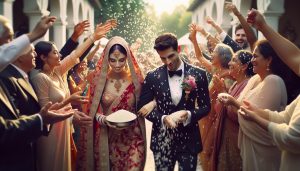
When planning a wedding that incorporates cultural elements, adapting formal attire can beautifully reflect the couple’s heritage while adhering to modern dress codes. It’s essential to strike a balance between tradition and the expectations of formal attire. For instance, many cultures have specific garments that hold significance, such as the Indian sari or the African gele, which can be styled to align with the overall formality of the event. Incorporating these traditional outfits requires a thoughtful approach to ensure they resonate with the wedding’s ambiance and the formal dress expectations of guests.
To help guests navigate cultural formal attire, consider providing detailed guidance in your invitations or on your wedding website. This information can include recommendations for incorporating traditional colors, fabrics, or accessories that honor cultural practices while maintaining the formal essence of the occasion. For example, if the wedding embraces a traditional Japanese aesthetic, suggest that guests wear a formal kimono or dress attire in colors that complement the wedding theme, such as soft pastels or bold jewel tones.
Key Considerations for Cultural Attire
- Respect Traditions: Make sure to communicate the meaning behind specific attire choices. This not only educates your guests but also fosters a sense of connection to your cultural roots.
- Dress Codes Integration: Help guests understand how traditional garments can fit into the outlined dress codes. Explain if a traditional outfit is considered equivalent to black tie or semi-formal.
- Layering and Accessories: Suggest incorporating elements like modern jewelry or suitable footwear that blends both tradition and contemporary style for comfort.
- Guest Inclusivity: Encourage guests who may not be familiar with cultural attire to wear a touch of tradition, such as a scarf or accessory, making them feel part of the celebration.
By weaving personal stories and the significance of cultural attire into your wedding narrative, you create an environment of respect and appreciation. This allows everyone to celebrate not just the union, but also the rich tapestry of cultural backgrounds that contribute to your love story. Embracing diversity in wedding attire not only honors individual heritages but also creates a vibrant and inclusive atmosphere, making the celebration truly unforgettable.
Budgeting for Formal Wedding Outfits: Tips and Tricks
When it comes to formal wedding attire, understanding how to effectively budget ensures that you can achieve style without compromising financial comfort. Many couples envision their big day with a stunning ensemble that reflects their personal style and the overall theme of the event. However, as costs can quickly add up, creating a well-structured budget can help guide your choices, ensuring you look immaculate without feeling financially strained.
Start by determining the total budget allocated specifically for attire, including outfits for both the couple and the wedding party. This allows you to make informed decisions without overspending. Next, outline estimated costs for different elements of the attire. For example, consider the following categories:
- Venue and Theme Compatibility: Factor how the outfit choices will align with your wedding venue and theme. An outdoor garden wedding might dictate lighter fabrics, while a grand ballroom could call for more luxurious materials.
- Outfit Selection: Decide on whether you’ll be buying, renting, or customizing outfits. Renting can be a cost-effective option, while custom pieces might offer a unique touch but can significantly increase expenses.
- Accessories: Don’t overlook the costs associated with shoes, jewelry, and other accessories. These can add character to your look but should be included in your overall budget plan.
- Alterations: Always set aside a portion of your budget for necessary alterations, which can enhance fit and comfort.
To streamline expenses while ensuring high quality, consider seasonal sales and off-season shopping. Many retailers offer reduced prices on formal wear after peak wedding season, allowing for considerable savings. Additionally, explore local designers or boutiques for potential discounts, especially if they offer bulk deals for bridal parties. Guest attire should also be factored into your overall wedding budget, which can include providing information about affordable options that match the event’s dress code.
Create a detailed shopping list and timeline to help keep track of purchases and alterations. This ensures you allocate sufficient time for decisions, fitting appointments, and any last-minute additions that may arise. Ultimately, prioritizing your attire budget with thoughtful planning allows for flexibility, making it possible to celebrate your wedding day in style without unexpected financial stress.
Personalizing Formal Attire: Unique Customization Ideas
Creating unique and personalized elements in formal wedding attire can elevate your big day from ordinary to extraordinary. Personalization not only reflects your style and story but also connects you to your guests in a memorable way. Consider these creative customization ideas to make your formal attire uniquely yours.
Customization Ideas for Your Attire
- Monograms and Initials: Incorporating monograms or initials into your outfits adds a personal touch. You can embroider them on your clothing, add them to handkerchiefs, or include them in lining fabrics for jackets. This subtle detail can be a lovely nod to your new shared last name.
- Unique Fabric Choices: Choose fabrics that resonate with you. Whether it’s a luxurious brocade for a gown or a textured velvet for a suit, unique fabric selections can reflect your personality and style. Don’t shy away from using non-traditional fabrics, like lace, for a classic yet modern twist.
- Personalized Accessories: Accessories are a fantastic way to express individuality. Consider custom jewelry, personalized cufflinks, or a statement piece that represents your culture or shared interests. A bespoke bridal veil or a unique groom’s tie can also create striking focal points.
- Cultural Elements: If your backgrounds include specific cultural traditions, infusing these elements into your formal attire can be a beautiful way to honor your heritage. From traditional fabrics to ceremonial pieces, these touches can serve as meaningful expressions of your lineage during your celebration.
- Unique Color Palettes: While classic black and white are staples of formal attire, don’t hesitate to explore an unconventional color palette that reflects your personalities. A touch of bold color in your tie, bow tie, or shoes can express your uniqueness while adhering to a formal standard.
Tailoring and Fit
Another essential aspect of personalizing formal wear is ensuring that each element fits perfectly. Work with a skilled tailor to adjust your attire to your specific measurements. Well-fitted clothing not only enhances your appearance but also boosts your confidence on your wedding day. Consider including custom details like deeper pockets or adjusted hemlines that cater to your needs while maintaining a polished look.
Remember, the goal is to celebrate your union through your attire while maintaining a sense of formal elegance. With thoughtful customization, your wedding ensemble can truly reflect who you are as a couple, making your day not just an occasion, but a personal expression of your journey together.
Frequently asked questions
Q: What does “formal” mean for wedding attire?
A: “Formal” wedding attire typically requires elegant and sophisticated clothing. For men, this often means a dark suit or tuxedo, while women usually wear floor-length gowns or sophisticated cocktail dresses. Accessories should complement the formal theme, creating a polished look for the occasion.
Q: How should guests choose formal wedding attire?
A: Guests should first review the wedding invitation for dress code specifics. When selecting formal attire, aim for elegant styles that fit the event’s time and location. Layers and richer fabrics like silk or satin are ideal. Consider the season and venue to inform color and fabric choices.
Q: What accessories are appropriate for formal wedding attire?
A: Suitable accessories for formal attire include elegant jewelry, formal shoes, and stylish clutches. Women can opt for statement earrings or necklaces, while men might enhance their look with cufflinks and a formal watch. Ensure that accessories match the overall outfit without overpowering it.
Q: Can I wear a colored suit to a formal wedding?
A: Yes, wearing a colored suit to a formal wedding is acceptable if styled correctly. Choose tailored suits in deep or muted tones, such as navy, burgundy, or charcoal. Pair with a crisp white shirt and coordinating tie or bow tie for a sophisticated look that aligns with formal expectations.
Q: Is it appropriate to wear a short dress to a formal wedding?
A: While floor-length gowns are traditional for formal weddings, short dresses can be appropriate if they are elegant and styled correctly. Opt for a sophisticated cocktail dress made from luxurious fabrics, paired with refined accessories to maintain a formal aesthetic.
Q: How do cultural differences affect formal wedding attire?
A: Cultural traditions significantly influence formal wedding attire. Some cultures have specific garments that are considered formal, while others may prioritize traditional colors and styles. Always respect the couple’s cultural background when selecting attire and consider incorporating elements relevant to their heritage.
Q: What should I avoid when dressing for a formal wedding?
A: Avoid overly casual items, such as flip-flops or jeans, and stay clear of flashy or distracting patterns. It’s best not to wear white, as this color is typically reserved for the bride. Additionally, overly revealing outfits can detract from the formal setting, so choose attire that showcases sophistication.
Q: How far in advance should I buy formal wedding attire?
A: It’s advisable to purchase formal wedding attire at least 1-2 months before the wedding date. This allows ample time for tailoring or any needed alterations. Shopping early also provides options in sizes, styles, and colors, ensuring you find the perfect outfit for the occasion.
The Conclusion
Understanding what “formal” means for wedding attire is crucial for making a great impression on the big day. It’s not just about the clothes; it’s about honoring the occasion and celebrating love with dress choices that reflect the wedding’s style and setting. If you’re still uncertain about what to wear or have lingering questions, don’t hesitate to explore our comprehensive guides on wedding dress codes and guest attire expectations.
Join our community for the latest tips and inspiration by signing up for our newsletter! And remember, each wedding is unique-embrace this journey with joy and excitement. Share your thoughts in the comments below; we love hearing about your wedding experiences and style choices! Your perfect look awaits, so take action today and ensure you’re ready to celebrate in style.