Navigating the world of wedding attire can often feel overwhelming, especially when it comes to understanding the dress code for formal events. Did you know that the way you dress can significantly impact the couple’s special day? Whether you’re excited to celebrate or anxious about fitting in, knowing what “wedding formal” entails is essential for making a great impression. This guide will break down the nuances of formal attire, from elegant gowns to sharp suits, and clarify common misconceptions. With diverse traditions and personal styles at play, our insights will help you confidently choose an outfit that honors the couple’s vision while ensuring you feel comfortable and stylish. Dive in to discover how to elevate your wedding guest experience with the right attire!
Understanding Wedding Formal Attire: Key Concepts
Understanding the nuances of wedding formal attire is essential for making a positive impression and respecting the couple’s wishes on their special day. Formal attire typically indicates a level of elegance and sophistication, which varies depending on the specific dress code outlined in the invitation. When invited to a wedding, it’s crucial to not only interpret the dress code but also to understand how cultural traditions and the season can influence appropriate attire.
Key Dress Codes may include options such as Black Tie, where men are expected to wear tuxedos and women fancy evening gowns, and Semi-Formal, which allows for cocktail dresses or tailored suits. For more relaxed settings like garden or beach weddings, guests should opt for lighter fabrics, sundresses, or linen suits. Recognizing where the couple is hosting the wedding can also guide your attire choices-think of a formal venue versus a laid-back outdoor setting.
It’s beneficial for guests to pay attention to color palettes and fabrics. Weddings often have specific themes or seasonal colors, meaning your outfit should complement these without overshadowing the festivities. Fabrics that are light and breathable are excellent choices for summer weddings, while thicker materials may be appropriate for winter.
When selecting your outfit, consider the overall vibe of the wedding. Engaging in guest attire etiquette is equally important-avoid white to respect the bride’s choice of color, and exercise discretion with overly casual or provocative outfits. By keeping the couple’s preferences and the defined dress code in mind, you show respect for their celebration and contribute positively to their joyous occasion.
Different Types of Wedding Dress Codes
Understanding the variety of wedding dress codes is crucial for guests eager to make the right impression on the couple’s big day. Each dress code carries its own connotations and expectations, reflecting not only the formality of the event but also the couple’s personal style and the wedding venue. When you’re invited to a wedding, the dress code indicated on the invitation provides a key guideline to help you select the perfect outfit.
Common Wedding Dress Codes
- Black Tie: This is one of the most formal dress codes. Men are expected to wear a tuxedo with a black bow tie, while women typically don elegant evening gowns or floor-length dresses. This attire is reserved for upscale venues and formal receptions.
- Formal or White Tie: Even more formal than black tie, this dress code typically requires men to wear a black tailcoat and white tie, and women to wear full-length ball gowns. This setting often accompanies grand ceremonies and receptions.
- Semi-Formal or Cocktail Attire: This versatile dress code invites a blend of elegance and comfort. Men can wear dark suits, while women may choose cocktail dresses or dressy separates, making this option suitable for most evening weddings, especially in urban settings.
- Casual: While “casual” may sound simple, it can vary significantly. Aim for neat and tidy attire; think smart pants and a nice blouse for women, and chinos or nice jeans with a collared shirt for men. Casual attire is commonplace for outdoor, garden, or beach weddings.
- Beach or Destination Wedding: For these relaxed settings, think breathable fabrics and relaxed silhouettes. Lightweight dresses, sandals, and linen suits work well, allowing guests to enjoy the sun and sand comfortably.
- Themed Weddings: Sometimes the dress code may reflect a specific theme. Whether it’s a vintage, rustic, or cultural theme, guests should embrace the aesthetic while adhering to the formality level indicated.
Understanding these common dress codes not only helps in outfit selection but also showcases your respect for the couple’s choice of celebration. It’s essential to read the invitation carefully and consider the venue, time, and season to choose appropriate attire that respects the couple’s vision while allowing you to express your personal style.
How to Choose Your Wedding Outfit
Choosing the perfect outfit for a wedding can feel both exciting and daunting, especially when navigating various dress codes. The key is to blend personal style with the formality of the event, ensuring you show respect for the couple’s chosen celebration. Start by carefully reviewing the invitation for any specific dress code; this is your first clue in selecting an appropriate outfit. For instance, a ‘black tie’ invitation suggests a more formal approach, urging you to consider elegant gowns or tailored tuxedos, while a ‘casual’ note opens the floor to more relaxed and comfortable attire.
When brainstorming options, consider the venue and season, as these factors significantly influence your choices. Outdoor weddings may call for lighter fabrics and breathable materials, especially in warmer months, while a winter affair might encourage layers or richer textures like velvet. Additionally, think about the time of day; evening events typically warrant a more glamorous approach, while daytime weddings may lean towards softer, lighter looks.
Mixing and matching can also be an effective strategy. For those who may feel constrained by traditional norms, consider integrating statement pieces or vibrant colors that reflect your personality. Accessories play a vital role here; sophisticated jewelry and chic shoes can elevate even a simpler outfit to match the occasion’s elegance. However, balance is key-choosing one standout item, such as a bold necklace or eye-catching heels, can create a beautiful focal point without overwhelming your overall look.
Lastly, don’t shy away from asking for guidance if you’re unsure about certain aspects of the dress code. Engaging with the couple or other guests can provide clarity and help you feel confident in your outfit choice. By thoughtfully considering the dress code and the details of the invitation, you can assemble an outfit that not only adheres to the wedding’s spirit but also allows you to shine as a supportive guest.
Color Palettes and Fabrics for Wedding Guests
Choosing the right color palette and fabric for a wedding guest outfit can elevate your appearance and help you blend seamlessly with the celebration’s theme. Understanding seasonal trends and the couple’s preferences can guide you toward the perfect choice. Consider the setting and time of year when selecting colors and textures. For instance, spring weddings often embrace soft pastels like blush, lavender, and mint, while fall ceremonies can feature richer, deeper hues such as burgundy, mustard, and forest green. If the wedding features a particular color scheme, honoring these choices can show respect for the couple’s vision.
Fabrics that Fit the Occasion
When it comes to fabrics, the season and venue play critical roles. Lightweight, breathable fabrics like cotton, chiffon, or linen are ideal for outdoor summer weddings, providing comfort while still looking polished. In contrast, fall and winter weddings may call for heavier materials such as silk, satin, or velvet, which offer warmth and luxury. Additionally, consider the formality of the event; a black-tie affair might require elegant sequins or refined lace, while a beach wedding could favor flowing, casual pieces that allow for movement.
- Summer Weddings: Light fabrics such as chiffon or cotton; colors in pastels or bright, airy tones.
- Fall Weddings: Rich fabrics like velvet, in hues of burgundy or burnt orange; consider layering for warmth.
- Winter Weddings: Heavier fabrics like satin or brocade; dark colors with metallic accents work beautifully.
- Spring Weddings: Playful prints and fresh hues, with fabrics that drape well, like jersey or georgette.
Ultimately, incorporating color and fabric choices that not only align with formal expectations but also reflect your unique style will help you feel confident and celebratory at the event. Embrace the joyous nature of the occasion and select outfits that make you feel your best, ensuring that your attire complements the wonderful atmosphere of love and unity.
Guest Attire Etiquette: Dos and Don’ts
Understanding guest attire etiquette is essential for ensuring that your contributions to a wedding celebration are both respectful and stylish. Weddings are deeply personal events, and your outfit should not only reflect the formality of the occasion but also honor the couple’s vision. Here are some key dos and don’ts to help navigate the intricate landscape of wedding guest attire.
- Do Pay Attention to the Dress Code: If the couple has indicated a specific dress code-be it black tie, semi-formal, or casual-make it a priority to adhere to these guidelines. They are in place to maintain the ambiance of the event.
- Do Consider the Venue: The location of the wedding can significantly influence your attire choices. A garden wedding might allow for lighter fabrics and playful colors, while a formal reception in a ballroom could necessitate more elegant options.
- Do Coordinate with Your Plus-One: If you’re bringing a guest, try to align your outfits in terms of formality and color palette, creating a cohesive look without overshadowing the couple.
- Do Be Mindful of the Time of Day: Afternoon weddings often call for lighter hues and less formal fabrics, while evening events typically lean towards darker colors and more upscale attire.
- Don’t Wear White: This is a rule steeped in tradition; the bride typically wears white, and it’s courteous for guests to avoid this color to prevent drawing attention away from her.
- Don’t Upstage the Bride and Groom: While it’s important to look your best, your outfit should not be overly elaborate or eye-catching compared to the couple. Opt for fashionable options that complement rather than overshadow.
- Don’t Forget Comfort: Weddings often involve a fair amount of standing and dancing. Choose an outfit that allows you to move comfortably and confidently throughout the festivities.
- Don’t Assume Casual Elegance is the Same Everywhere: The notion of casual can vary dramatically across cultures and regions, so when in doubt, err on the side of slightly overdressing.
By keeping these etiquette tips in mind, you can confidently select an outfit that enhances your experience while celebrating the joy of the couple’s union. Embrace this exciting opportunity to express yourself stylishly while always considering the couple’s preferences and the significance of the occasion.
Accessory Choices for Wedding Guests
Choosing the right accessories for a wedding can elevate your outfit and complete your look while respecting the occasion’s formality. Accessories serve as personal expressions that can subtly enhance or complement your attire. The key is to strike a balance between making a statement and honoring the couple’s vision for their special day.
Start with the essentials: jewelry, bags, and shoes. Jewelry should reflect the overall tone of your outfit; for formal weddings, opt for elegant pieces like pearls or delicate gold accents. If the atmosphere is more casual, you might play with bolder colors or statement pieces-just be careful not to overshadow the couple. When it comes to bags, select something that fits your outfit and can hold any necessary items (think wedding favors or a touch-up kit) without being overly cumbersome. Clutches or small handbags with elegant details can be perfect for formal settings. Lastly, a pair of stylish shoes should provide both comfort and flair; consider heel heights carefully, especially if you’ll be standing or dancing for extended periods.
Color Coordination
Consider the wedding’s color palette when selecting your accessories. If the couple has chosen specific colors, incorporating those tones into your accessories can create a harmonious look. For instance, if the bridesmaids are wearing navy, a deep blue clutch or shoes can tie your outfit together beautifully. However, you may choose to add a pop of contrasting color to stand out slightly, ensuring it aligns with the overall vibe without clashing with the central theme.
Cultural Sensitivity
Keep in mind any cultural aspects that may influence accessory choices. Certain cultures may have specific traditions regarding jewelry, such as wearing family heirlooms or avoiding certain items altogether. Being mindful of these elements not only shows respect for the couple but can also deepen your connection with the celebration.
Ultimately, the right accessories can transform your wedding guest outfit into something truly memorable. Aim for a polished look that reflects your individuality while gracefully complementing the couple’s momentous occasion.
Seasonal Considerations for Wedding Attire
When it comes to weddings, the season can significantly influence what you wear as a guest. Each season brings its own unique palette of colors, materials, and levels of comfort that should guide your attire choices to ensure you both look fantastic and feel appropriate for the weather. Understanding these considerations can help you make informed decisions that align with the couple’s vision while expressing your personal style.
Spring weddings often call for lighter fabrics and floral patterns that reflect the season’s new life. Think breathable materials like chiffon, cotton, or linen that allow you to stay comfortable as temperatures rise. Pastel colors, floral prints, and soft hues are particularly popular. Pairing a light sundress or a linen suit with comfortable footwear is ideal for outdoor venues where the grass might be damp with morning dew.
Summer weddings can be particularly versatile, ranging from beach ceremonies to chic garden receptions. This season invites bold colors and tropical prints. Opt for lightweight fabrics such as jersey or silk that breathe well under the sun. Consider short-sleeved or sleeveless dresses for women, and lightweight linen or cotton shirts paired with shorts or lightweight trousers for men. Don’t forget a stylish hat or sunglasses to protect yourself from the sun.
As the leaves begin to change, fall weddings offer the chance to explore rich, deep colors like burgundy, navy, and mustard. Jewel tones are at their best during this season, and heavier fabrics like velvet or satin add to the autumnal atmosphere. Layering is key-consider a chic shawl or cardigan if temperatures drop as the day transitions into evening. For footwear, choose closed-toe options that keep you warm while balancing style with comfort.
Winter weddings present a unique set of opportunities for dramatic and elegant attire. Formal gowns in darker hues, as well as gowns adorned with sequins or embellishments, are typically favored. Materials like brocade or heavier silk work well, particularly when layered with stylish outerwear such as cloaks or tailored coats. Accessories become particularly important in this season to provide warmth as well as sophistication-think statement earrings, gloves, and winter-ready footwear.
Ultimately, the season can dictate not only your outfit’s aesthetic but also its practicality. Always consider the venue and the couple’s preferences when finalizing your attire, ensuring you respect their vision while dressing appropriately for the occasion’s seasonal context. By being mindful of seasonal trends and fabric choices, you can ensure you’re stylishly dressed and ready to celebrate this beautiful occasion.
Cultural Dress Code Variations in Weddings
Weddings around the world are rich with tradition and cultural significance, and the dress code is often an essential reflection of that heritage. Understanding the cultural variations in wedding attire can not only enhance your appreciation for the ceremony but also help you avoid potential faux pas. Each culture brings its own standards and symbolism through clothing, influencing the expectations placed upon guests regarding their attire.
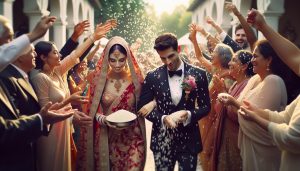
In many Asian cultures, for example, weddings may involve vibrant colors and intricate fabrics. Guests attending a traditional Indian wedding often wear colorful sarees or lehengas for women and kurtas or sherwanis for men. Red is typically a favored color due to its association with love and prosperity. Similarly, in Chinese weddings, guests might wear bright colors, emphasizing joy and celebration, although avoiding red is advisable to respect the couple’s choice if the bride is traditionally wearing that color.
In contrast, Western weddings may lean towards more muted tones and established dress codes such as black-tie or formal attire. However, even within Western cultures, there are variances. For instance, a beach wedding in a more relaxed region may invite light maxi dresses and linen suits, while a church ceremony may adhere to a more formal approach with long dresses and tuxedos. It’s important to consider regional influences at play, as the setting can shift expectations.
Embracing the nuances of cultural dress codes can foster a sense of respect and unity at wedding celebrations. Always feel encouraged to consult the couple or wedding invitations for guidance on appropriate attire while keeping cultural traditions in mind. A well-informed choice honors the wedding’s cultural significance, making your appearance a meaningful part of the celebration rather than just an obligation. Whether you’re attending a flamboyant Moroccan wedding or an intimate Scandinavian ceremony, being mindful of these variations will surely enhance the joyous atmosphere of the event.
Understanding Formal vs. Semi-Formal Dress Codes
Understanding how to navigate formal and semi-formal dress codes can make a significant difference in your overall experience as a wedding guest. The dress code is not just about individual style but also reflects respect for the couple and the significance of their special day. Formal attire typically requires tuxedos for men and elegant gowns or cocktail dresses for women, emphasizing sophistication and elegance. A formal wedding calls for polished looks, which may include longer dresses, tailored suits, and refined accessories that enhance the overall appearance without overshadowing the couple.
On the other hand, semi-formal attire strikes a balance between formal elegance and casual comfort. This dress code allows for lighter fabrics and shorter hemlines, making it more versatile and approachable. Men can opt for dress pants with a blazer instead of a tuxedo, while women might choose knee-length dresses or stylish jumpsuits. Semi-formal settings often occur during daytime events or in less traditional venues, providing a bit of latitude for personal style while still maintaining a level of decorum suitable for a wedding.
When preparing for the celebration, consider the venue and time of day as they are crucial indicators of the dress code. For instance, an evening wedding at a hotel suggests a more formal approach, while a beach wedding in the afternoon might lean semi-formal. To effectively interpret what’s required, feel free to reach out to the couple or check the invitation for any specific guidance. Ultimately, whether you’re dressing to impress in formal attire or opting for semi-formal chic, the key is to celebrate the love and commitment being honored while ensuring you feel your best.
How to Interpret ‘Dress to Impress
When a wedding invitation includes the phrase “dress to impress,” it suggests a level of sophistication and thoughtfulness in your attire. This is an opportunity to celebrate not only the joyous occasion but also to express yourself in a way that complements the couple’s vision for their special day. It’s essential to balance your individual style with reverence for the event, ensuring that your outfit aligns with the overall ambiance and dress code of the wedding while making a statement.
To navigate the nuances of this phrase, start by considering the wedding’s location and time. For instance, a glamorous evening reception at a high-end venue may call for more formal elements-think elegant gowns and tailored suits. In contrast, a daytime outdoor gathering might allow for a more relaxed yet stylish approach, like a chic sundress for women or smart slacks and a blazer for men. Additionally, examining the couple’s style can provide valuable insight; if their wedding theme leans towards vintage glamour or modern chic, aim to reflect that in your choices.
Accessories play a significant role in enhancing your outfit without overshadowing it. Choose statement pieces that highlight your personality-such as a bold necklace or eye-catching shoes-while keeping the overall appearance polished. Remember that the goal is to feel confident and comfortable; if you love what you’re wearing, it will show in your demeanor. Ultimately, dressing to impress is about honoring the couple and their celebration, which gives you the perfect excuse to elevate your outfit game while also having fun with your style. Embrace the opportunity to be part of a memorable day and let your attire reflect both personal flair and a celebratory spirit.
Tips for Coordinating with Other Guests
Coordinating your outfit with other wedding guests can enhance not only your individual look but also the overall atmosphere of the celebration. While you may want to stand out, it’s essential to strike a balance between expressing your personal style and harmonizing with those around you. A little bit of collaboration with fellow attendees can make the celebration feel more cohesive and enjoyable for all.
One effective strategy is to communicate with other guests, especially those who share the same social circle or family ties to the couple. Create a group chat or informal discussion to exchange ideas about outfit colors, styles, and accessories. This could lead to delightful surprises, like coordinating a similar color palette that complements the wedding theme, while still allowing each person to maintain their unique flair. Remember, this doesn’t mean everyone should wear identical outfits, but rather aim for complementary styles that create a visually appealing ensemble when gathered together for photos.
Additionally, consider the time and location of the wedding when planning your ensemble. A beach wedding may invite lighter fabrics and vibrant colors, while an evening ceremony at a ritzy venue might call for darker hues and more elegant silhouettes. To ensure a sophisticated look as a collective, share insights from the wedding invitation regarding the dress code. Understanding whether the event is formal, semi-formal, or casual will help everyone make choices that align with one another while still reflecting their individuality.
Lastly, be mindful of accessories and other elements that can either clash or harmonize. A unifying accessory theme-perhaps everyone wearing floral patterns or metallic accents-can add a layer of richness to the visual presentation without requiring everyone to wear the same outfit. Ultimately, the goal is to celebrate together, and a little coordination can help redefine the spirit of the event, making it memorable for you and the couple. Embrace the opportunity to express your style while also contributing to an event filled with love, joy, and shared experiences.
Navigating Dress Code Confusion: Common Questions
Understanding the nuances of wedding dress codes can feel overwhelming, especially when various terms like “black tie” or “cocktail attire” are thrown around. Many guests often find themselves asking questions that can make or break their ensemble choice for the big day. It’s crucial to provide clarity not only to ease any confusion but also to ensure that every guest feels confident and appropriately dressed to celebrate.
One common question revolves around the difference between “formal” and “semi-formal” attire. Generally, formal attire requires full evening dress; for men, this means a tuxedo, while women could wear an elegant gown or floor-length dress. On the other hand, semi-formal allows for more flexibility – men can opt for a dark suit and women might choose a cocktail dress or a dressy ensemble. If unsure, it’s perfectly acceptable to reach out to the couple or wedding planner for additional details.
Another frequent query pertains to color choices-“Can I wear white, or is that only for the bride?” Traditionally, white should be reserved for the bride, but this norm is evolving. In today’s weddings, many couples appreciate guests wearing various shades, as long as it respects the couple’s vision. It may help to consider the wedding’s overall color palette, which is often indicated in invitations or wedding websites, ensuring your outfit complements rather than detracts from the day’s aesthetic.
Lastly, the question of seasonal appropriateness surfaces regularly. In summer, lighter fabrics and vibrant colors can be fantastic for outdoor weddings, while winter events typically call for richer hues and heavier materials. Wearing breathable fabrics in the sun or cozy layers for cooler climates can make the experience enjoyable and comfortable. Being in tune with the season and setting ensures you’re fashionable while also practical, making you a thoughtful attendee at the celebration.
By addressing these common questions, you’ll not only navigate the dress code with ease but also enhance your experience at the wedding, ensuring you look and feel your best while supporting the couple on their special day.
Q&A
Q: What is considered formal attire for a wedding?
A: Formal attire for a wedding typically means wearing a floor-length evening gown or cocktail dress for women, while men can opt for a tuxedo or a dark suit. This dress code sits between semi-formal and black-tie, allowing for elegant yet varied choices.
Q: How do I know if a wedding is formal?
A: To determine if a wedding is formal, check the invitation for dress code wording. Terms like “formal,” “black tie optional,” or “evening attire” suggest a more upscale event. You can also inquire with the couple or wedding planner for clarification.
Q: Can I wear a long dress to a formal wedding?
A: Yes, wearing a long dress to a formal wedding is appropriate. Full-length gowns are often the preferred choice for women, as they align well with the elegance required for formal occasions. Consider the color and style to fit the theme of the wedding.
Q: Are men required to wear ties at a formal wedding?
A: While a tie is typically expected at a formal wedding, the requirement may vary. Tuxedos are often worn with bow ties, while suits may be paired with either ties or bow ties. Always check the specific dress code mentioned in the invitation.
Q: Is there a difference between formal and semi-formal wedding attire?
A: Yes, formal attire is more elegant and includes options such as long gowns for women and tuxedos for men, while semi-formal attire allows for shorter dresses and lighter suits. Understanding this difference helps you choose the right outfit for the occasion.
Q: What accessories should I choose for a formal wedding?
A: For formal weddings, opt for elegant accessories such as refined clutch bags, statement jewelry, and stylish shoes. Men should wear formal shoes that match their suit or tuxedo, and consider adding accessories like cufflinks or a pocket square for added sophistication.
Q: Can I wear bright colors to a formal wedding?
A: Yes, bright colors can be worn at formal weddings, provided they are in elegant styles. Bold hues can add vibrancy, but consider the wedding theme and venue when selecting colors to ensure they align with the overall aesthetic.
Q: What should I avoid wearing to a formal wedding?
A: Avoid overly casual items like jeans, T-shirts, or flip-flops at a formal wedding. Steer clear of excessively flashy or provocative outfits as well, and opt for classic styles that respect the formality of the event.
For more detailed guidance on wedding attire, refer to the sections on Understanding Wedding Formal Attire: Key Concepts and Guest Attire Etiquette: Dos and Don’ts. Happy planning!
In Summary
Understanding wedding formal attire enhances your ability to celebrate the special day with confidence and style. Remember, the key to nailing the dress code lies in considering the venue, time of day, and the couple’s vision. As you prepare for upcoming weddings, don’t forget to explore our Wedding Planning resources for a comprehensive guide to managing your attire and other details seamlessly.
For more insights on wedding etiquette or to scout perfect venue options that reflect your style, check out our articles on venue selection and wedding traditions. If you’re unsure about your outfit or need help navigating the complexities of wedding planning, sign up for our newsletter for tips and inspiration straight to your inbox. Your journey in wedding celebrations doesn’t end here-let’s keep the excitement going!