When planning a wedding, understanding the distinction between engagement and wedding rings can enhance your decision-making. While both symbolize love and commitment, they serve different purposes and hold unique meanings. Engagement rings often feature a prominent stone, signifying a promise of marriage, whereas wedding rings typically represent the bond of matrimony exchanged during the ceremony. By grasping these key differences, you can make informed choices that reflect your style and values, ensuring your rings resonate with your journey together. Ready to dive deeper? Let’s explore how these rings celebrate your love story in distinct yet meaningful ways.
Differentiating Engagement and Wedding Rings: What You Need to Know
When embarking on the journey toward engagement and marriage, understanding the distinctions between engagement rings and wedding rings is crucial for making informed decisions that celebrate your unique love story. Each ring serves a distinct purpose: the engagement ring symbolizes the promise of marriage, often showcasing a stunning centerpiece, while the wedding ring is exchanged during the ceremony, representing a commitment that evolves as your life together unfolds.
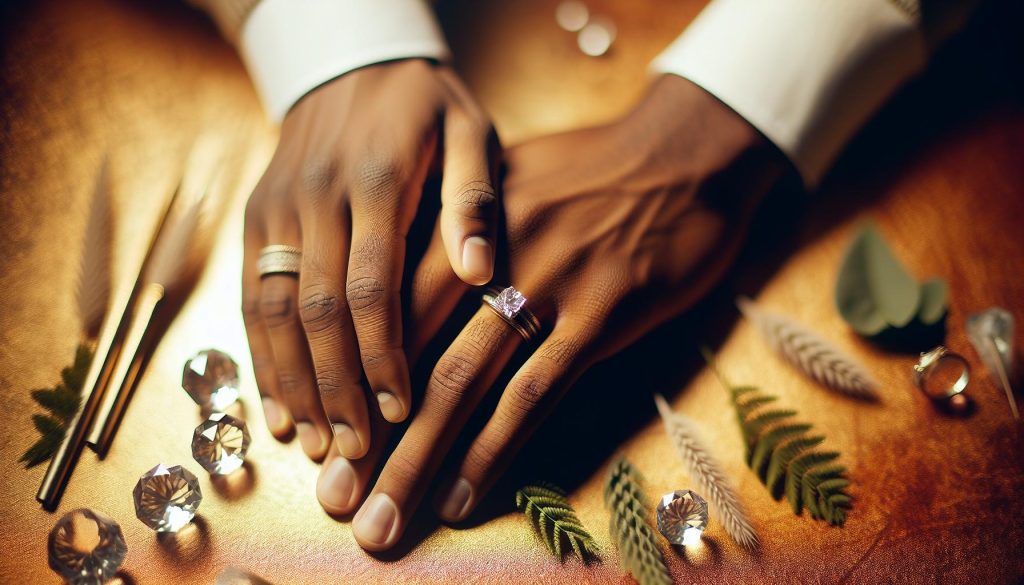
Engagement rings are typically adorned with a prominent gemstone, often a diamond, and are designed to stand out as a statement piece. These rings are often given during a proposal and carry an emotional weight, marking the beginning of a lifelong partnership. In contrast, wedding rings are simpler, designed for everyday wear, and they may or may not feature gemstones. Many couples opt for matching wedding bands, which can complement their respective engagement rings.
Choosing the right rings also involves considering personal style and lifestyle compatibility. You might explore various metal options like gold, platinum, or alternative materials, as well as different band styles. Personalization options are endless, from engravings of meaningful dates to custom designs that reflect your shared story.
Ultimately, both ring types signify love and commitment but serve different yet complementary roles in your relationship. By being thoughtful about your choices and recognizing what each ring represents, you can beautifully convey your journey and intentions as you prepare for your future together.
The Emotional Symbolism Behind Each Ring
When choosing rings to symbolize your commitment, it’s essential to understand the profound emotional meanings attached to engagement and wedding rings. Each ring tells a story, representing different yet interconnected milestones in your journey together. An engagement ring, typically adorned with a striking gemstone like a diamond, is not just a piece of jewelry; it is a powerful expression of love, devotion, and the promise of a shared future. The moment it’s presented during a proposal is often filled with anticipation and joy, encapsulating the excitement of beginning a new chapter in life.
Conversely, a wedding ring symbolizes the vows exchanged during the ceremony, serving as a tangible reminder of the commitment made on that special day. While wedding rings may be simpler in design, often without extravagant stones, they carry an emotional weight that evolves as your relationship matures. The circular shape of the wedding band, with no beginning or end, reflects the infinite nature of love and commitment, embodying the promise to stand by each other through all of life’s ups and downs.
It’s also important to consider personal significance when choosing rings. Many couples opt to customize their rings with engravings of important dates or initials, adding layers of meaning and honoring unique moments in their relationship. As you select the perfect rings, think about what each symbolizes for you both-whether it’s the excitement of a future together or the shared memories you cherish in your past. By understanding and embracing , you can make choices that truly honor your love story.
Material and Design Differences Between the Rings
Choosing the right rings for your commitment journey is a blend of aesthetic preference and emotional significance, particularly when it comes to the material and design of engagement and wedding rings. Engagement rings are typically crafted to captivate attention, often featuring a prominent center stone, most commonly a diamond, which symbolizes the promise and future in your relationship. The setting of an engagement ring may vary greatly, from classic solitaires to intricate multi-stone designs, reflecting personal style and the importance of the occasion. Materials often include platinum, gold (yellow, white, or rose), and even alternative items like sapphires or moissanites, which may appeal to couples looking for unique or ethical options.
On the other hand, wedding rings often lean toward simplicity and durability, designed to complement the engagement ring while symbolizing the unity and commitment forged during the marriage ceremony. While wedding bands can feature gemstones, they are more commonly crafted in precious metals and have a seamless, circular design, embodying eternity with no beginning or end. While many couples might choose matching wedding bands, individuality is celebrated through variations in thickness, metal choice, and engraving options.
Material Choices
The materials selected for both rings carry significance. Engagement rings traditionally use more extravagant, higher-grade materials to underscore their celebratory nature, while wedding rings may use more practical and durable metals, intended to withstand daily wear. Common materials include:
- Platinum: Highly durable and hypoallergenic, often chosen for its prestige.
- Gold: A classic choice, available in various hues; yellow gold is traditional, while white gold has become increasingly popular for a modern look.
- Alternative gems: Stones like sapphires or lab-created diamonds are notable for their beauty and ethical appeal.
Couples should consider their lifestyle, preferences, and budget when deciding on materials. For instance, active individuals may prefer the durability of platinum, while those budget-conscious might find gold or alternative stones more accessible without compromising style.
Design Considerations
Designs also differ as engagement rings are often elaborate and may feature intricate settings, while wedding bands prioritize comfort and ease of wear. When considering designs, think about aspects such as:
- Settings: Engagement rings can be set in various styles such as prong, bezel, or pave settings which enhance the brilliance of the stone.
- Band Width: Wedding bands can range from delicate to bold, offering flexibility according to personal preference.
- Complementary Designs: Ensuring that the engagement and wedding rings fit well together visually can also guide design choices.
Ultimately, selecting your rings should resonate with both personal style and the deep meaning behind them, signifying not only your love but also your unique bond as a couple. It’s an exciting part of wedding planning that allows for self-expression and represents the beautiful journey you’re about to embark on together.
Should You Choose Matching Sets?
Choosing rings that reflect your unique journey together is a cherished part of the wedding planning experience. The idea of matching sets for engagement and wedding rings can be captivating, as they symbolize unity and shared commitments. However, the decision to opt for matching or complementary styles ultimately depends on personal preference, lifestyle, and the stories embedded within each piece.
Matching rings can create a beautiful harmony in your jewelry, symbolizing the seamless bond between partners. They often feature similar designs, materials, or gemstones, visually tying the two rings together. For couples who value tradition or prefer a cohesive look, matching sets can simplify the decision-making process. Additionally, weddings often revolve around themes or colors, and matching rings can elegantly complement those choices, reinforcing the overall aesthetic of the ceremony.
On the other hand, individuality in ring selection can also be deeply meaningful. Some couples thrive on personal expression and choose rings that reflect their distinct styles. For example, one partner may prefer a vintage-inspired engagement ring, while the other favors a sleek, modern wedding band. This contrast not only showcases personal tastes but also symbolizes the unique attributes each partner brings to the relationship. It emphasizes that, even in unity, individual stories and styles are celebrated and cherished.
In deciding whether to choose matching sets, consider the following:
- Personal Styles: Do both of you have similar tastes in jewelry, or do you desire distinct representations of your personalities?
- Comfort: Ensure that the band styles are comfortable for everyday wear, especially if one of you prefers a more rugged option.
- Bdget: Matching sets can sometimes offer cost benefits, but carefully weighing the value of uniqueness versus tradition is vital.
- Cultural Significance: Different cultures have varying customs regarding rings; reflect on any cultural dimensions that may influence your choice.
Ultimately, whether you choose matching rings or unique pieces, the most important factor is how they resonate with your love story. Each ring, regardless of its design path, will carry the weight of commitment and affection, marking the start of a beautiful journey together. Enjoy the treasure hunt in selecting rings that speak to your hearts and celebrate the joy of your upcoming union.
Cultural Variations in Ring Traditions
Cultural customs surrounding engagement and wedding rings vary significantly around the globe, making the selection process a rich tapestry of traditions. For many cultures, rings serve as a symbol of commitment and vary in formality, design, and significance. While Western tradition often places emphasis on diamond engagement rings, other cultures have distinct practices and materials that hold deeper meanings.
In some cultures, the engagement ring is not worn at all before the wedding. For example, in many Chinese traditions, couples may exchange wedding bands during the tea ceremony, symbolizing family union and respect, while engagement rings are less emphasized. Instead, the wedding ring may be crafted from gold or jade, substances that are deeply regarded for their durability and value.
Conversely, in Indian culture, engagement rings play a crucial role in the arranged marriage system, where family involvement is significant. The ring is often ornate and can include symbolic motifs. During the ceremony, couples might exchange several rings, signifying prosperity and unity between families.
Key Cultural Insights
To appreciate the diversity in ring traditions, consider these examples:
- Jewish Tradition: The wedding band is traditionally a simple gold band, symbolizing the unbroken circle of marriage.
- Filipino Tradition: Couples often use wedding rings called “pahiyas,” which are traditionally gold and can be engraved with initials, showcasing personal connection.
- Scottish Tradition: The Claddagh ring, adorned with a heart and hands, embodies love, friendship, and loyalty, often worn equally during and after engagement.
Understanding these variations not only enriches the meaning behind your choice of rings but also fosters appreciation for your partner’s cultural background and practices. As you make your decision, consider how you can incorporate traditions that resonate with both of your heritages, ensuring that your rings are a true expression of your unique love story. The beauty of engagement and wedding rings lies in their ability to honor personal significance while celebrating cultural heritage, making your wedding journey even more meaningful.
Factors Influencing Ring Pricing
When embarking on the exciting journey of selecting engagement and wedding rings, understanding the factors that influence pricing can empower couples to make informed decisions that suit both their style and budget. The cost of these significant symbols of love can vary widely, based on a combination of elements, including materials, design intricacies, and brand reputation. Being aware of these factors can make the purchasing process more manageable and enjoyable.
One of the primary determinants of ring pricing is the type of material used. For instance, precious metals such as gold, platinum, and white gold each come with different price points due to their rarity and intrinsic value. Similarly, the choice of gemstones, particularly diamonds, greatly influences the overall cost. The diamond industry follows the “Four Cs”-carat weight, color, clarity, and cut-each serving as a key indicator of a stone’s value. Couples may also consider lab-grown diamonds as an ethical and often more affordable alternative to natural stones, which can provide significant savings while still delivering beauty and sparkle.
Beyond materials, the complexity of the design also plays a vital role in determining the price. Custom-designed pieces or those featuring elaborate settings can come at a premium, reflecting the craftsmanship and time invested in creating the ring. Furthermore, brand reputation can heavily sway costs. Well-established jewelry brands often charge more due to their legacy, customer service quality, and assurance of ethical sourcing. However, many couples are now seeking artisanal or smaller jewelers for unique items that resonate more personally and may offer more competitive pricing.
Creating a budget for engagement and wedding rings doesn’t have to be daunting. Start by setting a realistic spending limit, and feel free to explore various options to find the perfect balance between quality and affordability. Consider shopping during sales or comparing prices across different retailers to avoid overspending. It’s essential to communicate openly with your partner about preferences and expectations, ensuring that together you select rings that not only symbolize your union but also fit within your financial plans. Embracing flexibility and creativity can lead to beautiful rings that represent your love story without breaking the bank.
How to Choose the Right Ring for Your Partner
Choosing the perfect ring for your partner can feel like a monumental task, but it’s also an exciting opportunity to express your love and commitment uniquely. To guide you through this journey, consider your partner’s personal style, preferences, and lifestyle. Observing the jewelry they currently wear can provide valuable insights-do they lean more towards classic elegance, modern simplicity, or artistic uniqueness? Engaging with them about their tastes can also pave the way for a delightful conversation that unveils their preferences without ruining any surprises.
Another critical factor is to understand the symbolism behind engagement and wedding rings. Engagement rings often feature a standout gemstone, traditionally a diamond, signifying commitment and promise. Meanwhile, wedding bands, which are exchanged during the ceremony, typically emphasize unity and eternity without a focal gemstone. Your choice of one or the other, or even a combination, can reflect not only your partner’s individual style but also the shared values of your relationship.
As you navigate the selection process, consider how practical aspects such as durability and comfort play into everyday wear. For those with active lifestyles, rings with lower settings and sturdier materials may be ideal. Additionally, exploring customization options can provide a personal touch that makes the ring uniquely theirs, whether it’s engraving a meaningful date or opting for a non-traditional stone that carries significance, such as a birthstone or a family heirloom.
Lastly, collaborate with trusted jewelers who can offer guidance and ensure that the selection process aligns with your budget while still capturing the essence of your commitment. Take your time, explore different styles, and enjoy this meaningful milestone in your journey together. By keeping the focus on your partner’s preferences and the love you share, finding the right ring can become a joyful experience rather than a stressful one.
Engagement and Wedding Ring Care Tips
Taking care of your engagement and wedding rings is essential not only for their longevity but also for preserving the precious memories they represent. Regular maintenance will keep them looking their best and ensure they remain a lasting symbol of love and commitment. Here are some helpful tips to keep your rings in top condition.
Regular Cleaning
To maintain the brilliance of your rings, clean them regularly. A simple solution of warm water and mild dish soap usually does the trick. Soak your rings for around 20-30 minutes, then gently scrub with a soft-bristle toothbrush to remove dirt and grime, especially from intricate settings. Rinse under warm water and dry with a soft cloth. This method can be applied once a month, and more often if you notice they look dull.
Safe Storage
When you’re not wearing your rings, it’s crucial to store them properly. Keep your rings in a dedicated jewelry box or pouch, ideally lined with fabric to prevent scratches. Avoid storing rings together, as they can scratch one another. For additional protection, consider using anti-tarnish strips or bags if your rings are made of softer metals or include gemstones that can scratch easily.
Be Aware of Your Environment
Your lifestyle can affect the condition of your rings. Remove them when engaging in activities that may expose them to chemicals, such as cleaning or swimming in chlorinated pools. It’s also wise to take them off during workouts or when using tools. By minimizing exposure to potential damage, you enhance their longevity.
Professional Check-Ups
Just as you visit a doctor for regular check-ups, your rings benefit from professional attention too. Schedule a visit to your jeweler at least once a year to have your rings inspected. A professional can clean them deeply, check for loose stones, and ensure settings are secure. This preventive care can avert costly repairs later.
Maintaining the beauty of your engagement and wedding rings does not have to be daunting. By integrating these simple care tips into your routine, you can celebrate your love without worrying about the condition of your treasured symbols. Remember, the care you provide for your rings reflects the care and commitment within your relationship.
When to Buy: Timing Your Ring Purchases
Timing your ring purchases can significantly impact not just your budget, but also the overall experience of this exciting chapter in your life. The moment you decide to embark on this journey, it’s essential to consider the time you need to thoughtfully select the perfect rings that represent your love and commitment. Whether you’re eyeing an engagement ring or coordinating wedding bands, understanding when to buy can relieve some of the pressure and enable you to make a more informed choice.
The best time to start considering an engagement ring is ideally a few months before you plan to propose. This allows ample time for research-exploring styles, traditions, and the various factors that influence pricing. Give yourself time to visit jewelers, consider custom designs, and ideally, consult your partner about their preferences in a subtle way. For those who prefer to keep elements a surprise, gathering insights from family and friends can be invaluable. Additionally, this timeline ensures that you won’t feel rushed and can make decisions you’re truly happy with.
When it comes to wedding bands, the timing can vary depending on your wedding date. Many couples begin shopping for wedding bands shortly after the engagement but before the wedding planning really ramps up. A good rule of thumb is to allow at least 2-3 months to make these purchases. This window provides enough time for any necessary resizing, customization, or adjustments to ensure that you both have rings that fit perfectly and match your vision. Furthermore, coordinating the purchase close to your wedding date can help keep the excitement alive leading up to the big day.
Lastly, keep an eye out for seasonal sales or specific deals around holidays, which can offer significant savings. Regardless of when you choose to purchase, ensure that your decisions reflect both your personal style and your shared values as a couple, making these tokens of love meaningful throughout your entire journey together.
Trends in Engagement and Wedding Ring Styles
The world of engagement and wedding ring styles is continuously evolving, reflecting personal tastes and cultural nuances while embracing modern trends. Today’s couples are often looking for rings that tell their unique love story, making the selection process not just a matter of tradition, but an opportunity for personal expression. From vintage styles that evoke nostalgia to sleek, minimalist designs that emphasize contemporary elegance, there’s a significant range of styles available to suit every preference.
One trend gaining traction is the rise of ethical and sustainable ring options. Many consumers are now favoring lab-grown diamonds, which offer the same brilliance and quality as mined diamonds but with a lower environmental impact. This shift has led to a flourishing market for brands that prioritize sustainability, enabling couples to choose rings that reflect their values. Additionally, alternative gemstones, such as sapphires, morganite, and emeralds, have become popular choices. These vibrant stones not only provide a unique twist but also often come with a lower price tag compared to traditional diamonds.
Inclusivity in design is another notable trend. More couples are opting for rings that break away from conventional styles, favoring personalized touches that represent their relationship. This could mean incorporating engravings, choosing unique shapes, or selecting non-traditional metal types like rose gold or black titanium. Customizability is at an all-time high, with many jewelers now offering bespoke services, allowing couples to design rings from scratch based on their shared experiences and individual aesthetics.
Furthermore, the concept of stackable wedding bands is becoming increasingly popular. Instead of a single wedding band, couples may choose to wear multiple bands that can represent various milestones in their relationship. This trend allows for creativity and flexibility, enabling individuals to mix and match styles over the years. As couples navigate their selection, the key is to find rings that not only symbolize their love but also harmonize with their lifestyle and personal flair. Embracing these current trends provides an exciting avenue for couples to curate a set of rings that are truly their own.
Personalizing Your Rings: Unique Customization Ideas
Choosing the perfect rings to symbolize your love story can be one of the most intimate and creative parts of wedding planning. With endless options for personalization and customization, couples can transform traditional engagement and wedding rings into unique expressions of their bond. Here are some innovative ideas and practical tips to help you design rings that truly reflect your journey together.
One compelling way to personalize your rings is through meaningful engravings. Whether it’s a special date, a phrase that holds significance, or your initials, engraving adds a layer of intimacy that transcends the physical beauty of the ring. Consider using a special font or even incorporating a heartbeat line that represents a cherished moment, making the ring not just a piece of jewelry, but a sentimental keepsake.
Selecting non-traditional gemstones is another way to set your rings apart. While diamonds are classic, vibrant alternatives like sapphires, emeralds, or even colored diamonds can introduce a fresh twist and speak to your unique tastes. Each gemstone carries its own symbolism – for instance, sapphires are often associated with fidelity and sincerity, making them a perfect choice for a union. Opting for these stones can also be a more budget-friendly decision, allowing for larger or more intricate designs without compromising on style.
Customization Through Metal Choices
Consider experimenting with different metals to enhance the overall aesthetic of your rings. Rose gold, platinum, and titanium each convey different vibes; rose gold’s warmth can symbolize love and passion, while platinum is a classic choice that signifies strength and longevity. Explore mixed metals as well, which can create a stunning, modern look while reflecting both partners’ personal styles.
Crafting a Stackable Story
Another growing trend is the concept of stackable bands, which allow you to represent various milestones in your relationship. For example, an engagement ring can be paired with a wedding band and subsequently, additional bands to commemorate anniversaries or other significant events. This approach not only keeps your ring collection fresh but also creates a layered story of your relationship that can evolve over time.
Ultimately, personalizing your rings can transform them from mere jewelry into cherished tokens that reflect your love story. Don’t hesitate to discuss customization options with jewelers who specialize in bespoke pieces, as they can provide unique insights and ideas that align with your vision. Embrace this opportunity to craft rings that resonate deeply with both of you, making your wedding journey even more special.
FAQ
Q: What is the main difference between engagement and wedding rings?
A: The main difference is their purpose: engagement rings symbolize the promise of marriage and typically feature a prominent gemstone, while wedding rings are exchanged during the marriage ceremony as a symbol of commitment and love. Engagement rings often have more elaborate designs compared to simpler wedding bands.
Q: Why are engagement rings usually more expensive than wedding rings?
A: Engagement rings are generally more expensive due to the presence of larger, more intricate gemstones and unique designs, which reflect the sentimental value and the importance of the proposal. Wedding rings, in contrast, tend to be simpler and may use fewer or smaller gemstones.
Q: Can you wear an engagement ring and a wedding ring together?
A: Yes, many people choose to wear both rings together. Typically, the engagement ring is worn first on the ring finger, followed by the wedding band, which often complements the design of the engagement ring, creating an elegant stacked look.
Q: What do different cultures say about engagement and wedding rings?
A: Cultural traditions vary widely. For instance, in some cultures, the engagement ring is worn on the right hand, while in others, it’s worn on the left. Additionally, some cultures focus more on the wedding ring, seeing it as the primary symbol of commitment rather than the engagement ring.
Q: Is it traditional for the groom to wear a wedding ring?
A: Yes, in many cultures, it is customary for both partners to wear wedding rings as a symbol of their marital commitment. However, traditions can vary, and some men may choose not to wear a ring for personal or cultural reasons.
Q: When should you buy an engagement ring versus a wedding ring?
A: Engagement rings are typically purchased before the proposal, while wedding rings are bought closer to the wedding date. It’s advisable to shop for wedding rings about two to three months in advance to allow time for resizing or customizing.
Q: How can you personalize engagement and wedding rings?
A: Personalization options include choosing unique metal types, adding engravings, selecting specific gemstones, or designing custom settings. These elements reflect personal stories or shared experiences, making the rings uniquely meaningful.
Q: Do you need both an engagement and a wedding ring?
A: While it’s traditional to have both, there are no set rules. Some couples opt for a single ring that serves as both an engagement and wedding ring, while others may choose to forgo one altogether based on personal preference or budget considerations.
Final Thoughts
Understanding the differences between engagement and wedding rings is crucial for making informed choices on your journey to marriage. Now that you know these key distinctions, it’s time to choose the perfect ring that matches your love story! Don’t forget to explore our comprehensive guides on wedding planning stages, where you can find expert tips on timeline management, budget considerations, and vendor coordination.
For those still navigating through their engagement, check out our article on selecting the ideal setting to enhance your stunning ring. If you have questions or need personalized advice, reach out for a consultation or subscribe to our newsletter for ongoing insights and inspiration. Your wedding journey deserves to be celebrated, and we’re here to support you every step of the way. Join the conversation in the comments below and share your thoughts or experiences!