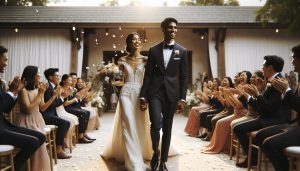
When planning your wedding, timing is everything, especially when it comes to the ceremony itself. Did you know that the average wedding ceremony lasts between 20 and 30 minutes? Understanding the ideal duration can not only help you design a meaningful experience but also ensure your guests stay engaged and comfortable. Finding that perfect balance is crucial to creating a memorable celebration that reflects your unique love story. Whether you’re envisioning a traditional affair or a more contemporary gathering, knowing how long to allocate for your ceremony can alleviate stress and enhance your special day. Dive into our guide to discover the factors that influence ceremony length, tips for coordinating with your venue, and how to curate a heartfelt experience that resonates with you and your guests. Let’s explore how to make your wedding ceremony beautifully timed and perfectly coordinated!
How Wedding Ceremony Length Affects Your Day
The length of your wedding ceremony can significantly shape the atmosphere of your entire day, influencing everything from guest engagement to the flow of subsequent events. A well-timed ceremony not only holds emotional significance but also helps maintain the excitement and energy throughout the day. Couples aiming for a seamless experience often find that striking the right balance in ceremony duration enhances the overall enjoyment for themselves and their guests.
When planning, consider factors such as guest comfort and engagement. A brief, heartfelt ceremony can keep the focus on the emotional moments without causing attendees to lose interest. Conversely, longer ceremonies that incorporate multiple readings, musical performances, or cultural rituals can enrich the experience, provided there’s a clear structure that captivates the audience. Building anticipation and excitement can be as simple as revealing key moments gradually rather than overwhelming guests at the outset.
It’s essential to synchronize your ceremony length with your reception and other events planned for the day. When you allow adequate time for both, you create a cohesive experience that flows smoothly from one celebration segment to another. Offering a timeline to your officiant and keeping open communication with your wedding planner can ensure that everything unfolds according to plan, allowing you to focus on the significance of the moment without being distracted by logistical concerns. Remember, the goal is to celebrate love uniquely and enjoyably, so choose a timing strategy that speaks to you as a couple.
Factors Influencing the Duration of Your Ceremony
The duration of a wedding ceremony is influenced by a myriad of factors, each contributing to the overall atmosphere and significance of the event. Understanding these elements can help couples tailor their ceremony to reflect their unique love story while ensuring a smooth flow throughout their special day.
One of the primary considerations is the type of ceremony being held. Religious ceremonies often include traditional rituals and readings that require additional time, while secular ceremonies might focus more on personal vows and symbolic gestures. Time of scripture readings, music selections, and poetry recitations can all add to the length of the ceremony. Couples looking to make their ceremony personal should consider how these extras contribute to their overall vision, balancing emotional depth with the engagement of their guests.
Guest dynamics also play a crucial role. The comfort and attention span of attendees should be considered; lengthy ceremonies may cause guests to disengage, while a well-paced, heartfelt service can keep everyone invested in the moment. Different cultural backgrounds can demand varying degrees of formality and ritual, affecting how long the ceremony lasts. For instance, some cultures incorporate multiple readings and rituals not just as a formality but as an integral part of the celebration, enhancing the overall experience.
Lastly, logistics and venue settings significantly dictate timing. An outdoor ceremony might necessitate specific considerations for lighting as the day progresses, while indoor venues may offer more flexibility. Couples should communicate their desired ceremony length with their officiants and planners, allowing for adjustments as needed and ensuring every moment is cherished. By recognizing and actively managing these factors, couples can create an unforgettable ceremony that resonates emotionally while maintaining the appropriate flow throughout their wedding day.
Typical Wedding Ceremony Lengths Explained
The length of a wedding ceremony can significantly impact both the overall flow of your big day and the experience of your guests. Typically, couples can expect their wedding ceremony to last anywhere between 20 to 30 minutes, with variations depending on personal choices, traditions, and specific commitments made during the rites. Understanding these lengths can help couples ensure their ceremony remains engaging while allowing ample time for the celebration to follow.
Quick Overview of Ceremony Lengths
- Religious Ceremonies: Generally, these last about 30 to 60 minutes. Traditional elements such as readings, hymns, and prayers can extend the duration.
- Civil Ceremonies: Typically range from 15 to 30 minutes. These are often more streamlined, focusing on vows and the legal component without extensive rituals.
- Cultural Ceremonies: Can vary widely, from 20 minutes to over an hour, depending on the specific traditions and rituals being incorporated, such as the exchange of gifts or multiple ritualistic elements.
- Destination Weddings: Often more relaxed, these ceremonies might take about 30 minutes, with scenic locations allowing for personalization through elements like sand ceremonies or musical performances.
While consideration of the typical lengths is crucial, it’s equally important for couples to think about how these decisions reflect their values and intentions. A meaningful exchange of personal vows might warrant a longer timeframe, while a focus on concise commitments can keep the momentum flowing into the reception. For example, many couples include a poignant reading or a musical interlude to elevate the experience and capture special moments, which can add an extra layer of intimacy to the ceremony.
Ultimately, the goal is to create an atmosphere where love is palpable, guests feel engaged, and the couple can truly savor their vows. By thoughtfully planning the wedding ceremony duration-balancing ritual with intimacy-couples set the stage not just for their commitment to one another but for a memorable celebration with their loved ones that follows.
Personalizing Your Ceremony: Unique Timing Considerations
Choosing how to personalize your wedding ceremony can transform the event into a deeply meaningful experience that reflects your unique love story. One important aspect is timing; while traditional ceremonies have set durations, the real beauty lies in how you adapt this to suit your personality and values. Incorporating heartfelt elements that resonate with you can make the ceremony not just an obligation but a memorable celebration that sets the tone for the entire day.
When considering the timing of your ceremony, think about including special rituals or traditions that might extend its length but add richness to the experience. For example, if you’re blending cultures, you might want to incorporate elements from both backgrounds-like lighting a unity candle or participating in a handfasting ceremony. Such additions can deepen the emotional significance of the moment and engage guests in a shared experience. However, be sure to communicate any extended plans with your officiant to ensure they fit seamlessly into the schedule.
Another wonderful way to personalize timing is through music. Whether you choose to have a live musician or a carefully curated playlist, incorporating songs that tell your story can make a standard ceremony feel tailored to you. You might consider designating time for special musical performances as people arrive, during the processional, or even between vows to enhance the atmosphere. Make sure to inform your officiant of these elements to ensure they are woven into the ceremony appropriately.
Ultimately, the key to effectively personalizing your ceremony lies in balancing sentiment with practicality. You’ll want to create lasting memories while ensuring your guests remain engaged and excited. Discuss with your partner and planner about what elements you value most, and don’t hesitate to modify the typical timeline to suit your shared vision. Remember, this ceremony is your opportunity to showcase your love and commitment in a way that feels authentic to you both.
Cultural and Religious Variations in Ceremony Length
Ceremony length can vary dramatically depending on cultural and religious practices, playing a pivotal role in crafting your wedding day. Some traditions encompass lengthy and elaborate rituals that beautifully symbolize the couple’s commitment, while others may favor brief ceremonies focused on the essentials. Understanding these variations not only helps in planning your own event but also enriches the overall wedding experience for you and your guests.
Many cultures have specific components that dictate the ceremony’s duration. For instance, a typical Christian wedding may last between 20 to 30 minutes, often including vows, readings, and music. In contrast, a traditional Hindu ceremony can span several hours, featuring intricate rituals such as the Saptapadi, where the couple takes seven steps together, each representing a vow. Similarly, Jewish weddings often incorporate the chuppah and the breaking of the glass, which can extend the ceremony by including meaningful readings and blessings.
In addition to rituals tied to specific cultural practices, it’s essential to consider how religious customs can influence ceremony length. For example, a full Catholic Mass celebrated alongside a wedding can lead to a ceremony lasting upwards of an hour. On the other hand, a civil ceremony may be concise, often completed in under 15 minutes, focusing solely on the legal aspects. Couples blending different cultural backgrounds might choose to merge elements from both, creating a ceremony that honors both heritages while establishing a unique timeline.
Regardless of the chosen length, it’s crucial to have open discussions with your officiant about your preferences and how best to incorporate any cultural or religious practices. This way, the timing can flow naturally within the framework of the day’s events, ensuring a smooth and heartfelt celebration. Make sure to share any important rituals or elements you want included, as this will help in crafting a timeline that works for you while honoring the rich traditions that shape your wedding day.
Incorporating Special Rituals: Timing Best Practices
Incorporating special rituals into your wedding ceremony can add meaningful depth and personal significance to the day, but timing these elements requires thoughtful planning. Each ritual, whether it’s a unity candle lighting, a sand ceremony, or a family blessing, not only enhances the celebration but also can affect the overall length of the ceremony. Therefore, it’s essential to consider how these traditions align with your schedule to create a seamless flow.
To ensure that each ritual is executed smoothly and on time, begin by allocating specific time slots for each component during your ceremony. For example, if you choose to include a ring warming ceremony, which often involves passing the wedding bands among guests for blessings or well-wishes, set aside about 5 to 10 minutes. Planning for such activities helps maintain the pace and keeps guests engaged without feeling rushed or bored. When discussing your ceremony timeline with your officiant, provide details about each ritual’s significance and ask for their input on timing to ensure that everything fits cohesively within the ceremony’s flow.
Another effective strategy is to conduct a rehearsal that includes every special ritual you plan to incorporate. This allows you to gauge the actual timing and make adjustments as needed. For instance, if the readings or participatory elements take longer than anticipated, shifting other components or simplifying certain activities could help maintain balance throughout the ceremony. Additionally, consider the sequencing of rituals; for instance, placing longer rituals earlier in the ceremony can help maintain momentum, giving energy for the celebrations that follow.
Lastly, don’t hesitate to combine elements. For multi-cultural weddings, blending rituals can save time and enhance the overall sentiment. For example, a couple might opt for a single ceremony that incorporates both a unity candle and a traditional blessing from family members, ensuring that the important customs are honored while keeping the ceremony concise. By being mindful of your timing and the significance of each ritual, you create an unforgettable experience that resonates with you and your loved ones.
How to Plan Your Ceremony Timeline Efficiently
Planning your wedding ceremony timeline involves more than just deciding on the order of events; it’s about creating a seamless experience that resonates with you and your guests. A well-structured timeline ensures that each moment flows smoothly into the next, allowing for emotional highs and meaningful connections without feeling rushed. Begin by outlining all the key components of your ceremony, such as readings, musical interludes, and special rituals. This list will serve as the foundation for your timeline.
Consider assigning estimated durations to each segment. For example, standard readings might take around 5 minutes each, while a unity ritual could require 10 minutes. Here’s a practical approach:
- Overview of Ceremony Components: Make a detailed list of everything planned (e.g., processional, vows, ring exchange).
- Estimated Duration: Assign approximate times to each element based on typical lengths.
- Rehearsal Adjustment: Use the rehearsal to refine timing, as live practice can reveal unexpected delays.
Next, anticipate potential bottlenecks. For instance, if you expect a large number of guests to participate in a special ritual, ensure enough time is allotted to avoid gridlock, which can disrupt the flow. To help maintain engagement, plan interactive portions-like a group blessing or a family reading-early in the ceremony when energy levels are high.
It’s also essential to be flexible; timelines should be living documents that can adapt to the day’s ebb and flow. Always build in buffer time between segments so that the ceremony remains on track without causing anxiety. Finally, consult with your officiant throughout this process-they can provide valuable insights into what typically works best in terms of pacing and structure based on their experience with various ceremonies.
By thoughtfully crafting and proactively managing your timeline, you’re not just planning a ceremony; you’re setting the stage for a beautifully orchestrated celebration that honors your love story while engaging your guests in an unforgettable experience. Embrace this process as a chance to reflect on what truly matters to you as a couple, ensuring that every sweet moment is perfectly timed.
Balancing Ceremony Length with Reception and Events
The transition from ceremony to reception is a critical juncture in wedding planning, where timing can influence the energy and enjoyment of the entire day. Striking the right balance between a meaningful ceremony length and a lively reception ensures that your guests remain engaged and celebrate your commitment joyfully. As you think about your day’s flow, consider how each segment feeds into the next, creating a seamless experience that resonates with both emotional depth and fun.
To begin, setting clear expectations for your ceremony duration helps to set the tone for the reception. Couples often prefer to keep their ceremony concise-typically lasting between 20 to 30 minutes-to maintain guests’ enthusiasm. A thoughtful approach to timing can also prevent your reception from starting too late, which can affect meal timings and other scheduled events like speeches and dancing. For effective planning, coordinate your ceremony schedule with your reception venue to ensure all logistics, from cocktail hour to the meal service, align perfectly.
- Assess Reception Timing: If your reception includes a cocktail hour, factor in travel times from the ceremony site to the reception. Plan for a 15-minute buffer for guests to transition smoothly.
- Guest Engagement: Build in interactive activities during the reception. This may include photo booths or games that can keep energy levels high post-ceremony.
- Communicate with Vendors: Inform your caterers and other vendors of your timeline so that they can prepare accordingly, preventing any surprises when it’s time to serve food or drinks.
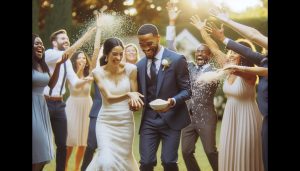
Furthermore, consider how special moments during your ceremony can lead into the reception festivities. For example, if you choose to include a unity ritual or a special reading, plan a celebratory exit that encourages an energetic transition. This could be a confetti toss or a bubble send-off, which not only marks the end of the ceremony but builds excitement as guests move to the reception.
Remember, flexibility is key. Life can be unpredictable, and your guests will appreciate a natural flow over a strict schedule. Embrace the moment, communicating openly with your officiant and wedding coordinator to adjust as necessary. Ultimately, a well-timed ceremony paves the way for a joyful reception filled with cherished memories, allowing you and your loved ones to fully immerse in the celebration of your love.
Tips for a Memorable and Concise Ceremony
Creating a memorable and concise ceremony doesn’t have to be a daunting task; rather, it can be an enjoyable process filled with personal touches that make your wedding unique. One of the best ways to achieve this is to focus on the essence of your love story. By curating moments that genuinely resonate with you and your partner, you can engage your guests in meaningful ways without dragging the ceremony out unnecessarily.
To begin with, consider the key components that reflect your relationship. Decide on essential vows or readings that articulate your feelings authentically. This could be a personalized vow exchange, a special poem, or a song that holds significance for both of you. By choosing just a few powerful elements, you maintain emotional depth while keeping the ceremony engaging. Aim for a total duration of around 20 to 30 minutes, which allows sufficient time for each segment to unfold without losing your guests’ attention.
Planning ahead is crucial for maintaining your timeline. Create a detailed outline of your ceremony and rehearse it with your officiant and wedding party. Rehearsals ensure everyone knows their cues and can help identify potential timing issues before the big day. It’s also wise to have a designated “timekeeper” among your loved ones to gently remind the officiant when it’s time to move on to the next part of the ceremony. This can help prevent any single part from dragging on too long and ensure that you stick to your intended duration.
Finally, consider integrating light moments to uplift the atmosphere. A touch of humor can set a joyful tone, such as sharing a short, funny anecdote about your journey together. Encourage your officiant to weave in personal stories that showcase your relationship, allowing guests to connect with you both. The right balance of emotion, ritual, and light-heartedness will not only make your ceremony memorable but also create a perfect segue into the celebration that follows. Ultimately, concise and well-planned ceremonies leave lasting impressions, ensuring that you and your guests carry the joy of the day forward into the festivities ahead.
Common Mistakes to Avoid: Timing Your Ceremony
Timing is crucial in creating a successful wedding ceremony, yet it’s easy to fall into common pitfalls that can extend or complicate your special day. One significant mistake couples often make is underestimating the amount of time various elements of the ceremony will require. This can result in feeling rushed or haphazard, which detracts from the emotional weight of the moment. To avoid this, create a timeline that realistically reflects how long each part of the ceremony will take, incorporating ample time for those vital components like vows, readings, and any rituals.
Another frequent error is neglecting to consider the flow of the ceremony. Transitioning between segments-such as moving from the processional to the greeting or between readings-should feel seamless and natural. Having a pre-planned script or outline can help your officiant guide the ceremony smoothly. To enhance this, include brief cues or remarks to indicate when segments start and end, which can help keep the ceremony on track without interrupting the emotional flow.
Couples should also be cautious about overloading their ceremony with too many special elements, such as multiple readings, songs, or rituals. While it’s wonderful to infuse your ceremony with personal touches, overdoing it can easily lead to a lengthy ceremony that tests guests’ attentions. Aim for a simple yet meaningful selection; focus on a few essential aspects that hold special significance to you both instead of trying to accommodate every idea you love.
Lastly, the importance of rehearsals cannot be overstated. Overlooking this step can lead to miscommunications or surprises on the wedding day, derailing your carefully laid plans. Schedule a comprehensive rehearsal with your officiant and wedding party to ensure everyone understands their roles and timing. This practice run is essential for building confidence and comfort, enabling you to create a ceremony that feels both genuine and well-paced. By addressing these common timing mistakes, you can cultivate a wedding ceremony that resonates with love and joy, leaving a lasting impression on all who attend.
Real Couples’ Experiences: Ceremony Timing Stories
Real couples often share their ceremony timing stories that illuminate both the triumphs and challenges of managing this pivotal moment. For instance, Sophie and Liam decided on a ceremony length of about 30 minutes, consciously designed to include their heartfelt vows, a couple’s reading, and a significant unity ritual-the lighting of a unity candle. They found that setting a defined duration helped them focus on what truly mattered, leading to a more emotional and meaningful experience. They also made it a point to rehearse multiple times, ensuring that transitions felt seamless, which kept their guests engaged throughout.
Conversely, Jamie and Alex learned through experience that they had over-scheduled their ceremony by attempting to include numerous elements that were important to them. They initially crafted a plan for a 45-minute ceremony packed with readings, songs, and personal anecdotes. However, during their rehearsal, it became clear that the ceremony was dragging, risking the emotional pacing. They ultimately trimmed down the ceremony to 25 minutes by prioritizing only the elements that would resonate most with their love story. This choice not only simplified their planning but also left more time for spontaneity and fun during their reception.
Another poignant example comes from Maria and Amir, who incorporated cultural traditions into their wedding ceremony. They planned for an hour-long segment that included both Western and traditional Middle Eastern rituals. By allocating time specifically for each cultural element, they created a deeply personal atmosphere that honored both families, captivating all guests present. Their decision to embrace their diverse backgrounds helped foster understanding and connection among family members who were meeting for the first time.
The importance of effective communication is further exemplified in the journey of Priya and Thomas, who utilized a detailed timeline for their ceremony. They assigned specific time slots for each segment and shared this with their officiant to ensure everyone was aligned. This clarity allowed their officiant to manage time meticulously, leading to a celebration that flowed effortlessly from one part to the next-culminating in a spectacular exit that left everyone buzzing with joy.
These stories reflect how carefully planned ceremony timing can enhance the overall experience of a wedding day. By learning from the experiences of real couples and focusing on meaningful elements, your wedding can resonate with authenticity, no matter the length or style of the ceremony.
The Importance of Rehearsals: Perfecting Your Timing
Rehearsals are not just a formality; they are a crucial step in ensuring your wedding ceremony flows smoothly and reflects the love and commitment you are celebrating. Effectively practicing your ceremony can alleviate nerves, fine-tune timing, and help everyone understand their roles. Whether you have a simple exchange of vows or a more elaborate ceremony filled with rituals, a rehearsal offers a chance to visualize the event and make necessary adjustments before the big day.
When planning your rehearsal, consider the following aspects to ensure it runs efficiently and effectively:
- Timing is Key: Aim for a rehearsal that lasts no more than an hour. This allows enough time for everyone to get comfortable without causing fatigue or confusion.
- Involve Important Participants: Ensure that key players-such as your officiant, bridal party, and immediate family-are present. Their participation is vital for understanding their roles and the ceremony’s flow.
- Walk Through Every Element: From the procession to the recessional, practice each segment of the ceremony. Pay attention to the timing of readings, music plays, and any rituals you will include.
An insightful example comes from a couple who incorporated a sand ceremony, combining different colored sands to symbolize their union. During their rehearsal, they discovered that the transition between their vows and the sand pouring needed more time for the visuals to resonate with their guests. This momentary adjustment led them to practice a slower pace, allowing family and friends to absorb the significance of this beautiful gesture.
Clear communication during rehearsals cannot be understated. Sharing a detailed timeline with your officiant and wedding party enables everyone to stay aligned on the ceremony’s schedule. As couples who’ve successfully implemented detailed timelines report, this clarity fosters confidence and eases anxiety. Participants can focus on the emotional aspects of the ceremony rather than feeling lost or rushed.
Remember, the rehearsal is also a wonderful opportunity to bond with your loved ones before the celebration. By embracing this moment together, you lay the groundwork for a memorable day filled with love, laughter, and seamless transitions. Investing time in rehearsal pays dividends on your wedding day, ensuring that every heartfelt promise made and every cherished ritual performed is executed beautifully, allowing your love story to shine.
Faq
Q: How long does a traditional wedding ceremony last?
A: A traditional wedding ceremony typically lasts between 20 to 30 minutes. This duration allows time for key elements such as vows, ring exchanges, and any readings, while keeping guests engaged and comfortable.
Q: What factors can make a wedding ceremony longer or shorter?
A: Several factors can influence ceremony length, including the number of wedding participants, the inclusion of rituals or readings, and personal preferences about vows. Tailoring these elements allows couples to create the ideal timing for their ceremony.
Q: How can I shorten my wedding ceremony without losing significance?
A: To shorten your wedding ceremony, consider simplifying your vows, limiting the number of readings, and excluding non-essential rituals. Focus on what is most meaningful to you to ensure a memorable yet concise experience.
Q: Are there standard practices for rehearsal timing before the wedding ceremony?
A: Yes, rehearsals are usually scheduled a day or two before the wedding. A typical rehearsal lasts about 30 to 60 minutes, allowing all parties to understand their roles and the flow of the ceremony, ensuring a smooth event on the big day.
Q: What is the best time of day for a wedding ceremony?
A: The best time for a wedding ceremony often depends on venue and season. Early evening ceremonies can be romantic with sunset lighting, while midday offers bright, vibrant photography. Consider your personal preferences and guest comfort.
Q: How can cultural traditions affect wedding ceremony length?
A: Cultural traditions can significantly impact ceremony length, as many include rituals that may extend the duration. For example, a Jewish wedding might include several customs that lengthen the ceremony compared to a civil ceremony.
Q: Should I plan for extra time in my ceremony schedule?
A: Yes, it’s advisable to add extra time to your ceremony schedule for unforeseen delays, like late arrivals or technical difficulties. Allowing 15-30 extra minutes can help reduce stress and keep the day on track.
Q: How do I balance my wedding ceremony length with the reception schedule?
A: To effectively balance dinner with the reception, consider the total event timeline. Plan your ceremony to not exceed 30 minutes, leaving ample time for photographs and transition to the reception, ensuring guests enjoy the celebration without lengthy waits.
Final Thoughts
As you plan your perfect wedding ceremony, remember that timing is everything. Whether you aim for a brief yet heartfelt gathering or a longer, more traditional event, knowing how long your wedding ceremony will take is crucial for a seamless day. To dive deeper into the planning process, explore our guides on wedding budget tips and venue selection essentials.
Don’t leave your dream day to chance-start managing your timeline and coordinating with vendors today! Are you ready to make important decisions and set your plans in motion? Join our newsletter for expert insights and inspiration tailored to your unique wedding journey. With each step, you can transform planning from a daunting task into an exciting adventure. Share your thoughts or questions in the comments below; we love hearing from you! Your perfect wedding awaits-let’s create magic together.