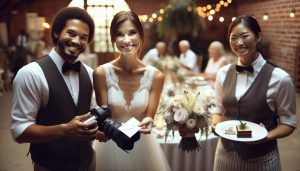
Officiating a wedding is a profound honor, allowing you to play a pivotal role in one of the most important days in a couple’s life. Whether you’re a friend or family member stepping into this cherished position, understanding the responsibilities and intricacies involved is essential. From grasping legal requirements to crafting heartfelt vows, this complete step-by-step guide for beginners will empower you with the knowledge to lead a beautiful ceremony that reflects the couple’s unique love story. As you navigate this exciting journey, you’ll find valuable insights and practical tips to ensure a smooth, memorable experience. Ready to create a magical moment that intertwines tradition with personal touches? Let’s dive in and discover how to officiate a wedding like a pro!
Understanding the Role of a Wedding Officiant

When it comes to officiating a wedding, the role of the officiant is both profound and multifaceted. An officiant isn’t merely a person who reads words; they are the voice that articulates the couple’s unique love story and commitment to one another in front of their loved ones. This central figure plays a crucial role in setting the tone and atmosphere of the ceremony, creating a meaningful experience that resonates with all in attendance. Every couple deserves an officiant who understands their vision and can help bring it to life.
A wedding officiant is responsible for several key duties, including ensuring that the ceremony flows smoothly, adhering to legal requirements, and personalizing the experience. They often begin their journey with the couple by engaging in conversations that help them understand the couple’s personalities, backgrounds, and relationship. This process not only fosters a deeper connection but also guides the officiant in crafting a ceremony that reflects the couple’s unique vision and values.
In addition to personalizing the ceremony, an officiant must also be familiar with the legal requirements associated with marriage in their jurisdiction. This includes understanding what is necessary to legally marry a couple, such as obtaining a marriage license and preparing the necessary documentation. Moreover, they often need to coordinate with other vendors-like wedding planners, photographers, and musicians-to ensure that the ceremony proceeds without a hitch and stays within the timeline established by the couple. Through effective communication and organization, an officiant can create a beautiful, seamless event that everyone will remember for years to come.
Essential Legal Requirements for Officiating a Wedding
To officiate a wedding, understanding the legal requirements in your jurisdiction is paramount. These laws exist to ensure that marriages are formalized and recognized by the state, making it essential for officiants to be knowledgeable and compliant. In Ontario, for instance, the first step is to be registered as a wedding officiant with the Office of the Registrar General. This registration is not just a formality; it empowers officiants to solemnize marriages legally.
Before the ceremony can take place, couples must acquire a marriage license, which is typically valid for 90 days. Obtaining this license requires specific documentation and may include proof of identity and the completion of forms, which is usually handled by the couple. As an officiant, being aware of these prerequisites ensures you can guide the couple through the process smoothly, alleviating potential stress during the planning stage.
Moreover, there are crucial documents to prepare and sign during the ceremony itself, including the marriage register. After the wedding, it’s your responsibility to ensure that this register, along with the couple’s marriage license, is properly completed and submitted to the relevant authorities. In Ontario, the officiant also needs to keep a copy of the register for their records. This bureaucracy might seem daunting, but being organized and knowledgeable about the steps involved can turn what might be a stressful process into a seamless experience for the couple and their guests.
Lastly, it’s important to stay informed about changes in marriage laws or local regulations, as these can vary not just by province but also by municipality. By positioning yourself as a reliable source of information, you enhance your role as a respected officiant and contribute to a positive wedding experience that honors the couple’s unique journey. Always approach these legal aspects with care and clarity to make the wedding day a joyful celebration, not a logistical challenge.
Crafting a Personalized Wedding Ceremony

Creating a personalized wedding ceremony is a beautiful way to celebrate the unique love story of a couple, allowing them to infuse their personalities, values, and experiences into their special day. A well-crafted ceremony reflects who they are as individuals and as a couple, making it memorable not just for them, but for their guests too. Start by connecting deeply with the couple to understand how they envision their day. Consider their journey together-what moments brought them closer? What values do they cherish?
Incorporate elements that resonate with their personalities. You might include anecdotes from their relationship, favorite quotes, or customs that are significant to them. For instance, if the couple shares a love for literature, incorporating passages from their favorite books can add a charming touch to the ceremony. Couples often appreciate the option to write their own vows, which allows them to express their heartfelt emotions directly to one another. Encourage them to be creative and genuine; it’s these authentic moments that will linger in the memories of everyone present.
Structure of the Ceremony
When crafting the ceremony, consider including these essential components:
- Welcome Address: A brief introduction to set the tone, welcoming guests and explaining the significance of the day.
- Story Sharing: A segment dedicated to narrating the couple’s love story-how they met, memorable moments, and what they love about each other.
- Readings: Inviting friends or family to share readings or passages that resonate with the couple can add warmth and intimacy.
- Vows: Personal vows thoughtfully expressed can be the most touching part of the ceremony.
- Ceremonial Acts: Include special traditions or rituals like unity candles, sand ceremonies, or cultural customs that reflect the couple’s heritage.
- Closing Remarks: A final blessing or encouragement for their journey ahead, celebrating the commitment they’ve made to one another.
Make sure to keep the flow of the ceremony smooth and cohesive. Practicing the ceremony beforehand can help everything run seamlessly on the big day. By putting in the effort to craft a personalized ceremony, you not only honor the couple’s love but also create a heartfelt experience that connects everyone present in a meaningful way. Each ceremony should feel unique and special, reflecting the beauty of the couple’s commitment as they embark on their new life together.
Choosing the Right Words: Vows and Readings

Choosing the right words for vows and readings is essential to creating a deeply personal and memorable wedding ceremony. The vows are the heartfelt promises that the couple makes to each other, encapsulating their commitment and love. They should feel authentic, reflecting each individual’s personality and their unique relationship. Encourage the couple to think about what matters most to them and how they want to express their feelings. This might involve sharing personal anecdotes, expressing their hopes for the future, or even including playful elements that illustrate their bond. If they’re unsure where to start, suggest they write down key moments or qualities that they cherish about each other, which can serve as inspiration.
Readings can add significant depth to the ceremony, allowing the voices of loved ones to be included in the couple’s special day. Whether it’s a poem, a passage from a book, or a meaningful quote, selecting readings that resonate with the couple’s journey can enhance the emotional atmosphere of the ceremony. Consider involving friends or family members in this part of the ceremony by inviting them to share a reading. This not only personalizes the experience but also fosters a sense of community and love amongst the guests. When choosing readings, highlight the importance of selecting pieces that reflect their values and beliefs, as these sentiments can echo throughout their relationship.
Practical Tips for Writing Vows
- Be Authentic: Use language that feels natural and true to the couple’s voice.
- Keep It Simple: Avoid overly complex phrases; authenticity often comes through simplicity.
- Make It Personal: Incorporate specific details about their relationship-memories, inside jokes, or future dreams.
- Practice: Encourage the couple to rehearse their vows to feel comfortable expressing them during the ceremony.
By assisting the couple in crafting their vows and selecting readings that are meaningful to them, you help create a ceremony that not only celebrates their love but also connects with everyone present. This thoughtful approach ensures that the ceremony feels rich and layered, honoring the couple’s journey and the community that supports them as they embark on this beautiful new chapter together.
Mastering the Art of Ceremony Coordination

The success of a wedding ceremony hinges on seamless coordination, ensuring that all components come together to create a memorable experience for both the couple and their guests. Mastering this art involves meticulous planning and clear communication, allowing the officiant to guide the event smoothly. As an officiant, it’s essential to be proactive, anticipate potential hiccups, and develop a flexible mindset, ready to adapt to any situation that might arise on the big day.
One critical aspect of ceremony coordination is establishing a detailed timeline. This timeline should outline the order of events, from the arrival of guests to the couple’s grand entrance, and all the way through to the final pronouncement. Collaborating with the couple, wedding planner, and key vendors will help ensure everyone is on the same page. Consider creating a checklist that includes all key details:
- Processional Order: Define who walks in and in what order, including family members and attendants.
- Ceremony Length: Discuss the desired duration with the couple to keep guests engaged.
- Rehearsal Schedule: Set aside time for a rehearsal, confirming the flow and addressing any last-minute adjustments.
- Vendor Contact List: Compile a list of essential contacts, including the florist, DJ, and photographer, for quick access if issues arise.
In addition to timing, effective communication is crucial. Briefing everyone involved in the ceremony-especially those participating-will help create a cohesive experience. This includes explaining their roles, ensuring that the music starts when it’s supposed to, and informing the wedding planner of any particular events during the ceremony that may require their attention, such as lighting candles or performing special rituals.
As the officiant, you will play a pivotal role in setting the tone of the ceremony. Your demeanor, pacing, and engagement level can significantly influence the mood. Practice your delivery and be aware of your surroundings, making eye contact with the audience to foster connection and warmth. By being present and attentive, you not only honor the couple’s love story but also enrich the overall guest experience, transforming their day into a grand celebration that resonates with joy and personal significance.
Tips for Engaging and Connecting with Guests
Creating a genuine connection with guests during a wedding ceremony is essential for fostering an inclusive and memorable experience. As the officiant, your role is not just to guide the couple through their vows, but also to engage the audience, making them feel a part of this significant moment. By infusing warmth and personal touches throughout the ceremony, you can ensure that guests leave with fond memories that resonate long after the event.
One effective way to engage guests is through storytelling. Sharing a brief anecdote about the couple-perhaps how they met or a charming experience they’ve shared-can create a sense of familiarity and intimacy. This personal touch brings the audience into the couple’s love story and reminds everyone of the joy that sparked this celebration. Additionally, consider encouraging audience participation in moments such as readings or group affirmations, which can further unify everyone present.
Another important element to consider is your delivery style. Maintaining eye contact and using an expressive tone can help to capture attention and foster a connection. Invite guests into the experience by occasionally addressing them directly; phrases like “Join us in celebrating this beautiful love” can make them feel more included. Tailoring your speech to reflect the atmosphere-be it formal or casual-can also enhance engagement. Practice varying your pacing and intonation to emphasize emotional moments, whether they are joyful or poignant.
Finally, incorporating visual cues can help maintain connection throughout the ceremony. Utilize gestures such as inviting guests to stand or sit at appropriate times to create a dynamic atmosphere. You might also include visual elements like photographs or decorations that symbolize the couple’s journey, enhancing the narrative and making the ceremony visually engaging. By immersing yourself in the moment and paying attention to the energy of the guests, you can create an experience that becomes not just a ceremony, but a heartfelt celebration shared by all.
Handling Common Challenges as an Officiant
Weddings can be unpredictable, and as an officiant, you may encounter a range of challenges that require quick thinking and flexibility. From technical issues to unexpected emotional outbursts, being prepared to handle these situations with grace and composure is key to ensuring a smooth ceremony.
One common challenge is dealing with last-minute changes, such as a different venue or a change in the order of events. To navigate this, maintain a checklist that outlines the ceremony structure and any special components, ensuring you have flexibility built into your plan. It can also be helpful to establish a reliable line of communication with the couple and the wedding planner or coordinator, so everyone is on the same page. Always have a physical copy of the ceremony script on hand, in case technology fails. A printed script can be a lifesaver if you find yourself without access to a digital device.
Another potential hurdle may arise if someone in the wedding party, such as a family member, becomes emotional during the ceremony. It’s not uncommon for loved ones to become overwhelmed with feelings. As the officiant, it’s important to remain calm and address the situation gently. If someone needs a moment, you might choose to pause the ceremony briefly, invite the couple to comfort their loved one, and continue once everyone is ready. Remember to be empathetic, yet firm, guiding the flow back into the celebratory nature of the occasion.
Weather can also pose challenges, especially for outdoor weddings. Always have a contingency plan in place, whether it’s an alternative indoor location or provisions for shade and shelter against rain. If the weather does shift unexpectedly, reassure the couple and the guests that love triumphs over challenges, which can shift everyone’s focus back to the joy of the union.
Finally, be prepared for moments of spontaneity, such as guests participating in unexpected ways. Embrace these occurrences; a child running down the aisle or a heartfelt laughter from an emotional family member can add a unique charm to the ceremony. Maintaining a light-hearted demeanor during these moments allows everyone to share in the joy and spontaneity of the day.
By anticipating these challenges and preparing for them with calmness and empathy, you’ll ensure that the focus remains on the couple’s love and the joy of the occasion, creating a memorable experience for everyone involved.
Incorporating Cultural and Religious Traditions
When officiating a wedding, embracing the rich tapestry of cultural and religious traditions can add meaningful depth and authenticity to the ceremony. Many couples today seamlessly blend different customs to create a unique celebration that honors their backgrounds, values, and the love they share. Understanding and incorporating these traditions requires thoughtful communication with the couple and a willingness to learn about various practices that may be significant to them.
One essential step in this process is conducting open discussions with the couple about their cultural backgrounds and any specific rituals they wish to include. For example, a Hindu couple may want to incorporate a ‘knot-tying’ ceremony, where the couple is symbolically bound together, while Jewish couples might look for the signing of the ‘ketubah’ or ketubah, a traditional marriage contract that states their commitment to each other. Including these elements not only honors their heritage but also creates a personal touch to the ceremony. It’s also invaluable to research these traditions ahead of time to understand their significance, which adds another layer of respect and meaning when officiating.
In many cultures, certain rituals are integral to the ceremony and serve to bless the marriage or engage the families. For instance, in a traditional Chinese tea ceremony, the couple serves tea to their parents as a sign of respect, symbolizing their joining of families. Incorporating such rituals can enhance the overall experience and resonate deeply with family members present, making the moment memorable for everyone involved. Engage with the couple to ensure you know the key components they wish to highlight and what order these elements should occur during the ceremony.
Lastly, remain flexible and adaptable, ready to accommodate any last-minute changes that might arise due to cultural specifics. For instance, if a particular religious reading or blessing needs to be added or changed to better reflect the couple’s beliefs, be prepared to incorporate these elements smoothly into the ceremony. This adaptability not only demonstrates your commitment to honoring their wishes but also showcases your ability to create a loving and connected atmosphere, allowing the couple to express their love in a way that feels most authentic to them. By honoring cultural and religious traditions thoughtfully, you help create a celebration that transcends the ordinary, turning their special day into a beautifully unique experience.
Planning for Pre-Wedding Rehearsals
Planning a wedding rehearsal can be just as important as the ceremony itself. This is the opportunity for everyone involved to familiarize themselves with the timeline, roles, and expectations, ensuring a smooth and enjoyable experience on the big day. By organizing a well-structured rehearsal, you can help alleviate any pre-wedding jitters for the couple and their families, paving the way for a memorable celebration.
To begin, coordinate a date and time for the rehearsal. Ideally, this should take place one to two days before the wedding to keep everything fresh in everyone’s minds. Gather all key participants-this usually includes the couple, the wedding party, parents, and anyone else involved in the ceremony such as musicians or readers. Make sure to communicate the schedule ahead of time so everyone can plan accordingly and arrive punctually.
During the rehearsal, walk through the ceremony step-by-step. This typically involves:
- Arrival and Seating: Guide the wedding party on where to enter and where to stand.
- Ceremony Processional: Practice the order of entry for the bridal party, couples, and any additional participants.
- Vows and Ring Exchange: Ensure that the couple knows where to stand and practice the exchange of vows and rings.
- Recessional: Review how everyone exits the ceremony and where to gather afterward.
Use this time to address any last-minute questions or concerns and encourage open communication. It’s crucial that everyone feels comfortable and confident in their roles, which directly contributes to the overall ambiance of the wedding day. Make your rehearsal an engaging experience by inserting light-hearted moments and positive reinforcement, reminding everyone of the joyous occasion they are there to celebrate.
Finally, consider the environment. If the venue allows, do a physical walk-through of the space where the ceremony will take place. This will not only help participants visualize the setting but also get a feel for any potential logistical challenges. By the end of the rehearsal, aim for a light atmosphere full of excitement-celebrate the coming union, build rapport among guests, and ensure that everyone leaves feeling prepared and enthusiastic for the wedding day ahead.
Post-Ceremony Responsibilities and Best Practices
After the ceremony concludes, the role of the officiant transitions from guide and leader to supporter and organizer, ensuring that the newlyweds can fully immerse themselves in their celebration. One of the primary post-ceremony responsibilities is the handling of the marriage license. As the officiant, you must sign the document along with the witnesses during the ceremony and ensure that it is filed appropriately afterwards. This might involve mailing it to the relevant government office or delivering it in person, depending on local requirements. Be sure to familiarize yourself with these legal obligations in advance to avoid any post-wedding complications.
In addition to the legalities, it’s essential to help keep the atmosphere celebratory and joyous for the couple and their guests. Take a moment to gather everyone for a few candid photographs-this is a wonderful opportunity for the newlyweds to enjoy their first moments as a married couple surrounded by family and friends. You can assist in coordinating family portraits, ensuring that key players are present without feeling rushed.
Another vital aspect of your role post-ceremony involves checking in with the couple. Ask if they need assistance with any immediate tasks such as managing guest transportation or addressing unexpected details. This demonstrates your commitment to helping their day run smoothly well after the vows have been exchanged.
Furthermore, consider offering a thoughtful follow-up, such as sending a personalized message or a small keepsake that conveys your thoughts and wishes for their future together. This helps to create a lasting connection and marks the beginning of their married life positively. Celebrating love and the joining of two families is a monumental occasion, and as the officiant, you play a crucial part in making it not only official but also memorable. By being organized, supportive, and attentive, you enhance the entire experience for the couple and their loved ones.
Exploring Popular Wedding Officiant Styles
Choosing the right officiant for a wedding can significantly impact the overall experience and atmosphere of the ceremony. Each officiant brings their own unique style, beliefs, and approach to the proceedings, ensuring that the celebration reflects the couple’s personality and vision. Understanding the various wedding officiant styles can empower couples to make informed choices that resonate with their values and preferences.
Types of Wedding Officiants
- Religious Officiants: Often affiliated with a specific faith or denomination, religious officiants conduct ceremonies that adhere to religious customs and rites. This style may include traditional prayers, scripture readings, and rituals that hold spiritual significance for the couple. For example, a priest may incorporate communion into a Christian wedding, emphasizing the sacred nature of the union.
- Civil Officiants: These officiants operate outside of religious parameters, conducting secular ceremonies that focus on the personal commitment of the couple rather than religious doctrines. They are often judges, mayors, or professional civil celebrants who craft services that are inclusive and reflective of various beliefs. Civil ceremonies can be customized to include personal stories and vows that are meaningful to the couple.
- Non-Denominational Officiants: This style appeals to couples who value spirituality without being tied to a specific religious framework. Non-denominational officiants are typically ordained ministers who allow for flexibility in terms of beliefs and ceremony structure, focusing on the love and commitment between the couple.
- Destination Wedding Officiants: Popular for couples looking to tie the knot in exotic locations, these officiants specialize in making ceremonies memorable against stunning backdrops. They understand local customs, legal requirements, and provide guidance to ensure everything runs smoothly in unfamiliar settings.
How to Choose the Right Officiant
When selecting an officiant, it’s essential to reflect on what matters most in your wedding. Consider the following factors:
- Personal Connection: An officiant should be someone you feel comfortable with, as they will help set the tone for the entire ceremony.
- Experience and Style: Look for an officiant whose style aligns with your vision and has experience in conducting weddings similar to yours.
- Flexibility: An officiant who is willing to co-create a custom ceremony that reflects both of your personalities and preferences can enhance your special day.
- Legal Requirements: Ensure that the officiant is authorized to perform marriages in your state or country, especially important for destination weddings.
Selecting an officiant can be a delightful part of your wedding journey. Ultimately, the right choice will create a meaningful and memorable ceremony that celebrates your love story and the unique bond you share.
Building Your Officiant Portfolio and Branding
Creating a compelling portfolio and effective branding as a wedding officiant is essential for standing out in this competitive field. A well-crafted portfolio not only showcases your unique style but also demonstrates your ability to connect with couples and create memorable ceremonies tailored to their love stories. Potential clients often look for a blend of professionalism and personal touch, making it crucial to present yourself authentically.
Start by including various elements in your portfolio that highlight your versatility and approachability. This can include a gallery of photographs from past ceremonies, excerpts from personalized scripts, and testimonials from happy couples. Visual storytelling is powerful; consider incorporating engaging video clips that capture your ceremonies in action, showcasing your charisma and the emotional atmosphere you foster as an officiant. Ensure that these elements reflect different wedding styles and cultures, underscoring your adaptability and respect for diverse traditions.
Another vital aspect of building your brand is defining a clear and engaging presence across multiple platforms. Maintain an informative website that not only contains your portfolio but also features a blog where you share insights on wedding planning, common officiating questions, and tips for couples to enhance their ceremonies. Additionally, utilize social media to share highlights from past weddings, engage with followers, and create a community around your services. Collaborating with photographers and other wedding vendors can bring mutual visibility; cross-promote each other’s work to broaden your reach.
Lastly, consider the importance of personal branding through consistent messaging and tone across all your materials. Use language that resonates with your target audience, whether they seek a joyful, humorous, or deeply spiritual ceremony. Craft a mission statement that encapsulates your philosophy as an officiant and your commitment to honoring each couple’s unique journey. This clarity will help potential clients feel a connection to you, making them more likely to choose you as their officiant.
By thoughtfully curating your portfolio, establishing an engaging online presence, and reinforcing a cohesive brand, you will not only attract couples but also create lasting impressions that turn into cherished memories for all involved.
Frequently Asked Questions
Q: What qualifications do I need to officiate a wedding?
A: To officiate a wedding, you generally need to be legally recognized, which varies by state or country. Most commonly, you need to be an ordained minister, a judge, or have special permission from a local government. Check your local laws for specific requirements.
Q: How do I write a wedding ceremony script?
A: Writing a wedding ceremony script involves structuring the event, including welcoming the guests, sharing the couple’s love story, and outlining key components like vows and ring exchanges. Personalizing the script with anecdotes enhances its emotional impact. Refer to your article’s section on “Crafting a Personalized Wedding Ceremony” for more details.
Q: When should I meet with the couple before the wedding?
A: Meeting with the couple at least two to three months before the wedding is ideal. This time can be used to discuss their vision, address any concerns, and finalize details about the ceremony. Regular check-ins help ensure everything goes smoothly.
Q: How can I make the ceremony more personal and engaging?
A: To personalize the ceremony, incorporate unique readings, music, or rituals that reflect the couple’s journey. Engaging with guests through eye contact and a warm tone can also enhance the experience. Explore “Tips for Engaging and Connecting with Guests” in your article for more strategies.
Q: What should I do if there are ceremony disruptions?
A: Staying calm is key during disruptions. Have a plan for common issues, such as microphone problems or emotional moments. Address disruptions with humor or empathy to maintain a positive atmosphere. Refer to your section on “Handling Common Challenges as an Officiant” for further tips.
Q: How do cultural traditions impact the officiating process?
A: Cultural traditions can significantly shape the officiating process, requiring you to adapt the ceremony to respect and include specific rituals. Familiarize yourself with these traditions by consulting with the couple beforehand to ensure an inclusive ceremony.
Q: What are the legal responsibilities after officiating a wedding?
A: After officiating, you must ensure that the marriage license is signed and returned to the appropriate authority as required by law. It’s advisable to review local regulations to avoid any legal issues. Check “Post-Ceremony Responsibilities and Best Practices” in your article for more details.
Q: How can I build a wedding officiant portfolio?
A: Building a wedding officiant portfolio entails collecting testimonials, photos, and videos of ceremonies you’ve officiated. Highlight unique styles and personal touches that resonate with potential clients. Explore “Building Your Officiant Portfolio and Branding” in your article for more guidance.
The Conclusion
Congratulations on taking the first steps to officiating a wedding! You’ve learned essential strategies and insights that will not only help you guide couples on their special day but also create a memorable ceremony that resonates with love and joy. Ready to dive deeper? Explore our resources on budget planning and cultural wedding traditions to ensure every detail is covered.
Don’t hesitate-put your newfound knowledge to work and help couples celebrate their love story uniquely. For more expert advice on becoming a sought-after officiant, check out our guide on wedding ceremony components. Share your thoughts and experiences in the comments; we’d love to hear how your officiating journey unfolds! Join our newsletter for regular tips and updates to keep you inspired. Let’s make every wedding a celebration to remember!