When planning your dream wedding, understanding the wedding processional is essential for setting the perfect tone. This ceremonial walk marks a significant moment, guiding your loved ones to their seats, while you make your entrance. The order, music choices, and timing can greatly influence the atmosphere, ensuring that emotions run high and hearts are full when vows are exchanged. As you embark on this exciting journey, knowing how to orchestrate the processional can alleviate stress and enhance the beauty of your ceremony. Whether you’re honoring traditional customs or adding personal touches, this guide will equip you with valuable insights to create a memorable experience for you and your guests. Dive in to discover how to make your wedding processional truly unforgettable!
Understanding the Wedding Processional: A Key Moment Explained
The wedding processional is a cherished moment that sets the tone for your ceremony, signaling the transition from anticipation to celebration. As the music begins to play, guests rise in recognition, and all eyes are captivated by the beautiful procession unfolding before them. This segment not only marks the couple’s entrance but also embodies the emotional weight of love and commitment-making it an essential part of the wedding experience. Understanding the significance of this moment enhances its overall impact, allowing you and your guests to savor the emotions involved in this pivotal life event.
When planning your wedding processional, it’s important to consider the different participants involved. Traditionally, family members and the wedding party play key roles, often beginning with parents, followed by bridesmaids and groomsmen, and culminating with the couple’s entrance. Each participant carries a significance that speaks to your unique story, so think about who you want to include. For example, some couples choose to honor grandparents or include children in their wedding party. This not only personalizes the experience but also fosters connections among family and friends.
In terms of planning, collaborative efforts streamline the processional’s logistics. Communicating with your officiant and any other vendors ensures everyone is aware of the sequence and timing, minimizing the potential for hiccups on the day. Consider holding a rehearsal to practice the order of entry and music cues, so everyone feels confident and prepared. This practice helps to alleviate nerves, ensuring that the moment unfolds seamlessly and joyfully-a perfect representation of the love you are celebrating together.
Overall, embracing the beauty of the wedding processional allows you to create a moment that resonates not just for you, but for everyone present. The emotions stirred by this entrance, nourished by your decisions about participants and music, will be remembered long after the celebration concludes, encapsulating the joy and love that your wedding day represents.
The Order of the Wedding Processional: Step-by-Step Guide

Planning the order of your wedding processional is a vital part of creating a meaningful ceremony. It’s not just about who walks in when, but about celebrating relationships and making memories that last a lifetime. The atmosphere shifts as guests turn their attention to the procession, and the right structure can set the mood for the entire event. Here’s a step-by-step guide to help you craft a processional that honors tradition while reflecting your personal love story.
To start, it’s essential to decide on the participants in your wedding processional. Typically, the order includes several key individuals:
- Parents of the Bride and Groom: Often the processional starts with the mother of the bride followed by the father escorting her, then the groom’s parents.
- Bridal Party: Next, include bridesmaids and groomsmen. They can walk in pairs or staggered based on your preference.
- The Flower Girl and Ring Bearer: If children are involved, they usually follow the bridal party, adding a sweet touch to the procession.
- The Bride: Traditionally, the bride makes her grand entrance last, escorted by her father or another significant figure.
This traditional order can be customized to suite your unique narrative. For instance, if you have close family members or friends that you wish to honor, including them in the processional can add a special touch. Some couples opt for a co-ed bridal party or may choose to have both parents walk them down the aisle.
From Planning to Practice
Effective communication with your officiant and any involved vendors is also critical to achieving a smooth processional. Discuss your plan well in advance, ensuring everyone understands the order and timing. To alleviate any last-minute nerves, consider organizing a rehearsal. This can significantly enhance the confidence of all participants, making sure they know where to stand and what to expect as the music cues them to walk.
Visualize the ambiance you’d like to create. Remember, while it’s important to adhere to the processional order, maintaining your personal style is key. Consider how your choices regarding attire, flower arrangements, and even the type of ceremony backdrop will contribute to the overall aesthetic. As you map out this moment, keep in mind that the emotions it evokes will contribute significantly to the day’s overall joy. Embrace the excitement of this journey, and remember that the most important aspect is to celebrate your love in a way that feels true to you both.
Choosing the Perfect Music for Your Wedding Processional

Choosing the right music for your wedding processional can elevate the emotional impact of this key moment, transforming an ordinary walk down the aisle into a deeply personal and memorable experience. The music sets the tone, creates the ambiance, and enhances the atmosphere for both the couple and their guests, making it essential to select a score that resonates with your unique love story.
When considering your options, think about what styles of music reflect your personalities and relationship. This could range from classical pieces like Pachelbel’s “Canon in D” or Wagner’s “Bridal Chorus” to contemporary songs that hold special meaning, such as your favorite indie bands or unique soundtracks. However, it’s important to balance personal preference with the overall vibe of the ceremony; music that is too upbeat or casual might clash with a traditional setting. Here are some steps to help you decide:
- Reflect on Meaning: Choose music that symbolizes an important moment in your relationship or evokes strong feelings. It could be a song that played during your first date or one that aligns with shared values.
- Consider the Venue: The acoustics of your ceremony space can impact how music sounds. Test out a few pieces in the actual space, if possible, or consult with your musicians about what works best.
- Length Matters: Ensure the music matches the processional’s timing. Typically, this involves a few minutes of music; avoid songs with lengthy introductions that might keep guests waiting.
A prominent trend among couples today is personalizing the processional with live musicians. Hiring a string quartet, acoustic guitarist, or even a unique ensemble can offer an extra layer of magic and intimacy. Conversely, if you prefer a playlist, consider using portable speakers that blend seamlessly into the décor but still deliver quality sound.
Ultimately, the key is to enjoy the process of exploring different musical selections. Whether you embrace tradition or opt for a modern twist, your chosen soundtrack will not only guide you down the aisle but will also echo the joyous sentiment of your wedding day for years to come.
Timing Your Wedding Processional: Essential Tips and Tricks

The processional is one of the most poignant moments of your wedding day, creating an atmosphere of anticipation and joy. Proper timing is vital to ensuring that this moment unfolds seamlessly and beautifully. Managing the timing of the processional involves careful coordination between various factors, including the flow of the ceremony, the arrival of guests, and, importantly, the duration of your selected processional music.
To effectively time your wedding processional, consider these essential tips:
- Set a Clear Schedule: Establish a timeline for your ceremony that includes when guests will be seated, when the musicians will start playing, and when the wedding party will begin their entrance. This schedule should be shared with your officiant and vendors to ensure everyone is synchronized.
- Rehearse the Processional: Organize a rehearsal that includes all participants in the processional, such as parents, attendants, and the couple themselves. This practice will help everyone understand their timing and position, reducing potential nervousness on the big day.
- Choose Appropriate Music Length: Select processional music that is the right length for your entrance. Typically, this means choosing a piece that lasts about two to three minutes. Variants like instrumental interpretations or edited versions of songs can help match the desired duration while maintaining emotional impact.
- Account for Venue Acoustics: If you’re hosting your ceremony in a large or echo-filled venue, sound may carry differently than anticipated. During the rehearsal, listen to how the music sounds in that specific space and adjust your timing if necessary, ensuring that musicians and entrances align smoothly with the music.
- Be Mindful of Special Moments: If you plan to include special elements, such as flower girls or ring bearers, make sure their entrances are timed correctly with the music. These moments add charm, so give them adequate preparation time while coordinating with the overall processional flow.
Preparing for the timing of your wedding processional not only helps eliminate stress but also allows you to focus on the heartfelt emotions of the day. With thoughtful planning, you can ensure that this critical moment will be a beautiful beginning to your long-awaited celebration.
Traditional vs. Modern Processional Styles: What’s Right for You?
Exploring the differences between traditional and modern wedding processionals can be an exciting journey for couples as they decide which style resonates with their vision for the big day. Traditional processional styles often follow a set order and carry cultural significance, making them a cherished choice for many. Typically, this involves the bridal party entering in a specific sequence, culminating in the bride’s grand entrance, often to classical or instrumental music that enhances the solemnity and beauty of the moment. For couples who value heritage and symbolism, the traditional aisle walk brings a sense of continuity and celebration of family values.
Conversely, modern processional styles allow for greater customization and personal expression. Couples are increasingly opting to create unique, memorable experiences that reflect their personalities, preferences, and even shared interests. This could mean altering the order of entrance, incorporating unexpected participants like pets or children, or even choosing contemporary music that might hold special significance to the couple. For example, a couple might choose a favorite song from a beloved movie as their processional music or arrange a comedic entrance that sets a light-hearted tone for the ceremony.
When considering which style suits you best, think about the atmosphere you want to create and how you wish to express your relationship’s story. Here are some elements to consider:
- Cultural and Family Traditions: If honoring cultural practices is important to you, a traditional processional may be the right fit. Discuss with family members or cultural advisors about key elements to include.
- Personal Style: Reflect on your tastes as a couple. Do you envision a formal affair that aligns with traditional routes, or do you prefer an eclectic, playful vibe?
- Music Selection: The type of music is central to the processional. Classical pieces often suit traditional weddings, while modern couples might gain inspiration from various genres, including pop, rock, or even instrumental versions of popular songs.
- Guest Experience: Consider the type of experience you want your guests to have. Traditional processions can be awe-inspiring, whereas modern options might bring excitement and a sense of intimacy.
Ultimately, the choice between traditional and modern processional styles rests with you as a couple. Embrace the aspects that resonate most with you to create a beautiful and heartfelt moment that sets the tone for your wedding celebration. The processional is just the beginning of your journey together, and whatever style you choose, it should feel authentic and true to your love story.
Tips for Coordinating the Wedding Processional with Vendors
Successfully coordinating the wedding processional with your vendors can elevate this pivotal moment, ensuring everything unfolds seamlessly. The processional sets the tone for the ceremony and involves several moving parts, making communication and planning vital. Start by creating a detailed timeline that outlines every segment of the processional, from the prelude music to the grand entrance of the couple. Share this timeline with all relevant vendors-such as the venue coordinator, musicians, and photographer-to ensure everyone is on the same page.
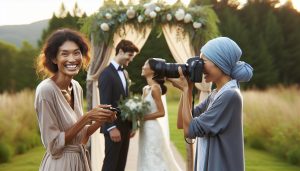
One of the most effective strategies is to conduct a pre-wedding meeting with key vendors. Discuss the order of your processional, music cues, and the timing of when each member of the bridal party should enter. If you have a band or DJ, ensure they know the specific songs for each part of the processional and confirm what role they’ll play in signaling transitions. For photographers, clarify where they should be positioned to capture those intimate moments without being intrusive. Consider providing them with a shot list, highlighting specific parts of the processional you want documented, like the reactions of guests or special interactions between family members.
Additionally, a walk-through rehearsal before the wedding day is essential. This allows everyone involved-couples, bridal party, and vendors-to familiarize themselves with the space and timing. During this rehearsal, practice not just the order of entry but also any special elements you have planned, such as lighting changes or synchronized music. This will help identify potential hiccups, allowing ample time to address anything that might disrupt the flow of the processional.
Communication doesn’t end with the rehearsal. Keep an open line with your vendors, encouraging them to share any concerns or suggestions they may have. A collaborative approach fosters creativity and enhances the experience for both you and your guests. Celebrate every detail as you work with your vendors; after all, the goal is to create a meaningful moment that resonates with your love story and leaves a lasting impression on everyone present.
Customizing Your Wedding Processional: Personal Touch Ideas
Customizing your wedding processional is an opportunity to infuse your unique style and personality into the ceremony, creating a memorable experience for both you and your guests. The processional is not just a march down the aisle; it’s a moment that reflects your love story, setting the tone for the entire celebration. By personalizing this segment, you can ensure that it resonates with your values and traditions, making it feel even more meaningful.
One of the simplest yet most impactful ways to add a personal touch is through music selection. Think beyond the traditional wedding marches and consider songs that hold special significance for you as a couple. Whether it’s the track that played during your first dance or a song that represents a shared memory, choosing music that reflects your journey together can make your processional truly unique. You might even explore live performances, such as a string quartet or a soloist, to provide a more intimate atmosphere.
Including family and friends in your processional can also enhance its significance. Involve loved ones by having them walk down the aisle in pairs or as part of the entourage; this not only honors your relationships but also creates a more communal spirit during the ceremony. If you have children-be it your children or those of close friends-consider having them participate as flower girls or ring bearers, emphasizing the importance of family ties. Another option is to have a special tribute during the processional, such as a moment of silence for loved ones who can’t be present, which can make the occasion feel even more poignant.
Lastly, think about the visual aspects of your processional. This could include custom signage that reflects your wedding theme or style, unique entryways adorned with personal mementos, or even coordinating the bridal party’s attire to reflect your color palette and aesthetic. Incorporating cultural traditions, such as handfasting or a unity ceremony within the processional, can also allow for a richer, more encompassing experience. By integrating these personal touches, you’re not just walking down the aisle; you’re telling your story and celebrating the love that brought everyone together.
Cultural Variations in Wedding Processionals: A Global Perspective
When planning a wedding processional, it’s fascinating to explore how different cultures celebrate this moment with distinctive rituals and practices. Each tradition brings its own flavor and significance, highlighting the diverse ways people honor love and commitment globally. Understanding these cultural variations can inspire couples to integrate unique elements that resonate with their values and heritage, making their ceremony even more memorable.
In many Western cultures, the processional typically begins with the bridal party followed by the bride, often accompanied by a parent or significant family member. In contrast, traditional Hindu weddings feature a vibrant and festive procession known as the Baraat, where the groom travels to the wedding venue accompanied by family and friends, often dancing to lively music. This joyful celebration sets a lively tone for the ceremony, highlighting the communal aspect of the event.
For couples drawn to Asian traditions, a Chinese wedding may include the Groom’s Procession, where the groom and his entourage go to the bride’s home to “fetch” her after a series of playful challenges set by the bridesmaids. This not only adds a layer of fun but also emphasizes the importance of family and community involvement. Likewise, in African traditions, processions often embrace rhythmic drumming and dancing, with participants wearing colorful garments that symbolize their heritage and connection to family.
Incorporating these diverse elements into your wedding processional can be an opportunity to pay homage to your personal history or cultural background. Here are a few ideas to consider:
- Music Selection: Choose songs that reflect your cultural heritage or favorites from significant moments in your relationship.
- Attire Choices: Incorporate traditional dress elements, whether through your wedding outfits or the bridal party’s attire, to signify cultural pride.
- Involve Family: Embrace traditions like a family procession or ceremonial dance that invite loved ones to participate actively in the celebration.
By acknowledging and integrating cultural variations in your wedding processional, you create a richer narrative that not only tells your love story but also honors the diverse traditions that shape our experiences. This thoughtful approach can foster both inclusivity and a deeper connection to your heritage, making your wedding day that much more special.
How to Involve Family and Friends in Your Wedding Processional
Involving your family and friends in the wedding processional can create unforgettable moments that highlight your relationships while enriching the significance of your ceremony. This special time not only marks your entrance into a new chapter but also celebrates the love and support surrounding you. With careful planning, you can weave your loved ones into this meaningful experience, ensuring that everyone feels included and valued.
One of the most popular ways to involve family and friends is by assigning specific roles during the processional. Consider including close relatives as ushers, bridesmaids, or groomsmen, as this allows them to participate actively in the ceremony. You may also choose to have family members escort the wedding party down the aisle, emphasizing the honor of their presence. If your parents or grandparents have strong bonds with the couple, inviting them to walk you down the aisle or share a special moment during the processional can be a heartfelt gesture that evokes emotion.
Cultural traditions can provide fantastic inspiration for involving family and friends. For instance, in certain cultures, it is customary for families to partake in a procession of their own, showcasing their heritage and unity. You can adapt these traditions to suit your unique story. Additionally, consider creating a family procession where family members walk together before the bride or groom enters. This not only unifies the family unit but also symbolizes their support as you embark on your new journey.
Another creative way to involve loved ones is by encouraging participation through music. You might ask a family member to perform a meaningful song during the processional, enhancing the emotional atmosphere and allowing them to showcase their talent. This personal touch not only adds a significant layer to your ceremony but also makes your loved ones feel appreciated.
Ultimately, finding ways to include family and friends in your wedding processional emphasizes the communal aspect of this life event. Whether through specific roles, cultural elements, or shared music, your loved ones’ involvement will create cherished memories and amplify the celebration of love, making your day truly unforgettable.
Common Mistakes to Avoid During the Wedding Processional
Planning the wedding processional can be filled with excitement, but there are common pitfalls that can turn a beautiful moment into a stressful experience. By being aware of these mistakes, you can ensure that your ceremony flows seamlessly, allowing you to focus on celebrating your love.
One significant mistake is underestimating the importance of timing. The processional sets the tone for the entire ceremony, and rushing through it can diminish its impact. Make sure to practice the timing of each individual’s walk down the aisle, ensuring everyone feels comfortable and knows when to start. Allow for pauses or moments to soak in the atmosphere, especially as the bride makes her entrance. Overlooking this can lead to a disorganized feeling, rather than one filled with emotion and joy.
Another common error is neglecting to communicate with your vendors, especially the musicians and photographer. Ensure that your musician knows the exact order of the processional and the cues for when to start playing. A well-timed song can elevate the emotional weight of the moment, while a miscommunication can lead to awkward pauses. Likewise, inform your photographer of any special moments you want captured, as they might not be aware of family dynamics or significant cultural practices that warrant additional attention.
Lastly, it’s essential to consider seating arrangements and the flow of guests. Failing to account for how attendees will be seated can create awkward moments as family members clamor to find their seats or, worse, miss their cue in the processional. Providing clear instructions or a designated usher can help ensure that everything runs smoothly, allowing couples and their loved ones to enjoy the moment without unnecessary stress.
By being mindful of these potential pitfalls, you set the stage for a beautifully orchestrated processional that honors your love story and celebrates the community that supports you.
Creating a Rehearsal Plan for Your Wedding Processional
The wedding processional is not just a walk down the aisle; it’s a cherished moment that frames the entire ceremony, conveying emotions that resonate with everyone present. To ensure that this significant event unfolds smoothly, creating a detailed rehearsal plan is essential. Proper preparation can help minimize any last-minute surprises, allowing the actual day to flow harmoniously.
Start by gathering everyone involved in the processional-attendants, family members, and officiants-for a comprehensive rehearsal. If possible, conduct this rehearsal at the same venue where the ceremony will take place. This familiarity helps everyone visualize the ceremony flow and become comfortable with the space. Establish a clear order of who will enter and when. This is vital for coordinating not only the individuals involved but also for ensuring that the music cues align beautifully with the movements.
During the rehearsal, practice walking the aisle as if it were the big day. Use props like bouquets or rings to simulate the actual walking experience. This helps participants find their pacing and timing while reducing any anxiety about their roles. Make note of any adjustments to seating arrangements or entry points that may be necessary based on how the rehearsal proceeds. It’s also beneficial to designate a trusted friend or family member to oversee logistics on the wedding day, ensuring that everything adheres to the plan.
It’s equally important to communicate clearly with your musician about the timing and cues for starting the music. Make sure to rehearse the music selection so that everyone understands how the rhythm influences the processional pace. This coordination enhances the emotional impact of the moment itself, making it even more memorable. A well-organized rehearsal is all about refining the details-take this time to watch for any potential pitfalls and address them ahead of your wedding day to make the experience as stress-free as possible. By embracing this preparation, you not only ease concerns but also celebrate this joyous occasion with confidence and love.
Capturing the Moment: Photography Tips for the Processional
The wedding processional is a breathtaking moment filled with emotion, making it a perfect opportunity for stunning photography. Capturing the beauty and significance of this event requires thoughtful planning and communication between couples and their photographers. To get the best results, ensure the photographer understands your vision while being mindful of the ceremony’s flow and the various participants involved.
Begin by discussing key moments with your photographer in advance, such as the arrival of the wedding party and the bride or groom’s entrance. Share any specific shots or styles you appreciate to guide the photographer’s approach. For instance, if you envision candid shots of family members as they react to the couple, let the photographer know to stay alert and poised for spontaneous moments.
Utilize the practice rehearsal to your advantage by allowing the photographer to see the venue layout and plan their positioning. This helps establish ideal vantage points for capturing different angles without obstructing guests’ views. Encourage them to roam, capturing the processional from diverse perspectives-wide-angle shots that encompass the entire aisle and close-ups that highlight expressions of joy, anticipation, and love.
Photographers should also be aware of timing and cues associated with the music, as these often dictate the pace of the processional. Ensuring they are in sync with the flow will help them anticipate key moments, enabling them to snap that critical shot as you take your first steps down the aisle. Lastly, consider scheduling a pre-wedding shoot to establish comfort with your photographer, creating a more relaxed atmosphere that translates into naturally beautiful images during the processional. By approaching your wedding photography with thoughtful preparation, you can capture not just images, but the very essence of your wedding day’s joy and emotion.
Q&A
Q: What is the role of the wedding processional in the ceremony?
A: The wedding processional is a significant moment that marks the beginning of the ceremony. It involves the entrance of the wedding party, leading to the bride, creating an emotional atmosphere and setting the tone for the entire event. For more details, check out our section on understanding the processional.
Q: How long should a wedding processional last?
A: A wedding processional typically lasts between 1 to 3 minutes, depending on the number of participants and the chosen music. It’s important to ensure the timing aligns with the music to create a smooth entrance. Refer to our timing guide for more comprehensive tips.
Q: Can I use non-traditional music for my wedding processional?
A: Yes, using non-traditional music for your wedding processional is a great way to personalize your ceremony. Whether it’s a favorite song or a unique instrumental piece, make sure it resonates with you as a couple. Explore our section on choosing the perfect music for ideas.
Q: What should I consider when planning the order of the wedding processional?
A: When planning the order, consider relationships, the significance of participants, and the overall flow of the ceremony. It’s essential to discuss your order with a wedding planner or coordinator to ensure everything is executed smoothly. Check our step-by-step guide for more insights.
Q: How do cultural variations affect the wedding processional?
A: Cultural variations can significantly influence the wedding processional’s style, order, and music. Different cultures have unique traditions that may dictate how the procession is conducted, so it’s essential to honor these customs while personalizing your ceremony. Learn more in our section on cultural variations.
Q: What are common mistakes to avoid during the wedding processional?
A: Common mistakes include poor timing, lack of communication with vendors, and not rehearsing the processional. To avoid these pitfalls, create a detailed plan and hold a rehearsal before the ceremony. Our article on common mistakes to avoid offers more detailed advice.
Q: How can I involve family members in my wedding processional?
A: Involving family members can be done by assigning them specific roles, such as escorting certain participants or taking part in readings. Personal touches can enhance the significance of the procession, making it a memorable moment for everyone involved. Check out our tips on involving family and friends.
Q: What is the best way to rehearse the wedding processional?
A: The best way to rehearse the wedding processional is to schedule a full practice with all participants before the wedding day. This ensures everyone is familiar with their roles and the timing, reducing anxiety and confusion on the big day. Our article on creating a rehearsal plan provides a useful framework.
Future Outlook
Understanding the wedding processional is key to crafting a memorable ceremony, from selecting the perfect music to timing your entrances with precision. By organizing these details, you create an atmosphere that reflects your unique love story. Ready to take your planning a step further? Explore our wedding planning checklist to ensure no detail goes unnoticed, and check out our guide on choosing the right venue for your dream day.
Don’t hesitate to dive deeper-consider signing up for our newsletter for the latest tips and trends, or consult our expert articles on reception planning and budget management. With so many resources available, navigating your wedding preparations can be both enjoyable and stress-free. Share your thoughts in the comments below-we’d love to hear how your processional planning is going and any challenges you’re facing! Your perfect wedding awaits!