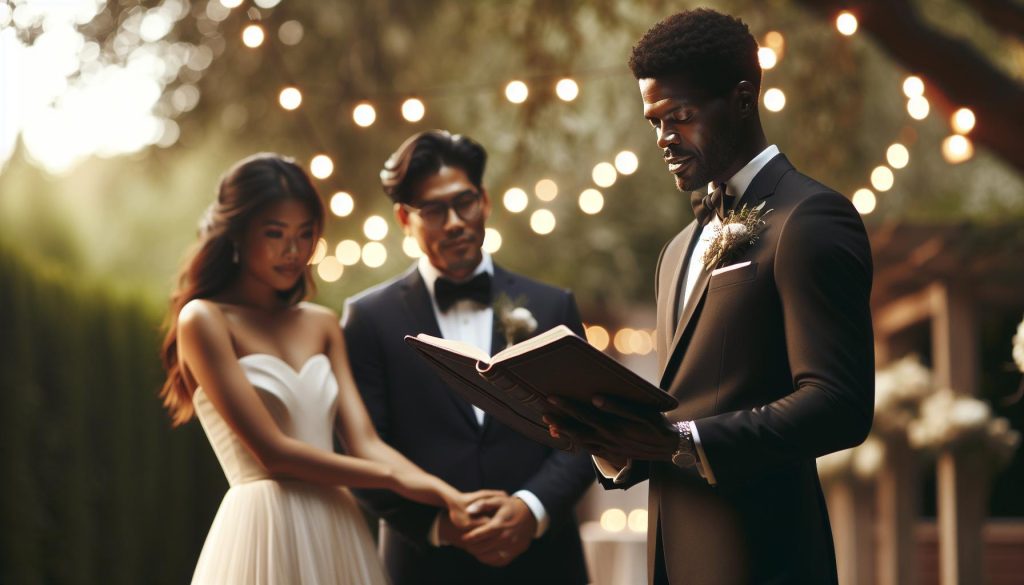
Officiating a wedding is a special honor that requires careful thought and preparation. What to say during the ceremony can set the tone for the entire celebration, making it essential for officiants to have a well-crafted script at their fingertips. Whether you’re an experienced officiant or a friend stepping into this role for the first time, understanding the nuances of wedding scripts can transform a beautiful moment into an unforgettable experience. Navigating different traditions, personal touches, and heartfelt messages while respecting the couple’s wishes can feel daunting, but it’s also a rewarding journey. In this guide, you’ll find not only practical advice on crafting meaningful vows and readings, but also tips on how to engage the couple and their guests in a way that honors their unique love story. So, dive in and discover how to bring warmth and authenticity to your wedding officiating, ensuring that your words resonate long after the vows are exchanged.
Understanding Your Role as the Officiant
To effectively embody the role of a wedding officiant, one must grasp the profound significance of this position. As the orchestrator of a couple’s most cherished moment, you are not merely a facilitator; you are the guiding voice that transforms a beautiful assembly of friends and family into a sacred space where love is formally celebrated. Your responsibilities extend beyond simply speaking words; you are tasked with weaving together the couple’s unique love story, presenting their vows, and ensuring the ceremony flows smoothly while resonating deeply with both the couple and their guests.
A strong connection with the couple and a thorough understanding of their wishes is crucial. Discussing their vision for the ceremony allows you to incorporate personal elements that reflect their relationship, such as shared interests, special memories, or inside jokes. This collaborative approach not only enhances the significance of the ceremony but also fosters a sense of intimacy that will resonate with their guests. Always be adaptable, ready to accommodate any changes or special requests the couple may have, such as including cultural or religious traditions that are meaningful to them.
Engagement is another vital aspect of your role. Make an effort to engage the audience through eye contact and heartfelt expressions. Your presence should embody warmth and authenticity, inviting the guests to share in the couple’s joy. Including rituals or elements that allow guests to participate, such as lighting candles or a unity sand ceremony, can enhance the emotional investment of everyone present. Being present and attuned to the atmosphere can help you navigate any unexpected challenges that arise, ensuring the ceremony remains cohesive and reflective of the couple’s love.
In summary, your role as an officiant is multi-faceted and enriches the wedding experience. By blending your organizational skills with personal touches and emotional resonance, you facilitate a memorable celebration that honors the couple’s journey and the significance of their commitment to one another. Embrace this opportunity to create a ceremony that not only meets but exceeds their expectations, leaving a lasting impression on all who share in the moment.
Essential Elements of a Wedding Ceremony Script

To weave a successful wedding ceremony script, it’s essential to include key elements that resonate with both the couple and their guests. Remember, this is not just a set of formalities; it’s a celebration of love and partnership. The script serves as a blueprint for the day, balancing tradition with personal flair, and it must reflect the couple’s unique story and values.
Welcome and Opening Remarks
Begin with a warm welcome that sets the tone of the ceremony. This can be a simple greeting to the guests, expressing gratitude for their presence and love. A heartfelt opening statement might include why this day is significant, acknowledging the couple’s journey together leading up to this moment.
Declaration of Intent
One of the pivotal moments in a wedding ceremony script is the declaration of intent. This is when the couple openly expresses their willingness to marry. Often phrased as questions (“Do you, [Partner 1], take [Partner 2] to be your lawfully wedded wife/husband?”), this part invites both the couple and attendees to witness the couple’s commitment.
Vows
The vows are the emotional heart of the ceremony. Encourage the couple to express their love and promises in their own words, or provide templates if they prefer something more traditional. This is also an opportunity for personalization; couples may wish to include anecdotes, shared experiences, or future dreams. Make sure they have ample time to express themselves, as this is often what resonates most with both the couple and their guests.
Exchange of Rings
Following the vows, the exchange of rings is a symbolic act that signifies commitment and love. Your script should guide the couple through this segment, including meaningful phrases they can use while exchanging rings, such as “With this ring, I thee wed.”
Unity Ceremony
If the couple wishes to include a unity ceremony-such as a sand ceremony or candle lighting-this segment of the script should be clearly outlined. Explain the significance behind the chosen ritual, and provide a seamless transition between the main vows and this beautiful tradition.
Closing Remarks
Conclude the ceremony with a powerful declaration of marriage. This can be something uplifting and celebratory, reaffirming the couple’s new status and inviting cheers or applause from the audience. Finally, guide them in the first kiss as a married couple-this is a delightful moment that every guest anticipates.
By thoughtfully incorporating these elements into the wedding ceremony script, you create a meaningful and memorable experience that honors the couple’s love while guiding them into this exciting new chapter of their lives. Your role as the officiant is to ensure that each part flows smoothly, keeping the atmosphere celebratory and the focus on the love being celebrated.
Crafting Your Personal Wedding Officiant Message

Crafting a personalized message as a wedding officiant is an opportunity to create a memorable and meaningful connection with the couple and their guests. Your words set the tone for the entire ceremony, making it essential to capture the essence of the couple’s love story while remaining respectful of their hopes, dreams, and backgrounds. Start by considering the couple’s individual personalities and their relationship. Are they humorous, sentimental, or adventurous? Reflecting their unique traits in your message will not only resonate with them but will also engage the audience.
To create an authentic officiant message, it can be beneficial to include a mix of personal anecdotes and heartfelt sentiments. For instance, sharing a brief story about how the couple met or a shared experience that showcases their bond can add a personal touch. These anecdotes help paint a vivid picture of their relationship, allowing guests to feel connected and involved in the couple’s journey. Additionally, infusing your message with warmth and sincerity will draw the audience in, making them feel as if they are part of an intimate celebration rather than mere spectators.
Incorporating quotes or readings that align with the couple’s beliefs can further enhance your officiant message. Whether it’s a passage from literature, a favorite song lyric, or a meaningful quote about love, these elements can evoke emotion and provide depth. Just be sure that any references are appropriate and resonate with the couple’s values and spiritual beliefs, creating a ceremony that is authentically theirs.
Finally, embrace the power of storytelling in your officiant message. Storytelling can make the ceremony feel less scripted and more dynamic, capturing attention and fostering a sense of community among the guests. As you weave together the couple’s narrative with engaging language, remember that the goal is to make everyone present feel the love and excitement of the moment, ensuring that it’s an unforgettable experience for all. By focusing on personalization, warmth, and storytelling, you can craft a wedding officiant message that honors the couple’s love and creates lasting memories for everyone involved.
Incorporating Personal Stories and Anecdotes

Including personal stories and anecdotes in your officiant speech is a powerful way to connect with the couple and their guests, transforming the ceremony from a formal event into a shared celebration of love. These narratives not only capture the essence of the couple’s relationship but also help to create a warm and inviting atmosphere for everyone present. They remind attendees of the uniqueness of the couple’s journey, making the wedding ceremony deeply personal and memorable.
Choosing the Right Stories
When selecting stories to share, consider narratives that highlight the couple’s personalities, shared experiences, or significant milestones in their relationship. For example, you might recount how they met at a mutual friend’s party, their first adventure together, or a moment that encapsulated their bond, such as a shared passion for travel or a humorous mishap during a date. Make sure to seek approval from the couple on any anecdotes you wish to include; this ensures that all stories reflect their comfort level and share their shared narrative respectfully.
Engaging the Audience
Stories can significantly enhance audience engagement, drawing guests into the couple’s world. Aim to make these anecdotes relatable, allowing guests to feel the emotions tied to each moment. Consider using sensory details to paint a vivid scene-describe the setting, emotions, or even funny dialogues that occurred. This will not only entertain but also foster a sense of connection among guests, as they may recognize aspects of their own experiences reflected in the couple’s journey.
Balancing Sentiment with Humor
While heartfelt stories are essential, balancing emotion with humor can elevate the ceremony further. Light-hearted anecdotes or humorous experiences that showcase the couple’s dynamic will keep the mood uplifting and enjoyable. For instance, you might share a funny moment that highlights their compatibility, like a playful debate over which movie to watch that turned into a series of comedic challenges. Remember, the key is to keep it tasteful and relevant; laughter is a wonderful way to celebrate love as long as it is on-brand for the couple.
transforms your officiant message into a cherished part of the couple’s story. It bridges the gap between the couple and their guests, creating a shared experience that makes the wedding celebration unforgettable. By focusing on thoughtful, engaging, and personalized storytelling, you elevate the ceremony and ensure that the love and joy of the occasion resonate long after the final vows have been exchanged.
Addressing Cultural and Religious Traditions
Weddings are not just a union of two individuals; they are also a vibrant tapestry woven with the threads of cultural and religious traditions that reflect the couple’s heritage and values. As an officiant, it’s essential to honor and incorporate these traditions into the ceremony, ensuring that both partners and their families feel represented and celebrated. This attention to detail transforms the wedding into a deeply meaningful event. Understanding these elements requires thoughtful preparation and genuine sensitivity to the couple’s wishes.
To begin, engage the couple in a discussion about their cultural and religious backgrounds. This conversation can reveal vital insights into significant rituals or symbols they want included. For instance, if one partner comes from a Jewish background, consider incorporating the breaking of the glass, which symbolizes unity and the fragility of relationships. Similarly, if the couple wishes to blend traditions, you might include passages from both cultures, illustrating the merging of their lives and families. Maintain open communication to ensure that the elements reflect both partners’ beliefs and preferences.
Incorporate Family Traditions
It can also be beneficial to invite family members to contribute suggestions. Many cultures feature specific family traditions or blessings that may not be immediately known to the officiant. Encourage the couple to share these customs, whether it’s a special reading, a traditional blessing, or even a specific way to celebrate the joining of families. Examples could include a unity candle lighting in Christian ceremonies or a handfasting ritual in Celtic weddings. Each of these practices not only adds emotional depth to the ceremony but also creates a sense of continuity with the couple’s familial lineage.
Respecting Different Beliefs
If the couple comes from different religious backgrounds, approach the fusion of traditions with care and creativity. Develop a ceremony that reflects the essence of both faiths, which could include interfaith readings or symbols from each religion. For instance, a couple might choose to read texts from both the Bible and the Quran, illustrating their commitment to respecting each other’s beliefs. Strive for an inclusive tone, and consider using language that acknowledges their differences while celebrating their union.
Ultimately, during the ceremony is about crafting a unique experience that honors the couple’s journey and their families’ expectations. By attentively weaving these elements into your officiating script, you create a rich narrative that reflects their love story, making the wedding more than just a formality but a celebration of their entire lives.
Engaging the Audience During the Ceremony
Creating an inviting atmosphere during the ceremony is crucial for engaging the audience and ensuring that the couple’s special moment resonates with everyone present. By incorporating elements that encourage participation and connection, the officiant can help guests feel like they are part of a shared experience, rather than just onlookers. A lively opening, an inclusive tone, and interactivity can transform the ceremony into a celebration that everyone remembers fondly.
Start by addressing the guests directly with warmth and enthusiasm. Acknowledge their presence and the significance of their role in supporting the couple. For instance, you might say, “Thank you all for being here today to celebrate the love between [Name] and [Name]. Your presence means the world to them.” This not only breaks the ice but also makes the audience feel valued. Consider incorporating questions or prompts that invite audible responses, such as, “If you’re here to support this couple today, please raise your hands!” This kind of engagement fosters a sense of community and unity.
Utilizing storytelling elements can also draw the audience in, as sharing personal anecdotes about the couple may resonate with their experiences. Including light-hearted moments or reflecting on the couple’s journey can evoke laughter, smiles, and even moments of reflection. Frame these stories in a way that everyone can relate to, positioning them as part of a collective celebration of love.
Moreover, consider incorporating interactive rituals that involve the guests, such as a collective vow or blessing. For example, asking everyone to stand for a moment of collective support or to share a wish for the couple can deepen the emotional ambiance. It transforms the ceremony from a singular event to a communal occasion, allowing guests to feel like active participants in the celebration.
Engaging the audience is not just about keeping their attention; it’s about fostering an emotional connection that enriches the couple’s experience. With thoughtful planning and a personal touch, you can create a ceremony that is not only memorable but also inclusive, celebrating the union in a way that resonates with everyone present.
Creating Memorable Vows for the Couple
Memorable vows serve as the heartbeat of a wedding ceremony, encapsulating the essence of the couple’s journey and commitment to one another. To craft vows that resonate and reflect the couple’s true selves, it’s essential to encourage them to delve into their relationship’s unique tapestry of love, partnership, and shared dreams. Remind them that vows do not have to adhere to a specific format; they should come from the heart and encompass their personalities and values.
To guide the couple in developing their vows, suggest that they consider the following elements:
- Personal Reflections: Encourage them to reflect on their journey together-how they met, what drew them to each other, and memorable moments that solidified their bond. This personal touch makes the vows uniquely theirs.
- Shared Values: Have them articulate values that are important in their relationship, such as trust, respect, and support. Integrating these themes into their vows fosters a sense of mutual understanding.
- Future Commitments: Suggest they include promises that speak to their future together. Whether it’s supporting one another’s dreams or facing challenges together, these commitments anchor their vows in realism and hope.
- Humor and Lightheartedness: Encourage them to infuse humor where appropriate. A light-hearted moment can break the tension and create a joyful atmosphere, making the ceremony feel more personal and fun.
As an officiant, you play a pivotal role in facilitating this process. Consider creating a comfortable environment in which the couple can express their thoughts freely. You can offer to share examples of vows or even conduct a brief brainstorming session where they can bounce ideas off each other. Additionally, remind them that their vows can be adjusted up until the ceremony-flexibility often leads to significant breakthroughs in expression.
Lastly, assist them if desired by helping formulate the vows into a concise and clear statement. A good practice is to keep them within a two-minute timeframe, ensuring that they are heartfelt yet engaging. By following these steps, you will not only enable the couple to create vows that resonate but also enrich the ceremony with authenticity and emotion that guests will remember long after the day is done.
Using Quotes and Readings to Enhance Emotion
Incorporating quotes and readings into a wedding ceremony can profoundly enhance its emotional impact, resonating not only with the couple but also touching the hearts of their guests. Citing well-known literature, poetry, or personal expressions of love can lend a sense of depth and significance to the proceedings. Quotes can serve as powerful anchors, framing the couple’s commitment within a broader context of love and relationships, while readings can introduce themes of connection, unity, and hope.
When selecting quotes or readings, consider the couple’s personalities and values. For instance, quotes from classic literature or poetry can evoke timeless sentiments, while contemporary quotes might resonate more personally with the couple’s unique story. For example, a beloved line from Shakespeare could beautifully articulate themes of love, while a quote from a favorite film may add a touch of humor and warmth to the ceremony, reflecting the couple’s shared interests. It’s essential to ensure that whatever passages are chosen reflect the couple’s journey, creating a more meaningful connection for both the couple and their guests.
Creating a space for readings can also be an opportunity for loved ones to feel involved. Inviting family members or close friends to read selected pieces can foster a sense of community and inclusivity, transforming the ceremony into a collaborative celebration of love. Whether it’s a reading that speaks to the history of love itself, or a personal anecdote that captures a defining moment in the couple’s relationship, these contributions can enhance the joyous atmosphere, making the event even more memorable.
Ultimately, the right quotes and readings can elevate the emotional tone of the ceremony, reminding everyone present of the beauty and significance of love. By thoughtfully integrating these elements, you not only honor the couple’s journey but also create an unforgettable experience for all who witness their vows.
Handling Special Requests from the Couple
Understanding and accommodating special requests from the couple can elevate the wedding ceremony and make it a truly personal experience. Whether it’s a unique reading, a specific ritual, or even the inclusion of beloved family traditions, being flexible and open to these ideas fosters a sense of inclusion and collaboration, making the couple feel even more special on their big day.
Being prepared to handle these requests requires open communication with the couple before the ceremony. Schedule a meeting to discuss their vision for the ceremony and encourage them to express any thoughts or desires they have in mind. It could be as simple as choosing a specific song for the processional or as elaborate as incorporating cultural elements that reflect their backgrounds. A respectful acknowledgment of their wishes will create a shared understanding of how best to honor their love story.
As you prepare to integrate their requests into the ceremony, consider practical elements such as timing and logistics. For example, if they wish to include a unity ceremony-like a sand or candle ceremony-plan where these elements will go within the timeline. Briefly rehearse these segments with the couple and any participants involved, ensuring that everyone knows their role. Embracing these special requests not only personalizes the ceremony aesthetic but also enhances the ritual’s emotional depth, making it memorable for everyone involved.
Ultimately, serving as an officiant means adapting to the couple’s unique preferences while maintaining the integrity of the ceremony. Be guided by their vision, and don’t hesitate to offer suggestions for ways to seamlessly weave in their requests, ensuring the ceremony reflects their individuality and collective love, while also being an enjoyable experience for all guests. The joy of officiating lies in these moments of personalization, as they transform a standard ceremony into a vibrant representation of the couple’s journey together.
Tips for Keeping the Ceremony Organized and Timed
Leading a wedding ceremony is a joyous honor, but it also requires careful organization and time management to ensure the celebration flows smoothly. A well-timed ceremony not only helps convey the couple’s love story effectively but also keeps guests engaged, allowing everyone to immerse in the moment fully. To achieve this, preparation is key, and here are several tips to help streamline the ceremony.
Begin with a detailed timeline. Work with the couple to create a comprehensive schedule that includes every element of the ceremony, from the procession to the recessional. Make sure to allocate specific time slots for each activity; this ensures that everyone knows what to expect and when. Use a simple table to keep these details clear:
| Time | Activity |
|---|---|
| 3:00 PM | Guests Arrive |
| 3:30 PM | Processional Begins |
| 3:40 PM | Ceremony Starts |
| 4:00 PM | Toast & Blessings |
| 4:15 PM | Recessional |
Communicate with all involved parties, including the wedding coordinator, musicians, and any family members participating in the ceremony. Ensure everyone understands the timeline and their roles, which helps mitigate any surprises. A rehearsal prior to the big day can be invaluable. This step allows everyone to practice their cues, ensuring a smoother experience on the wedding day itself.
During the ceremony, maintain an awareness of timing. If certain segments tend to drag or feel rushed in practice, adjust them accordingly. For instance, the officiant should have a discreet way to signal when it might be time to speed up or slow down, such as a subtle hand gesture or a watch glance. Remember, keeping the atmosphere light and celebratory can help alleviate any time-induced stress among the couple and guests.
Ultimately, a well-organized and timed ceremony enhances the experience for everyone involved, turning a beautiful day into a memorable celebration. By respecting the couple’s vision while maintaining clear communication and flexibility, you create a ceremony that is not only orderly but also heartfelt and reflective of their unique journey together.
Navigating Common Officiant Challenges
Officiating a wedding can be one of the most thrilling and fulfilling experiences, but it also comes with a unique set of challenges that can arise unexpectedly. Understanding these common hurdles and being prepared to navigate them can help ensure that the ceremony goes off without a hitch and remains a cherished memory for the couple and guests alike.
One of the most frequent challenges is managing nervousness-both your own and that of the couple. It’s completely natural to feel a bit anxious, and many couples may struggle with the emotions of the day. To address this, establish a calming presence. Practice your script multiple times to gain confidence, and encourage the couple to rehearse as well. Simple breathing exercises before the ceremony can ground everyone involved and help ease anxieties.
Another common issue is the involvement of family drama or unexpected complications. Weddings often stir deep emotions, which can lead to familial tensions surfacing. As the officiant, it’s crucial to remain neutral and focused on the couple. Prepare for potential conflicts by discussing roles and expectations with the couple beforehand. If you sense any rising tensions during the ceremony, maintain control by calmly proceeding without addressing negative energy directly-remember, your job is to guide the celebration, not to mediate conflicts.
Unforeseen changes, like weather issues for outdoor weddings or technical difficulties with sound systems, are also part of the officiant’s challenge. Have contingency plans in place: for instance, if it rains, know the backup location. Carry essential contact information for vendors so you can quickly reach out in case of issues. Staying flexible and having a positive attitude can turn potential problems into amusing anecdotes the couple will fondly remember.
Lastly, it’s important to clearly communicate with the couple throughout the process, especially if unexpected occurrences arise. Open channels of dialogue help in understanding their preferences and provide an opportunity to align on solutions whenever challenges are encountered. Creating a supportive environment where couples feel heard can significantly enhance their overall experience, making them feel cherished and respected on their special day.
After the Ceremony: Next Steps for Officiants
After the joyous celebration of exchanging vows and heartfelt sentiments, the role of the officiant continues beyond the ceremony itself. This is a critical time to ensure that all necessary follow-ups and legal obligations are met, as well as to provide ongoing support to the couple as they embark on their new journey together.
First and foremost, it is essential to handle the legal paperwork involved in the wedding. Filing the marriage license is typically the officiant’s responsibility, unless otherwise arranged. Confirm that the license is fully signed by both spouses and any required witnesses. Depending on local laws, you may need to return it to the issuing office within a specified timeframe. Consider informing the couple that it can take several weeks for the official marriage certificate to be issued, and reassure them about how to obtain it after processing.
Another important step involves reaching out to the couple after the ceremony. A simple follow-up email or message expressing your gratitude and happiness for their big day can go a long way. Whether you share a photo from the ceremony, remind them of a tender moment you observed, or check in on their honeymoon plans, this gesture not only highlights your ongoing support but also helps build a lasting relationship. Encourage feedback on their experience of your officiating to aid your own growth and to help refine your style for future ceremonies.
Additionally, consider presenting a personalized touch by providing them with a copy of the ceremony script or any special readings or quotes you included. Couples appreciate having a tangible memory of their day that they can revisit. This also offers you a chance to express how honored you were to play a role in their love story.
Lastly, as the newlyweds start their life together, they may encounter various decisions regarding their new status. Recommendations for couples counseling, financial planning, or even ways to commemorate their first anniversary can be delightful resources to offer. Your role as an officiant extends beyond just the ceremony; fostering a thoughtful connection can enrich their experience and lead to heartfelt referrals in the future.
In summary, moving forward from the ceremony involves a blend of administrative tasks and personal connections that can enhance the couple’s experience and solidify your role as a supportive figure in their new journey.
Q&A
Q: What are the key components of a wedding officiant script?
A: The key components of a wedding officiant script include an introduction, declaration of intent, exchange of vows, exchange of rings, pronouncement of marriage, and closure. Each section should reflect the couple’s personality and the tone of the ceremony, ensuring it’s meaningful and memorable.
Q: How do I personalize a wedding officiant message?
A: To personalize a wedding officiant message, include anecdotes about the couple, mention their journey together, and share insights that resonate with their story. This adds authenticity and warmth, making the ceremony more engaging for the audience.
Q: What should I do if the couple has cultural or religious traditions to include?
A: If the couple has cultural or religious traditions, discuss these elements beforehand to ensure accuracy and respect. Incorporate meaningful rituals or readings from their cultural background that enhance the ceremony and honor their beliefs.
Q: How can I handle unexpected disruptions during the ceremony?
A: To handle unexpected disruptions, stay calm and composed. Have a backup plan ready, such as a brief distraction, and gently guide the couple and guests back to focus. Flexibility and a sense of humor can help maintain a positive atmosphere.
Q: What are some tips for writing meaningful vows?
A: Tips for writing meaningful vows include reflecting on personal stories, expressing feelings honestly, and even making promises that are realistic and heartfelt. Encourage the couple to think about their journey, values, and what makes their relationship special.
Q: When should I meet with the couple to discuss the ceremony details?
A: Ideally, meet with the couple at least one month prior to the ceremony to discuss details, preferences, and any specific elements they want to include. This ensures ample time for adjustments and a well-prepared script.
Q: What are common mistakes to avoid when officiating a wedding?
A: Common mistakes to avoid include not rehearsing, failing to personalize the script, and ignoring the couple’s preferences. Additionally, being unprepared for technical issues can detract from the ceremony’s flow, so always have a plan B in place.
Q: How do I ensure that the audience is engaged during the ceremony?
A: Engage the audience by making eye contact, incorporating humor appropriately, and encouraging participation through readings or rituals. Speaking clearly and passionately about the couple’s love story captures attention and creates a warm atmosphere.
Closing Remarks
As you embark on the journey of officiating a wedding, remember that the words you choose can profoundly impact the couple’s celebration. This script guide has equipped you with the essential tools to create a meaningful and personalized ceremony that resonates with the hearts of not only the couple but also their loved ones. If you’re eager to dive deeper into wedding planning, explore our resources on budget management and vendor selection to ensure every detail is just right.
Don’t hesitate to share your experiences in the comments below, and connect with fellow officiants. Each wedding is unique, so keep an eye on our blog for more insights on creating memorable ceremonies and modern trends in officiating. Take the next step in honing your craft-sign up for our newsletter for exclusive tips and resources tailored for wedding officiants. Let’s make every love story shine-your guidance is vital in crafting unforgettable moments!