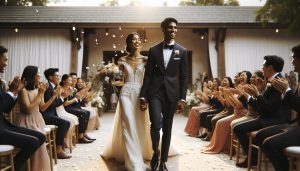
As couples embark on the joyful journey of planning their weddings, understanding the financial landscape of wedding design can empower them to make informed decisions. In 2025, the average salary for a wedding designer stands at approximately $50,602 per year, revealing both the potential and significance of this career choice. Whether your dream wedding involves extravagant floral arrangements or intimate, personalized touches, the choice of a designer can greatly influence your celebration’s vibe and success. This guide will explore what wedding designers earn, the factors that affect their salaries, and the value they bring to creating unforgettable experiences. As you read on, you’ll uncover insights that can help you appreciate the artistry behind wedding design while also considering how to navigate your budget effectively. Let’s delve into the world of wedding design salaries, where creativity meets career satisfaction, and discover how this profession shapes the magical day of countless couples.
How Wedding Designers Influence Wedding Costs
When couples embark on the journey of planning their wedding, the influence of a wedding designer can be a game-changer in both the overall experience and the budget. Wedding designers possess a unique skill set that encompasses creativity, organization, and negotiation, all of which can significantly shape the final cost of the event. By collaborating closely with couples, they help translate individual visions into tangible plans, ensuring that every detail aligns with the couple’s desires and budget.
One of the primary ways wedding designers affect costs is through their extensive networks. Seasoned designers often have established relationships with vendors such as florists, caterers, and venue managers. These connections can lead to exclusive deals or discounts, ultimately reducing expenses. For instance, a designer might negotiate a lower rate for floral arrangements or catering, providing a higher quality service without breaking the bank. Furthermore, their expertise in budget management allows them to allocate resources efficiently, prioritizing essential elements while cutting unnecessary costs.
Moreover, wedding designers bring a wealth of experience that can prevent costly mistakes. They are adept at anticipating challenges and resolving issues before they escalate. For example, a designer might recognize potential logistical problems regarding the flow of the ceremony or reception, adjusting plans proactively. By streamlining processes and maintaining a clear vision, designers not only ensure the event runs smoothly but also help prevent last-minute expenses that often arise from disorganization.
In addition to logistical benefits, a wedding designer can enhance the emotional and aesthetic components of the event. By applying their artistic vision, they can curate an unforgettable atmosphere that resonates with the couple’s personalities, making the investment in a designer worthwhile. The resulting ambiance often elevates the entire experience, creating lasting memories for both the couple and their guests, and reinforcing that the investment in a designer is more than just financial-it’s about creating a truly special day.
Understanding the Average Salary of Wedding Designers
The world of wedding design is not just about creativity and organization; it includes financial considerations that every aspiring designer should keep in mind. As of 2025, wedding designers can expect an average salary that varies significantly based on location, experience, and the scope of services provided. In California, for instance, a wedding designer earns approximately $40.76 per hour, translating to around $84,779 annually, according to some sources. This figure can fluctuate dramatically-wedding designers can earn as low as $17.31 per hour and as high as $99.64, which showcases the potential for lucrative earnings when utilizing the right strategies and connections[1[1].
The earning potential for wedding designers can also differ on a national scale, with an average hourly wage of about $24, amounting to an annual salary of roughly $50,602 across the United States[3[3]. This discrepancy underscores the importance of location, as designers operating in metropolitan areas like Los Angeles or San Francisco may command higher rates compared to those in smaller towns or rural settings.
Identifying the right niche is essential for maximizing earnings. Some wedding designers specialize in high-budget luxury weddings, while others may focus on budget-friendly options or destination weddings. Each niche has its own market demand and average salary ranges. For example, designers who manage larger weddings or high-profile clients often report higher income levels, emphasizing outcomes that can lead to significant payoffs. Understanding these dynamics not only helps designers set competitive prices but also empowers couples to see the value in hiring a professional who aligns with their vision and budget.
Factors That Affect Wedding Designer Earnings
The earnings of wedding designers can be significantly influenced by a variety of factors, each playing a crucial role in determining how much they can earn. Understanding these elements is essential for both aspiring designers and clients looking to hire one for their special day.
One of the primary determinants of a wedding designer’s income is location. Designers in major metropolitan areas like New York City or Los Angeles often charge premium rates due to higher living costs and greater competition. In contrast, those in rural or suburban settings may find less demand and, consequently, lower earnings. This regional variation is evident when comparing average salaries; designers in California might earn around $84,779 annually, while the national average hovers closer to $50,602 [1[1].
Another critical factor is the scope of services offered. Designers who provide comprehensive packages that include venue selection, décor, floral arrangements, and coordination of vendors often command higher fees. On the other hand, those who specialize in a limited service may find their earnings restricted to lower brackets. Couples seeking luxury or bespoke wedding experiences usually are prepared to invest more in hiring a designer who can deliver a unique and flawless celebration.
Experience and portfolio quality also play significant roles. As designers accumulate clients and successfully execute memorable weddings, their portfolios grow and become more attractive to potential clients, leading to higher rates. Additionally, networking within the wedding industry through referrals and established connections can enhance a designer’s reputation and, in turn, their earnings. Designers who specialize in niche markets, such as eco-friendly weddings or multicultural celebrations, may also find ample opportunities to charge premium prices, reflecting the growing consumer demand for tailored experiences.
Lastly, personal branding and marketing strategies cannot be overlooked. Designers who actively engage on social media, participate in bridal shows, or maintain an informative website are more likely to attract clients and justify higher fees due to increased visibility and perceived expertise. Collectively, these factors illustrate the multifaceted nature of earnings in wedding design, illustrating that creativity combined with business acumen can lead to success in this vibrant industry.
Regional Variations in Wedding Designer Salaries
Regional differences significantly impact the earnings of wedding designers, making it essential for couples planning their special day to consider where they are based. For instance, wedding designers in large urban areas such as New York City, San Francisco, and Los Angeles tend to earn more due to higher living costs and increased demand for their services. Designers in these bustling cities can command salaries that can exceed the national average, which hovers around $50,602. For example, in California, the average salary for a wedding designer is reported to be approximately $84,779 annually[1[1].
On the other hand, those operating in rural or suburban areas may experience different dynamics. Lower competition and reduced demand can result in more modest earning potential, often reflected in annual salaries ranging from $35,739 to $50,602[1[1]. This disparity highlights the importance for aspiring wedding designers to evaluate their market and surroundings.
Understanding these regional variations is not just beneficial for wedding designers but also aids couples in budgeting effectively. Couples in metropolitan areas may need to allocate a larger portion of their overall wedding budget for design services, while those in less populated regions might find more cost-effective options. As couples navigate their wedding planning journey, awareness of these salary trends ensures they can make informed decisions regarding which services to prioritize while collaborating with their designers, ultimately contributing to a beautiful and memorable celebration.
In conclusion, play a substantial role in the planning process, influencing both designers’ earning potential and the budgeting strategies of couples. A well-informed approach allows everyone involved to create a joyful and financially sound wedding experience.
Educational Paths for Aspiring Wedding Designers
Aspiring wedding designers embarking on their journey to create memorable celebrations will find that education plays a crucial role in their success. With a combination of formal training and practical experience, designers can develop the skills necessary to bring their creative visions to life while effectively managing the logistical aspects of wedding planning.
Many wedding designers begin with a degree or certification in fields such as graphic design, event planning, or hospitality management. Programs at community colleges, universities, and specialized institutions offer courses that cover essential topics, including color theory, event logistics, and budget management. For those seeking flexibility, online courses can also provide valuable knowledge and skills at one’s own pace. Gaining knowledge in project management can be particularly useful, as it allows designers to coordinate multiple vendors and timelines seamlessly.
In addition to formal education, hands-on experience is invaluable. Aspiring designers often start as assistants to established wedding planners or decorators, where they learn the ins and outs of the industry from seasoned professionals. This apprenticeship model not only enhances practical skills but also helps develop a network of industry contacts, which can be beneficial when starting their own business. Engaging in internships or volunteering for weddings and events offers real-world experience that can significantly enhance a designer’s portfolio, showcasing their ability to conceptualize and implement stunning designs.
Continuing education through workshops, webinars, and industry conferences is essential for keeping up with the latest trends, techniques, and technologies in wedding design. Joining professional associations, such as the Association of Bridal Consultants, can provide additional resources, mentorship opportunities, and access to a community of like-minded professionals who can offer support and guidance. By combining formal education with practical experience and ongoing professional development, aspiring wedding designers position themselves for success in this vibrant and rewarding career path.
Essential Skills for Successful Wedding Designers
Successful wedding designers possess a rich tapestry of skills that enables them to weave unique and memorable experiences for couples on their special day. Creativity remains at the forefront of these essential skills. It allows designers to transform a couple’s vision into a beautiful reality, whether they envision a classic, vintage, or modern celebration. Designer portfolios often showcase inventive arrangements, color palettes, and decor ideas that highlight their innovative spirit and adaptability to varying tastes.
Communication and Interpersonal Skills play a crucial role as well. Wedding designers frequently collaborate with clients, vendors, and venues, making it essential to foster strong relationships and effectively convey ideas. Warmth and empathy help establish trust with couples, ensuring they feel heard and valued throughout the planning process. For instance, actively listening to a client’s preferences, fears, and cultural nuances empowers the designer to create a truly personalized experience.
Another vital skill is project management. Organizing multiple aspects of an event-from timelines to vendor coordination-requires meticulous attention to detail and the ability to multitask. A well-choreographed wedding involves juggling numerous moving parts, like catering schedules, floral deliveries, and venue setup. Designers who excel in project management can navigate these complexities smoothly, minimizing stress for couples while ensuring every component stays on track.
Moreover, a designer’s knowledge of current trends and traditional practices enriches their offerings. Understanding various cultures and traditions allows wedding designers to incorporate meaningful elements that resonate with diverse wedding styles-from intimate elopements to grand multicultural celebrations. This cultural competence not only enriches the design process but also enhances the overall experience for couples looking to honor their heritage during their celebration.
In summary, a combination of creativity, excellent communication, project management skills, and cultural awareness prepares wedding designers to thrive in this rewarding field. As they guide couples through planning, their expertise transforms dreams into reality, resulting in beautiful occasions that will be cherished for a lifetime.
The Role of Experience in Salary Advancement
Experience plays a pivotal role in determining the salary trajectory of wedding designers, much like in many creative professions. As designers build their portfolios and hone their craft over time, they not only gain the technical skills vital for executing sophisticated designs but also cultivate a deeper understanding of the wedding industry’s nuances. This evolution often translates into greater earning potential and opportunities for career advancement.
Those entering the field as novices may find initial compensation modest, with starting salaries typically reflecting their level of experience. For instance, data indicates that entry-level wedding designers can expect to earn around $50,602 annually, or approximately $24 per hour[[3]](https://www.glassdoor.com/Salaries/wedding-designer-salary-SRCH_KO0,16.htm). However, as designers gain hands-on experience and establish a reputation through successful events and satisfied clients, they often see their salary grow significantly. Experienced professionals can command salaries in excess of $99,903 per year, demonstrating the financial benefits of accumulating expertise[[1]](https://www.zippia.com/wedding-designer-jobs/).
This increase is not solely attributed to years in the field; it also encompasses the enhancement of essential soft skills such as negotiation, vendor relationship management, and client communication. Experienced designers often develop a unique creative style that resonates with their clients, enabling them to attract a more exclusive clientele willing to invest in premium services. Furthermore, as their networks expand, they may also gain referrals and repeat business, which are crucial for long-term financial success.
To harness the full potential of experience in boosting income, aspiring wedding designers should focus on continuing education and professional development. Attending workshops, obtaining relevant certifications, and participating in industry events can deepen knowledge and skills. By staying abreast of the latest trends and techniques within the wedding design landscape, designers not only enhance their creativity but also position themselves as leading experts in their field, ultimately paving the way for greater income and rewarding career opportunities.
Career Progression Opportunities in Wedding Design
The wedding design industry offers a vibrant landscape for creative professionals looking to build fulfilling careers. As the demand for unique and personalized wedding experiences grows, so too do the opportunities for career advancement within this dynamic field. For those aspiring to make their mark, understanding the potential pathways can be both inspiring and empowering.
Beginning as a junior wedding designer allows new entrants to learn the ropes under the mentorship of experienced professionals. This foundational experience is crucial, as it not only builds technical skills but also introduces budding designers to the important client interactions and vendor negotiations that define the industry. Many junior designers find themselves gradually taking on more responsibilities, such as client consultations and project management, which can accelerate their career growth.
Advancement Opportunities
With dedication and talent, wedding designers can progress to roles such as senior designer, lead planner, or even creative director. These positions typically involve overseeing larger projects and teams, creating opportunities to shape the overall vision for high-profile events. Many successful designers also opt to specialize in niche markets, such as destination weddings or culturally specific ceremonies, which can lead to increased demand for their expertise and higher earnings potential.
For those inclined towards entrepreneurship, starting a wedding design business can be a thrilling path. This route requires keen business acumen alongside design skills, but it offers the ultimate freedom to create a personal brand and tailor services directly to clients’ desires. Networking with industry professionals and participating in bridal shows or expos can provide valuable exposure and create connections that lead to referrals and returning clients.
Overall, the career trajectory for wedding designers is not only based on skill and creativity but also fueled by relationship-building and continuous learning. Staying current with industry trends, attending workshops, and engaging with other wedding professionals can bolster a designer’s reputation and visibility, ensuring they remain a relevant and sought-after choice in an ever-evolving marketplace. This combination of practical experience, specialization, and networking will set aspiring wedding designers on a course toward rewarding and thriving careers.
Freelancing vs. Working with a Firm: Earnings Explained
The decision to freelance or work with an established firm as a wedding designer can significantly influence not only creative growth but also earning potential. Freelancers often enjoy the flexibility of setting their schedules and selecting their clients, which can lead to a varied portfolio and diverse experiences. Additionally, freelancing allows designers to establish their brand and personalize their services, appealing to couples seeking unique, tailored celebrations. However, this path may come with challenges, such as inconsistent income and the need for proactive client acquisition.
In contrast, working with a firm typically provides a more stable income, often accompanied by benefits such as health insurance and retirement plans. Designers in established agencies benefit from a steady stream of clients and collaborative environments that foster skill development. They may find more security in the resources provided by a firm, allowing them to focus solely on their design work rather than the business aspects of client management and marketing. However, this route often comes with less flexibility, as designers must adhere to the agency’s standards and client base.
To better understand the financial implications of each path, consider the following factors:
- Earnings Potential: Freelancers can charge upwards of $35 per hour, depending on their expertise and market demand. In contrast, designers employed at firms may earn an average salary ranging from $26.90 to $28 per hour, depending on their geographical location and experience level.
- Client Relationships: Freelancers cultivate direct relationships with clients, which can lead to repeat business and referrals, increasing their income over time. Those working in firms might have limited interaction with clients, focusing instead on creative design within the firm’s vision.
- Work-Life Balance: Freelancers enjoy flexibility in their schedules, allowing them to balance personal commitments with work. Firm employees may have more structured hours but can benefit from guaranteed weekends off or set vacation days.
- Marketing and Business Skills: Freelancers must possess strong marketing abilities to attract clients, a task that requires both time and resources. In a firm, many of these responsibilities are handled by the agency, letting designers concentrate on creative tasks.
Ultimately, the choice between freelancing and working for a firm will depend on individual career goals, financial needs, and lifestyle preferences. Both paths offer unique opportunities and challenges, and understanding these factors will empower aspiring wedding designers to make informed decisions about their future in this dynamic industry.
The Impact of Portfolio Quality on Income
In the competitive world of wedding design, a striking portfolio is not just a collection of past work-it’s a vital tool that can significantly influence income potential. Couples planning their weddings often seek designers whose portfolios resonate with their personal styles, showcasing not only creativity but also versatility and an understanding of diverse cultural traditions. This visual representation of a designer’s abilities and aesthetic is often the first impression prospective clients will have, making it essential for securing new projects and establishing a solid reputation in the industry.
A well-curated portfolio can elevate a designer’s marketability and justify higher rates. For instance, featuring high-quality photographs of beautifully executed weddings, along with detailed descriptions of the planning process, the chosen themes, and specific design elements can impact perception. Showcasing a range of styles-be it a rustic outdoor ceremony, an elegant ballroom reception, or a vibrant cultural celebration-can attract a broader clientele. Clients often equate the diversity and quality observed in a designer’s portfolio with their ability to execute unique and personalized designs, allowing designers to command higher fees.
Moreover, the digital nature of portfolios today adds another layer of complexity. Wedding designers can leverage social media platforms like Instagram or Pinterest to showcase their work, engage with potential clients, and create a strong online presence. In fact, many couples turn to these platforms for inspiration, and a designer with an active, visually appealing feed may gain a competitive edge. Investing in professional photography and web design for an online portfolio is often seen as an essential step towards enhancing visibility and credibility, ultimately leading to increased bookings and higher income.
In summary, is profound-it’s not merely a showcase but a strategic asset. Aspiring and established wedding designers should continuously invest in their portfolios, ensuring they reflect the best of their work, adapting to industry trends, and appealing to a wide audience. By doing so, they can set themselves apart in a vibrant marketplace, channeling their creative passions into a lucrative career.
How to Increase Your Income as a Wedding Designer
Increasing your income as a wedding designer involves a combination of strategic marketing, skill enhancement, and professional networking. The wedding industry is vibrant and diverse, boasting an array of wedding styles and cultural traditions, and designers who are adept at navigating this landscape can greatly enhance their earning potential.
One effective strategy for boosting income is expanding service offerings. Many couples seek comprehensive planning services that extend beyond design. By including services such as venue scouting, vendor coordination, and day-of management, designers can create packaged services that appeal to clients looking for a more seamless experience. This not only increases the potential income from each client but also positions the designer as a one-stop-shop for wedding planning needs.
Utilizing digital marketing effectively can also elevate a designer’s visibility. It’s essential to maintain a robust online presence through a professionally designed website and engagement on social media platforms like Instagram and Pinterest, where couples often look for inspiration. By sharing stunning imagery of previous work and behind-the-scenes processes, designers can attract new clients. Engaging content, such as tips for selecting wedding themes or planning stress-free celebrations, can establish designers as thought leaders in the industry, driving more inquiries and bookings.
Networking and establishing relationships with vendors can also be a game-changer. By collaborating with photographers, florists, and venues, wedding designers can create referral systems that benefit all parties involved. Partnering with complementary businesses allows for cross-promotions and can lead to a steady stream of client referrals. Additionally, attending industry events and bridal shows can enhance connections, allowing designers to showcase their work directly to potential clients and other professionals in the field.
Finally, continuous professional development is crucial. Staying abreast of the latest trends in wedding design, from floral arrangements to color palettes, can keep a designer relevant and in demand. Consider enrolling in workshops or obtaining certifications that can enhance credibility and expertise. This commitment not only enriches the designer’s skill set but also provides new avenues for marketing their enhanced capabilities to discerning couples.
Incorporating these strategies can significantly increase a wedding designer’s income while ensuring they provide exceptional value to their clients, celebrating the joyous journey of wedding planning together.
Trends Shaping the Future of Wedding Design Salaries
The landscape of wedding design is evolving, influenced by a blend of changing societal values, advancements in technology, and emerging design aesthetics. As couples increasingly seek personalized and unique experiences, the demand for innovative wedding design will likely rise, creating new financial opportunities for designers in the industry. Understanding these trends can help wedding designers align their services with what customers are seeking, ultimately impacting their earning potential in the coming years.
One significant trend is the growing emphasis on sustainability. Modern couples are more conscious of environmental impacts and are increasingly looking for eco-friendly options. This shift has led to an influx of sustainable practices, such as sourcing local flowers, using biodegradable materials, and choosing venues that prioritize green initiatives. Designers who can position themselves as experts in sustainable wedding planning may not only attract more clients but also justify higher service fees due to the specialized knowledge required.
Additionally, technology is reshaping how weddings are planned and executed. Virtual reality (VR) and augmented reality (AR) tools are becoming integral in showcasing designs before the big day, enabling couples to visualize their celebration in 3D. Designers leveraging these tools can offer unique experiences that set them apart from competitors, potentially increasing their profitability. Furthermore, the rise of social media as a critical marketing tool means that wedding designers must adapt to trends in digital content creation, using platforms like Instagram and TikTok to showcase their work and engage with potential clients.
Another trend influencing wedding design salaries is the rise of micro and intimate weddings, driven by recent global events. Couples are opting for smaller gatherings, focusing more on quality experiences rather than extravagant displays. This shift allows designers to pivot their services, offering more personalized and bespoke designs tailored to smaller groups, which can enhance their market appeal and enable them to command higher prices for their unique offerings.
In summary, as the wedding industry continues to evolve, designers who stay ahead of these trends-sustainability, technological integration, and the shift towards intimate celebrations-are likely to find themselves in a favorable position. By adapting their skills and marketing strategies accordingly, they can not only meet the changing needs of couples but also increase their earnings potential in a dynamic market.
Frequently Asked Questions
Q: What is the average salary range for wedding designers in 2025?
A: The average salary for wedding designers in 2025 ranges from $40,000 to $80,000 annually, depending on experience, location, and the scale of the events they manage. Those in major cities or with extensive portfolios can exceed these figures significantly.
Q: How does experience level affect wedding designer salaries?
A: Experience plays a crucial role in determining a wedding designer’s salary. Entry-level designers can expect to earn around $35,000, while seasoned professionals with several years of experience can earn upwards of $70,000 or more, especially in competitive markets.
Q: Are wedding designers paid by salary or commission?
A: Wedding designers can work on both a salary and commission basis. Many freelancers charge a flat fee per event, while those employed by firms may receive a combination of salary and performance-based bonuses.
Q: What factors can lead to higher earnings for wedding designers?
A: Higher earnings for wedding designers often come from specializing in high-demand niches, building a strong portfolio, establishing a solid reputation, and leveraging effective marketing strategies to attract high-budget clients.
Q: What educational qualifications are beneficial for wedding designers?
A: While formal education is not always necessary, degrees in event planning, design, or hospitality can be beneficial. Certifications in wedding planning and hands-on experience through internships can also enhance earning potential.
Q: How do location and regional factors influence wedding designer salaries?
A: Salaries for wedding designers can vary significantly by region. Designers in urban areas or affluent neighborhoods tend to earn more due to higher demand and increased event budgets compared to those in rural areas.
Q: What skills are crucial for increasing salary as a wedding designer?
A: Essential skills for boosting a wedding designer’s salary include strong communication, creativity, project management, and budgeting. Additionally, networking skills can lead to more client referrals and higher-paying opportunities.
Q: What trends are currently influencing wedding design salaries?
A: Emerging trends, such as eco-friendly weddings, personalized experiences, and hybrid events, are notably impacting wedding design salaries. Designers who adapt to these trends tend to attract more clients and can command higher fees.
To Wrap It Up
As we wrap up our exploration of “How Much Do Wedding Designers Make? Career Salary Guide 2025,” it’s clear that this field offers diverse income potential, with earnings typically ranging from $40,000 to over $100,000 based on experience, expertise, and market demand. Whether you’re considering a leap into this creative career or seeking ways to enhance your current venture, understanding these financial dynamics is pivotal.
To deepen your knowledge, don’t miss our related resources on “Top Skills Every Wedding Designer Should Master” and “Effective Marketing Strategies for Your Wedding Planning Business.” These guides will equip you with the tools to stand out in a competitive market.
Ready to elevate your wedding planning journey? Sign up for our newsletter for the latest insights and trends, or explore our consultation services to tailor strategies that resonate with your unique goals. Share your thoughts with us in the comments-your success story may inspire others in the wedding industry!