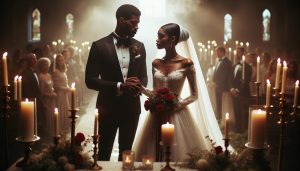
Planning your dream wedding involves countless details, and one of the most visually impactful elements is undoubtedly the flowers. From bouquets to centerpieces, blooms can elevate your celebration’s beauty and atmosphere. However, many couples often find themselves wondering, “How much should I budget for a florist?” In this article, we will break down the costs associated with hiring a florist for your wedding in 2025, providing insights that will help you make informed decisions. Understanding the typical expenditure-ranging from $1,500 to even over $4,000-will empower you to align your floral dreams with your budget. So, let’s dive in and explore the floral options available for your special day!
Understanding Florist Costs for Different Wedding Styles
When planning a wedding, understanding the diverse floral costs can significantly enhance the overall aesthetic of the celebration while staying within budget. Different wedding styles can influence the floral budget dramatically. For instance, a classic traditional wedding often calls for opulent floral arrangements, abundant centerpieces, and intricate bridal bouquets, which may lead to higher costs. In comparison, a minimalist or rustic-themed wedding may favor fewer flowers, such as wildflowers or seasonal blooms, which can be more budget-friendly yet equally beautiful.
For specific styles, floral costs can vary widely. For example, a beach wedding may require hardy, tropical blooms that are both visually stunning and resilient to the elements, while a vintage-themed wedding might incorporate dried flowers and heirloom varieties, potentially lowering costs due to their availability and unique look. The key is to align the floral choices with the couple’s vision for their day, ensuring that the flowers not only complement the venue and theme but also fit within the planned budget.
Moreover, geographical location plays an important role in determining floral prices. Urban areas may showcase more florists with a wider selection of styles, but often at a premium, whereas rural settings may provide local options that could be less expensive but limited in variety. It’s vital for couples to research and select florists who understand their desired wedding theme and can offer choices that keep both aesthetics and costs in mind. With thoughtful planning, the floral elements of a wedding can beautifully express the couple’s personal style without breaking the bank.
Factors Affecting Wedding Floral Prices
Understanding the dynamics of floral pricing can empower couples to make informed decisions that beautifully enhance their wedding day while aligning with their budgetary constraints. Several critical factors significantly impact the overall costs of wedding flowers, each contributing to the final price tag that florists will present.
One significant element is the type of flowers used. Seasonal blooms are generally more economical than off-season or exotic flowers, which can incur high import costs. Couples who can adapt their floral choices to align with local seasonal varieties often find they can enjoy more lush arrangements at a reduced expense. Additionally, the complexity of arrangements matters; intricate, multi-layered designs or elaborate centerpieces can escalate costs due to the time and skill required for their creation.
Geographical Influence
Geographical location also plays a crucial role in establishing floral prices. Couples in bustling urban centers may encounter a wide variety of florists and styles but should be prepared for the higher price points typical of metropolitan areas. In contrast, rural areas might offer more affordable options, although the florist selection could be limited. Understanding the local market can help couples strategize their floral budget more effectively, allowing them to either shop local or consider traveling a bit farther for a specialized florist.
Event Timing and Demand
The timing of the wedding significantly influences flower costs as well. Weddings scheduled during peak seasons, such as spring and summer, often require florists to charge more due to high demand. Conversely, choosing a date in the off-season may avail couples of better deals and more flexibility in their floral arrangements. Couples should also consider local holidays or events that might lead to floral shortages or increased pricing.
In essence, by factoring in these elements, couples can navigate the floral landscape with greater confidence, ensuring that their wedding day is not only visually stunning but also financially manageable. With some careful planning and research, the floral arrangements can reflect personal style and creativity without overshadowing the overall budget.
Average Wedding Floral Budget Breakdown
The journey to understanding wedding floral costs can be as intricate and beautiful as the arrangements themselves. On average, couples are investing between $3,500 and $7,500 for wedding flowers, with budgets that can sway as low as $1,000 for intimate elopements, or soar beyond $10,000 for grand occasions filled with lavish blooms [[1](https://www.lakeoswegoflowers.com/blogs/news/wedding-flower-budget-breakdowns?srsltid=AfmBOoqoUmDOm_xXnXeZEntvca5yLIMwJkIMh-w-upJ4z1RT2tUVbYwu)].
Here’s a typical breakdown of costs associated with common floral elements:
| Item | Cost (Approximate) |
|---|---|
| Bridal Bouquet | $250 |
| Bridesmaid Bouquets | $80 each |
| Boutonnieres | $20 each |
| Corsages (Pin-on) | $25 each |
| Corsages (Wrist) | $30 each |
| Reception Centerpieces | $120 – $600 each |
Such a budget allows for a variety of floral styles, catering to different themes and preferences. It’s crucial to prioritize your floral needs early on in planning, as each piece plays a significant role in the overall aesthetic of your celebration. When considering your floral budget, keep in mind the necessity to balance your desires with what is feasible, given your overall wedding budget.
To navigate these costs effectively, communication with your florist about your vision and budget is key. A strong partnership with a good florist will empower you to create stunning florals that align with your style while keeping spending within sensible limits. Whether it’s opting for seasonal blooms that are more economical or simplifying intricate designs, each choice will contribute to a vibrant floral display without compromising on heart or beauty.
Choosing the Right Florist: Key Considerations
Finding the right florist can transform your wedding flowers from simple arrangements into breathtaking displays that truly reflect your style and vision. When searching for a florist, consider not only their artistic capabilities but also their experience and understanding of your desired theme. A great florist should be able to interpret your ideas and tailor their designs to fit both your aesthetic and your budget.
Assessing Style and Compatibility
It’s essential to review a florist’s portfolio to ensure their style aligns with your vision. Ask to see examples of weddings they’ve previously worked on and inquire about their process for creating custom designs. Communication is key; a florist who listens attentively can often translate your ideas into beautiful, cohesive floral arrangements. Don’t hesitate to share inspirational images or mood boards, as these can significantly enhance the discussion and help in clearly outlining your expectations.
Understanding Floral Options and Services
Consider what specific services you need from your florist. Some florists offer full-service options, which include everything from design and setup to breakdown and cleanup after the wedding day. Others may provide a la carte services where you can select individual pieces – like bouquets, centerpieces, and ceremony decor. Assess your needs based on your wedding size and style. Additionally, inquire about their sourcing practices, especially for seasonal blooms, as this can greatly affect your budget and floral quality.
Budget Transparency
Discuss your budget openly with potential florists right from the start. A good florist will understand your budget constraints and help you prioritize essential florals while providing alternatives to stay within your spending limit. They should also be clear about any additional costs, such as delivery or setup fees. This honest dialogue promotes trust and ensures that both parties are on the same page.
Read Reviews and Get References
Finally, don’t skip the step of researching customer feedback. Online reviews and recommendations from friends or family can give you insight into a florist’s reliability and customer satisfaction. When possible, ask former clients about their experience, the quality of flowers, and how well the florist adhered to the budget.
Choosing a florist is an integral aspect of planning your wedding and can significantly enhance the celebration’s beauty. By taking the time to assess style, understand services, communicate your budget, and check reviews, you can find a florist who will help bring your vision to life, making your big day even more memorable.
Essential Floral Services for Weddings Explained
Planning a wedding involves many intricate details, and floral arrangements can dramatically elevate the aesthetic and emotional appeal of your celebration. Understanding the essential services provided by florists is crucial in selecting the right vendor to execute your vision. From bouquets to ceremony decorations, florists offer a range of services tailored to fit every couple’s unique style.
A full-service florist typically handles everything from the initial concept and design to the setup and teardown on the wedding day. This often includes:
- Bouquets: Bridal bouquets, bridesmaids’ bouquets, and corsages for family members.
- Centerpieces: Floral arrangements for tables during the reception, which can range from simple vases to elaborate displays.
- Ceremony Décor: Flowers for the altar, aisle markers, and other decorative elements that enhance the ceremony space.
- Delivery and Setup: Ensuring that all floral arrangements are delivered on time and set up according to your wedding day schedule.
- Cleanup: Post-event service that involves dismantling and removing floral arrangements, often included in a full-service package.
Some florists may also offer specialized services, such as floral installations for unique venues, personalized designs that reflect cultural traditions, or rental items like vases and arbors. When selecting a florist, it’s essential to discuss what specific services you require and how they fit into your overall vision and budget.
Moreover, understanding seasonal floral trends can also influence your choices. Florists often recommend flowers that are in season to ensure freshness and reduce costs. Engaging in conversations about what blooms are available at your specific time of year can lead to stunning arrangements that resonate with the season’s beauty.
By being informed about the breadth of floral services, you empower yourself to make decisions that not only enhance the beauty of your wedding but also ensure that everything goes smoothly on your special day. Whether you desire a lavish floral display or a more understated look, the right florist can help transform your dream into a floral reality.
Seasonal Floral Trends and Their Impact on Costs
Selecting seasonal flowers for your wedding not only enhances the aesthetic appeal but can also significantly impact your overall floral costs. Typically, florists base their pricing on flower availability and demand influenced by the season. For instance, popular blooms like peonies are abundant in late spring and early summer, translating into lower prices when compared to off-season purchases. Understanding the seasonal trends enables couples to choose arrangements that are not only visually stunning but also budget-friendly.
When planning your wedding, consider the seasonal offerings that florists highlight for each time of year. In the spring, you might enjoy delicate cherry blossoms and vivid tulips, while summer boasts vibrant sunflowers and lush hydrangeas. Fall brings rich color palettes with dahlias and chrysanthemums, and winter can feature elegant evergreens, which are often more cost-effective than rare blooms. By embracing the seasonal aesthetic, couples can achieve beautifully cohesive designs while also appealing to their wallets.
Communicating with your florist about the best seasonal flowers can yield creative options that enhance your wedding theme. Many florists are adept at suggesting alternatives when the couple expresses styles or colors but is constrained by budget. They can propose arrangements that capture the same feel using in-season flowers, keeping your budget intact. Additionally, going local can bolster savings as florists often have established relationships with regional growers, leading to lower transport costs and fresher products. This approach not only benefits your budget but supports local businesses, making your floral decisions even more impactful.
A strategic approach to flowers opens the door to unique designs that resonate with the season, can evoke cherished memories, and are much more sustainable. This thoughtful planning allows couples to celebrate their love story while being mindful of their environmental footprint and budget, ensuring that every floral detail aligns seamlessly with their vision.
DIY vs. Professional Flower Arrangements: Pros and Cons
Crafting the perfect floral arrangements for your wedding is an exciting opportunity to express your unique style, but deciding whether to opt for DIY solutions or hire a professional florist can greatly influence both the ambiance of your celebration and your budget. The allure of DIY arrangements lies in their potential for cost savings and personal expression. Many couples find joy in hand-picking flowers and creating custom pieces that reflect their personalities, which can also serve as a fun pre-wedding activity with friends and family. However, the reality of executing these arrangements can be more challenging than anticipated, especially when factoring in the time commitment and the skill required to achieve a polished look.
On the other hand, going the professional route brings with it extensive expertise and a stress-free experience. Florists are trained not just in design, but also in the logistics of sourcing the freshest blooms, ensuring everything arrives on time, and managing potential last-minute issues. The average cost of wedding flowers for a wedding in the U.S. can range significantly, with bridal bouquets averaging around $250, highlighting the investment involved when you decide to leverage a florist’s knowledge and experience[[2]](https://www.brides.com/story/how-much-do-wedding-flowers-cost-carmel-valley).
When weighing the pros and cons, consider the following factors:
- Budget: DIY can be cheaper but might require additional expenses for tools, materials, and cleanup. Professionals can offer package deals that sometimes reduce costs in the long run.
- Time: Crafting arrangements takes time away from other wedding preparations. Florists handle everything on your behalf, allowing you to focus on enjoying the planning process.
- Skill Level: If you or your family have floral design experience, DIY might be feasible, but if not, outcomes may vary widely in quality.
- Stress Level: Hiring professionals can alleviate worries about timing and quality, whereas DIY can be rewarding but may lead to additional stress as the big day approaches.
Ultimately, the decision will depend on your priorities and circumstances. For some, the charm of personalized DIY arrangements can be the perfect touch for their wedding vision, while others may find peace of mind in entrusting their floral needs to seasoned experts. Whatever choice you make, ensure it reflects your love story and complements your special day.
How to Save on Wedding Floral Expenses
When planning your wedding, floral expenses can quickly add up, but with some creative strategies, you can bring those costs down significantly. One effective approach is to opt for seasonal flowers. Using blooms that are in season not only guarantees freshness but also tends to be more cost-effective-local florists will often have these flowers priced lower than out-of-season varieties, which may need to be imported.
Another excellent way to save is by prioritizing your floral needs. Focus on key areas that make the biggest impact, such as the bridal bouquet, centerpieces for tables, and floral arrangements for the ceremony. Consider using fewer flowers or opting for larger statement pieces rather than multiple small arrangements. This can create a stunning effect while reducing overall flower quantity.
Furthermore, explore package deals offered by florists. Many professionals provide bundled services that combine multiple floral needs-like bouquets, centerpieces, and boutonnieres-at a discounted rate. Discuss your vision with potential florists, as they may come up with creative solutions that fit your budget while still delivering on aesthetics and quality.
Additionally, embracing a DIY approach for some floral elements-such as welcome bouquets or decorations for guest tables-can be both fulfilling and budget-friendly. If your family or friends have an artistic flair, involving them in the creation of simple arrangements can be a memorable and enjoyable experience. Just ensure to allocate time for this, as last-minute DIY projects can become stressful.
Lastly, don’t hesitate to reach out to multiple vendors. Comparing prices and services from various florists allows you to find the best deal without sacrificing quality. Take the time to communicate your budget openly when discussing options. Many florists appreciate transparency and are often willing to work within your guidelines to help you achieve the wedding of your dreams without breaking the bank. By implementing these strategies, you can craft a beautiful floral experience that enhances your special day while keeping expenses manageable.
Adding Personal Touches: Custom Floral Designs
Creating custom floral designs for your wedding allows couples to showcase their unique style and love story in a way that feels deeply personal. Flowers can transcend mere decoration; they become meaningful symbols, whether it’s a particular bloom that has special significance or a color palette that reflects your relationship. As you start to explore options for floral arrangements, consider how each piece can evoke emotions and create memorable visuals throughout your celebration.
One approach to adding personal touches is to incorporate heirloom flowers or plants that hold sentimental value. For instance, including flowers from a loved one’s garden or choosing blooms that were part of your parents’ wedding can add a layer of nostalgia. You might also choose colors that are meaningful to your relationship, such as the shades from your first date or your shared favorite hues. Discussing these ideas with your florist can lead to creative arrangements that truly resonate with you.
Additionally, custom floral designs can extend beyond bouquets and centerpieces. Think about how you can enhance the overall theme of your wedding with floral elements integrated into the ceremony backdrop, cake decorations, or even floral installations that create focal points throughout the venue. Consider incorporating less conventional elements, such as dried flowers or unique greenery, which can complement your style while staying within budget. These choices not only make your wedding distinctive but can also impact overall floral costs.
Lastly, collaboration with your florist is key to bringing your vision to life. Florists who specialize in custom arrangements are often eager to work alongside you to create something truly unique. Share your inspirations, Pinterest boards, or even sketches to ensure they fully understand your aesthetic. This partnership can lead to innovative designs that reflect your personality and love story, turning every floral detail into an integral part of your wedding’s narrative. Remember, the aim is to create a stunning atmosphere that feels intimate and authentic, providing an unforgettable experience for both you and your guests.
Local vs. Destination Florists: What to Know
Choosing between local and destination florists for your wedding can significantly impact your floral budget, the quality of service, and ultimately the aesthetic of your special day. Local florists often have a deep understanding of the region’s floral offerings and seasonal availability. This familiarity allows them to provide you with suggestions that complement your wedding style while also being mindful of costs. On the other hand, destination florists, who may be located in a different city or state, can often bring unique styles and higher-end blooms that are not easily accessible locally. However, they might also include travel fees and additional costs related to logistics.
When considering local florists, look for those with a strong presence in your community; they can often create arrangements that reflect local floral trends and provide timely service leading up to your wedding day. Their established relationships with local suppliers may also afford you better pricing. Local options might include florists who specialize in the types of arrangements that align with your vision-whether it’s bohemian, classic, or something entirely unique. Engaging with a local florist allows for more hands-on communication, making it easier to refine your floral plans and discuss any last-minute adjustments.
Destination florists can provide a distinct touch, especially if you’re planning a wedding in a picturesque location where specific floral types flourish. However, it’s essential to factor in the additional costs associated with logistics. These may include not only travel fees but also potential expenses related to transporting flowers across long distances, which might require careful planning to ensure the bloom’s freshness. In some cases, destination florists can also cater to a higher-end clientele and may incorporate exclusive design elements, which can elevate your wedding’s overall aesthetic.
Ultimately, the right choice depends on several factors, including your wedding’s location, budget, and personal style. To make an informed decision, consider scheduling consultations with both local and destination florists. This way, you can assess their portfolios, services, and pricing structures firsthand, helping you find the ideal balance between cost and creativity for your floral arrangements. Whichever route you choose, collaborating closely with your florist will ensure that your wedding flowers will perfectly align with your vision, making your big day unforgettable.
Preparing for Last-Minute Floral Changes
Last-minute changes in wedding floral arrangements can feel overwhelming, but with the right planning and communication, these adjustments can lead to beautiful outcomes. Whether it’s due to unexpected availability issues with certain flowers, a shift in your wedding theme, or even the whims of the weather, understanding how to manage these changes effectively can ensure your floral design remains stunning and cohesive.
One of the first steps in is to establish a solid communication line with your florist. Make it a point to discuss potential scenarios that might require changes to your order, such as flower substitutions or design adjustments. A professional florist should be well-equipped to provide alternatives that align with your vision and budget, ensuring a seamless transition if the need arises. It’s wise to have a list of preferred blooms and secondary choices that your florist can utilize, maintaining the aesthetic integrity of your floral arrangements even with last-minute adjustments.
Additionally, it is critical to confirm delivery timelines and setups. Proper planning with your florist will allow for flexibility without compromising quality. If possible, arrange to have your florals delivered a day prior to the wedding. This extra time can be beneficial for making any necessary adjustments and can alleviate stress on the day of the event. Also, be clear on who will handle any potential last-minute changes – whether it’s you, a member of your wedding party, or your planner. Having a designated point person can help maintain organization and keep everyone focused on the joyous celebration ahead.
While planning for potential changes might feel daunting, it can also be an opportunity for creativity and personal expression. Consider integrating fresh ideas or unexpected elements into your floral designs. For example, if a particular flower is unavailable, think about incorporating unique foliage or seasonal blooms that might enhance your wedding’s theme. Embracing the fluid nature of floral arrangements allows them to reflect your personality and the essence of your celebration, making each element of your wedding even more special.
Case Studies: Real Wedding Floral Budgets
As wedding planning unfolds, understanding how floral budgets can vary is crucial. Here are some real-world examples that highlight the diverse experiences couples have had when budgeting for their wedding flowers, showcasing how location, style, and preferences influence costs.
One couple in Sydney, opting for an elegant garden theme, allocated around $3,000 for their wedding flowers. Their budget included an array of blooms: exquisite bouquets for the bride and bridesmaids, elaborate centerpieces, and floral accents for the ceremony. They worked with a local florist who provided a detailed breakdown of costs, which included $200 for the bridal bouquet, $100 for each bridesmaid’s bouquet, and $1,500 for centerpieces. This couple learned early on the importance of setting clear priorities-focusing more on impactful displays rather than small details.
In contrast, a couple from a rural area opted for a more budget-friendly approach, spending around $800 for their entire floral arrangement. To achieve this, they chose seasonal flowers from a local market and enlisted friends and family to help with the arrangements. Their budget included $100 for the bridal bouquet, $50 for each of the two bridesmaids, and simple greenery for table decor. This case illustrates how DIY efforts combined with choosing local, seasonal blooms can create a stunning aesthetic without breaking the bank.
Table 1 below summarizes the budgets from various case studies:
| Location | Total Floral Budget | Bridal Bouquet | Bridesmaid Bouquets | Centerpieces | Notes |
|---|---|---|---|---|---|
| Sydney | $3,000 | $200 | $100 each | $1,500 | Elegant garden theme |
| Rural Area | $800 | $100 | $50 each | NA | DIY floral arrangements |
Each couple’s experience underlines the necessity of aligning floral choices with personal style and budget. Understanding the breakdown of costs aids in making informed decisions, emphasizing that whether through a lavish or modest approach, each wedding can bloom beautifully with the right planning and mindful budgeting.
Q&A
Q: What is the average cost of a wedding florist in 2025?
A: The average cost of wedding flowers in 2025 is about $1,500, with most couples spending between $700 and $2,500, depending on various factors such as location and floral selection. This average can help you set a realistic budget for your floral needs [[1]].
Q: How much should I budget per guest for wedding flowers?
A: A typical floral budget recommendation is approximately $50 per guest for a budget around $5,000, while a $25,000 budget could allocate up to $250 per guest. This breakdown helps you manage expectations and allocate funds appropriately [[2]].
Q: What factors affect the cost of wedding flowers?
A: Factors influencing wedding flower costs include the type of flowers chosen, seasonal availability, the complexity of arrangements, and the florist’s experience. Custom designs and last-minute requests can also increase expenses. Understanding these factors can help in making informed decisions [[3]].
Q: Are DIY wedding flowers cheaper than hiring a florist?
A: DIY wedding flowers can be less expensive, but consider the time and effort required. When assessing costs, include flower prices, materials, and potential waste. Hiring a professional florist often guarantees quality and stress-free execution [[3]].
Q: When should I book my wedding florist?
A: It’s recommended to book your wedding florist at least 6-12 months before your wedding date. This allows ample time for consultations, design discussions, and any custom requests you may have to ensure everything is perfect for your special day.
Q: What types of floral arrangements do I need for a wedding?
A: Essential floral arrangements for a wedding typically include bouquets, boutonnieres, centerpieces, and ceremony decor. Additional floral elements can be customized based on your wedding theme and your personal style, ensuring each detail complements the overall vision.
Q: How can I save on wedding flower expenses?
A: To save on wedding flower costs, consider using seasonal blooms, opting for fewer arrangements, or incorporating greenery. Additionally, booking your florist during off-peak seasons can also provide cost savings without compromising quality.
Q: What are some seasonal trends for wedding flowers in 2025?
A: Seasonal floral trends in 2025 include bold colors with textured greens, sustainable sourcing, and minimalistic designs. Staying updated on these trends can enhance your floral choices and overall wedding aesthetic, reflecting contemporary styles that guests will appreciate.
The Way Forward
As you plan your dream wedding, understanding the costs associated with a florist is crucial for successful budgeting and ensuring your vision comes to life. By breaking down the expenses for 2025, you can make informed decisions about floral arrangements that enhance your special day without breaking the bank. Remember, investing in quality blooms can make a significant impact on your wedding’s ambiance, so consider your priorities when choosing your florist.
For more tips on managing your wedding budget effectively, check out our guide on wedding planning costs, or explore vendor coordination strategies to streamline your planning process. Don’t forget to sign up for our newsletter for exclusive resources and expert advice right in your inbox! Share your thoughts or experiences in the comments below-we love hearing from you! Whether you’re dreaming of elaborate centerpieces or simple, elegant bouquets, we’re here to support you every step of the way in your wedding planning journey. Your perfect day is just around the corner!