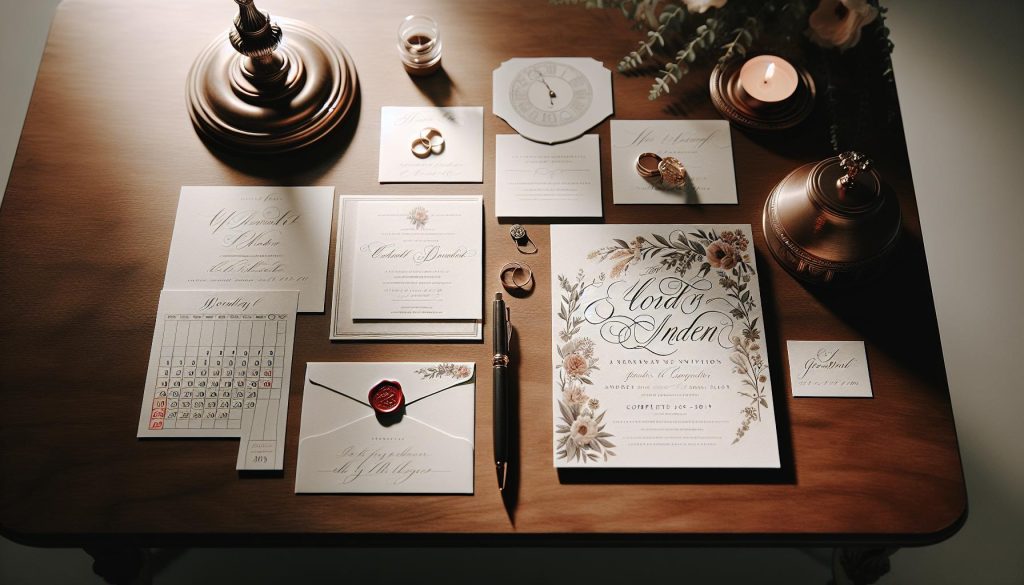
Wedding invitations are more than just a piece of paper; they’re the first glimpse your guests will have of your special day. They set the tone and convey essential information about the celebration, from the venue to the dress code. However, knowing exactly what to include can be daunting, especially with the blend of personal preferences and traditional etiquette. This guide will walk you through the must-have elements of a wedding invitation, ensuring you don’t miss a beat in this vital aspect of your wedding planning journey. Dive in to explore how to craft invitations that not only inform but also excite your loved ones about your beautiful upcoming celebration!
What Information Must Your Wedding Invitation Include?
When planning a wedding, one of the most important elements to consider is the invitation, as it sets the tone for the entire event and informs guests of crucial details. To ensure your guests have all the necessary information, there are several key components that your invitation must include.
First and foremost, the names of the couple should be prominently displayed, often with the bride’s name appearing first in traditional invitations. Following this, the date and time of the ceremony must be clearly stated. This is the heart of the invitation, and it’s crucial that it leaves no room for confusion.
Next, include the venue location, complete with the name of the venue and its address. For weddings taking place at different locations-such as a ceremony site followed by a reception-it’s a good idea to specify each one. If there are specific details about parking or directions, consider adding this information too.
Moreover, don’t forget to include RSVP details. This could be a separate card enclosed with the invitation, or you could direct guests to a wedding website. Make it easy for them to confirm attendance by providing a deadline and any relevant instructions.
Lastly, if your event has a specific theme or dress code, mention this clearly to prepare your guests. Whether it’s a formal black-tie affair or a casual beach wedding, letting them know how to dress will help elevate the overall experience. With these essential elements in mind, your wedding invitation will effectively convey all the vital information your guests need, while also reflecting your unique style and vision for the day.
The Importance of Wedding Invitation Design
Designing a wedding invitation is more than just selecting fonts and colors; it is an integral part of storytelling that communicates your unique love story to your guests. The design of your invitation sets a visual and emotional tone for your wedding day, offering a glimpse into what guests can expect. A well-crafted invitation can evoke excitement and anticipation, while a poorly designed one may leave guests confused or indifferent. The importance of aesthetic appeal cannot be overstated-it is a reflection of your personal style and the atmosphere of your celebration.
When considering the invitation’s design, focus on incorporating elements that resonate with your wedding theme and couple’s personality. For instance, if you’re planning a rustic barn wedding, earthy tones and natural textures can enhance the overall feel. Bright colors and whimsical patterns might be perfect for a vibrant beach ceremony. Not only do these design choices make the invitation visually appealing, but they also establish a thematic continuity that guests will appreciate as they experience the wedding day.
It’s essential to keep readability in mind throughout the design process. An elegant script may be beautiful but can prove difficult to read, which might lead to misunderstandings regarding important details. Striking a balance between aesthetics and clarity should be a priority-ensure that all essential information stands out. Additionally, think about the medium-will you opt for traditional paper invites, or do you envision digital formats that can be shared effortlessly across platforms? Each choice sends a message about how you view your celebration.
Before finalizing your design, sharing drafts with family or friends for feedback can provide invaluable perspectives. They may catch details you might have overlooked and offer insights to enhance overall communication. Remember, your wedding invitation is often the first glimpse your loved ones will have into your special day-make it count by ensuring it embodies the joy, love, and excitement that fills your celebration.
How to Choose the Right Invitation Style
Choosing the perfect invitation style is a pivotal step in setting the tone for your wedding. The invitation not only communicates essential details about the event but also serves as a reflection of your personality and the celebration’s overall theme. As couples embark on this exciting journey, it’s important to consider how various styles can align with their unique love story and vision for the day.
When selecting an invitation style, begin by contemplating your wedding theme and venue. Is your celebration going to be a formal affair in an elegant ballroom, or perhaps a casual gathering in a garden setting? Each scenario dictates different invitation styles. For a classic, formal wedding, elegant script fonts and luxurious paper stocks might be the way to go. In contrast, a bohemian-themed wedding could embrace playful designs with floral accents and vibrant colors. Visual cohesion between your invitation and the wedding atmosphere can enhance your guests’ anticipation.
Additionally, consider your personal aesthetics and how they can be translated into the invitation’s design. Whether you opt for a vintage look, modern minimalist, or rustic charm, the style should feel authentic to both you and your partner. Take inspiration from your wedding colors, personal hobbies, or shared experiences to create a custom invitation that tells your story. Remember, this is a chance to express your individuality, so don’t shy away from unique elements-like custom illustrations or textured finishes-that resonate with you.
Finally, be mindful of the practical aspects surrounding invitation styles, such as budget and timelines. Explore a wide range of options within your price point, noting that while custom designs can be memorable, they may also require additional time for production. Balancing aesthetic desires with logistical considerations will ensure a smoother planning process and set the right expectations for what your guests will experience on your special day. By weaving together these elements, you’ll create an invitation that is not only informative but also a true representation of your love story.
Essential Details: Date, Time, and Location
Your wedding invitation sets the stage for your celebration and is crucial in conveying key information to your guests. The essential details-date, time, and location-are non-negotiable inclusions that ensure your loved ones can join you on your special day. As you craft this important element of your wedding planning, consider how to present these details clearly and elegantly, while still reflecting your style.
For the date, prominently display the day of the week, the full date, and the year. This clarity helps to avoid any confusion, particularly for guests who may need to travel from afar. You might write it like this: “Saturday, the Twenty-Third of July, Two Thousand Twenty-Three.” Such formality can beautifully complement more traditional themes but can be adjusted to match a more casual invitation style as well.
Next, the time should be easy to spot and clearly stated. Use words instead of numerals to add a touch of sophistication: “at Four O’Clock in the Afternoon” or “Half Past Six in the Evening.” Additionally, specifying the time zone can be extremely helpful, especially if you have guests coming from different regions.
Lastly, the location is where you want to be both descriptive and precise. Include the full address, and consider adding landmarks or specific directions if your venue is hard to find. You can lay it out in a way that emphasizes both the venue name and its address for clarity. For example, “The Grand Ballroom at the Rosewood Mansion, 1234 Wedding Lane, YourCity, YourState.”
Including these details thoughtfully not only demonstrates your meticulous planning but also ensures your guests feel informed and welcomed. Maintaining a balance between elegance and simplicity in presenting these core details allows you to express your unique style while keeping the invitation functional for those it intends to invite.
Crafting the Perfect Wording for Your Invitation
Crafting the perfect wording for your wedding invitation is an art, blending creativity with clarity. The language you choose sets the tone for your celebration, making it essential to use words that reflect your style and relationship. Whether you’re opting for traditional, modern, or whimsical wording, ensuring that it aligns with the overall theme of your wedding is crucial.
Consider starting with a warm introduction, perhaps referencing the hosts of the event-often the bride’s and groom’s parents if adhering to tradition. A classic example might be, “Mr. and Mrs. John Smith request the honor of your presence at the marriage of their daughter…” This formal approach instills a sense of tradition and respect, appealing to guests who value etiquette. However, if you’re looking for a more contemporary feel, you might say, “Join us as we say ‘I do'”-a direct invitation that resonates well with younger audiences.
In addition to the welcoming text, be mindful of the key components that need to be included in the body of the invitation. Clearly state the essential details such as the names of the couple, the wedding date, time, and location, ensuring these elements are easily digestible. For example, “Saturday, the 12th of June, 2025, at three o’clock in the afternoon, at the Enchanted Garden, 123 Celebration Blvd, YourCity.” This structure offers clarity while allowing for personal touches, such as quotes, song lyrics, or poems that reflect the couple’s story.
Moreover, incorporating unique design elements can enrich your invitation’s wording. To add playfulness, you might include a line about festivities following the ceremony, such as, “Let’s celebrate love and laughter at the reception, immediately following the ceremony!” This not only conveys practical information but also builds excitement for the guests. Remember, each word on your invitation is a chance to express who you are as a couple-embrace the opportunity to make it uniquely yours.
Incorporating RSVP Details Effectively
Crafting the RSVP section of your wedding invitation is a crucial step that not only helps you manage your guest list but also ensures a smooth flow for your special day. An effective RSVP request provides clarity for your guests, making it easy for them to respond and indicating the importance of their attendance. It’s a chance to set the tone for your celebration, emphasizing that their presence will be cherished.
To start, clearly communicate how your guests should respond. Whether you opt for a traditional RSVP card or a modern digital method, make sure the instructions are easy to follow. For instance, if providing a card, include a line such as, “Please respond by [RSVP date] by filling out the card or visiting [website link].” If using a digital option, ensure that the link works seamlessly and is visually appealing. Consider setting an RSVP deadline that allows ample time for your planning, ideally three to four weeks before the wedding day.
Incorporate options for your guests to indicate their meal preferences or any special needs they might have. A simple checklist on the RSVP card can include options like, “Steak, Chicken, Vegetarian,” or even space for dietary restrictions. This not only makes your catering planning easier but also shows that you care about your guests’ preferences and comfort.
Additionally, remember to express gratitude for their prompt responses. A phrase such as, “Your presence means the world to us,” can go a long way in creating a warm sentiment. By thoughtfully designing the RSVP details, you’re enhancing the overall guest experience while keeping your wedding preparations organized and efficient.
Understanding Different Invitation Formats
When planning your wedding, the format of your invitations plays a critical role in conveying the right message and setting the tone for your celebration. Different formats not only reflect your personal style but also signify the formality of the event, helping guests understand what to expect. From traditional paper invitations to modern digital formats, each choice comes with its own benefits and considerations.
Traditional Paper Invitations
Paper invitations remain a classic choice, often perceived as the most formal option. They can be elegantly designed, allowing for a variety of textures, colors, and styles to match your wedding theme. Here are a few popular styles to consider:
- Flat Cards: A straightforward design that includes all necessary details in a clean layout.
- Folded Invitations: These provide ample space for information and can include additional insert cards for details like directions or registry info.
- Laser-Cut Invitations: An artistic choice where intricate designs or patterns are cut out of the paper, adding a unique touch.
Digital Invitations
In today’s fast-paced world, digital invitations are becoming more popular due to their convenience and eco-friendliness. These can be sent via email or through wedding websites, allowing for instant delivery and easy RSVP tracking. Consider these options:
- Email Invitations: Great for casual weddings, these can include colorful graphics and hyperlinks to your wedding website.
- Wedding Websites: A comprehensive digital alternative where you can share your love story, event details, and RSVP options all in one place.
- Social Media Invites: Perfect for informal gatherings, these can be shared on platforms like Facebook or Instagram.
Hybrid Invitations
Combining elements of both traditional and digital formats, hybrid invitations often include a printed component that is paired with a digital RSVP method. This is a wonderful way to maintain the elegance of paper while adding modern convenience.
Regardless of the format you choose, ensure that your invitations accurately represent your wedding’s tone-whether it be formal, casual, or themed. Not only will this help your guests feel prepared, but it will also contribute to the overall ambiance of your wedding celebration.
Adding Personal Touches: Themes and Colors
Incorporating personal touches into your wedding invitations is not only a way to express your individuality but also to share a piece of your love story with your guests. The themes and colors you choose can set the tone for your entire celebration, allowing your invitations to serve as a beautiful introduction to the day ahead. By thoughtfully selecting design elements that resonate with you as a couple, you create a unique and memorable experience that echoes throughout your wedding.
When considering themes, think about what connects you and your partner. Whether it’s a shared love for travel, nature, or a specific cultural heritage, your theme can inspire the invitation’s design. For example, if you both adore a vintage aesthetic, consider using antique fonts, soft pastels, and lace accents. Alternatively, if you aim for a modern look, crisp lines, vibrant colors, and minimalist design can make a stunning statement. Don’t hesitate to incorporate meaningful symbols or motifs that reflect your journey together, making the invitation more personal and significant.
Colors are equally vital, as they evoke emotions and set the atmosphere for your wedding. Think about the seasonal palette or the hues that hold special meaning for you as a couple. For instance, rich jewel tones might be perfect for a winter wedding, while bright pastel colors could bring a cheerful vibe for a spring or summer event. Using consistent color themes across all your wedding stationery, including save-the-dates, menus, and programs, can create a cohesive and polished look that delights your guests.
In crafting your invitations, remember to balance aesthetics with functionality. Ensure that the chosen theme and colors enhance the readability of the essential details, such as date, time, and location. Including decorative elements should enhance, not detract from, the clarity of your message. By blending creativity with practicality, you’ll create invitations that not only look beautiful but also provide clear information, setting the stage for a wonderful celebration ahead.
Cultural Considerations in Wedding Invitations
Understanding and incorporating cultural considerations into wedding invitations is essential for capturing the essence of your unique love story while honoring your heritage. Different cultures have their own esteemed traditions, symbols, and etiquettes that can beautifully influence the style and content of your invitations. Therefore, being mindful of these factors not only enriches your wedding’s narrative but also demonstrates respect for your background and the diverse backgrounds of your guests.
One of the first steps is to determine if there are specific customs or traditions that should be included in the design and wording of your invitations. For instance, in Jewish weddings, it is customary to include Hebrew text and symbols such as the Star of David. Similarly, in Indian weddings, guests may expect vibrant colors and motifs, often featuring henna or intricate patterns. Similarly, African and Asian cultures often utilize unique designs and language that reflect their rich histories. Recognizing these elements can help create invitations that resonate deeply with your guests and convey your appreciation of these distinct cultural threads.
The language used in invitations can also reflect cultural nuances. If your event blends different cultures, you might consider providing bilingual invitations or incorporating phrases that salute both traditions. Additionally, symbols and icons may carry different meanings across cultures, so choosing the right imagery is paramount-for example, lotus flowers represent purity and enlightenment in many Eastern cultures, while doves symbolize peace and love universally.
Incorporating personal elements also allows for creativity and custom designs that are reflective of your heritage. Think about traditional colors associated with your culture-for example, red is often a symbol of good fortune in Asian weddings- and incorporate these into your invitation designs to create a visually stunning and culturally meaningful presentation. You can involve cultural artifacts such as pagodas for Asian themes or adding lace for a vintage European flair, ensuring that each design choice is purposeful and culturally respectful.
By marrying tradition with personal flair, your wedding invitations can serve not only as a practical notification for your guests but also as a beautiful tribute to the rich tapestry of your backgrounds, leading to a celebration that is both inclusive and joyful.
Tips for Addressing and Sending Invitations
Addressing and sending wedding invitations is a crucial step that sets the tone for your big day while ensuring your guests receive the right information in a timely manner. A well-addressed envelope not only conveys respect and consideration for your guests but also adds a touch of elegance and personalization to your invitation suite.
To begin with, it’s essential to gather accurate addresses for each guest. Create a comprehensive list that includes their full names, titles, and current mailing addresses. Make sure to clarify the preferred names, especially for those who might be known by nicknames. When addressing invitations, consider using formal titles such as “Mr.,” “Mrs.,” and “Dr.” for added respect. If the invitation is for a family, it’s appropriate to address it to the entire family, such as “The Smith Family,” rather than listing individual names unless you’re seeking a more formal approach.
When it comes to the actual formatting on the envelope, ensure that the return address is positioned at the top left corner, while the recipient’s address should be centered on the front. For a polished look, hand lettering can add a personal touch; however, if time is limited, utilizing beautifully printed labels can also be acceptable. Always remember to include the correct postage-postage rates can vary based on the invitation’s weight and size, so it’s wise to weigh an invitation with all enclosures before buying stamps.
Once your invitations are addressed and stamped, the timing of sending them is equally important. For destination weddings, aim to mail invitations at least three months in advance, allowing guests ample time to plan. For local weddings, sending invitations six to eight weeks prior is traditionally acceptable. Incorporating a clear RSVP date helps manage your guest list effectively, ensuring you know who can attend and allowing you to finalize your seating arrangements.
In an increasingly digital world, don’t hesitate to follow up with guests through calls or messages, particularly for those who haven’t responded by the RSVP date. This practice not only helps finalize numbers but also reinforces your excitement about sharing your special day with them. By paying close attention to the details of addressing and sending your invitations, you set a positive and inviting tone for your wedding festivities.
Managing Your Guest List for a Seamless Process
Successfully managing your guest list is integral to a smooth wedding planning experience. A well-organized guest list not only helps streamline your invitation process but also enhances the overall atmosphere of your celebration as you bring together the people most important to you. To start, create a comprehensive spreadsheet that includes guests’ names, contact information, and RSVP statuses. This centralizes your data, making it easier to track who is attending and any special accommodations they may require.
Effective Strategies for Guest List Management
Begin by categorizing your guests into groups. You might have categories such as immediate family, extended family, friends, and colleagues. Organizing your list this way allows for a clearer picture of your numbers and can help you identify any overlaps or conflicts among guests. For instance, if you’re planning a small wedding, carefully consider whom to prioritize from each group. Aim for a balance that honors your closest relationships while still being considerate of the overall size of your venue and budget.
Once you’ve established your initial list, send out your invitations promptly. Including RSVP details, such as an email, website, or phone number for responses, is crucial. Make sure to also set a firm RSVP deadline, usually about two to four weeks before the wedding, to give you ample time to finalize seating arrangements. As the response deadline approaches, consider following up gently with guests who haven’t yet responded. This step shows that you care about their attendance and helps ensure that you have an accurate count for catering and seating logistics.
Honor Unique Considerations
Remember, each wedding has its unique dynamics influenced by cultural backgrounds, family traditions, and personal preferences. Be mindful of the specific needs of your guests; for example, consider dietary restrictions or accessibility requirements for elderly guests or children. This thoughtful attention not only reflects your values but can also help avoid complications on the day of your event.
You might also think about the format of your event when creating your guest list. For larger, more formal weddings, a structured seating chart can help ease the process of gathering loved ones together. Conversely, more intimate gatherings may invite a relaxed approach, allowing guests to mingle freely. Regardless of the style of your wedding, a well-managed guest list is foundational to creating a joyful and cohesive celebration, and it sets the stage for many treasured memories in the years to come.
Budgeting for Your Wedding Invitations
While planning a wedding, it’s essential to keep in mind that every detail counts, especially when it comes to invitations. Often, couples overlook the importance of budgeting for wedding invitations, but understanding the costs involved can lead to smarter choices and better overall planning. The invitation is not just a piece of paper; it’s the first glimpse guests have of the style and tone of your special day, making it an important aspect of your celebration.
To start, it’s crucial to establish a clear budget for your invitations. Factors influencing the cost include the type of materials used, the style of the design, and printing methods. Here are some practical components to consider when :
- Design Costs: If you’re opting for custom designs, prices can vary significantly based on the designer’s experience. Budget-friendly alternatives include online templates and DIY options.
- Printing Costs: Traditional printing methods like letterpress or foil stamping can be more expensive. Digital printing is often more budget-friendly. Don’t forget to account for bulk printing discounts if you’re ordering in larger quantities.
- Envelope and Additional Inserts: Don’t forget the cost of envelopes, which can range from basic to custom designs. If you’re including additional items like RSVP cards or details on accommodations, budget for those as well.
- Postage: For invitations that are larger or heavier than standard sizes, postage can add up quickly. Be sure to weigh your envelopes to get an accurate mailing cost.
Additionally, it’s wise to allocate funds for any unforeseen expenses that may arise. As you refine your budget, conducting some research on various providers can help you compare prices effectively, allowing you to find the best value without compromising on design.
By planning your invitation budget thoughtfully, you can ensure that every detail aligns with your overall wedding vision, making the process of showcasing your unique style both enjoyable and financially sensible. Remember, your invitations set the stage for your celebration, so investing appropriately is key to creating the perfect first impression for your guests.
FAQ
Q: What are the essential components of a wedding invitation?
A: A wedding invitation should include the names of the couple, the date, time, and venue of the ceremony, along with RSVP information. Additional details like dress code, reception location, and any wedding website links can enhance the invitation.
Q: How do I word my wedding invitation?
A: Wedding invitation wording should be clear and formal. Start with the hosts’ names, followed by the couple’s names, event details, and RSVP information. For example, “Mr. and Mrs. John Smith request the honor of your presence at the marriage of their daughter…”
Q: When should wedding invitations be sent out?
A: Wedding invitations should ideally be sent out six to eight weeks before the wedding date. For destination weddings, consider sending them three months in advance to allow guests ample time to make travel arrangements.
Q: Should I include a wedding registry on the invitation?
A: It’s best practice not to include registry information directly on your wedding invitation. Instead, provide this on a wedding website or in a separate communication to avoid appearing too forward about gifts.
Q: How can I personalize my wedding invitation?
A: Personalizing a wedding invitation can include using unique typography, colors that match your wedding theme, or including a custom illustration. Additionally, adding touches like monograms or a personal message can make your invitation feel more special.
Q: What is the etiquette for addressing wedding invitations?
A: Address invitations formally, using full names and titles (e.g., Mr. and Mrs. John Smith). For couples living together, include both names on the same line, such as “Emily Johnson and John Doe.” Ensure accuracy in spelling and titles.
Q: Is it necessary to include directions on the wedding invitation?
A: While it’s not mandatory, including directions or a map can be helpful, especially for venues that are hard to find. Alternatively, you can direct guests to a wedding website for detailed information, including directions.
Q: What cultural considerations should I keep in mind for wedding invitations?
A: Be aware of cultural customs that may affect your invitation wording and design. For instance, some cultures may prefer formal titles, while others may have specific traditions regarding the order of names. Researching these elements can show respect for your guests’ backgrounds.
In Retrospect
Now that you have a comprehensive understanding of what to include in your wedding invitation, it’s time to take the next step. Don’t let the details overwhelm you; use this guide as your go-to resource for crafting the perfect invites that reflect your unique love story. Need more inspiration? Explore our articles on customizable wedding invitation designs and budget-friendly options to make your dreams a reality.
As you dive deeper into your wedding planning journey, consider signing up for our newsletter to receive expert tips and exclusive resources straight to your inbox. Whether you’re planning an extravagant celebration or an intimate gathering, we have the insights to help you create an unforgettable day. Share your thoughts in the comments below and let us know your biggest wedding planning challenge-together, we can make your special day a success!