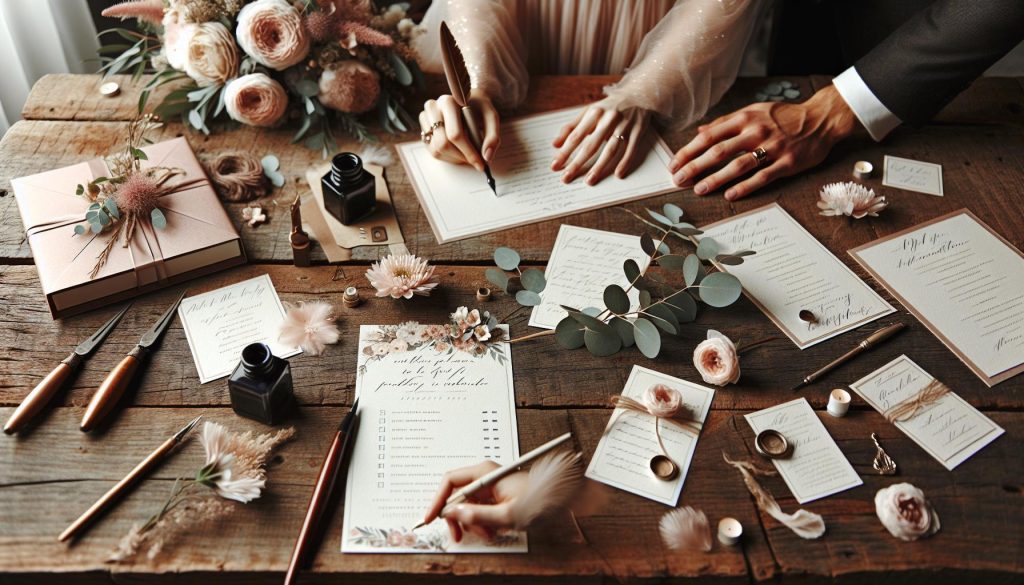
When it comes to wedding planning, crafting the perfect invitation is your first chance to set the tone for a memorable celebration. Did you know that the right invitation can not only convey essential details but also showcase your unique personality as a couple? From listing the date and venue to including vital RSVP information, knowing what to include in your wedding invitation can alleviate stress and ensure your guests are well-informed. This checklist will guide you through the essential elements to make your invites truly shine, helping you create excitement for your big day while respecting various traditions and preferences. Dive in to discover how to create invitations that resonate with your loved ones and reflect your love story beautifully!
Essential Components of a Wedding Invitation
Creating a wedding invitation is more than just a formality; it’s an essential part of setting the tone for your special day and elegantly communicating vital details to your guests. Your wedding invitation serves as the first glimpse into your celebration, allowing you to express your personal style and the essence of your event. Thus, it’s crucial to include specific components to ensure clarity and maintain the excitement.
Start with the hosts’ names, typically listing the individuals or families organizing the wedding at the top. Traditionally, the bride’s parents’ names are listed first, followed by the groom’s. Following this, the couple’s names should be prominently displayed, indicating who is getting married. Next, specify the date and time of the event, using clear and elegant language. For instance, instead of “5:00 PM,” you could phrase it as “Half past four in the afternoon,” which adds a touch of sophistication.
The venue information is another critical component, including the name of the location followed by the full address. This allows guests to plan accordingly. Moreover, consider including instructions on dress code or mention if the ceremony style is formal or casual. For many couples, offering a glimpse into your theme through subtle wording can enhance the invitation’s allure.
Finally, an RSVP section is essential for tracking responses and managing your guest list effectively. You can invite guests to RSVP by a particular date through a separate card or an online link, which makes it easier for both you and your guests. By covering these essential elements, you’re not only crafting an invitation but also creating a memorable first impression for your wedding.
Choosing the Perfect Wording for Your Invitations
Choosing the right wording for your wedding invitations is a vital step that can set the tone for your special day. Your choice of words not only conveys important details but also reflects your personality as a couple. It’s essential to strike a balance between traditional etiquette and personal flair, so your invitation feels both respectful and uniquely yours.
Begin with a clear declaration about the event, such as “Join us for the wedding of” or “We invite you to celebrate the union of.” Including the full names of both partners helps to ensure that guests understand who is being wed. When it comes to the details, instead of simply stating the date and time, consider a more poetic phrasing, such as “On the 5th of June at half past four in the afternoon.” This adds an element of grace and formality to your invitation while allowing your creativity to shine through.
It’s also important to express the vibe of your wedding through your wording. If it’s a formal occasion, your language should reflect that. Phrases such as “black tie attire requested” can guide guests in dressing appropriately. Conversely, if your celebration is more casual, words like “come as you are” can convey a relaxed atmosphere. This helps your guests set their expectations for the day.
Don’t forget to make your RSVP request clear and straightforward. Whether it’s a traditional card enclosed or a link to a digital response form, ensure your guests know how and when to respond. Clear wording here not only aids in logistics but also emphasizes your desire to have them at your celebration. With these elements in mind, take the time to craft wording that feels true to your relationship and exciting for your loved ones.
Understanding Invitation Etiquette for Weddings
Understanding the ins and outs of wedding invitation etiquette can elevate your invitation game and impress your guests. A well-crafted invitation isn’t just a formality; it sets the tone for the event and portrays the importance of the occasion. Remember, the invitation is the first glimpse your guests will have into your celebration, so it’s essential to adhere to established norms while also reflecting your personal style.
One of the foundational elements of wedding invitation etiquette is ensuring that all names are spelled correctly and presented in a formal fashion. Use full names without nicknames to convey respect and seriousness. Traditionally, the host names (often the bride’s parents, but this can vary) are placed at the top of the invitation. If the couple is hosting the wedding themselves, it’s appropriate to use their names in lieu of the parents. Additionally, proper titles such as “Mr.”, “Mrs.”, and “Ms.” should be used as appropriate, especially when addressing more formal events.
The wording of the invitation should be clear and include essential details such as the couple’s names, the date, time, and location of the ceremony, and any pertinent notes regarding the reception or dress code. For example, phrases like “dinner and dancing to follow” can indicate the continuation of festivities. RSVP details are also crucial; include instructions for how guests should respond, whether by mail or online, and specify the deadline for replies.
In today’s diverse society, it’s also important to consider cultural customs and traditions that may affect your invitation etiquette. For instance, some cultures may require formal invitations months in advance, while others may prefer more informal notices. By respecting these unique traditions, you honor the backgrounds of all those attending.
Lastly, pay attention to the timing of sending out your invitations. Generally, invitations should be sent out six to eight weeks before the wedding date, allowing guests ample time to respond and make arrangements. For destination weddings or events requiring travel, consider sending save-the-date notices even earlier, perhaps five to six months prior. By mastering these details, you ensure your invitees feel valued and excited to attend your special day.
Designing Your Wedding Invitation: Style and Theme
Choosing the right style and theme for your wedding invitation is a crucial step that reflects the essence of your upcoming celebration. Your invitation should not only convey the essential details but also encapsulate the mood and aesthetics of your wedding. Whether you’re going for a rustic, elegant, or modern vibe, your invitation sets the stage for your guests, symbolizing the love story you are about to share.
To begin, start by selecting a theme that aligns with your wedding’s overall style. Couples who opt for a beach wedding might prefer light, airy designs featuring watercolor waves, seashell motifs, or tropical elements. On the other hand, a formal black-tie affair might call for classic fonts and opulent colors such as deep burgundy or gold accents. The color scheme and typography should complement each other and reflect not only your personalities but also the ambiance you wish to create. When choosing colors, consider not just what you love, but how those colors will resonate with your venue and the season in which you are getting married.
Next, think about including personal touches. Custom illustrations or a monogram can add unique flair, while elements such as floral designs can echo those present in your bouquet. Additionally, don’t underestimate the power of quality materials-using thick, textured card stock or incorporating foil stamping can elevate the overall appearance of your invitations. Choosing the right shape and size, like a traditional rectangular or a unique square or hexagonal cut, can also play a significant role in making your invites stand out.
Lastly, it’s vital to be mindful of the practical aspects of your design. Ensure that the essential details-including names, date, time, location, and RSVP information-are clearly visible and easy to read, regardless of your artistic choices. This way, your wedding invitation serves its primary function while also becoming a memorable keepsake for your guests. By thoughtfully integrating style, personal elements, and clarity into your wedding invitation design, you can create an enchanting first impression that resonates long after the celebrations have ended.
Including RSVP Details: What You Need to Know
Ensuring your guests know how to respond to your wedding invitation is crucial to your planning process, as it can significantly impact your final headcount and overall logistics. Including RSVP details not only facilitates organization but also adds a layer of clarity to your invitation, making it easier for your guests to understand what you expect from them. Consider this: a well-phrased RSVP call-to-action can boost your response rate and help you keep track of those joining your celebration.
When crafting the RSVP section, be clear about the preferred method of response. If you’re favoring tradition, including a physical RSVP card is a charming touch, allowing guests to mail it back. If efficiency is key, consider providing an email or a wedding website link for digital RSVPs. This is especially helpful for tech-savvy guests who prefer streamlined communication. Ensure that any deadlines are clearly stated, typically around 2-4 weeks before the wedding, allowing enough time for finalizing seating arrangements and catering needs.
Essential Information:
Each RSVP request should include:
- The deadline for responses
- Your names and the date of the wedding
- Options for their attendance, such as “accepts with pleasure” or “regrets”
- Space for dietary restrictions or plus-one information, if necessary
Additionally, consider the possibility of an engaging element in your RSVP format. You might use a clever or romantic note alongside the response options, such as “We can’t wait to celebrate with you!” This makes the response process feel more personal and inviting, resonating with the joy of the occasion.
Remember, traditional etiquette often allows for some flexibility in how guests respond. While some may relish writing on a formal RSVP card, others might appreciate a quick email. Tailoring the response method to suit your audience can enhance the overall wedding experience for everyone involved. By thoughtfully incorporating RSVP details into your invitation, you pave a smoother path to your wedding day, allowing more focus on the joy of your celebration rather than the logistics behind it.
Personalizing Your Invites: Addressing and Signatures
The right way to address your wedding invitations can set the tone for your entire event, signalling to your guests not only the occasion’s formality but also your appreciation for their attendance. Properly personalizing invites, particularly in addressing and signature components, is a step that signifies the importance of each guest to your celebration. It reflects both your style as a couple and your acknowledgment of the relationships you cherish.
When addressing your envelopes, aim for clarity and formality in accordance with the invite’s design. For a traditional wedding, full names and appropriate titles (Mr., Mrs., Dr., etc.) should precede the recipients’ details, showing respect and consideration. For instance, you might write “Mr. and Mrs. John Smith,” whereas for a same-sex couple, consider “Ms. Jane Doe and Ms. Emily Parks.” If guests are unmarried but in a relationship, it’s often courteous to include both names, like “Ms. Jane Doe and Mr. John Smith.” Small details matter; using “and” instead of an ampersand (&) retains formal elegance.
Including Special Titles or Designations
Certain guests may hold professional titles or honors that merit acknowledgment. When applicable, include these in your addressing, such as “Dr. Emily Johnson” or “Prof. John Smith.” This not only honors their status but also communicates a deeper respect for your guests’ achievements.
Signature Styles: Finding Your Voice
Your signature can further add a personal touch to your invites. Decide together whether to sign your names in full, using a more casual approach like “Love, Jane & John” for less formal weddings, or opting for simply “Jane & John” for a classic tone. For destination weddings, consider a fun or themed signature that aligns with the event’s vibe, e.g., “Adventure Awaits, Jane & John.”
Ultimately, taking the time to thoughtfully address and sign your invitations transforms a simple envelope into a cherished keepsake. It’s a reflection not just of your wedding day but of the relationships that matter most to you. Every detail, from how you address your guests to the warmth conveyed in your signatures, contributes to an inviting and memorable experience, ensuring that each recipient feels valued and excited to share your special day.
Cultural Considerations in Wedding Invitations
Understanding the cultural nuances surrounding wedding invitations can elevate your invitation game and ensure that your message resonates with all guests. Wedding traditions vary widely across countries, religions, and cultural backgrounds, influencing how couples should approach their invitations. The blend of these elements not only reflects personal heritage but also honors the diverse backgrounds of the guests who will be attending.
For instance, in some cultures, including both sets of parents’ names on the invitation is a traditional practice that symbolizes family unity and respect. In contrast, contemporary couples may choose to include only their names, especially in cases of blended families or modern relationship dynamics. Furthermore, consider the language and script; using the native language of your family members or utilizing a bilingual approach can make your invites more inclusive. If your wedding has specific cultural themes-such as a traditional tea ceremony or a Hindu sacred rite-reflecting those in the invitation design can set the stage for the event.
Key Cultural Elements to Consider
When crafting your invitations, incorporate these essential aspects:
- Names and Titles: Pay attention to how different cultures prefer names to be formatted. In some traditions, titles or family names hold significant importance.
- Symbols and Imagery: Utilize symbols meaningful to your culture, such as mandalas for Indian weddings or specific floral designs that represent love or prosperity.
- Date and Time Format: Be aware of different ways to express dates and times; for example, some cultures use a 24-hour format or a specific lunar calendar.
- Dress Codes and Cultural Practices: If there are customary dress codes unique to your heritage, mentioning this in a charming way on the invitation can guide your guests in preparation.
Acknowledging cultural specifics not only enriches the wedding experience for you and your partner but also demonstrates respect for your guests and their traditions. In doing so, you create an inviting atmosphere, showcasing the love and celebration that transcends individual cultures. Remember, each detail reflects your unique story, bridging traditions and personal ties in a way that invites all to celebrate together.
Digital Invitations vs. Traditional Paper: Pros and Cons
As couples navigate the exciting journey of wedding planning, the choice between digital invitations and traditional paper invites often sparks lively discussions. Each option presents unique advantages and challenges, allowing couples to choose based on their preferences, budget, and guest demographics. Understanding the pros and cons of each can simplify this decision and ensure that your invitations reflect the essence of your special day.
Digital invitations offer remarkable convenience and flexibility. They can be customized quickly and sent out with just a few clicks, making it easier for tech-savvy couples or those planning a last-minute wedding to notify their guests. Moreover, digital invites reduce ecological impact by cutting down on paper usage, which appeals to environmentally conscious couples. There are also no printing or postage costs, enabling couples to allocate their budget toward other meaningful aspects of their wedding. However, it’s essential to consider that not all guests may be comfortable with or have access to digital communication, particularly older generations who may appreciate a more traditional approach.
On the other hand, traditional paper invitations carry a timeless charm and elegance that many couples aspire to convey. The tactile experience of holding a beautifully designed invitation can evoke excitement and anticipation for the celebration. Paper invitations also allow for more elaborate designs, textures, and embellishments that might inspire a specific theme or mood for the wedding. Additionally, they can be a cherished keepsake for guests, contributing to the sentimental value of the occasion. However, these benefits come with added costs for printing and postage, and there’s a more extended timeline involved in design, print, and delivery processes.
In making your choice, consider your guest list, budget, and personal style. If your family is spread across different regions or abroad, digital invitations may facilitate quicker communication. Conversely, if your wedding leans toward a traditional or formal theme, paper invites might enhance the overall aesthetic. Ultimately, whether you choose digital or paper invitations, what matters most is the sentiment behind them, inviting your loved ones to celebrate your special day.
Helpful Tips for Sending Out Invitations Timely
Sending out wedding invitations is a pivotal step in your wedding planning journey, as it sets the tone for your celebration and ensures your guests are informed and excited about your big day. Timing is everything when it comes to sending out invitations, and there are several thoughtful strategies you can adopt to ensure that your invites arrive on time and your guests feel honored to be included.
To kick off your timeline effectively, it’s important to establish a clear send-off date for your invitations. Generally, invitations should be sent out 6-8 weeks before the wedding, allowing guests ample time to RSVP, make travel arrangements, and accommodate any other plans. For destination weddings or if you have a lot of out-of-town guests, aim for a 3-month lead time. Create a wedding invitation calendar that outlines key dates, including when to finalize your guest list, when to order or design your invitations, and the absolute last date for sending them out. This organization will help you avoid the common pitfall of delaying your invitations due to last-minute changes.
Once your invitations are ready, consider the method of delivery. If you’re sending traditional paper invitations, ensure you factor in the time needed for printing and potential mailing delays. Purchasing stamps ahead of time and addressing envelopes as you go can also streamline the process. For digital invitations, take advantage of the scheduling features offered by many online platforms, allowing you to send out your invites at a designated time, ensuring they land in inboxes when people are most likely to check them.
Lastly, don’t overlook the importance of following up after sending out your invitations. A simple reminder message a week or two before the RSVP deadline can encourage guests to confirm their attendance, ensuring you have an accurate headcount for your wedding needs. This small but significant gesture can help prevent last-minute stress and allow you to enjoy the excitement leading up to your special day fully. By being proactive and organized, you can seamlessly manage your invitation timeline and create a memorable start to your wedding celebration.
Managing Your Invitation Budget: Cost-Saving Strategies
Finding ways to save on wedding invitations can feel overwhelming, especially when trying to stick to a budget while still crafting a beautiful first impression for your guests. Fortunately, with thoughtful planning and creative solutions, you can manage your invitation costs without compromising on quality or style. Here are some effective strategies that can help you cut costs while at the same time ensuring your invitations are stunning and reflective of your wedding theme.
Choose Wisely with Paper and Printing
One of the most significant costs associated with wedding invitations comes from the choice of paper and printing methods. Instead of opting for thick, luxurious cardstock, consider using lighter weights or eco-friendly options, which can be more budget-friendly. Additionally, digital printing can provide a more affordable alternative to traditional methods like letterpress or engraving. Many online printing services offer competitive pricing and discounts for bulk orders, so you can save by purchasing all your invites at once.
Design and DIY Options
Another excellent way to reduce expenses is to consider DIY designs if you have a knack for creativity. Utilize online design tools that offer customizable templates, allowing you to create unique invitations at a fraction of the cost of hiring a designer. Printing them at home can also cut costs significantly. However, if DIY isn’t your style, there are affordable professional designers who can craft beautiful designs with lower cost if you provide the printing yourself. Don’t forget, choosing a simple design can also reduce costs related to intricate printing methods.
Limit Your Guest List and Mailings
A practical way to manage your invitation budget is to carefully curate your guest list. Reducing the number of invitations can lead to considerable savings, as you’ll need fewer materials and postage. Consider sending a single invite to households rather than individual invites to each family member. Additionally, exploring the option of digital invitations can save you both the cost of materials and postage altogether. Many platforms offer beautiful digital designs that maintain the same aesthetic appeal and can be sent instantly.
Incorporate RSVP Cards Creatively
Often, couples overlook the costs associated with separate RSVP cards. Instead of traditional cards, consider including an RSVP line on the invitation itself. This not only looks elegant but also saves on additional printing costs. Alternatively, you could direct guests to respond through a wedding website, which can also serve as a hub for additional information, further utilizing digital resources for your planning while trimming unnecessary expenses.
By applying these thoughtful cost-saving strategies, you can create a memorable and elegant set of invitations that reflects your personal style and wedding theme all while staying within your financial parameters. Balancing creativity with budget management will not only reduce stress but enhance your wedding planning journey, making the entire experience enjoyable and fulfilling.
Common Mistakes to Avoid in Wedding Invitations
Creating wedding invitations is a crucial part of the planning process, and it’s easy to overlook details that may lead to misunderstandings or mishaps. One common mistake is the assumption that all guests are familiar with the wedding venue. Be sure to include the full address and relevant details to prevent any last-minute confusion on big day. Another pitfall is failing to mention dress code requirements. Informing your guests whether the event is formal, semi-formal, or casual not only helps them choose appropriate attire but also sets the tone for your celebration.
Another frequent oversight is not accounting for essential information like RSVP details. Not providing a specific date by which guests should respond can lead to uncertainty and may result in unexpected guest counts. Additionally, failing to include any relevant accommodations, especially for destination weddings, can leave guests feeling unclear about logistics. Make your invitation a comprehensive guide that reflects the joy and details of your celebration, and it will set the right expectations!
Lastly, consider the implications of digital communication by neglecting mailing dates. Sending invitations too late can result in guests feeling rushed or, worse, unable to attend. Ideally, invitations should go out six to eight weeks in advance, with save-the-dates sent out even earlier for destination weddings. Being proactive allows your guests to celebrate this milestone with you without stress. Take these points into consideration to create flawless wedding invitations that reflect your love story while ensuring that your guests feel informed and included.
Trends in Wedding Invitation Designs for [Current Year]
In the world of wedding planning, staying ahead of the curve with invitation designs can add a personal touch reflecting the couple’s unique style. This year’s trends emphasize individuality and eco-friendly choices, blending artistic expression with sustainability. Couples are increasingly opting for invitations that not only inform but also tell a story about their journey together.
Popular Design Trends
This year, some standout design trends include:
- Floral Illustrations: Hand-drawn floral designs are making a comeback, offering a romantic touch that feels personalized.
- Bold Typography: Large, striking fonts enhance readability and add a modern twist, allowing the names of the couple to shine.
- Color Palettes: Earthy tones like terracotta, sage green, and deep blues are trending, reflecting a natural aesthetic that complements outdoor venues.
- Digital Integration: QR codes are becoming popular for linking to wedding websites, RSVPs, and other information, making it convenient for tech-savvy guests.
Sustainable Choices
As awareness of environmental issues grows, many couples are designing invitations with sustainability in mind. This includes using recycled paper, vegetable-based inks, and biodegradable materials. Digital invitations are also gaining traction, providing an economical and eco-friendly alternative. By selecting options that reduce waste, couples not only minimize their carbon footprint but also resonate with guests who appreciate environmental responsibility.
The invitation is the first element of your wedding that guests will engage with, setting the tone for your big day. Crafting invitations that incorporate current design trends while reflecting your personal style will begin your celebration on a memorable note, enticing your guests with the promise of a beautiful wedding ahead. Embracing creativity and sustainability will not only enhance your invitations but also align your ceremony with values that are meaningful to you.
Frequently asked questions
Q: What are the key elements to include in a wedding invitation?
A: Essential elements of a wedding invitation include the names of the couple, the date and time of the ceremony, the venue address, and RSVP details. Consider incorporating dress code information and additional event details if relevant. Ensure all information is clear and easy to read.
Q: How should I format my wedding invitation?
A: Format your wedding invitation with a clear hierarchy. Start with the couple’s names, followed by the request line (e.g., “together with their families”), then include the date, time, venue, and RSVP information. Maintain a cohesive style by choosing fonts and design elements that match your wedding theme.
Q: When should I send out wedding invitations?
A: It’s best to send out wedding invitations 6-8 weeks before the wedding date. If you have many out-of-town guests, consider sending invitations even earlier, around 10-12 weeks in advance, to allow ample time for travel arrangements.
Q: What is the etiquette for addressing wedding invitations?
A: Use formal titles when addressing wedding invitations, such as “Mr.,” “Mrs.,” or “Dr.” For married couples, list both names on one line (e.g., Mr. and Mrs. John Smith). For unmarried couples living together, separate their names with “and” on one line.
Q: How do I handle plus ones on wedding invitations?
A: Clearly indicate if guests can bring a plus one by writing “and Guest” on the invitation. If you want to limit plus ones, specify the number of guests allowed when addressing the envelopes, but ensure to communicate your expectations politely.
Q: What information should be included in the RSVP?
A: Include RSVP details such as a response deadline and how to respond (via a provided card, email, or website). Consider adding meal choices if applicable. Make it easy for guests to reply to streamline your planning.
Q: Are there cultural considerations for wedding invitations?
A: Yes, cultural considerations can impact wording, design, and traditions. Research family customs and preferences to ensure your invitations honor these traditions. For example, some cultures may prefer formal language, while others might favor more casual tones.
Q: Can I include a wedding website link in my invitation?
A: Yes, including a link to your wedding website is a great way to share additional information like directions, registry details, and accommodation options. Place the URL discreetly at the bottom of the invitation for easy reference.
Closing Remarks
As you embark on the exciting journey of wedding planning, remember that every detail counts, especially when it comes to your invitations. Our Essential Elements Checklist serves as a crucial guide to ensure you don’t miss a beat, setting the stage for a memorable celebration. Don’t wait too long-getting your invitations right can help create anticipation among your guests and foster connection as your big day approaches.
If you’re looking for more tips on crafting the perfect wedding experience, explore our articles on budget planning and wedding venues tailored for your unique style and preferences. Sign up for our newsletter for exclusive insights and resources that will streamline your planning process even further. Engage with us in the comments-share your thoughts and ask any lingering questions! With each step, you’re one step closer to creating the wedding of your dreams, and we’re here to support you every step of the way.