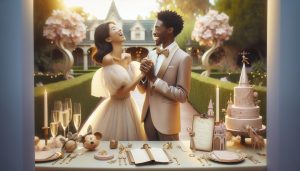
Crafting a memorable wedding speech is one of the most personal and impactful ways to celebrate a couple’s special day. Whether you’ve been chosen as the best man, maid of honor, or a beloved family member, delivering a heartfelt message can create lasting memories for everyone involved. Yet, the pressure to say the right words can feel daunting. Many worry about balancing humor with sincerity, finding the right length, and expressing their emotions authentically. In this guide, we will walk you through a step-by-step process to simplify writing your wedding speech, ensuring it resonates with the couple and their guests. From structuring your speech to incorporating meaningful anecdotes, each step will help you deliver a heartfelt tribute that honors their love story beautifully. Let’s dive in to transform that initial anxiety into excitement as you prepare to share in this unforgettable moment!
Choosing the Right Style for Your Wedding Speech
Choosing the right style for a wedding speech can significantly impact the overall atmosphere of the celebration. Whether you’re a best man, maid of honor, or a parent of the couple, tailoring your speech to reflect both personal sentiments and the couple’s personality is essential. Factors like the couple’s preferences, the wedding theme, and the audience’s expectations should guide your choice. For instance, a couple planning a lively, fun-filled celebration might appreciate a humorous, upbeat speech, while another aiming for a traditional ceremony may prefer heartfelt and emotional words.
When considering the style, think about incorporating elements that resonate with both the couple’s journey and the audience. Is the couple adventurous or romantic? Do they value humor or sincere expression? To assist in determining the right tone, reflect on the couple’s favorite pastimes or key moments in their relationship that could be woven into the speech.
Additionally, adapting your delivery style is crucial; some may feel comfortable with a conversational tone, while others might opt for a more formal approach. Practice is key to ensure your words flow naturally and reflect your genuine feelings. Remember to avoid clichés and overly sentimental phrases that could detract from your unique voice. Selecting the right style will not only make your speech memorable but also contribute to a heartfelt tribute that the couple and their guests will cherish.
Understanding the Audience: Who Will Be Listening?

Understanding who will be listening to your wedding speech is fundamental to crafting a message that resonates and delights. A wedding gathering often comprises a diverse blend of friends, family members, work colleagues, and potentially even acquaintances. Each group brings its own set of expectations and emotional connections to the event, which you should consider carefully as you prepare your speech. For instance, your speech should engage the couple’s close friends positively, work colleagues in a light-hearted manner, and family members with a tone of warmth and nostalgia. This understanding can guide you in selecting stories or references that will resonate with your audience.
Furthermore, consider the dynamics of your audience. Family members may appreciate heartfelt accounts that reflect the couple’s journey, while friends could enjoy anecdotes filled with humor and memorable moments. It’s also crucial to gauge the cultural backgrounds represented among the guests, as different families and communities may have unique traditions and expectations when it comes to wedding speeches. Tailoring your message to respect and reflect these differences can enhance your speech’s universality and impact.
Additionally, think about the emotional atmosphere you want to create. Given that weddings are often a mix of joy, laughter, and occasionally tears, anticipate how your words will evoke these feelings among your listeners. Will your audience be in a celebratory mood, or may there be a more sentimental undertone? This anticipation can help you decide on your tone, the types of stories to share, and the humor you might incorporate.
As you prepare your speech, it may be helpful to consider engaging your audience directly. Inviting them to reflect on shared experiences with the couple or acknowledging their presence can capture their attention and create a more inclusive atmosphere. By recognizing who will be listening and shaping your speech accordingly, you set the stage for a memorable tribute that honors the couple and resonates with everyone present.
Structuring Your Speech: Key Components to Include

When crafting a memorable wedding speech, the structure is your roadmap to success. A well-organized speech allows you to effectively convey your message while keeping your audience engaged. Start by clearly defining the key components that will form the backbone of your address.
Introduction
Begin with a warm introduction that establishes your connection to the couple. A simple “Hello everyone, my name is [Your Name], and I have the honor of being [the best man, maid of honor, a close friend, etc.]” sets a friendly tone. Consider including a light-hearted anecdote or a thoughtful quote about love to create immediate rapport with your audience.
Body
The body of your speech should balance heartfelt sentiments with entertaining stories. Here are some components to include:
- Personal Anecdotes: Share a memorable story that illustrates your relationship with the couple. This could be a fun moment highlighting their bond or a touching memory that showcases their love.
- Compliments to the Couple: Acknowledge the bride and groom individually, noting their unique qualities and contributions to each other’s lives. This not only personalizes the speech but also makes each of them feel special.
- Themes of Love and Commitment: Discuss the importance of their relationship, touching on themes such as teamwork, resilience, and partnership, drawing on personal insights that resonate with the audience’s own experiences.
Conclusion
Wrap up your speech with an uplifting conclusion. This could involve expressing your well wishes for their future, perhaps referencing the journey that lies ahead for them as a couple. A heartfelt toast encapsulates the sentiment of celebration: “Let’s raise our glasses to love, laughter, and happily ever after!”
By structuring your speech with a clear introduction, a heartfelt body, and an uplifting conclusion, you create a powerful narrative that captures the essence of the occasion. This organized approach not only helps you to stay on track but also ensures that your audience remains engaged throughout your delivery, making your tribute memorable and heartfelt.
Crafting the Perfect Opening: Capturing Attention
Capturing your audience’s attention at the outset of your wedding speech is essential for setting the right tone and atmosphere. A well-crafted opening can draw listeners in, sparking their interest and creating a connection with what follows. Think of your opening as a first impression-it should be warm, inviting, and memorable. Consider starting with a light-hearted or humorous anecdote that showcases your relationship with the couple, or share a touching quote related to love that resonates with the occasion. This approach not only engages the audience but also reflects the celebratory spirit of the event.
Make sure your opening remarks align with the overall mood of the wedding. For a more formal ceremony, a heartfelt quote or sincere expression of gratitude may be appropriate. Conversely, if the vibe is more relaxed, a funny story may elicit laughter and set a jovial tone. You might say something like, “When I first met [Bride/Groom], I knew they were special. I still remember the time [insert funny or sweet anecdote].” This personal touch invites the guests into your memory and establishes an emotional connection, making them more eager to hear the rest of your speech.
Lastly, brief yet impactful statements can work wonders. A strong opening line can effectively signal to the audience that your speech is worth their attention. Phrases such as, “I am so thrilled to celebrate the love that [Bride] and [Groom] share,” immediately signal positivity and gratitude. Your enthusiasm as you introduce yourself and your relationship to the couple not only showcases your feelings but also reassures the audience of the significance of this moment. Remember, the goal here is not just to talk but to engage-to make everyone feel like part of the beautiful story you’re about to unfold.
Heartfelt Stories: Adding Personal Touches
The best wedding speeches weave in personal stories that resonate with the couple and their journey together. These narratives not only entertain but also strengthen the emotional connection with your audience, making them feel invested in the love story being celebrated. Consider sharing anecdotes that highlight meaningful moments in the couple’s relationship-times of triumph, trials faced together, or simple joys that stand out. Your goal is to transport your listeners into the memorable experiences you’ve shared, painting vivid pictures of the couple’s bond.
When choosing a story, think about its relevance and relatability. For instance, sharing an embarrassing yet funny moment you witnessed involving the couple can draw laughter and warmth. Perhaps you recall the first time they met or a quirky habit one of them has that the other lovingly endures. Stories like these add depth and personality to your speech, affirming the bond you share with them. It can also be helpful to ask the couple beforehand if there are any particular stories they would appreciate being shared, allowing you to honor their preferences while ensuring everyone can enjoy those moments together.
To enhance your speech further, infuse details that encapsulate the essence of the couple’s characters. Use descriptive language that portrays their individual traits-whether it’s the bride’s infectious laughter or the groom’s supportive nature during tough times. Coupling specific memories with these traits offers the audience a clearer understanding of why the couple complements each other so beautifully. Remember to balance humor with sincerity; while the aim is to create an uplifting atmosphere, heartfelt stories that evoke emotion can leave a lasting impact, showing the depth of your love and respect for the couple.
In doing so, always keep your delivery in mind: the tone, pace, and expressions you convey will enhance the storytelling experience. Practice your stories to ensure that they flow seamlessly within the context of your speech. Not only will this prepare you to deliver them with confidence, but it will also help you gauge the emotional effect they may have, allowing you to adjust your pace or tone dynamically during your speech for maximum effect.
Incorporating Humor: Lightening the Mood

Humor can transform a wedding speech from a simple formality into a memorable highlight of the celebration. When utilized correctly, light-hearted moments help to ease tension, engage the audience, and create a joyous atmosphere as everyone gathered to honor the couple. To weave humor effectively into your speech, consider the personalities of both the bride and groom, as well as the overall tone of the wedding. This will ensure that your jokes resonate with the audience and complement the spirit of the day rather than detract from it.
When integrating humor, think about anecdotes that include shared experiences with the couple or observations about their relationship. A playful jab at the groom’s tendency to eat the last slice of pizza or a light-hearted comment on the bride’s impeccable organizational skills can work wonders. Just make sure to keep the tone friendly and avoid any jokes that could be perceived as hurtful or embarrassing. Here are some strategies to help successfully incorporate humor:
- Keep it relatable: Use stories or jokes that most guests can relate to, drawing on everyday experiences or common quirks that connect with the audience.
- Use timing wisely: Pair your funny lines with a well-timed pause or a shift in your tone. This builds anticipation and makes the punchline land better.
- Be mindful of sensitivity: Ensure your humor doesn’t cross cultural boundaries or touch on sensitive topics, as this could alienate guests or create an awkward atmosphere.
- Blend humor with heartfelt moments: Following a funny story with a sincere sentiment can heighten emotional engagement, creating a vibrant contrast that leaves a lasting impression.
Ultimately, the goal of infusing humor into your wedding speech is to celebrate the couple and the love shared among family and friends. Aim for laughter that enhances the overall experience rather than overshadowing the romance of the occasion. Preparing your jokes and practicing delivery will help you feel more confident, allowing you to embrace both the laughter and love inherent in the celebration. Remember, a sprinkle of humor-not too overwhelming-will weave seamlessly into the heart of your heartfelt tribute to the couple, leaving everyone with smiles and cherished memories.
Acknowledging Key Guests: Who to Mention
Acknowledging the key guests during a wedding speech not only highlights their importance in the couple’s journey but also fosters a sense of community among all attendees. This part of your speech is an excellent opportunity to express gratitude and recognition for those who have played significant roles in the couple’s lives, making the occasion even more special. By thoughtfully mentioning key individuals, you create a more inclusive atmosphere for everyone present, reinforcing the connection they share as friends and family.
When considering whom to mention, start with immediate family members, such as parents and siblings. A warm acknowledgment of the couple’s parents not only honors them for their support and love but also helps set the tone for your heartfelt message. You could say something like, “Let’s take a moment to appreciate the extraordinary parents of the bride and groom, whose love has guided them to this beautiful day.” This creates an emotional connection and allows the audience to reflect on the sacrifices and efforts made by these cherished family members.
Beyond immediate family, think about including important figures in the couple’s lives, such as mentors, long-time friends, or anyone who has had a profound impact on their relationship. This could be their first teacher, a beloved family friend, or even a favorite aunt or uncle who always brings joy to family gatherings. Personal anecdotes can make these mentions even more impactful; for instance, sharing a funny story about the couple with their favorite uncle can lighten the mood and evoke laughter. You might also include a nod to anyone who has traveled significant distances to support the couple on their big day, showing appreciation for their effort and love.
Lastly, do not forget to mention the wedding party. Recognizing bridesmaids, groomsmen, flower girls, and ring bearers not only acknowledges their contributions to the wedding but also solidifies their roles in the couple’s love story. Saying something like, “We are so grateful to have such a wonderful group of people by our sides today” can make them feel valued and appreciated. By celebrating these key guests, you create a shared sense of joy and connection within the room, making your speech a memorable tribute that resonates with everyone present.
Managing Emotions: Tips for Staying Composed
There’s something undeniably emotional about weddings-joy, love, and a touch of nostalgia fills the air as you prepare to deliver your speech. Managing these emotions effectively can help you create a memorable experience without being overwhelmed. To begin with, self-awareness is crucial. Recognizing your feelings-whether excitement, nervousness, or even sadness-can help you prepare for them. It’s not uncommon to become emotional while reflecting on the couple’s journey or recalling shared moments.
One effective technique to stay composed is to practice deep breathing. Before you step up to speak, take a moment to breathe deeply. Inhale through your nose for a count of four, hold for four, and exhale through your mouth slowly for four counts. This simple exercise calms the nervous system and helps center your thoughts. Additionally, visualize a successful delivery where you connect with your audience. Imagine their supportive smiles and laughs as you share your insights and anecdotes.
Preparation is another key element. Write your speech well in advance and rehearse it multiple times in different settings-at home, in front of friends, or even while looking in the mirror. Familiarity with your content will boost your confidence and minimize the risk of becoming overwhelmed. You can also time your speech during practice sessions; becoming accustomed to its length can help alleviate the fear of running long or short.
During the speech itself, if you start to feel a wave of emotion, it’s okay to pause briefly. Take a sip of water, collect your thoughts, and smile at the guests. A brief pause can also increase the impact of what you just shared. Remember, the audience is mostly on your side-they’re there to support you and celebrate the couple. By integrating these techniques, you’ll not only manage your emotions effectively but also enhance the overall delivery of your heartfelt message, making the occasion even more special for everyone involved.
Timing Your Speech: Ideal Duration and Delivery
Delivering an unforgettable wedding speech requires not only heartfelt words but also careful consideration of the speech’s timing and delivery. A well-timed speech can enhance the emotional resonance of your message, leaving a lasting impression on the couple and their guests. Ideally, your speech should last between 5 to 7 minutes. This duration strikes a balance, allowing you to share meaningful stories and sentiments without losing your audience’s attention.
To gauge your timing effectively, it’s wise to practice in front of a clock or a timer. During practice sessions, you can also pay attention to natural pauses for laughter or emotional reactions, which can alter the overall timing. If you feel your speech might run long, consider trimming anecdotes or sentiments that are less essential to ensure you remain within the ideal timeframe. Remember, this is a celebration, and keeping your speech concise allows everyone to engage in the festivities without prolonged speeches detracting from the event’s joyful atmosphere.
Delivery Tips for Impact
When it comes to delivery, how you present your speech is just as important as its content. Engaging with the audience through eye contact, varying your tone, and using body language can significantly elevate your presentation. Aim to speak clearly and at a moderate pace; rushing can lead to unclear delivery and may undermine the emotional weight of your words.
Consider using visual aids like photos or a slideshow to enhance your storytelling, but ensure they are only supplementary to your spoken words and do not distract from your message. If you decide to incorporate humor, timing is crucial-delivering a punchline with the right cadence can invoke laughter and foster a relaxed atmosphere among guests. Ultimately, practicing your delivery until you feel comfortable and confident will help ensure your speech lands just as intended, creating a memorable experience for all.
Using Visual Aids: Enhancing Your Presentation
Using visual aids in your wedding speech can transform a heartfelt message into a captivating experience that resonates with your audience. Visuals like photographs or short video clips can evoke memories, add context to your stories, and celebrate the couple in a unique way. Not only do they enhance the emotional depth of your speech, but they also serve as a delightful distraction, helping to engage guests who may be feeling restless during longer addresses.
Incorporating visual aids effectively requires planning. Here are some practical tips to ensure they enrich rather than detract from your presentation:
- Choose Relevant Images: Select photos that relate directly to your anecdotes. For instance, if you’re reminiscing about a trip with the couple, include images from that adventure. This visual connection will reinforce your stories and make them more relatable.
- Keep It Simple: Use a few high-quality visuals rather than overwhelming the audience with too many. A simple slideshow of 5-7 carefully curated images can effectively highlight significant moments without causing distraction.
- Practice Timing: Ensure your visuals are timed well with your speech. For instance, transition to a photo at the moment it’s most relevant in your narrative. This aligns the visual with the emotional beats of your speech, maximizing impact.
- Avoid Distracting Elements: Ensure that your visual aids are easy to see and understand. Avoid overly busy slideshows or complicated videos that might divert attention from your words. A clear, focused presentation allows your message to shine.
Lastly, always consider the venue and available technology. If you’re speaking at a place without screens or projectors, simpler options-such as holding up a printed photo-can be effective too. The goal is not just to showcase visuals, but to weave them seamlessly into your narrative, enriching the experience for all guests and ensuring your speech is one to remember. Embrace the joy of presenting your heartfelt message with these engaging elements, celebrating love in its many beautiful forms.
Rehearsing Effectively: Practice Makes Perfect
The key to delivering a memorable wedding speech lies in thorough preparation and effective rehearsal. Practicing your speech not only helps you familiarize yourself with the content but also allows you to fine-tune your delivery. Imagine standing in front of your loved ones, feeling confident and composed as you share heartfelt words-this vision can become a reality with diligent practice. Engaging in rehearsals provides an opportunity to gauge how your speech resonates, making it a crucial part of the process.
To make the most of your practice sessions, consider the following tips:
- Start Early: Begin rehearsing as soon as you have a draft of your speech. Spreading out your practice over several days or weeks gives you ample time to adjust your content based on how it flows and feels.
- Practice Aloud: Speak your speech out loud rather than just reading it in your head. This allows you to hear the rhythm and identify any awkward phrases or pacing issues that might detract from your message.
- Use a Mirror: Practicing in front of a mirror can help you observe your facial expressions and gestures. This not only boosts your confidence but also allows you to ensure your non-verbal cues align with your words.
- Get Feedback: Share your speech with a trusted friend or family member. Their perspective can provide valuable insights on clarity and emotional impact, helping you refine your message before the big day.
- Simulate the Environment: Whenever possible, rehearse in a setting similar to where you’ll be delivering your speech. If the wedding is held in a large venue, practice projecting your voice and using open body language to connect with your audience.
Incorporating these practices will help you not only memorize your speech but also develop a natural delivery. Consider timing your rehearsals to ensure your speech fits within the ideal duration, as audiences will appreciate a succinct yet poignant message. As you practice, remain mindful of your emotions-allow the warmth and love of the occasion to shine through your words while keeping your composure intact. This celebration is about the couple and their love story, and your speech can be a heartfelt highlight that resonates with everyone present.
Common Mistakes to Avoid: What Not to Do
Delivering a wedding speech can be an exhilarating experience, but navigating potential pitfalls is essential to ensure your message resonates with the audience. One common mistake is overwhelming the audience with excessive inside jokes or references that only a few understand. While it’s natural to want to include personal anecdotes, aim for relatable stories that everyone can appreciate. This way, you create a shared experience that strengthens the connection between the couple and their guests.
Another frequent misstep is neglecting the emotional tone of the speech. Weddings are joyful occasions, so narrating overly somber or dramatic tales may not set the right mood. It’s crucial to strike a balance between humor and heartfelt moments, ensuring that your speech reflects the celebratory spirit of the day. Focusing too much on past relationships can also detract from the current celebration and may make guests uncomfortable. Instead, keep the narrative focused on the couple’s journey together and their love story.
Timing is key when delivering a wedding speech, and extending the duration beyond the comfortable limit can cause guests to lose interest. An ideal speech usually lasts between three to five minutes, allowing enough time to share meaningful thoughts without dragging on. It’s equally important to avoid excessive rambling; structuring your speech clearly will help maintain engagement. Consider starting strong, weaving in anecdotes that highlight the couple, and concluding with a heartfelt toast.
Lastly, overlooking the importance of preparation can lead to a lack of confidence when speaking. Rushing through your speech or attempting to wing it often results in stumbling over words or forgetting key points. Practicing in advance not only helps with memorization but also allows you to deliver your message with clarity and poise. A well-prepared speech, infused with warmth and sincerity, will leave a lasting impression on the couple and their guests, making it one of the memorable highlights of the day.
Q&A
Q: How can I start my wedding speech without being nervous?
A: To start your wedding speech confidently, focus on a strong opening statement, such as a fun fact or heartfelt quote. Practice deep breathing before you begin, and remember that the audience is supportive. Structuring your speech with engaging stories can also help ease jitters as you find your rhythm.
Q: What are some tips for adding personal stories to a wedding speech?
A: When adding personal stories, choose moments that highlight your relationship with the couple. Aim for anecdotes that are funny or touching, but keep them relevant and brief. Balance personal anecdotes with broader sentiments to connect with all guests, as suggested in the “Heartfelt Stories” section of your guide.
Q: How long should a wedding speech be?
A: A wedding speech should ideally last between 3 to 5 minutes. This duration allows you to convey your message effectively without losing the audience’s attention. For more precise timing strategies, refer to the “Timing Your Speech” section in your guide for additional tips.
Q: What should I avoid saying in a wedding speech?
A: Avoid negative comments, inside jokes that others won’t understand, or any subjects that may embarrass the couple. Steer clear of overly long stories or discussions about past relationships. The “Common Mistakes to Avoid” section in your guide outlines more examples and best practices.
Q: How can I ensure my audience connects with my wedding speech?
A: To foster audience connection, tailor your speech to the crowd by using inclusive language and referencing shared experiences. Engage with the audience by making eye contact and using appropriate humor. The section on “Understanding the Audience” can offer more tailored insights for this.
Q: What’s the best way to incorporate humor into a wedding speech?
A: The best way to incorporate humor is to choose light-hearted anecdotes that relate to the couple. Make sure the humor is appropriate for the audience and consider using self-deprecating jokes to relate. Refer to the “Incorporating Humor” section in your guide for more detailed suggestions.
Q: How can I manage my emotions while giving a wedding speech?
A: Managing emotions during your speech involves practicing mindfulness techniques such as deep breathing before speaking. Prepare for possible emotional moments by having a brief pause planned for when you feel overwhelmed. Check the “Managing Emotions” section for practical tips on staying composed.
Q: Is using notes for my wedding speech acceptable?
A: Yes, using notes is perfectly acceptable and can help keep you on track. However, practice with your notes to maintain eye contact with your audience. This will enhance your connection with them while keeping your content organized. Refer to the “Rehearsing Effectively” section for tips on preparation.
Key Takeaways
Congratulations on taking the first step towards delivering an unforgettable wedding speech! By following this guide, you’ve learned how to craft a heartfelt message that celebrates love and unity. Remember, the essence of your speech lies in personal storytelling, humor, and genuine emotion-elements that resonate with your audience. Don’t wait to brainstorm ideas or pen down your thoughts; the wedding day will be here before you know it!
For more wedding inspiration and guidance, check out our articles on Choosing the Perfect Wedding Venue and Wedding Budget Planning. These resources can help you navigate various aspects of your wedding planning journey, ensuring every detail is beautifully curated. If you have any questions or want to share your speech’s success, drop a comment below! Your journey is just beginning, and we’re here to support you every step of the way. Happy planning!