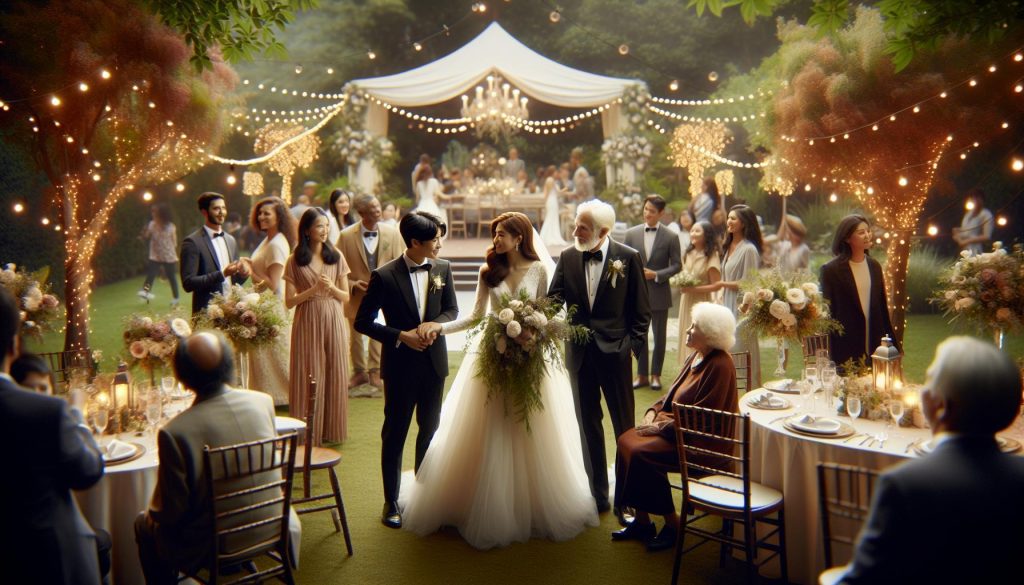
Planning a wedding is an exhilarating journey, but determining the right size for your celebration can feel overwhelming. A large wedding typically involves 100 guests or more, and understanding what this means for your venue choice, budget, and logistics is essential. As you dream of a day filled with love, laughter, and cherished memories, it’s crucial to consider how the number of invitees impacts everything from your guest experience to your overall vision. Dive into this guide to navigate the nuances of a large wedding, so you can plan with confidence and create a celebration that truly reflects your unique love story. With the right guidance, you’ll discover that a larger guest list can enhance the excitement, provide opportunities for unforgettable connections, and ultimately create a festive atmosphere you and your loved ones will remember for years to come.
What Defines a Large Wedding? Understanding the Basics

A large wedding typically brings to mind a bustling venue filled with laughter, conversations, and the clinking of glasses, but what truly defines it goes beyond mere numbers. Generally, a large wedding is characterized by a guest list that exceeds 150 attendees. However, this figure can vary based on personal expectations, cultural norms, and family traditions. For instance, some cultures are known for their extensive celebrations, where hundreds are invited, while others may view anything above 100 guests as significant. This diversity in definitions makes understanding what constitutes a large wedding both fascinating and essential for proper planning.
The importance of recognizing what defines a large wedding lies in its impact on the planning process. Larger gatherings often necessitate more intensive organization, including logistical considerations such as catering, seating arrangements, and venue capabilities. For instance, a larger guest count typically leads to longer timelines for planning and more complex coordination efforts with vendors. Couples should consider structuring their planning timeline well in advance, ensuring ample time to finalize details such as guest accommodations, transportation, and entertainment. Additionally, establishing a clear budget is crucial, as costs can escalate quickly with a larger assembly of guests, touching on everything from the venue and food to decor and entertainment.
Moreover, the experience of hosting a larger wedding often shifts the focus to creating a memorable atmosphere for all guests, balancing the desire for personal touches while ensuring everyone feels included. It can be helpful to think in terms of creating sections within a large venue where smaller groups can gather without losing the overall spirit of unity. By incorporating unique elements like interactive entertainment or personalized favors, the couple can foster intimacy amidst the larger crowd. Understanding the nuances of what constitutes a large wedding is a stepping stone for couples embarking on this remarkable journey, guiding them toward an unforgettable celebration.
The Dimensions of Large Weddings: Guest Counts Explored

The size of a wedding can significantly influence every aspect of the celebration, from planning logistics to the emotional experience of the day itself. Typically, a large wedding features a guest list of over 150 attendees, but this threshold is flexible based on personal, cultural, and familial contexts. For instance, some cultures celebrate with hundreds of guests as a societal norm, while others may see anything above 100 as a substantial gathering. Understanding these dimensions is crucial for couples and planners alike, as it sets the stage for how the wedding will unfold.
When planning for a large wedding, consider the unique challenges and opportunities that arise from a larger guest count. With many attendees, essential aspects like venue selection, seating arrangements, and catering become more complex. Couples may need to explore venues that can accommodate larger groups comfortably, ensuring that the space allows for an inviting atmosphere. Setting up distinct areas or zones within the venue can create intimate pockets that enhance guest interaction without sacrificing a sense of community, allowing for smaller gatherings within a larger crowd.
To manage the intricacies of a large guest list, it’s advisable to establish a detailed planning timeline well in advance. This preparation should include ample time for organizing accommodations, transportation, and entertainment options that cater to a diverse audience. Budget considerations play a critical role here too; larger weddings often come with increased costs in food, décor, and services. Couples should be prepared for financial variations and prioritize areas where they want to allocate more resources, ensuring a meaningful and memorable experience for everyone involved.
Ultimately, planning a large wedding is both an exciting and rewarding endeavor. By thoughtfully navigating the various dimensions associated with guest counts, couples can create a celebration that resonates with the personalities of the couple while fostering lasting memories for their family and friends. This harmonious balance between celebration and logistics ensures a wedding day filled with joy, connection, and unforgettable moments.
Comparing Large Weddings: Traditional vs. Modern Styles

In the vibrant world of weddings, size is just one of many factors that can shape the celebration. Traditionally, large weddings have embodied the concept of grandeur, featuring extensive guest lists, ornate venues, and intricate ceremonies that often reflect cultural customs. A traditional large wedding may embrace aspects like formal attire, lavish decorations, and a structured timeline filled with ceremonies and formalities-think of grand ballrooms adorned with floral arrangements and a sit-down dinner with multiple courses. This style not only emphasizes the couple’s commitment but also highlights the significance of community and familial ties by creating a shared space for their loved ones to celebrate in a grand manner.
On the other hand, modern interpretations of large weddings are becoming increasingly diverse and adaptable. Couples today might prioritize creativity and personalization over strict adherence to tradition. These more contemporary celebrations can feature unique themes, interactive experiences, and even alternative venues like barns or rooftops. For example, a modern large wedding might incorporate elements such as food trucks for catering, live artists creating wedding portraits, or even sustainable practices that reflect the couple’s values. With open seating arrangements and cocktail-style receptions, these events focus on fostering a relaxed and social atmosphere that encourages mingling among guests.
The contrast between traditional and modern styles also extends to planning considerations and emotional experience. Traditional weddings often follow a detailed choreography of events, while modern weddings provide couples with the flexibility to adapt their celebration to their personalities and priorities, even utilizing technology for virtual guest participation. As the planning process unfolds, it’s vital for couples to honor their traditions while also integrating their values, paving the way for a wedding that feels true to them.
Whether leaning more towards the elegance of tradition or the innovative spirit of modernity, the key to a successful large wedding lies in personalized planning. By weaving in meaningful elements from their backgrounds and preferences, couples can create a celebration that resonates deeply with their guests, ensuring their big day is both memorable and unique. The beauty of a large wedding is that it can be a reflection of not just the couple but also the rich tapestry of their combined histories and aspirations as they embark on their new journey together.
Essential Planning Tips for Managing Large Weddings
Planning a large wedding can be both an exhilarating and daunting task. With a guest list that may exceed a hundred, every decision-from the venue to the catering-carries more weight. Achieving a memorable celebration requires careful strategizing and attention to detail. To make the process smoother, here are some essential tips to help you navigate the complexities of managing a large-scale event effectively.
Start by establishing a comprehensive timeline that allows for ample preparation. Mapping out key milestones-from booking your venue and selecting vendors to coordinating guest accommodations-can significantly reduce pre-wedding stress. Consider creating a checklist that outlines tasks by month, ensuring nothing slips through the cracks. Tools like wedding planning apps can also be invaluable for tracking progress and keeping all your details organized.
Effective budget management is crucial. Larger weddings tend to inflate costs, so it’s wise to allocate your funds judiciously. Break down your budget into categories such as venue, catering, décor, and entertainment. Remember to leave a contingency fund for unexpected expenses. Prioritize spending in areas that resonate most with you both, whether that’s a stunning venue or gourmet catering-this way, every dollar spent enhances your unique vision.
Vendor coordination is another critical aspect. Communicate your vision clearly to each vendor and schedule regular check-ins as the wedding date approaches. This strategy ensures everyone is aligned, preventing miscommunication and last-minute surprises on your big day. Take advantage of a wedding planner, if budget allows, to act as a point of contact between you and your vendors, streamlining the process.
Lastly, consider the logistics for your guests. For large gatherings, accessibility, parking, and flow must be thoughtfully designed. Provide clear directions and accommodations for out-of-town guests to ensure they feel welcome and included. Incorporate elements that engage them, like interactive stations or themed photo booths, to foster a lively atmosphere that encourages mingling and fun.
In sum, planning a large wedding demands a balance of organization, budgeting, and guest experience. By embracing these essential tips, you’ll shape an unforgettable celebration that reflects both your personalities and your commitment to each other.
Budgeting for a Large Wedding: Key Considerations

Planning a large wedding can often feel like managing a small city, with a myriad of expenses and details that must come together seamlessly. The average cost of hosting a wedding for over 100 guests can quickly become daunting, but with careful planning and creative budgeting, you can create a stunning event without sacrificing your vision or breaking the bank. Understanding where to allocate your funds and how to maximize each dollar spent ensures that every moment of your celebration feels special and intentional.
To start, diving into the specifics of your budget is essential. It’s helpful to categorize your expenses into distinct segments. Consider the following as primary areas of focus:
- Venue: This typically consumes a significant portion of your budget. Choose wisely by weighing location against amenities and overall ambiance.
- Catering: Food can range from buffet-style to multi-course meals. Determine what suits your guest list best and whether you can negotiate bulk pricing.
- Décor: From floral arrangements to table settings, prioritize elements that resonate with your theme while considering DIY options for savings.
- Entertainment: Whether you opt for a live band or a DJ, think about how you want your guests to celebrate and budget accordingly.
- Photography & Videography: Capturing your special day is crucial-invest in professionals who align with your vision.
Don’t forget to allocate funds for unforeseeable expenses, such as last-minute items or vendor price changes. A good rule of thumb is to add a buffer of 10-15% of your total budget for contingencies. This can provide peace of mind as you transition through planning.
Next, consider ways to economize while still achieving a luxurious feel. You might implement a tiered approach to your spending, where essential services receive priority financing while less critical aspects of the wedding are handled with more cost-effective options. For example, opting for a less traditional day, like a Friday or Sunday, may yield reduced rental costs at your desired venue. Additionally, reaching out to local vendors for packages can often bring down overall costs, especially if they are willing to collaborate on services.
Finally, consider how cultural traditions might influence your budget. Incorporating meaningful customs can enhance the celebration and provide a richer experience for your guests without adding excessive costs. Understanding these financial dynamics ensures not only a beautiful ceremony but also the ability to celebrate without the weight of financial strain.
With these budgeting strategies, you can approach your large wedding with confidence, ensuring that your special day is both memorable and financially sound. Embrace the journey, and remember that your focus should remain on the love and commitment being celebrated, rather than solely on the numbers.
Choosing the Perfect Venue for Your Large Celebration
Selecting the right venue can make or break your large wedding experience, turning your dream celebration into a reality. With so many options available, it’s essential to consider aspects beyond just aesthetics. Understanding your venue’s capacity, logistics, and overall vibe can ensure your wedding day feels effortless, even amidst the excitement of a sizable guest list.
Start by determining the type of atmosphere you wish to create. Do you envision a grand ballroom, a rustic barn, an elegant garden, or perhaps a barn and bohemian vibe? Each style not only resonates differently but also influences practical elements like catering and décor. Make a guest count projection, as this will guide your venue selection. Most venues have maximum capacities that must be adhered to for safety and comfort, so confirming that your preferred location can comfortably host all your guests is paramount.
Another crucial factor is the location of your venue. It’s wise to consider accessibility for your guests, especially if many are traveling from afar. Venues closer to major transport links or local accommodations can enhance convenience and reduce stress. Furthermore, inspect venue amenities like parking availability, restrooms, and preparation areas for your wedding party. Being mindful of these logistical details can save you from potential day-of headaches, allowing your focus to remain on celebrating with loved ones.
Additionally, be mindful of the overall timeline of your wedding day and how the venue may affect it. Some venues offer comprehensive packages that include catering, décor, and staffing, simplifying planning and coordination. However, if you choose a venue that requires you to hire outside vendors, ensure you have a solid plan for coordinating logistics with multiple vendors to facilitate smooth operations on your big day. Establishing a timeline early on and communicating it with your venue staff and vendors will be crucial in maintaining order during the celebration.
By considering these points carefully, you can select a venue that not only accommodates your large guest list but also reflects your style and vision for a memorable celebration. Embrace the process, knowing that this choice sets the stage for an unforgettable experience filled with love, joy, and cherished moments.
Vendor Coordination Strategies for Large Events
Coordinating multiple vendors for a large wedding can feel like juggling ten balls at once, but with effective strategies, you can keep everything on track and enjoy your special day. First and foremost, creating a detailed vendor list with contact information, services provided, and agreed-upon timelines is essential. This list serves as a central reference point that you or your wedding planner can use to manage communications. Consider using project management software or collaboration tools to track progress and maintain clear channels of communication among all parties.
Establish Clear Roles and Responsibilities
Assigning specific roles to trusted friends or family members can alleviate stress as the wedding day approaches. For example, designate a point person for each vendor: one for the caterer, another for the florist, and someone else for the entertainment. This way, vendors have a familiar contact for any questions or concerns that come up, which streamlines communication and keeps everyone focused on their tasks without overwhelming you.
Develop a Comprehensive Timeline
Creating a meticulous timeline is vital for coordinating vendor activities on the day of the event. Start by outlining when vendors will arrive, set up, and begin services. Make sure to include buffer times for unforeseen delays, especially for large events where multiple setups can compete for space. Share this timeline with all vendors and ensure that everyone is on the same page regarding the flow of the day. For instance, if the ceremony runs late, late attendees might affect the reception timeline, so having contingency plans for delays is beneficial.
Regular Check-Ins and Final Confirmations
As your wedding day approaches, schedule regular check-ins with your vendors, ideally about a month out and again one week before the event. During these check-ins, revisit the timeline, confirm logistics, and address any outstanding questions. A final confirmation one or two days before the wedding can also help ensure that all vendors are aligned and ready to execute their roles seamlessly. This proactive approach can significantly reduce stress and create a smoother experience on the actual day.
By implementing these vendor coordination strategies, you can cultivate a well-organized and smoothly running wedding celebration that allows you to focus on what truly matters-enjoying your special day surrounded by your loved ones.
Creating a Memorable Experience for Large Guest Lists
Creating an unforgettable experience for a large wedding can be both an exciting and daunting task. With numerous guests to entertain, it’s essential to focus on unique touches that foster connection and joy amidst the celebration’s scale. One powerful strategy is to incorporate interactive elements that engage guests and break the ice, especially among those who may not know each other. Consider creating a themed photo booth that reflects your personalities or wedding theme, encouraging guests to capture fun moments and create a shared album as a keepsake.
Food and Beverage Experiences
Another crucial aspect is the food and beverage service. Instead of a traditional buffet, think about hosting food stations featuring different cuisines or interactive food options, like live cooking displays or DIY dessert bars. This approach not only caters to diverse tastes but also promotes mingling among guests as they move around to sample different offerings. Additionally, a signature cocktail that tells your story can give a personal touch and fuel conversations throughout the night.
Entertainment Options
Engaging entertainment plays a significant role in keeping spirits high during large weddings. Beyond a DJ or live band, consider incorporating unique acts such as magicians, caricature artists, or even a dance-off. These interactive experiences can create laughter and memorable interactions that resonate well beyond the event itself. Providing space for games or even a small area with seating arrangements for quiet chats can help guests feel comfortable and included.
Thoughtful Guest Touches
Lastly, while it’s crucial to curate a grand experience, paying attention to small, thoughtful details can make a huge difference. Personalized place cards, welcome bags, or even a handwritten note at each table can instill a sense of belonging and appreciation among your guests. These personal touches will not only showcase your thoughtfulness but also anchor the feeling of intimacy, reminding everyone present of their importance in your journey.
By focusing on these elements, you can ensure that your large wedding is not just a celebration, but a cherished experience for all your guests, further amplifying the joy of your special day.
Cultural Considerations for Large Weddings Across Traditions
Planning a large wedding often involves navigating the rich tapestry of cultural traditions that shape the celebration. Each cultural background brings its unique customs, rituals, and expectations that can influence everything from the guest list size to the ceremony setup, ensuring that the day resonates significantly with familial and community values. Understanding these cultural nuances not only enriches the wedding experience but also helps couples honor their heritage while creating a memorable occasion.
Different cultures celebrate unions with varying degrees of formality and rituals that can significantly impact the size and scope of the event. For instance, traditional Indian weddings can span several days and involve massive guest lists that celebrate not just the couple, but entire families and communities. Key ceremonies such as the Mehendi and Sangeet often invite hundreds of people, pushing the guest count into the hundreds or even thousands. On the other hand, a smaller, intimate wedding may reflect Western customs focused more on the couple and their immediate circle, often prioritizing a more personalized experience over a large gathering.
When planning a large wedding, it’s essential to incorporate elements that reflect your cultural background while considering modern sensibilities. Couples can achieve this by blending traditional customs with contemporary practices. For example, a couple might choose to honor their heritage by incorporating traditional music, dance, or attire while also allowing for modern interpretations in their decor or food selections. This fusion can lend itself to a beautifully diverse experience that respects familial expectations while still feeling personal and relevant to the couple’s journey.
Additionally, it is crucial to remain aware of cultural sensitivities when managing large weddings. Different cultures may have specific dietary restrictions, ceremonies that require certain attire, or customs regarding guest interactions. It may be beneficial to create a planning guide that includes these considerations, ensuring that all guests feel respected and included, thus providing a celebratory atmosphere that transcends mere numbers. By weaving these cultural elements into the fabric of the wedding, couples can create a large celebration that resonates with their loved ones and is filled with joy and shared meaning.
How to Personalize a Large Wedding Without Losing Intimacy
Planning a large wedding can feel daunting, but personalizing the experience without sacrificing intimacy is entirely achievable with thoughtful design choices and meaningful details. One effective way to connect with your guests on a personal level is by incorporating interactive elements throughout the celebration. For instance, setting up a guest book station where attendees can leave personalized notes or advice can create a beautiful keepsake that reflects their voices and connections to the couple. Consider adding family photo displays or storytelling stations where guests can share their favorite anecdotes about the couple, giving each guest an opportunity to be part of the narrative.
Another significant way to maintain intimacy is through customized seating arrangements. Instead of a traditional, straightforward layout, consider grouping guests by shared interests or relationships. This approach can ignite camaraderie during the reception and ensure that conversations flow naturally. You could also create smaller “pod” experiences within the larger event by arranging cozy lounge areas where small groups can gather for private chats, encouraging meaningful interactions in a sea of guests.
Moreover, tailor your menu to reflect both your personal tastes and cultural backgrounds. Offering a diverse array of food that pays homage to your heritages can spark conversations and connections over shared culinary favorites. You might even incorporate a “family recipe” dish from both sides, creating an emotional touchpoint for guests who may cherish those flavors.
Finally, don’t underestimate the power of personal touches in your decor. Items such as personalized centerpieces with photos of you and your loved ones, or quotes that resonate with your journey together, can create a warm, familiar atmosphere for your guests. By weaving your story into these elements, you can transform a large wedding into a tapestry of personal connections, ensuring that each guest feels valued and included while celebrating your love.
Post-Wedding Considerations: Thank You Notes and Memories
The conclusion of a large wedding celebration marks not just the end of a significant event, but also the beginning of your gratitude journey. With numerous guests who traveled to be part of your special day, it’s essential to express appreciation for their love and support. Sending thank-you notes is more than just a formality; it’s a heartfelt acknowledgment of the time, effort, and gifts that each guest contributed, ensuring that your relationships continue to flourish.
To streamline the process of writing thank-you notes for a large guest list, consider creating a system for tracking gifts and sentiments. A simple spreadsheet can be invaluable; include columns for names, addresses, gifts received, and notes about interactions you had with each guest during the wedding. This will not only keep your thoughts organized but will also help you add personalized touches to each message. Personalization is key-try to reference something specific about your guest, such as a particular moment you shared on the day or a touching memory from your time together.
Timing and Template Tips
Aim to send out your thank-you notes within three months of the wedding. This not only demonstrates good manners but also keeps the memories of the day fresh in everyone’s minds. When drafting your notes, you can use a few templates to streamline your writing, but strive to add personal touches to each:
- General Template: “Dear [Name], thank you so much for being part of our special day! Your thoughtful [gift] means so much to us. We were delighted to see you and appreciate you being there to celebrate with us. Looking forward to making more wonderful memories together!”
- For Monetary Gifts: “Dear [Name], thank you for your generous gift. We are excited to use it for [specific purpose] as we [mention your future plans]. Your presence at our wedding made our celebration even more special!”
- For Personalized Gifts: “Dear [Name], we absolutely loved the [specific gift] you gave us! It was incredibly thoughtful and will always remind us of the wonderful memories we made together at the wedding. Thank you for adding such joy to our day!”
Memorializing the Moments
In addition to thank-you notes, consider creating a memory book or digital scrapbook as a lasting keepsake for you and your partner. Collect photos from guests-whether they took selfies or had a professional photographer capture the essence of the day-along with handwritten notes or quotes from attendees about their favorite moments. This recollection not only celebrates the day but also strengthens the bond with your loved ones. You can even share snippets of this memory book on social media, acknowledging the contributions of your guests, which further fosters connections.
With thoughtful consideration and sincere expressions of gratitude, you can turn the post-wedding phase into a celebrated culmination of your big day. Each thank-you note and shared memory becomes a delightful reminder of the love and joy that surrounded you, reinforcing the bonds with family and friends as you step into this new chapter of your lives together.
Frequently Asked Questions
Q: What is the typical guest count for a large wedding?
A: A large wedding typically has a guest count of 150 or more attendees. This size allows for expansive celebrations with diverse elements such as elaborate catering, entertainment, and decor. Planning for such a guest count requires careful consideration of venue size and logistics.
Q: How can I manage a large wedding budget effectively?
A: Managing a large wedding budget requires prioritization and detailed tracking of expenses. Create a breakdown of categories like venue, catering, and décor. Use budget management tools or apps to keep everything organized and adjust as needed to ensure you stay within your financial limits.
Q: What venues work best for large weddings?
A: Venues for large weddings include banquet halls, spacious outdoor gardens, and hotel ballrooms. Choose a venue that can comfortably accommodate your guest list while providing necessary facilities like restrooms and parking. Consider accessibility and ambiance to create the desired atmosphere for your celebration.
Q: What are common logistical challenges for large weddings?
A: Common logistical challenges for large weddings include guest transportation, seating arrangements, and catering coordination. Effective communication with vendors and creating a detailed timeline can help manage these challenges. Consider hiring a wedding planner for support in organizing these critical components.
Q: How to personalize a large wedding while keeping the scale?
A: Personalizing a large wedding can be achieved through unique decor, customized favors, and personal touchpoints like guest messages or videos. Incorporate elements that reflect your relationship, such as a photo display or a signature cocktail that resonates with your story, enhancing the personal feel of the event.
Q: What cultural aspects should I consider for a large wedding?
A: When planning a large wedding, consider cultural traditions that may influence the ceremony and reception. This may include specific customs, attire, and food that reflect your heritage or that of your partner. Consulting family members can provide insight into meaningful practices to incorporate.
Q: What are the pros and cons of having a large wedding?
A: Pros of a large wedding include a festive atmosphere, the ability to invite extended family and friends, and increased opportunities for diverse entertainment. However, cons can include higher costs, logistical complexities, and the potential loss of intimacy with a larger guest list.
Q: How should I handle thank you notes for a large wedding?
A: For a large wedding, it’s best to start writing thank you notes as gifts arrive. Organize your list to ensure everyone is acknowledged. Aim to send these notes within three months post-wedding, making each one personal by mentioning the specific gift and how you’ll use it.
To Wrap It Up
As you reflect on what constitutes a large wedding and how to plan accordingly, remember that size influences not just guest lists but also your overall experience. Embrace the excitement of crafting a celebration that honors your unique story-whether you’re coordinating a grand gala or an intimate gathering. For further insights, check out our comprehensive guide on wedding planning essentials to help you navigate budgeting, vendor selection, and creating your perfect timeline.
Don’t miss out on the latest tips and trends by signing up for our newsletter, where you can find inspiration for every phase of your wedding journey. If you have questions or need assistance, consider reaching out to seasoned professionals through our wedding planner directory. Every decision you make brings you closer to your dream day-let’s make it unforgettable together!