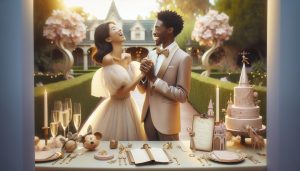
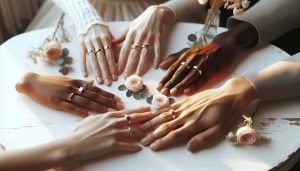
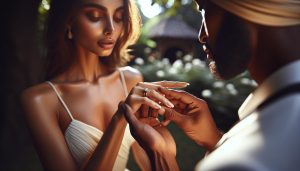
A wedding ring is much more than a beautiful piece of jewelry; it signifies love, commitment, and the unbreakable bond between partners. Historically, rings have represented eternity and the cyclical nature of life, making them a powerful symbol of a couple’s journey together. As you embark on the meaningful process of planning your wedding, understanding the symbolism and traditions surrounding wedding rings can enhance your appreciation for this cherished ritual. From cultural variations to the significance of materials and designs, this exploration will not only resonate with your personal journey but also connect you more deeply with your partner’s values and traditions. Dive in to discover how the simple act of exchanging rings at your wedding ceremony embodies heartfelt promises that transcend time.
What Does a Wedding Ring Represent in Modern Culture

While the tradition of exchanging wedding rings has ancient roots, its representation in modern culture is rich and multifaceted. Today, a wedding ring serves not only as a personal token of love but also as a public symbol of commitment and partnership. When people see a wedding ring, it often conveys messages of fidelity, dedication, and belonging. Couples may wear their rings as a declaration of their union, often sparking conversations about their love story, values, and shared journey.
Modern interpretations of wedding rings vary significantly among different cultures and individual preferences. For some, a wedding ring signifies an unbreakable bond, a constant reminder of love in all seasons of life-be it joyous moments or challenging times. Others may see it as a fashionable accessory that complements their personal style while still holding emotional significance. The choice of materials, designs, and the accompanying ceremony highlights not just aesthetic preferences but also deeper meanings tied to the couple’s heritage and future aspirations.
In contemporary society, the significance of the wedding ring also encompasses inclusivity and diversity. As relationships evolve, so do the customs surrounding wedding rings. Same-sex couples, for instance, have embraced the symbolism of wedding rings, further establishing their commitments within both intimate and public spheres. The importance of personal taste and shared values increasingly shapes what these rings represent, allowing each couple to craft a narrative that honors their unique relationship. As you embark on your wedding planning journey, consider what your ring will symbolize-not just to you, but to the world around you.
The Historical Origins of Wedding Ring Traditions
The practice of exchanging wedding rings traces back thousands of years, intertwining love and commitment with a tangible symbol that speaks volumes across cultures and eras. Ancient Egyptians are often credited with first popularizing the circular form of the wedding band as a representation of eternal love and commitment. They believed that the ring, typically worn on the fourth finger of the left hand, housed a vein that led directly to the heart-designating it as the ultimate signifier of love and connection.
As wedding traditions evolved, so did the materials and designs of rings, reflecting both the social status and cultural contexts of the couples who wore them. In ancient Rome, for instance, the wedding ring was a simple band often made of iron, symbolizing strength and permanence. It wasn’t until the Middle Ages that precious metals became prominent; gold and silver rings were considered more appropriate for expressing the sanctity of marriage, adorned with gemstones to signify prosperity and protection.
Today, wedding rings carry a blend of historical significance and personal sentiment, shaped by the couples’ values and experiences. Many modern couples might choose to include elements from their own backgrounds in the design of their rings, honoring diverse traditions while establishing their unique narrative. This continuation of tradition, intertwined with personal touches, allows couples to reflect on the history of their love as they embark on the journey of marriage. As you explore your wedding ring options, consider not just the aesthetics but also the deeper meanings woven into the fabric of these enduring symbols.
Symbolism Behind Different Wedding Ring Materials

Choosing a wedding ring involves more than just aesthetics; it’s an opportunity to express identity and embrace the deep-seated meanings behind the materials chosen. Each element can tell a story, reflecting personal values, cultural backgrounds, and even the unique journey of the couple. For instance, gold remains a timeless favorite-not only for its durability but also for its association with wealth and prosperity. Its warm hue symbolizes the warmth of love, making it a powerful choice for couples who want their ring to convey a sense of lasting commitment.
Symbolic Meanings of Common Materials
Different materials used in wedding rings carry distinct meanings that resonate in various cultures:
- Gold: Revered across cultures, gold has long been a symbol of wealth, luxury, and permanence. Its malleability allows for intricate designs, making it a versatile choice that can reflect both classic and modern styles.
- Platinum: Known for its strength and rarity, platinum symbolizes endurance. Couples who opt for platinum might appreciate its hypoallergenic properties and timeless appeal, reinforcing the notion of a bond that withstands the tests of time.
- White Gold: This alloy blends gold with other metals like palladium or nickel, offering a contemporary alternative to traditional yellow gold. Its sleek, modern look can symbolize a fresh start, perfect for couples embracing new beginnings.
- Rose Gold: This romantic option is created by alloying gold with copper, giving it a warm pink hue. It symbolizes love and affection, appealing to couples seeking a vintage or artistic flair.
- Silver: Though less traditional than gold, silver is prized for its beauty and affordability. It can reflect a couple’s down-to-earth sensibility and may be a thoughtful choice for eco-conscious couples seeking sustainability.
Exploring Alternative Materials and Their Messages
Beyond precious metals, alternatives like titanium and tungsten are gaining popularity, particularly among modern couples valuing durability and masculinity. Titanium, for instance, is lightweight yet incredibly strong, symbolizing resilience and a forward-thinking approach to marriage. Meanwhile, wooden rings can represent a couple’s connection to nature and simplicity, serving as a unique statement of individuality.
When selecting the right material for a wedding ring, consider not only the symbolism but also practical aspects such as lifestyle and budget. Each choice can reflect personal narratives and values, making the ring a true embodiment of the couple’s journey together. Embrace this opportunity to create a meaningful, lasting symbol of your love.
Cultural Variations in Wedding Ring Practices

The world of wedding rings is as diverse as the cultures that celebrate marriage. Globally, the symbolism and practices surrounding wedding rings can vary significantly, reflecting unique traditions, beliefs, and values inherent to different societies. For many, the wedding ring serves as a powerful emblem of commitment, yet its meaning can morph from one culture to another, enriching the narrative of love among couples.
In several Western cultures, the tradition of wearing the wedding ring on the fourth finger of the left hand is based on the ancient belief that a vein in that finger, referred to as the “vena amoris” or vein of love, runs directly to the heart. Conversely, in countries like Greece and Russia, couples typically wear their wedding rings on the right hand, symbolizing a blend of cultural customs where the left hand might be considered unlucky or less significant.
Moving beyond geography, the materials chosen for wedding rings commonly convey cultural significance. In many African cultures, for instance, traditional rings may be crafted from materials such as copper or iron, symbolizing strength and permanence, while ceremonies often emphasize the importance of family and communal bonds. Similarly, in Indian cultures, gold rings are favored not just for their beauty but also for their association with prosperity and success in marriage.
Engraving and personalization add another dimension to the cultural practices surrounding wedding rings. In some cultures, rings may include meaningful inscriptions reflecting shared values, promises, or meaningful dates-making each piece not just a symbol of love, but a narrative artifact that encapsulates a couple’s journey. This practice allows the couple to express their unique love story while respecting the traditions of their respective cultures.
Understanding these cultural variations encourages couples to explore wedding ring traditions that resonate with their identities and beliefs. Whether drawing inspiration from personal heritage or merging different customs to reflect their shared life, the wedding ring remains a cherished token that celebrates the union of love, partnership, and commitment across diverse landscapes.
The Significance of Engraving and Personalization

The act of engraving a wedding ring offers couples an unparalleled opportunity to transform a simple piece of jewelry into a profound testament to their love and commitment. Many couples choose to personalize their rings with inscriptions that are deeply meaningful to them, ranging from names and wedding dates to short phrases or quotes that resonate with their unique journey together. This personalized touch not only enhances the aesthetic appeal of the ring but also imbues it with an emotional significance that transcends the physical piece itself.
When considering engraving options, think about what encapsulates your relationship. Some couples might opt for a quote from a favorite book or a line from a song that played during their courtship, while others may choose to express a promise, such as “Always & Forever” or “My Heart is Yours.” Engravings can also include symbols, such as infinity signs or hearts, which resonate with themes of eternal love. This thoughtful approach ensures that each time you glance at your ring, you are reminded of the commitment you made and the love you share.
It’s also essential to consider the placement and font of the engraving. Some couples prefer to engrave the inside of the band for a more discreet personal touch, while others may choose the outside for a visible declaration of their bond. Fonts can vary widely, from elegant cursive to more contemporary styles, allowing couples to choose one that aligns with their personalities and wedding aesthetics. Planning for an engraving service should also be included in your wedding budget, as costs can vary depending on complexity and material.
Lastly, incorporating cultural elements into your engraving can further enhance its significance. For example, couples from different backgrounds might include meaningful phrases in their respective languages, reflecting their heritage while celebrating their partnership. Engraving is an excellent way to blend traditions and create something uniquely yours as you embark on this beautiful journey together.
Choosing the Right Wedding Ring: Style and Fit
Choosing the perfect wedding ring is a journey that encapsulates your unique love story, style, and personal preferences. The right ring not only complements your aesthetic but also fits comfortably into your daily life. With numerous styles, materials, and designs to consider, navigating this decision can be both exciting and daunting.
Start by determining the style that resonates with your personality. Do you gravitate toward classic elegance, or is a modern design more your speed? Explore options like solitaire settings that highlight the center stone, vintage looks that evoke nostalgia, or unique contemporary designs that showcase your individuality. Couples often find inspiration from various sources, including social media, jewelry shows, or friends’ rings.
Next, the fit is paramount. Comfort should never be sacrificed for style; after all, this ring will be worn every day. When trying on rings, pay attention to how they feel on your finger and whether they can slide easily over your knuckle without being too loose. Consider the width of the band and the thickness of the metal. A wider band typically feels snugger compared to a narrower one, so factor that into your decision.
When selecting materials, think about durability and maintenance. Common choices include platinum, known for its robustness and hypoallergenic properties; white gold, which offers a classic appeal; and rose gold, which has become increasingly popular for its romantic shade. Each metal has its unique upkeep requirements, so familiarize yourself with what’s involved in caring for your ring, ensuring it remains as beautiful as the day you exchanged vows.
Engaging a jeweler who understands your vision can enhance your experience. Don’t hesitate to ask about custom designs that reflect your relationship or to inquire about ethically sourced stones. A well-chosen wedding ring not only embodies the promise of love but also translates your tastes and experiences into a lasting symbol. Ultimately, trust your instincts and select a ring that feels right for both you and your partner, a decision that will make your journey toward marriage all the more memorable.
The Evolution of Wedding Ring Designs Over Time
Throughout history, the design of wedding rings has evolved considerably, reflecting changes in cultural values, aesthetics, and personal expression. The simplest forms of wedding bands can be traced back to ancient Egypt, where couples exchanged braided reeds and sashes made from natural materials, symbolizing eternity and the cyclical nature of love. As metalworking techniques advanced, so too did the craftsmanship of wedding rings, transitioning from simple gold bands to intricate designs incorporating gemstones-a trend that gained popularity during the Renaissance.
Influence of Historical Eras
The Victorian era marked a significant shift as emotional expressions became a core part of jewelry design. Rings from this time often featured engravings, intricate metalwork, and colorful gemstones, reflecting the romantic ideals of the period. As we moved into the Art Deco period, the designs became more geometric and bold, using new materials and modern techniques. This focus on both form and function led to the creation of stunning pieces that married art and jewelry design seamlessly.
Today, contemporary wedding rings are a canvas for personal storytelling. Couples can now select from a myriad of styles that express their individuality-anything from sleek and minimalist designs to elaborate, vintage-inspired pieces. Many also choose to incorporate non-traditional materials, such as alternative metals like titanium or carbon fiber, which symbolize durability and modernity.
Customization and Personalization
The digital age has ushered in a new paradigm where personalization plays a crucial role in wedding ring designs. Couples now have the opportunity to collaborate with jewelers for custom designs that reflect their unique journey. Engravings, unique settings, and the combination of different materials allow each couple to create a piece that truly represents their love. The rise of ethically sourced gems also speaks to a growing awareness of sustainable practices in jewelry creation.
This evolution in wedding ring design not only pays homage to traditional symbols of love and commitment but also embraces contemporary values of individual expression and ethical considerations. As couples navigate their wedding planning, their choice of a wedding ring can be a beautiful reflection of their shared story, values, and the journey they are about to embark on together.
Rituals and Ceremonies Involving Wedding Rings
The exchange of wedding rings is one of the most poignant moments in a wedding ceremony, signifying an unbreakable bond and mutual commitment. This act is infused with layers of tradition and meaning, varying across cultures yet universally cherished. Wedding rings often feature prominently in religious and civil ceremonies alike, each expressing the couple’s love and intention to embark on a lifelong journey together.
Many ceremonies incorporate specific rituals that highlight the significance of the rings. For instance, in a traditional Christian wedding, the officiant may bless the rings before they are exchanged, symbolizing divine approval and protection over the couple’s union. In Jewish weddings, the ring is often placed on the bride’s index finger by the groom, emphasizing the importance of intention over material aspects. In both instances, this moment serves as a reaffirmation of vows and a manifestation of love wrapped in a physical symbol.
Couples today are encouraged to personalize this ritual to align with their unique love story or cultural backgrounds. For example, some may choose to use a family heirloom ring, adding a sense of legacy and historical connection to the ceremony. Others may incorporate modern elements, such as exchanging rings as part of an elaborate unity ceremony that includes sands from different locations or a shared light created from separate candles. These innovations allow couples to express their personalities and the essence of their relationship while honoring the deeper meanings associated with the wedding rings.
As you start planning your ceremony, consider how you might incorporate meaningful rituals involving the exchange of rings. Involving family members or friends in this process can also add layers of love and support. Whether you stick closely to tradition or carve out new paths for this significant moment, embracing the diverse meanings and expressions of wedding rings will create a memorable experience that truly resonates with you and your partner, celebrating your unique bond.
Financial Considerations: Budgeting for Wedding Rings
Planning a wedding often brings couples face-to-face with significant financial decisions, and choosing wedding rings is no exception. It’s essential to recognize that wedding rings are not just beautiful pieces of jewelry; they symbolize a lifelong commitment and unique love story. Thus, budgeting for these rings should reflect their importance, balancing desires with financial realities.
Start by determining a reasonable budget based on your overall wedding expenditure. Experts often suggest allocating about 2-3% of your total wedding budget specifically for wedding rings. However, personal financial situations vary, and couples should feel empowered to set a figure that aligns with their values and circumstances. Consider factors like monthly expenses, savings for the future, and any existing debts. By prioritizing comfort and avoiding unnecessary financial strain, couples can focus on the meaningful aspects of their wedding journey.
When exploring various options, understand the factors that influence ring pricing, such as material (gold, platinum, diamonds, or alternative gemstones), craftsmanship, and designer brand. Consider exploring various vendors, from local jewelers to online retailers, which can offer compelling price comparisons. Additionally, be open to alternative materials and styles, such as silicone bands or vintage pieces, that can offer a unique touch while fitting within a budget.
Another point to remember is to take advantage of sales, discounts, or seasonal offers, especially if you’re shopping around major holidays. Many jewelers offer perks like financing options, which allow couples to pay over time rather than in a lump sum. Just ensure you understand the terms to avoid long-term financial burden.
Ultimately, the goal is to find rings that reflect both your commitment and personal style without compromising your financial well-being. With proper planning and thoughtful consideration, your wedding rings can be a meaningful centerpiece of your love story that is celebratory, manageable, and beautifully aligned with your shared journey.
The Role of Wedding Rings in Same-Sex Marriages
The embrace of wedding rings in same-sex marriages encapsulates a powerful statement of love and commitment that transcends traditional societal norms. For many same-sex couples, exchanging rings serves as an affirmation of their bond in a world that has often marginalized their relationships. Rings symbolize not just the union of two people, but also the journey toward love equality and recognition. The act of donning a wedding ring can be profoundly empowering, transforming a piece of jewelry into a badge of honor, resilience, and pride in their shared identity.
When considering rings, couples may choose designs that reflect their personal styles while embracing their unique journey. Many opt for non-traditional materials or shapes that defy classical expectations, such as alternative metals like titanium and tungsten, or incorporating unique gemstones that hold personal significance. This personalization allows couples to create something truly representative of their love story, making the rings not only a symbol of commitment but also a reflection of their individuality as a couple.
In terms of rituals, same-sex couples often plan their ceremonies to emphasize equality and partnership, integrating meaningful customs that resonate with their experiences. The exchange of rings can take place within a broader context of celebration, where love stories are shared, and affirmations of support from family and friends underscore the importance of the commitment being made. Couples might incorporate traditional elements such as readings, songs, or blessings that reflect their journey, aligning with their specific beliefs and values.
As the landscape of marriages continues to evolve, it is essential for couples to feel empowered in their choices regarding rings and ceremonies. This includes considering budgetary elements while honoring the significance of what the rings represent. Engaging in open discussions about preferences, desires, and financial plans ensures that the symbols of their union remain authentic to their love story, making the wedding journey both joyful and memorable.
Maintaining and Caring for Your Wedding Ring
Caring for your wedding ring is essential to maintain its beauty and significance throughout the years. This symbol of love and commitment deserves regular attention to ensure it remains as sparkly and enduring as the day you exchanged vows. With a few simple guidelines, you can protect your ring from damage and wear, ultimately preserving the memories attached to this treasured piece of jewelry.
Regular cleaning is vital to keep your wedding ring looking its best. A gentle solution of warm water and mild soap can work wonders; simply soak your ring for about 20-30 minutes, then use a soft brush, like a toothbrush, to remove any dirt or grime. Rinse it thoroughly and dry it with a soft cloth to avoid water spots. For rings with intricate designs or settings, consider having them professionally cleaned annually to preserve their sparkle.
Storage and Handling Tips
Proper storage is equally important. When you’re not wearing your ring, keep it in a soft pouch or a dedicated jewelry box lined with fabric to prevent scratches. Avoid placing it directly on surfaces where it could be damaged. It’s also wise to remove your ring during activities that might cause wear, such as doing household chores, gardening, or swimming, as chemicals and rough surfaces can harm its finish.
Regular Inspections
Make it a habit to inspect your ring regularly for loose stones or signs of wear. Checking the prongs and settings ensures that your gemstone remains secure and lessens the risk of losing it. If you notice any issues, take your ring to a professional jeweler for assessment and repair.
By incorporating these easy practices, you’re not just preserving a piece of jewelry; you’re honoring the crucial role that your wedding ring plays in your marriage, ensuring that it remains a shining reminder of your love for years to come. Remember, the care you provide reflects the value and commitment that the ring symbolizes.
Frequently Asked Questions
Q: What is the cultural significance of wearing a wedding ring on the fourth finger?
A: The tradition of wearing a wedding ring on the fourth finger, or ring finger, dates back to ancient Greece and Rome, believed to have a vein directly connected to the heart. This finger symbolizes love and commitment, reinforcing the emotional bond between partners.
Q: How do wedding rings symbolize commitment beyond marriage?
A: Wedding rings symbolize enduring commitment, representing a promise to support and cherish one another through all life’s challenges. They serve as a continual reminder of the vows taken, emphasizing partnership, loyalty, and emotional connection throughout life, not just during the wedding ceremony.
Q: Why do some couples choose to skip wearing wedding rings?
A: Couples may opt to forgo wedding rings for various reasons, including financial constraints, personal comfort, or lifestyle choices related to work or hobbies. Some may also prefer alternative symbols of commitment, such as tattoos or specific rituals that reflect their unique relationship.
Q: What are common engraving ideas for wedding rings?
A: Popular engraving ideas for wedding rings include initials, significant dates, meaningful phrases, or sweet messages that reflect the couple’s journey. Personalizing the ring adds sentimental value and enhances its significance, making it a unique representation of their love.
Q: How do other cultures incorporate wedding rings in their traditions?
A: In some cultures, wedding rings are worn on different fingers or not at all. For instance, in certain Indian traditions, the bride traditionally receives a toe ring. Understanding these cultural variations can enrich the wedding experience for couples representing diverse backgrounds.
Q: What are the differences between wedding rings and engagement rings?
A: An engagement ring, typically featuring a prominent gemstone, symbolizes the promise of marriage, given during the proposal. A wedding ring, exchanged during the marriage ceremony, symbolizes the bond of marriage itself. Many couples choose to wear both rings together, often stacking them.
Q: When did the modern tradition of exchanging wedding rings begin?
A: The modern tradition of exchanging wedding rings dates back to the 16th century, though rings have been used in marriage ceremonies since ancient times. Initially, they were simple bands, but over time, design variations have emerged, reflecting personal style and modern values.
Q: How can couples choose the right wedding ring design for their style?
A: Couples should consider personal style, lifestyle, and budget when selecting a wedding ring. Trying on various styles, materials, and finishes can help find the perfect match. Additionally, researching current trends and timeless designs can inform their decision while ensuring it aligns with their unique tastes.
Key Takeaways
Understanding the symbolism and tradition behind wedding rings is just the start of your journey toward a meaningful celebration. These cherished circles represent unity, commitment, and the promise of a shared future. As you embark on planning your wedding, consider exploring related topics such as “The Best Wedding Venues in Oregon” to find the perfect backdrop for your vows, or “Creating Your Wedding Registry” to ensure your guests can give gifts that truly matter.
Don’t miss out on the opportunity to create the wedding of your dreams-dive deeper into our resources for comprehensive planning guidance, from budget management to vendor coordination. Ready to take the next step? Sign up for our newsletter for expert tips and inspiration delivered straight to your inbox. Join the conversation by sharing your wedding ring stories and thoughts in the comments. Your perfect day awaits!