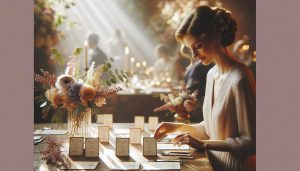
Imagine a wedding steeped in vibrant traditions, where each element tells a story passed down through generations. A Gypsy wedding is not just a celebration of love; it embodies a rich tapestry of cultural heritage and age-old customs. From stunning attire to electrifying celebrations, understanding these unique traditions can enhance your appreciation for diverse wedding styles. If you’re planning your own special day or simply curious about the enchanting customs of Romani weddings, this exploration will reveal the beauty and significance behind each ritual. Join us as we delve into the captivating world of Gypsy weddings, celebrating love while honoring the traditions that make them truly unforgettable.
What Defines a Gypsy Wedding? A Cultural Overview
A Gypsy wedding, deeply rooted in the traditions of the Romani people, is a vibrant celebration marked by love, cultural heritage, and communal bonds. These weddings showcase a rich tapestry of customs and practices that vary significantly across different Romani groups, but all share a common emphasis on family and festivity. At the heart of any Gypsy wedding lies the belief in strong familial ties and community involvement, where the union of two individuals transcends personal affection, representing the joining of two families and communities.
Key Characteristics of Gypsy Weddings:
- Community Celebration: Typically, a Gypsy wedding is a grand affair that brings together extended family and friends, often taking place over several days filled with various rites and festivities.
- Cultural Richness: Music, dancing, and feasting are integral to the celebration, reflecting the Romani culture’s vibrancy and zeal for life.
- Symbolic Elements: Many traditional rituals, such as exchanging personal vows and the inclusion of specific symbolic items, play a crucial role in the rites, adding layers of meaning to the ceremony.
A fundamental part of the ceremony is its adherence to longstanding traditions, where specific customs may vary based on regional influences, but many focus on themes such as loyalty, respect, and family unity. For example, the groom may present gifts to the bride’s family as a sign of respect and commitment, while certain rites may involve blessings from elders, affirming the couple’s union within the broader context of their cultural heritage. Overall, a Gypsy wedding is more than just a ceremony; it is a celebration of love, identity, and the deep-rooted values that define the lives of the Romani people.
Historical Significance of Gypsy Wedding Traditions
In the vibrant tapestry that is Romani culture, wedding traditions hold a significant place, symbolizing not just the union of two individuals but the convergence of families, communities, and histories. Historically, Romani weddings showcase a rich mix of customs inherited from various regions across Europe, where the Romani people have settled over centuries. These traditions reflect a deep respect for forebears, community ties, and the importance of rites of passage that goldenly anchor the couple’s new life together in cultural identity.
Through the generations, Romani wedding ceremonies have often retained a sense of mystique and vibrancy, infused with symbolic rituals that stand as a testament to their ancestors. Central to these weddings is the concept of commitment, honor, and respect as displayed by the groom’s gifts to the bride’s family. This practice not only signifies his intent to support and integrate into her family but is also a reflection of the societal values that prioritize community involvement and familial bonds. The rituals often include the participation of elders, who bestow blessings upon the couple, reinforcing the continuity of tradition and cultural coherence across generations.
Moreover, the diversity of Romani groups gives rise to a plethora of unique practices and celebrations. For instance, some communities may embrace multi-day festivities filled with music, dance, and feasting. These celebrations are not merely about the couple; they are a communal affair, bringing together various family members and friends who play an active role in their joy. The historical significance of these weddings lies in their purpose to foster unity and remembrance within a broader cultural narrative. As couples collaborate with family to plan their weddings, they not only create lasting memories but also honor their heritage, weaving together past and present in a colorful, collective celebration of love.
Savoring this heritage, modern couples might consider incorporating elements that respect these time-honored traditions while infusing personal touches that reflect their journey together. This delicate dance of tradition and modernity ensures that the spirit of the celebration remains alive and relevant, making every wedding a unique story within the cherished legacy of the Romani people.
Common Rituals and Customs in Gypsy Weddings
In the realm of Romani weddings, rituals and customs play an integral role, shaping not just the event itself but the identities of the couple and the families involved. Many of these practices are rooted in a rich cultural heritage that honors tradition while celebrating love and community. Each ritual is a reflection of the values that underpin Romani culture, emphasizing family, respect, and a deep sense of belonging.
One of the most significant customs is the practice of the groom presenting gifts to the bride’s family, often referred to as a dowry. This gesture signifies not only his commitment to the bride but also his respect for her family and their heritage. The gifts can range from monetary contributions to more symbolic items, illustrating the groom’s readiness to support the couple’s future together. It underlines an essential aspect of Romani weddings: the intertwining of families, where two families celebrate the union through shared traditions and mutual respect.
Entertainment also holds a vital place in Romani weddings, where music and dance are not just forms of celebration but deep-rooted expressions of cultural identity. Traditional songs may recount tales of love and hardship, while dance acts as a communal ritual that brings everyone together. The joyful atmosphere encourages participation from all guests, making each wedding a lively festival of colors, sounds, and shared joy-inviting even the most reserved attendees to join in the festivities.
Beyond the ceremonies and celebrations, food plays a heartwarming role, encapsulating the spirit of togetherness. Dishes are often prepared in large quantities, inviting friends and family to part take in communal meals that reflect local culinary traditions intertwined with Romani flavors. Meals are shared among guests, fostering connections and further solidifying the sense of community that Romani weddings strive to create.
In essence, the common rituals and customs seen in Romani weddings are designed to honor the past while celebrating the present. They serve as a vibrant reminder of cultural identity, familial unity, and the transformative power of love, making each wedding a unique and cherished occasion. As you plan your celebration, consider how you might incorporate elements that resonate with you and reflect your story while respecting these time-honored traditions.
The Role of Family in Gypsy Wedding Celebrations
In Romani culture, the importance of family in wedding celebrations cannot be overstated. The union of two individuals is not merely a personal affair; it is a significant event that intertwines two families, creating a strong bond rooted in tradition, respect, and communal support. During the preparations, families actively participate in choosing the date, venue, and even the guest list, which often swells to include a broad network of relatives and friends. This collaborative effort symbolizes the collective nature of Romani life, where every member plays a vital role.
One of the most cherished customs is the dowry presentation, where the groom’s family offers gifts to the bride’s family. This act goes beyond mere exchange; it reflects the groom’s commitment to both the bride and her family, establishing a foundation of respect and recognition of familial ties. It is a visual representation of the joining of families, emphasizing that the marriage is a union of two clans rather than just two individuals. The gifts can include money, jewelry, or items of personal or cultural significance, each holding its meaning and value in the families’ eyes.
As the wedding day approaches, the family’s participation grows even more pronounced. Close relatives often take charge of various elements of the celebration, such as coordinating music, dance, and food, ensuring that traditions are upheld while also showcasing their unique contributions. During the ceremony, family members step into various roles, whether it be as officiants, witnesses, or supporting figures in the rituals. This shared involvement fosters a deep sense of belonging and community, reinforcing the idea that the wedding is a shared celebration rather than an isolated event.
Food also serves as a unifying element, with families coming together to prepare traditional dishes that honor their heritage. The table becomes a centerpiece, laden with culinary offerings that reflect the couple’s backgrounds and family histories. This communal aspect extends to inviting guests to partake in meals, thus strengthening connections among all attendees. Families make it a point to include recipes passed down through generations, making each meal a narrative of love and history that embodies cultural identity.
In essence, family is at the heart of Romani wedding celebrations. By honoring their familial roles and contributions, couples not only embrace their cultural customs but also create lasting memories that acknowledge the importance of community in their lives. The joyous atmosphere, rooted in shared history and love, highlights that weddings are more than just individual celebrations; they are vibrant festivals that reflect the collective spirit of family.
How to Choose the Perfect Venue for a Gypsy Wedding
Choosing the right venue for a wedding deeply intertwined with rich Romani cultural traditions can shape the entire experience for both the couple and their families. It’s not just about finding a beautiful space; it’s about creating an environment that honors heritage, allows for communal gatherings, and showcases the celebratory spirit essential to Romani weddings. Couples may want to start their venue search by considering locations that embody culture and family bonds.
Consider the Cultural Significance
When selecting a venue, seek places that resonate with your family’s traditions and heritage. This could include outdoor settings like lush gardens, parks, or even family-owned land where festivities can unfold in a vibrant, natural setting. Alternatively, indoor venues rich in history, such as community halls or cultural centers, can provide the perfect backdrop for traditional ceremonies while accommodating the nuances of Romani customs.
Capacity and Accessibility
Romani weddings are often large affairs, bringing together extensive family networks and friends, so ensure the venue can comfortably accommodate your guest list. Look for venues that offer flexible layouts, allowing for distinct areas for the ceremony, dining, and dancing-each vital elements of a Romani celebration. Accessibility is also crucial, especially for older guests or those with mobility issues; consider venues that are easy to reach and navigate.
Budget Considerations
Budget plays a pivotal role in venue selection. Establish an initial budget for the venue which includes rental fees, deposits, and any additional costs such as catering, decorations, or rentals for tents and seating. Some venues may include these services, simplifying the planning process. Always ask about potential hidden costs and understand the venue’s policy on overtime charges, especially since Romani celebrations often involve extended festivities filled with music and dance.
Venue Amenities and Services
Once you have a shortlist, take into account the amenities each venue offers. Look for places with kitchens that can accommodate traditional catering needs or ones that allow outside catering to ensure your culinary offerings reflect cultural heritage. Additionally, check if they have sound systems for live music-an essential part of Romani weddings. Scenic views or unique architectural features can also enhance the overall aesthetic of your ceremony, providing stunning backdrops for photographs.
By approaching the venue selection thoughtfully, couples can establish a setting for their wedding that not only meets their practical needs but also embraces the cultural richness that defines Romani celebrations. Every detail, from the location to the communal space it offers, should work in harmony to create a memorable atmosphere filled with love, joy, and tradition.
Traditional Attire: What Do Gypsy Brides Wear?
The attire of a bride at a Romani wedding is not merely a matter of fashion; it is a vibrant expression of culture, tradition, and identity. With a rich tapestry of influences and symbolism woven into every stitch, the clothing worn by brides reflects their heritage and often tells a story passed down through generations. Bright colors, intricate embellishments, and elaborate designs come together to create a breathtaking sight that elevates the celebration.
Significance of Colors and Fabrics
Romani brides often choose vibrant colors that symbolize various meanings-red for love and passion, green for fertility, and white for purity. The fabrics used are typically luxurious and flowing, with silk, satin, and chiffon being popular choices. The choice of fabric not only enhances the elegance of the gown but also allows for ease of movement during traditional dances, which are an essential part of the celebration.
Traditional Elements
Brides might wear a long, flowing dress that typically features ornate embroidery and sometimes layers that enhance their appearance. Accessories play a crucial role as well, often including handmade jewelry such as large earrings, beaded necklaces, and ornate headpieces adorned with flowers or tiaras that reflect their family’s cultural style. Additionally, many brides incorporate a traditional shawl or a headscarf, known as a ‘dupatta’, which can signify modesty and spirituality, showcasing the importance of both fashion and cultural heritage in their attire.
Personalization and Modern Influences
While tradition remains central, contemporary Romani brides often personalize their attire to reflect their unique personalities. This could involve mixing traditional elements with modern cuts or adding personal touches like custom embroidery featuring the couple’s initials or meaningful symbols. Brides should feel encouraged to discuss their vision with designers who understand both the cultural significance and modern trends, ensuring their attire honors tradition while still feeling fresh and uniquely them.
By thoughtfully selecting wedding attire that embodies their cultural roots, Romani brides not only celebrate their special day but also honor the communal heritage that shapes their identities. The harmony of traditional and contemporary elements allows for a beautiful representation of love and commitment, making each wedding a unique reflection of the couple’s journey and their family’s customs.
Culinary Delights: Food and Drinks for a Gypsy Wedding
The culinary aspects of a Gypsy wedding bring a vibrant array of flavors and traditions to the celebration, transforming a meal into a true cultural feast. Food plays a crucial role in Romani gatherings, symbolizing community, hospitality, and the weaving together of families. From mouthwatering dishes to carefully selected beverages, the culinary delights not only nourish the attendees but also celebrate their rich heritage and joyful unity.
Traditional Dishes
A typical Gypsy wedding menu often features an assortment of traditional dishes that highlight the flavors of Romani cuisine, which may vary regionally. Here are some crowd favorites:
- Stuffed Peppers: Bell peppers filled with a delicious mixture of rice, spices, and meats, baked to perfection.
- Pirozhki: These are delightful pastry pockets filled with various ingredients such as potatoes, cabbage, or meats, and can be either baked or fried.
- Pasta Dishes: Hearty pasta dishes, often served with rich sauces, reflect the cultural influences from the various regions where Romani communities have settled.
- Grilled Meats: Skewered meats, marinated in spices, are often grilled and served at outdoor receptions, symbolizing celebration and abundance.
Completing the meal are sides like fresh salads, pickled vegetables, and hearty bread, ensuring a satisfying assortment that caters to the diverse palates of the guests.
Drinks and Toasts
Equally important as the food selection is the variety of beverages served at a Gypsy wedding. Traditional drinks can include:
- Homemade Wine: Many Romani families pride themselves on their winemaking skills, offering guests an array of locally crafted wines.
- Herbal Teas: Refreshing herbal teas are often served, either hot or cold, providing a soothing complement to the feast.
- Spirits: Traditional spirits or homemade liquor might also be present, especially during celebratory toasts to honor the newlyweds.
These beverages not only quench thirst but also serve as a means to bring people together through toasts, sharing stories, and strengthening the bonds among family and friends.
Incorporating Modern Elements
While traditional foods carry significant cultural weight, many couples choose to incorporate modern culinary elements into their wedding menus. This can include fusion dishes or catering options that appeal to contemporary tastes, providing a unique blend of old and new.
It’s essential for couples to engage with their caterers to discuss their culinary vision early in the planning stages, ensuring that the proposed menu reflects their personal tastes while also respecting cultural traditions. Inviting family members to share recipes or cooking together can also enrich the connection to heritage, making the dining experience more intimate and meaningful.
Ultimately, the culinary delights of a Gypsy wedding do much more than fill plates; they embody the spirit of community, love, and celebration, played out through heartfelt sharing and joyful gatherings. Each dish and drink is a testament to the couple’s roots and a delicious way to bring their loved ones closer together on their special day.
Music and Dance: The Heartbeat of Gypsy Celebrations
The vibrant music and dynamic dance that permeate a Gypsy wedding create an electric atmosphere that is central to the celebration. Rooted in rich cultural heritage, these performances are more than mere entertainment; they embody the spirit of joy, community, and emotional connection that defines Romani culture. The rhythms, melodies, and movements contribute to a celebratory ambiance and symbolize the couple’s love story and the unity of families.
H3: Traditional Music
At a Gypsy wedding, traditional music often features lively instruments such as violins, accordions, and tambourines, driving the energy of the celebration. Romani music is characterized by its passionate melodies and often improvisational style, allowing musicians to express their emotions fully. Couples might incorporate specific songs that hold personal significance or reflect their family’s history, honoring their roots while inviting guests to engage in the festivities.
H3: Dance as Expression
Dance serves as a key element in these celebrations, with guests eagerly participating in traditional folk dances. Styles may vary depending on the region and specific Romani group, but common moves often include energetic footwork and graceful spins, emphasizing joy and freedom. The circle dance is particularly popular, allowing everyone-from the youngest child to the eldest grandparent-to join in, embodying the sense of community and togetherness that a wedding represents.
To make the most of these musical and dance components, couples can consider hiring professional dance groups or musicians who specialize in traditional Romani performances. Additionally, curating a playlist of beloved songs that encourage everyone to get up and dance can enhance the celebrations further. Engaging family members to contribute to the music selection or teach guests some basic dance steps helps ensure that cultural traditions are preserved while creating a memorable experience shared among loved ones.
H3: Creating an Inviting Space
As music and dance take center stage, the wedding venue should reflect this festive spirit. Couples can arrange their space to allow for a dance floor where guests can freely move and join in the celebrations. Lighting can also enhance the atmosphere-think twinkling fairy lights or lanterns that guide guests to the dance floor and create a warm, inviting environment.
In essence, incorporating traditional music and dance into a Gypsy wedding not only honors cultural heritage but also fosters a joyous atmosphere where lasting memories are made. As friends and family come together to celebrate love, the rhythm of life is palpable, encapsulating the joys of union and community.
Incorporating Modern Elements into Gypsy Weddings
In the vibrant tapestry of a Gypsy wedding, incorporating modern elements can elevate the celebration while respecting its rich traditions. Many couples today seek to intertwine contemporary touches with time-honored customs, creating a unique and personalized experience that honors their heritage while reflecting their individual identities. By blending new ideas with traditional practices, a Gypsy wedding can embrace the best of both worlds, engaging guests in meaningful ways.
One effective approach is to select a venue that combines traditional settings with modern amenities. For example, outdoor spaces with rustic charm can be paired with stylish decor, such as elegant table settings, sophisticated lighting, and contemporary seating arrangements. This combination allows for a picturesque backdrop while ensuring guest comfort. Consider creating cozy lounging areas adorned with colorful cushions and fabrics that reflect Romani culture, offering guests a space to relax and connect throughout the festivities.
Modern technology can also play a significant role in enhancing the experience. Utilizing social media for live updates or sharing a wedding hashtag can engage guests and allow friends and family unable to attend in person to participate virtually. Additionally, hiring a professional photographer or videographer familiar with both traditional and contemporary styles can capture the essence of the day, ensuring that the memories are preserved beautifully.
Personalization is key when mixing modern elements with tradition. Couples can design their ceremony to include not only traditional blessings or rituals but also personalized vows that reflect their journey together. This heartfelt touch can resonate deeply with guests, adding a modern element that emphasizes the couple’s unique love story. Couples might also consider crafting custom favors or décor that showcases their interests or passions, blending them seamlessly with traditional symbols that represent their Romani heritage.
Lastly, when planning the reception, an innovative take on the traditional meal can delight guests. While maintaining classic dishes associated with Gypsy weddings, introducing modern culinary trends, such as fusion foods or trendy food stations, can offer a fresh twist that excites the palate. Interactive elements, like a live cooking station or a dessert bar with diverse treats, can further engage visitors and create a lively atmosphere.
By thoughtfully integrating modern elements into a Gypsy wedding, couples can celebrate their love in a manner that respects their cultural roots while embracing their contemporary lifestyle. This harmonious blend not only honors tradition but also paves the way for memorable experiences that resonate with family and friends, creating a vibrant celebration that is uniquely their own.
Unique Challenges and Considerations for Planning
Planning a Gypsy wedding can be a celebration filled with excitement and vibrancy, but it also comes with its own set of unique challenges and considerations that couples must navigate carefully. Understanding the rich cultural traditions and expectations can help ensure that all elements of the celebration resonate deeply with both families and guests. Recognition and respect for these traditions can often be combined with modern wedding elements to create a truly unique experience.
One primary challenge is the potential for navigating differing expectations between families, particularly if they come from varying Romani backgrounds or cultural influences. Communication is essential. Couples should have open discussions with both sides of their families to understand their perspectives on various traditions involved in the wedding, such as the timing of the ceremony, the rituals performed, and the inclusion of specific songs or dances. Engaging a mediator, such as a knowledgeable family elder, can also help bridge any gaps in understanding or expectation.
Additionally, selecting a venue that reflects both traditional and personal tastes can be daunting. Gypsy weddings may take place in various settings, ranging from lavish banquet halls to picturesque rural backdrops. Budgeting is key, as traditional venues may involve specific costs for decorations and accommodations that reflect cultural practices. Couples may want to create a prioritized list of elements that are non-negotiable for them, whether it be the music, food, or specific ceremonial acts, and align their venue choices accordingly.
Moreover, incorporating traditional attire is another vital aspect that can come with both excitement and challenges. Each family might have different expectations regarding what is considered traditional dress. It’s important to explore options that honor heritage while allowing the couple to express their individuality. Working with a designer familiar with Romani dress codes can provide tailored solutions that respect tradition while ensuring comfort and style.
Lastly, logistical considerations, like coordinating vendors familiar with Romani traditions, can prove difficult. From catering traditional dishes to arranging music that highlights the rich cultural background, finding the right professionals who understand and appreciate the customs surrounding Gypsy weddings is crucial. Planning ahead and securing vendors well in advance can alleviate last-minute stress and ensure that all aspects of the wedding align beautifully with the couple’s vision.
In summary, while planning a Gypsy wedding may present unique hurdles, careful communication, thoughtful choices regarding venue and attire, and collaboration with experienced vendors can pave the way for an unforgettable celebration that honors both love and tradition. Embracing the journey with joy and creativity will not only enhance the planning process but also contribute to a memorable day that reflects the couple’s heritage and their love story.
Celebrating Love: Symbolism in Gypsy Wedding Ceremonies
In Romani culture, wedding ceremonies are imbued with profound symbolism that reflects love, unity, and community ties. Each element of these celebrations is carefully chosen to convey specific meanings, enriching the experience for the couple and their families. One of the most significant symbols in a Gypsy wedding is the *veil*, which represents modesty and purity. Traditionally, the bride wears a beautifully adorned veil, signaling her transition into a new chapter in life and honoring her family with respect.
- Ceremonial Fire: In many Romani traditions, fire symbolizes passion and the flame of love. The couple may light a fire together, which signifies the beginning of their life together. This act often involves inviting family members to join in, underscoring the importance of familial bonds.
- Rings: Exchanging rings is another powerful symbol of commitment and fidelity. The circular shape of the ring represents eternity, reflecting the couple’s promise to stand by each other for all time.
- Dress and Adornments: Traditional dresses worn by brides are typically vibrant and richly decorated, symbolizing joy and prosperity. Colors may vary among families and regions, but many choose reds and blues, which are believed to bring good luck.
A vital aspect of Gypsy weddings is the strong emphasis on family and community. The involvement of relatives isn’t just customary; it symbolizes the support network that the couple will rely on throughout their marriage. This is often manifested in communal meals where family members share traditional dishes, fostering a sense of belonging and unity. Additionally, during the ceremony, it is common for older relatives to impart blessings, reinforcing cultural values and traditions.
Incorporating rituals that celebrate personal and shared histories is essential, as these moments make the union even more meaningful. The couple might choose to participate in customized rituals that blend their individual family traditions, allowing their wedding to reflect both their personal identities and the rich tapestry of their combined heritage. This not only honors the past but also joyfully anticipates their future together.
The symbolism embedded in Gypsy wedding ceremonies transcends mere tradition; it creates a living narrative that showcases love’s power to unite people from diverse backgrounds. Understanding and embracing these elements can transform the planning process into a heartfelt journey, allowing couples to connect deeply with their heritage while celebrating their shared love in a vibrant, meaningful way.
Tips for Honoring Cultural Traditions Responsibly
Planning a wedding steeped in cultural traditions can be both exciting and daunting. To honor the rich heritage of Gypsy weddings responsibly, it’s essential to engage deeply with the traditions while being mindful of their significance. Embrace this journey by approaching each element of the celebration with respect, reverence, and a genuine desire to connect with the culture.
Start by researching the various traditions associated with Romani weddings. Understanding the ceremonial meanings behind rituals-like the lighting of the ceremonial fire or the significance of wearing vibrant colors-will help not only in planning a meaningful ceremony but also in communicating the importance of these traditions to guests. To ensure authenticity, consider consulting with knowledgeable family members or friends or even hiring a cultural liaison who can provide insights into proper customs and etiquette.
Once familiarized with the customs, engage family members in the planning process. This will not only help preserve the family traditions but also foster a sense of community and involvement. As family plays a pivotal role in Gypsy weddings, consider incorporating intergenerational rituals where older relatives share blessings or stories. This adds depth to the celebration and honors the family’s heritage while nurturing bonds among generations.
Finally, maintain an open dialogue with your partner about which traditions resonate most strongly with both of you. This collaboration creates a personalized event that reflects your unique identities while honoring the collective culture. As you weave traditional elements into your celebration, remember to adapt them thoughtfully to fit your vision, ensuring the wedding feels authentic yet personal.
By approaching your wedding planning with sensitivity and respect, you can create a celebration that honors your love story and pays tribute to the rich tapestry of Gypsy traditions, ultimately making your special day both inclusive and memorable.
Faq
Q: What are the key elements of a traditional Gypsy wedding?
A: Traditional Gypsy weddings often feature vibrant attire, lively music, and communal feasting. Key elements include rituals that emphasize family and community, such as dancing, singing, and sharing food, making the celebration a deeply social affair.
Q: How long do Gypsy weddings typically last?
A: Gypsy weddings can last several days, often extending over a weekend or more. Celebrations include various ceremonies, family gatherings, and festivities that showcase deep-rooted cultural traditions and the importance of kinship.
Q: What is the role of the bride’s family in a Gypsy wedding?
A: The bride’s family plays a crucial role in a Gypsy wedding, often involved in planning and organizing the event. They also contribute to the financial aspects and may offer traditional gifts, thus reinforcing family bonds and cultural values.
Q: Are there specific wedding gifts traditionally given at Gypsy weddings?
A: Yes, traditional wedding gifts in Gypsy culture often include cash, jewelry, and household items. These gifts serve to support the couple in establishing their new life together, reflecting community support and love.
Q: How does music influence Gypsy wedding celebrations?
A: Music is central to Gypsy wedding celebrations, marking key moments in the ceremony and fostering a lively atmosphere. Traditional songs and dances reflect cultural heritage, enabling guests to participate actively in the festivities.
Q: What attire do Gypsy brides typically wear?
A: Gypsy brides traditionally wear highly decorative dresses, often embellished with vivid colors and intricate beadwork. This attire symbolizes beauty and family heritage, making it a focal point of the wedding celebration.
Q: How do Gypsy weddings incorporate modern touches?
A: Many Gypsy weddings today blend traditional elements with modern influences, such as contemporary venues and themed decorations. Couples may also choose modern catering options while still honoring cultural rituals and practices.
Q: What challenges might couples face when planning a Gypsy wedding?
A: Couples planning a Gypsy wedding may face challenges like reconciling traditional expectations with personal preferences, navigating family dynamics, and balancing cultural rituals with modern elements. Clear communication and planning can help address these challenges effectively.
Closing Remarks
As you dive into the captivating world of Gypsy weddings, remember that these celebrations are more than just events; they embody rich traditions and vibrant cultural expressions. Whether you’re planning your own wedding or simply exploring the beauty of these customs, understanding the various elements-from vibrant attire to energetic celebrations-will enrich your experience. Don’t miss out on our guides to budget-friendly wedding tips and unique venue selections, tailored to help you navigate every step of your journey.
Feeling inspired? Engage with us further by subscribing to our newsletter for the latest wedding trends and advice, or check out our articles on diverse wedding styles and cross-cultural planning tips. Your wedding should reflect your unique love story, and we’re here to support you through every decision. Join the conversation in the comments below, and share your thoughts on what makes a wedding special for you!
\n
Understanding the Gypsy Wedding
The concept of a gypsy wedding has gained massive popularity in modern culture due to reality television, but the actual traditions are deeply rooted in Romani history. These celebrations are famous for being incredibly extravagant, featuring massive, custom-made, heavily bedazzled dresses for the bride that can weigh over 50 pounds. Culturally, these weddings are huge community affairs where hundreds of extended family members gather to celebrate with traditional music, dancing, and a strong emphasis on family honor and courtship rituals.