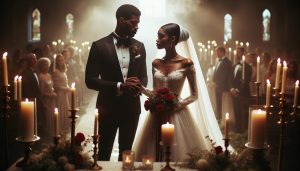
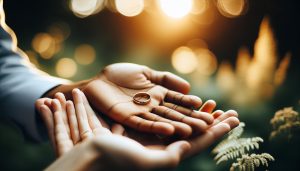
Did you know that the tradition of wedding rings dates back to ancient Egypt, where they symbolized eternity? Understanding the history of wedding rings not only enriches your appreciation for this cherished symbol but also connects you to cultures and customs that have shaped modern weddings. As you embark on your own wedding journey, knowing the fascinating origins of these rings can deepen the significance of your vows. This exploration goes beyond mere adornment; it speaks to love, commitment, and the unique stories behind each ring exchanged. Join us as we uncover the captivating history of wedding rings, revealing insights you may have never known, and enhancing your wedding planning experience.
The Origins of Wedding Rings: A Historical Overview
The tradition of exchanging wedding rings can be traced back thousands of years, and it embodies deep-rooted cultural significance that transcends mere adornment. Evidence suggests that the practice began in ancient Egypt, where couples exchanged braided reeds and leather to symbolize their commitment. These early rings represented not only love but also a belief in eternity-the circular shape had no beginning or end, symbolizing the unending bond between two people.
As the custom evolved, ancient Rome and Greece embraced rings, linking them to affiance and fidelity. In Rome, the wedding ring was often made of iron, signifying strength and permanence, while in Greece, golden bands signified wealth and status. The transfer of rings during marriage ceremonies became a public token of a private vow, making the exchange an integral part of wedding rituals across various cultures.
During the Middle Ages, with the advent of Christianity in Europe, the exchange of wedding rings took on additional importance. Rings became a part of the church ceremonies, symbolizing spiritual commitment alongside emotional devotion. This era also saw the introduction of more elaborate designs, including gemstones and intricate engravings, indicating the personal touch increasingly favored by couples wishing to express their unique love stories.
In modern times, the tradition has expanded to include custom designs reflecting the couple’s shared values and aesthetics. As you plan your wedding, understanding the rich history of wedding rings can enhance your appreciation of this beautiful symbol of commitment. Whether you opt for a traditional band or a uniquely crafted piece, remember that the ring’s significance lies not in its material value but in the love and promise it represents.
Symbolism Behind the Wedding Ring: More Than Just Jewelry
The wedding ring stands as one of the most profound symbols of love and commitment in human culture, transcending mere fashion to embody deep emotional and spiritual significance. From its origins in ancient rituals to its modern presence in wedding ceremonies across global cultures, the ring conveys messages of fidelity, unity, and everlasting love. For many couples, the act of exchanging wedding rings is a defining moment, signaling not just a legal union but a heartfelt promise to support and cherish one another.
Historically, wedding rings have represented more than just jewelry. In ancient civilizations, they were crafted from materials significant to the culture. For instance, in Egypt, the earliest wedding rings were made of braided reeds, symbolizing the intertwining of two lives and the cycle of life itself. Conversely, in the Rome of yesteryear, the strong iron bands signified durability and an unbreakable bond, while gold rings became a mark of status and affluence in Greek culture. The circular shape of the ring, having no beginning or end, has always been central in representing an eternal love and the hopes that come with shared futures.
As trends evolved, the designs of wedding rings took on new meanings, often reflective of the couple’s unique identity and values. Modern couples frequently seek rings that not only symbolize their love but also convey personal stories through custom engravings or the choice of unconventional materials such as alternative metals or ethically sourced gemstones. This personalization allows each ring to serve as a lasting testament to a couple’s journey, encapsulating their shared experiences and the promises they make.
Ultimately, the symbolism of the wedding ring extends beyond its physical attributes. It embodies reassurance and commitment, serving as a reminder of the love and partnership shared. As couples select their rings, they should embrace the significance of this decision, contemplating the style and meaning behind their choice. Whether opting for a classic band or a contemporary design, each ring is a powerful emblem of the love story that will continue to unfold, making the wedding day and the rings exchanged all the more memorable.
Cultural Variations: How Different Societies Celebrate Love
Weddings around the world are a vibrant tapestry of customs and traditions, each reflecting the unique cultural values and beliefs of the societies that celebrate them. From the intricate rituals of a traditional Indian wedding to the simplicity of a civil ceremony, the act of exchanging wedding rings is often a central element in these celebrations, steeped in rich symbolism and significance.
In many cultures, wedding rings are not merely decorative items but are infused with deep meaning. For instance, in some African cultures, the exchange of rings symbolizes the joining of two families, not just two individuals. Wedding rings may be crafted from locally sourced materials, representing the couple’s roots and community ties. Similarly, in Jewish traditions, the simple gold band has become a symbol of love and fidelity, with the ring often passed around during the ceremony for all guests to touch, reinforcing the communal aspect of marriage.
Unique Practices Across Cultures
- Eastern Celebrations: In China, weddings are often accompanied by the “double happiness” symbol, and rings may feature red gemstones to signify good luck and joy.
- Norwegian Traditions: In Norway, it is common for both partners to wear wedding rings, highlighting equality in the relationship.
- Mexican Marriages: During the rituals, it’s customary for couples to exchange arras, or gold coins, in addition to rings, representing shared prosperity.
The cultural variations demonstrate not only how marriage is celebrated but also how the wedding ring itself can evolve in meaning. In some societies, rings are engraved with symbols or phrases that reflect the couple’s personal commitment, adding a unique layer to the traditional circular shape that represents eternity.
As you plan your wedding, consider embracing the cultural elements that resonate with you and your partner. This approach not only honors your backgrounds but also offers an opportunity to weave your own story into the universal narrative of love and partnership. Engage with family traditions or discover new customs from around the world that can enrich your celebration. Remember, the choice of your wedding ring, whether traditional or modern, should reflect both of your identities, making the day even more special as you embark on this lifelong journey together.
The Evolution of Wedding Ring Materials Over Time
The journey of wedding rings is as rich and diverse as the cultures that celebrate them, reflecting profound changes in materials and symbolism over the ages. Initially, wedding rings were made from simple materials like braided grasses or reeds, signifying the natural connection between a couple. As societies progressed, metals began to play a crucial role, with copper and iron being favored for their durability. The earliest records of gold wedding bands date back to Ancient Egypt, where the circle symbolized eternity, and gold represented the divine.
The Shift to Precious Metals
As civilizations advanced, so did the materials used for wedding rings. The Greeks and Romans often wore rings crafted from gold because it was deemed a representation of wealth and status. This shift not only emphasized the ring’s decorative purpose but also its role as a status symbol. By the Middle Ages, wedding rings in Europe became intricately designed and often included gemstones. The use of precious materials indicated not only commitment but also the couple’s social standing.
Modern Innovations
The 19th and 20th centuries introduced further innovations in wedding ring materials. Platinum emerged as a popular choice due to its strength and rarity, reflecting a couple’s devotion and the enduring nature of their love. The era also brought about a desire for personalization; couples began seeking unique designs that conveyed their individual styles, leading to the inclusion of alternative materials. Today, rings can be found in an array of metals, including titanium, tungsten, and even ceramic, catering to diverse tastes and lifestyles.
A Sustainable Future
In recent years, the conversation around sustainable wedding rings has gained momentum, with many couples opting for ethically sourced gems and recycled metals. This evolution reflects a growing awareness of environmental impact and ethical considerations in wedding planning. Couples are now empowered to choose materials that resonate with their values, ensuring their rings symbolize not only their love but also their commitment to sustainability.
Ultimately, highlights how these symbols of love have adapted to reflect changing societal norms, values, and personal choices. As couples navigate their wedding planning journey, understanding these materials can enhance their appreciation for the art and tradition behind their decision. Whether traditional or modern, the choice of a wedding ring serves as a beautiful testament to the couple’s unique love story.
Engagement Rings vs. Wedding Rings: Understanding the Difference
Engagement rings and wedding rings serve distinct yet interconnected roles in the journey of love and commitment. While both symbolize the bond between partners, their purposes are different, and understanding these nuances can help couples navigate the exciting world of wedding planning with confidence and clarity.
Traditionally, an engagement ring is given during a proposal, representing a promise of marriage. It often features a prominent gemstone, typically a diamond, which symbolizes eternal love and commitment. The engagement ring’s style may vary widely, with many couples choosing designs that reflect personal tastes-anything from classic solitaires to intricate vintage settings. This ring often holds significant sentimental value and is typically worn on the fourth finger of the left hand, believed to have a direct connection to the heart.
In contrast, the wedding ring is exchanged during the wedding ceremony itself, signifying the official union of two lives. This ring is often simpler than the engagement ring, traditionally crafted from gold, platinum, or another durable metal, symbolizing the strength of the lifelong commitment being made. Many couples choose to have their wedding bands match or complement each other in style and metal, reinforcing their shared journey. Both rings are intended to be worn together; however, it is common practice for the wedding band to be placed on the finger first, closest to the heart, followed by the engagement ring.
Understanding the difference between these two types of rings is crucial for couples as they approach their wedding planning. Here’s a helpful comparison of some key aspects:
| Aspect | Engagement Ring | Wedding Ring |
|---|---|---|
| Purpose | Symbol of the proposal and promise of marriage | Symbol of the marriage commitment |
| Typical Design | Often features a large stone, often a diamond | Usually a simpler band, can be plain or with embellishments |
| When it’s given | During the proposal | During the wedding ceremony |
| Worn | On the left hand (fourth finger) | On the left hand (fourth finger), typically under the engagement ring |
Ultimately, both engagement and wedding rings embody the unique love story of a couple, serving as lasting reminders of their commitment to each other. Understanding their distinct roles can help couples make informed choices that reflect their values, style, and relationship. As you navigate your wedding planning journey, take time to consider what each ring means to you and how you want to express your love through these timeless symbols.
Famous Wedding Rings Throughout History and Their Significance
Some of the most famous wedding rings in history have become iconic symbols of love, commitment, and cultural significance, resonating through time and leaving an indelible mark on romance. For instance, the wedding band of Queen Victoria and Prince Albert gave rise to the tradition of using ornate engravings inside the band to personalize the ring, inspiring countless couples to incorporate heartfelt messages into their own rings. This beautiful coupling not only marked their union but also set a precedent that continues today.
Another notable example is the wedding ring of Princess Diana, which is now worn by Catherine, Duchess of Cambridge. This sapphire and diamond engagement ring, originally gifted to Diana by Prince Charles, transcended its initial purpose and became a symbol of elegance and grace. The ring represents not just a personal story, but also the evolution of royal wedding traditions, marrying heritage with modern styles-something many couples aspire to do in their own ceremonies.
In American history, the wedding ring worn by Marilyn Monroe signifies not only the actress’s glamorous lifestyle but also the complexities of love and partnership in the public eye. With such high-profile stories, these rings often inspire followers to explore the deeper meanings behind their own engagements and exchange rings.
As you prepare for your own wedding, consider how the rings you choose will reflect your unique story. Think about personalizing your band, whether through engraving or selecting a design that holds special meaning for you both. This approach not only honors the tradition of the wedding ring but also ensures your choice resonates with your relationship’s narrative. Let the legacy of these historic rings inspire you to find a token that encapsulates your love story’s essence, making the moment you exchange your rings even more meaningful.
The Role of Wedding Rings in Modern Relationships
In today’s relationships, wedding rings have evolved from simple symbols of commitment to deeply personal tokens that embody the complexities of love and partnership. Traditionally viewed as a ring exchanged during marriage, these bands now serve as significant markers of a couple’s journey together, representing not just their union but also their shared experiences, values, and future aspirations. Couples often choose rings that reflect their personal stories, incorporating materials, designs, and engravings that resonate with their unique relationship.
The meaning of wedding rings varies widely across cultures and personal beliefs, making each couple’s choice special. For many, a wedding ring is a tangible reminder of promises made, a daily affirmation of love and fidelity. In a world where lifestyles continuously shift, the role of these rings adapts as well. More couples are embracing non-traditional choices, opting for alternative metals, gemstones, or even unique band styles that break away from conventional designs.
Moreover, the emotional significance of wedding rings has grown to include themes of equity and shared decision-making. As modern partnerships strive for equality, couples often select rings together, allowing both partners to express their individual styles while simultaneously creating a united symbol of their commitment. This collaborative approach can strengthen the bond between partners, enriching the meaning behind the ring exchange and reflecting the partnership’s mutual affection and respect.
As you navigate your wedding planning, consider the story your wedding ring will tell. Whether rooted in tradition or modernity, the ring you choose is a powerful emblem of your love, offering a daily reminder of your commitment. Approach this decision with intention, exploring options that align with your values and preferences, and let your wedding ring be a celebration of your unique relationship and shared journey together.
How to Choose the Perfect Wedding Ring for Your Partner
Choosing the perfect wedding ring for your partner is more than just a decision; it’s an intimate expression of your shared journey and promises to one another. With a rich history dating back thousands of years, wedding rings have signified love and commitment across various cultures. To select a ring that resonates deeply with your relationship, consider these factors that blend thoughtful intention with practical advice.
Start by exploring your partner’s style and preferences. Observing the jewelry they already wear can provide insight into their taste. Do they prefer classic designs, modern aesthetics, or perhaps something eclectic? A timeless gold band might suit a lover of tradition, while a vintage-inspired ring could appeal to someone with a flair for the unique. If you’re unsure, consider consulting with their close friends or family for discreet advice on what might resonate most with them.
Next, think about the significance of the materials. Historically, wedding rings were made from simple metals, but today, couples often choose materials that reflect personal meaning or sustainability values. Options include platinum, known for its durability, or recycled gold for a more eco-conscious choice. You may also want to consider gemstones-perhaps a birthstone or a stone with a special significance to your relationship, such as a sapphire or an emerald.
Lastly, don’t forget the emotional aspect. Engagement in the ring selection process can enhance the bond between partners. Discussing preferences together allows both of you to express your individuality while creating a shared symbol of commitment. You might even opt for custom designs that incorporate personal elements like engravings or unique patterns. This journey of choosing the perfect wedding ring can be a beautiful reflection of your partnership and a celebration of your future together.
As you dive into this heartfelt purchase, remember that the ideal ring is one that feels right for your relationship-rich in meaning and crafted with love. Whether you seek a traditional style or a modern twist, the right ring will be a lasting reminder of the vows and devotion you share.
Wedding Ring Traditions Across Cultures: What You Should Know
The diversity of wedding ring traditions across cultures reflects the profound significance of love, commitment, and partnership in human societies. From ancient times to modern celebrations, the customs surrounding wedding rings vary widely, each carrying unique meanings and values. For instance, in many Western cultures, the wedding ring is typically worn on the fourth finger of the left hand, a tradition originating from the belief that a vein, often referred to as the “vein of love,” runs directly from this finger to the heart. In contrast, in countries like India, wedding rings may sometimes be replaced or complemented with a mangalsutra, a sacred thread that symbolizes marital commitment, worn by brides.
Traditions also influence how rings are exchanged during ceremonies. In some Eastern cultures, the groom presents the bride with a gold ring, signifying wealth and prosperity, while the bride may wear it only at certain times. In Scandinavian countries, couples may wear matching rings designating the union before marriage, emphasizing equality and shared partnership. In certain Indigenous cultures, rings may incorporate symbolic elements or stones native to the land, highlighting a connection to heritage and the environment.
Another intriguing custom is found in the Jewish tradition, where the wedding ring is traditionally a simple unadorned band-a symbol of purity, commitment, and eternity. This simplicity is meant to focus on the love between partners rather than material wealth. Similarly, in some African tribes, wedding rings can take the form of anklets or other adornments, indicating union in a different yet equally meaningful way.
As you explore your own wedding ring choices, consider how these global traditions can inspire your celebration. Reflecting on the significance behind various customs can help create a personal touch that honors not just your relationship but also the diverse tapestry of love shared across cultures. Whether you choose to adopt a traditional style, incorporate elements from different customs, or create a unique design that tells your story, the journey of selecting your wedding rings can be enriched by understanding and celebrating these age-old practices.
The Impact of Technology on Wedding Ring Designs
The world of wedding ring design has experienced a remarkable transformation over the years, with technology playing a pivotal role in this evolution. From traditional handcrafting techniques to the implementation of advanced technologies such as 3D printing and computer-aided design (CAD), couples today have unparalleled options when selecting their wedding bands. This shift not only modernizes production methods but also enhances customization capabilities, allowing each couple to express their unique story through their rings.
One significant impact of technology on wedding ring designs is the surge in customization options. With advances in CAD, jewelers can create intricate designs that were once impossible to realize. Couples can collaborate with designers to create bespoke pieces that incorporate personal touches, such as engraved messages or unique motifs that reflect their relationship. 3D printing further streamlines the process, enabling highly detailed and complex designs to be crafted with precision. This technology also allows for rapid prototyping, giving couples the opportunity to see and approve a model of their ring before the final product is made.
Additionally, technology has broadened access to materials that were previously less common in wedding ring design. With the rise of online retailers and advancements in sourcing methods, couples are now more likely to find ethically-sourced gemstones, lab-grown diamonds, and innovative materials like ceramic or titanium. This expands the options for styles and budgets, empowering couples to choose rings that align not only with their aesthetic preferences but also their values regarding sustainability and ethics.
As you embark on the journey to find the perfect wedding ring, consider how technology can enhance your experience. Utilize online platforms to explore various styles, materials, and customization options that reflect your personality and love story. Whether opting for traditional designs or something completely avant-garde, the tools and resources available today can help you create a piece that resonates with your unique commitment. Embrace the possibilities that modern technology offers, ensuring your wedding ring is a beautiful and meaningful symbol of your love that stands the test of time.
Sustainable Wedding Rings: A Growing Trend in Modern Weddings
In recent years, the trend towards sustainable wedding rings has gained remarkable traction, reflecting a growing awareness and commitment to ethical practices in the jewelry industry. Many couples today are seeking more than just a beautiful ring; they want a piece that aligns with their values and contributes positively to the environment. This movement not only honors the significance of wedding rings as symbols of love but also incorporates a sense of social responsibility, making each ring a statement of both personal and planetary commitment.
As couples explore their options, they can find a variety of sustainable materials that enhance the ethical dimensions of their wedding bands. Popular choices include lab-grown diamonds, which offer a stunning alternative to mined stones without the environmental impact or ethical concerns associated with traditional diamond mining. Additionally, recycled metals are increasingly being used to craft wedding rings, allowing couples to create unique designs while minimizing waste. Opting for gemstones that are ethically sourced also ensures that couples can wear their rings with pride, knowing they have made a responsible choice that considers both labor practices and environmental impact.
Embracing sustainability doesn’t mean compromising on style or quality. Jewelers are now offering an array of designs that cater to every taste, from classic and elegant to modern and artistic. Couples can even customize their rings with personal engravings or unique elements that represent their relationship, fostering a deeper connection to the piece. Furthermore, many jewelers who specialize in sustainable options are also transparent about their sourcing and production processes, providing peace of mind that matches the beauty of the rings themselves.
Incorporating sustainability into the wedding planning process can be a rewarding journey. Couples are encouraged to explore local artisans who prioritize eco-friendly practices or to learn about certified vendors who are committed to ethical standards. By making informed choices, couples can enjoy the excitement of selecting their wedding rings, all while contributing to a more sustainable future. Ultimately, a sustainable wedding ring not only celebrates love but also the couple’s dedication to making a positive impact on the world.
The Emotional Significance of Wedding Rings in Commitment
The tradition of wearing wedding rings dates back thousands of years, with roots that intertwine love, commitment, and cultural significance. These rings are not merely pieces of jewelry but potent symbols of the deep emotional bond between partners. Each time you glance at your wedding ring, it serves as a reminder of the promises made and the journey embarked upon together-a visual representation of a couple’s enduring commitment and shared life path.
In the context of a wedding, rings are often exchanged during the ceremony, symbolizing an unbreakable bond established through vows. This act is steeped in emotion, as couples commit to cherishing, honoring, and supporting each other through life’s challenges. For many, the ring also acts as a touchstone; a moment of reflection on the growth of their love, evoking memories of their special day. The circular shape of the ring, having no beginning or end, encapsulates the infinite nature of love and connection.
Moreover, wedding rings carry unique personal significance for each couple. They often reflect shared values, tastes, and experiences. Some couples opt for matching bands, while others prefer distinct styles that represent their individuality. Engraved messages or special dates inscribed on the inside of the ring can further personalize this emblem of commitment, making it truly unique to the couple’s shared story. This can create a profound emotional connection as the ring serves as a daily reminder of their vows in their everyday lives.
The emotional weight of wedding rings can also transcend cultural boundaries. Although various cultures have specific wedding customs, the underlying theme of cherishing love and commitment remains consistent. For instance, in South Asian cultures, the wedding ring may be accompanied by ceremonial exchanges that further deepen its significance. Understanding these diverse meanings can enrich the experience for couples, allowing them to incorporate elements that resonate with their heritage and shared history.
Ultimately, the wedding ring embodies the spirit of partnership and fidelity. As couples navigate the exciting yet sometimes overwhelming journey of planning their weddings, they can embrace the rings they choose as not just a fashion statement but as treasures imbued with love and commitment-reminding them daily of the promises they hold dear.
FAQ
Q: When did people start wearing wedding rings?
A: Wedding rings date back to ancient Egypt around 3000 BC, where they were made from reeds and leather. They symbolized love and commitment, a tradition that has evolved over millennia into the modern gold and diamond rings we know today.
Q: What was the significance of wedding rings in ancient cultures?
A: In ancient cultures, wedding rings often symbolized eternity and unity. Egyptians believed a circular ring had no beginning or end, representing everlasting love. Similarly, Romans used betrothal rings made from iron as a sign of strength and commitment.
Q: How have wedding ring designs changed over time?
A: Wedding ring designs have evolved significantly, shifting from simple bands to intricate styles featuring precious stones and innovative materials. The Victorian era popularized ornate designs, while modern trends include personalized and eco-friendly options, reflecting current values and preferences.
Q: What materials were historically used for wedding rings?
A: Initially, wedding rings were crafted from natural materials like reeds and leather. Over time, precious metals like gold and silver became popular, symbolizing wealth and durability. Today, trends include alternative metals like titanium and sustainable materials.
Q: How do wedding ring traditions vary across cultures?
A: Wedding ring traditions differ globally; for example, in some cultures, men wear wedding rings, while in others, only women do. In certain countries, couples exchange multiple rings, while others follow unique customs, such as symbolic binding with the rings during the ceremony.
Q: Why are wedding rings worn on the fourth finger?
A: The custom of wearing wedding rings on the fourth finger of the left hand originates from the ancient belief that this finger has a direct vein connected to the heart. This belief, known as the “vein of love,” underlines the emotional connection symbolized by the ring.
Q: What is the difference between a wedding ring and an engagement ring?
A: An engagement ring is given during a proposal, often featuring a prominent gemstone, while a wedding ring is exchanged during the wedding ceremony. Wedding rings are typically simpler bands that are worn alongside the engagement ring after marriage.
Q: What role do wedding rings play in modern relationships?
A: In modern relationships, wedding rings symbolize love, commitment, and shared values. They serve as public displays of partnership and are often seen as essential elements in wedding traditions, offering emotional significance and reflecting the couple’s unique bond.
To Wrap It Up
As you explore the captivating journey of wedding rings through history, remember that their enduring significance reflects a deep connection with love and commitment. If you’re curious about how to choose the perfect ring for your own story, check out our guides on selecting the right styles and understanding various cultural practices around engagement rings. Feeling inspired? Dive deeper into our resources on wedding planning essentials, from budget tips to venue selections, to ensure your celebration is as meaningful as the rings themselves.
Don’t miss out on sharing your thoughts-what’s the most fascinating fact you learned about wedding rings? Engage with us in the comments below! For even more insights, subscribe to our newsletter for the latest trends and tips in wedding planning. Embrace your unique journey, and let us help you make every moment unforgettable.