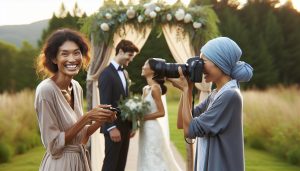
A Haitian wedding beautifully intertwines rich traditions with vibrant modern celebrations, creating a unique and memorable experience for couples and their families. Did you know that one of the key customs involves the bride’s choice to wear a veil based on her virginity status? This powerful symbol reflects deep cultural values while also offering a glimpse into the diverse practices within Haitian weddings. For couples planning their special day, understanding these customs not only enriches the celebration but also fosters a deeper connection to their heritage. From the surprise bride tradition to personalized elements that express love and joy, embracing both traditional and contemporary influences can elevate the wedding experience. Join us as we explore the enchanting world of Haitian weddings, uncovering the customs that shape them and the modern twists that make each celebration uniquely personal. Whether you’re planning your own wedding or simply curious about cultural traditions, this journey promises to inspire and inform.
Understanding Haitian Wedding Traditions
Understanding the rich tapestry of Haitian wedding traditions unveils deep cultural significance that resonates with both historical values and modern influences. Central to these ceremonies is the symbolic importance of the veil. According to Haitian customs, a bride who is a virgin traditionally wears a veil, signifying purity. Conversely, if she is not, the veil is omitted, reflecting a more contemporary acknowledgment of individual choices and life experiences. This custom highlights the importance of family and societal perceptions within the wedding context, making it a poignant element of the celebration.
Haitian weddings are also characterized by their distinct initiation rituals, where men typically take the lead in courting and proposing, establishing the dynamic of relationships within the culture. This can shape how couples navigate their romance and preparation for a wedding, often emphasizing traditional roles and expectations. Additionally, the ceremony often incorporates vibrant elements of Afro-Caribbean culture, including music and dance, which are critical in fostering community spirit and unity during the celebration.
Moreover, the blend of traditional practices with modern themes is becoming increasingly common, as couples seek to honor their heritage while also making personalized changes to their ceremonies. This fusion might manifest in the choice of music, the style of the wedding attire, or even the incorporation of non-traditional venues that resonate more with contemporary sensibilities. By understanding these nuances, couples can create a wedding day that not only celebrates their love but also pays homage to the rich cultural backdrop that forms their identity.
Key Cultural Symbols in Haitian Weddings
Haitian weddings are a spectacle of rich symbolism and vibrant culture, much like a colorful tapestry woven with threads of history, tradition, and individuality. One of the most significant symbols in these celebrations is the veil worn by the bride. In accordance with Haitian customs, a virgin bride dons a veil as a representation of purity, while a bride who is not a virgin omits the veil, underscoring a modern recognition of personal journeys and choices. This custom not only holds deep cultural meaning but also serves as a dialogue between tradition and contemporary values, reflecting the evolving perspectives within Haitian society regarding love and marriage.
Another important cultural symbol is the cultural attire that couples might choose for their wedding day. Traditional Haitian costumes often incorporate vibrant colors and intricate designs that celebrate the country’s rich heritage. For instance, the groom may wear a tuxedo or traditional “tassé,” while the bride might opt for a dress adorned with Haitian lace or even a “madras” print, showcasing pride in her roots. These clothing choices can vary significantly across different communities and social classes, adding a personal touch that represents the couple’s unique background and their commitment to celebrating it with their loved ones.
Additionally, the ceremony’s setting plays a vital role in reinforcing cultural symbols. Many couples choose to hold their weddings in lush outdoor settings, such as gardens or beaches, which not only evoke the island’s natural beauty but also symbolize fertility and growth – essential themes for a new life together. Incorporating traditional music and dance is also crucial in Haitian weddings, with rhythmic drumming and energetic Haitian folk dances serving as expressions of joy and communal celebration, embodying the spirit of unity among family and friends.
With a growing trend to blend traditional elements with modern influences, couples can creatively adapt these symbols. For those looking to embrace their heritage while offering a modern flair, consider integrating elements like hybrid wedding ceremonies that mix religious and secular traditions, or infusing contemporary aesthetics into traditional rites, making the wedding day a true reflection of their journey together. This balance allows couples to honor their rich cultural background while carving out their unique identity as partners, ensuring their celebration resonates with authenticity and joy.
Essential Elements of a Traditional Haitian Ceremony
A Haitian wedding ceremony is a stunning blend of time-honored traditions and heartfelt celebrations, where cultural symbolism plays a pivotal role in the couple’s commitment to one another. At the heart of the ceremony are two essential components: the legal vows exchanged before an officiant and the spiritual blessings bestowed upon the couple, often through the guidance of family and community.
One of the most significant aspects of a traditional Haitian ceremony is the inclusion of vow exchanges that not only articulate the couple’s love but also their intentions for a shared future. The officiant typically conducts the ceremony in a language that resonates with the couple’s heritage, often incorporating both Haitian Creole and French. Following the civil ceremony, couples may engage in a religious ceremony, where prayers and blessings from the pastor or priest enrich the sacred moment. This dual approach emphasizes the couple’s desire to honor both legal and spiritual aspects of their union.
The ambiance of the ceremony itself is deeply connected to cultural symbolism. As couples select their venues, many opt for lush outdoor locations that embody the natural beauty of Haiti-gardens, beachfronts, or historic landmarks are popular choices. These settings not only create a picturesque backdrop but symbolize growth, fertility, and the blessings of nature as the couple embarks on their journey together. To further enhance the celebration, traditional Haitian music and dance often play a crucial role, with lively beats and rhythms inviting guests to participate and express joy throughout the event.
Guests are an integral part of the celebration, reflecting the communal spirit typical of Haitian culture. During the ceremony, attendees are encouraged to actively engage-with family members sometimes asked to offer blessings or share meaningful anecdotes. This intimate participation fosters a sense of belonging and unity, underscoring the belief that marriage extends beyond the couple to include their families and friends.
Ultimately, every aspect of a traditional Haitian wedding ceremony is designed to intertwine the couple’s unique story with their cultural heritage, creating a joyous celebration that resonates with both heart and tradition. By embracing these essential elements, couples can craft a memorable occasion that honors their roots while celebrating their love story in a vibrant, meaningful way.
Incorporating Modern Touches into Haitian Weddings
A vibrant blend of tradition and contemporary influences can elevate a Haitian wedding, enriching the celebration while honoring cultural heritage. As couples embark on their wedding journey, integrating modern touches can create a personalized experience that reflects their unique love story and preferences.
One way to incorporate modern elements is through personalized invitations and digital wedding websites. While traditional Haitian invites often rely on family and word-of-mouth, couples can opt for customized stationery that showcases their personalities and theme. A wedding website can also provide guests with essential details, such as travel arrangements, RSVPs, and a registry, all in a visually appealing format that aligns with the couple’s aesthetic.
Creative Ceremony Ideas
Another effective approach is to reimagine the ceremony itself. For example, couples might consider including modern rituals that resonate with their love story. Sand ceremonies, unity paintings, or planting a tree together can symbolize the couple’s commitment while providing a fresh twist on traditional vows. Using a mix of local artists and modern technology, couples can incorporate live-streaming options for guests who cannot attend, ensuring loved ones far away still feel included in the celebration.
Inclusive Music and Dance can also play a vital role in blending traditions. While lively Haitian music is a must, couples can spice up their receptions with a mix of contemporary genres that reflect their tastes. Hiring DJs who can seamlessly transition between Haitian Kompa and popular international tracks ensures that all guests can enjoy the celebration, encouraging everyone to dance and engage.
The décor is another area where modern aesthetics can shine. Couples can enhance their wedding décor with elegant, minimalist designs while still paying homage to Haitian culture through vibrant color palettes and traditional motifs. For instance, incorporating traditional fabrics or art pieces into centerpieces or table settings can create a stunning visual narrative that respects the past while embracing the present.
Through these thoughtful integrations, couples can create a wedding that honors their beloved Haitian heritage while celebrating their modern love story, striking the perfect balance between tradition and contemporary living.
Choosing the Perfect Venue for Your Celebration
When it comes to selecting the ideal venue for a Haitian wedding, the choices are as rich and diverse as the culture itself. Whether you envision a grand celebration in a historic ballroom, a lively outdoor gathering surrounded by nature, or an intimate beachside ceremony, finding the right location is paramount in setting the tone for your special day. The venue should reflect not only the couple’s style but also the vibrant heritage of Haiti through its architecture, ambiance, and capacity to accommodate traditional customs.
Factors to Consider
One key consideration is the size of your guest list. Weddings in Haitian culture can be large and festive, filled with family and friends, so choose a space that can comfortably host your desired number of attendees. Additionally, think about the location. A venue that is centrally located or easily accessible for guests can significantly enhance their experience and participation.
Another important aspect is the venue’s flexibility with cultural traditions. Some venues may have restrictions on decorations, music, or catering, so it’s wise to ask about policies on traditional elements like Kompa music or specific food and drink options that reflect your heritage. Understanding the venue’s capacity to accommodate these elements will help create a memorable atmosphere.
Types of Venues
Here are some popular venue options that couples often consider:
- Historic Mansions or Churches: These provide an elegant backdrop that resonates with historical significance and beauty, ideal for traditional ceremonies.
- Outdoor Gardens or Beaches: Nature-infused venues allow for a relaxed atmosphere, perfect for both the ceremony and reception, while complementing the warmth of Haitian culture.
- Ballrooms or Banquet Halls: These are great for grand receptions, offering professional services and ample space for dancing and festivities.
- Community Halls: Often more budget-friendly, these venues can be personalized extensively to reflect your unique celebration.
Practical Tips for Venue Selection
To ensure a seamless planning process, take the following steps:
- Create a Venue Checklist: Prioritize features such as capacity, amenities, accessibility, and decor options.
- Visit Potential Venues: Schedule tours to get a feel for the ambiance and layout, and to envision how your wedding will come together.
- Ask About Packages: Inquire if the venue offers comprehensive packages that include catering, decor, and rentals, as this can simplify planning and help with budgeting.
- Consider Timing: Be aware of peak seasons and inquire about availability. Off-peak times can often yield better rates and allow for more personalized service.
By thoughtfully selecting a venue that aligns with both your vision and the cultural significance of your wedding, you will create a stunning setting that enhances the celebratory atmosphere and honors your roots, making your special day truly unforgettable.
Navigating the Haitian Wedding Planning Process
Planning a wedding can be one of the most thrilling yet daunting experiences in a couple’s life, and when infusing Haitian cultural elements into the festivities, the process can be both meaningful and intricate. To navigate the wedding planning journey successfully, it’s essential to approach each phase methodically, balancing traditional practices with modern preferences that resonate with the couple.
One of the first steps is to establish a clear timeline. Begin by setting a date that allows enough time for organizing everything, ideally 6-12 months in advance. This timeline should include milestones like securing the venue, choosing vendors, and sending out invitations. Early planning helps reduce stress and ensures that all cultural traditions, such as the vibrant music and colorful attire typical of Haitian weddings, are thoughtfully integrated into the celebration.
Budgeting is another crucial aspect. Determine how much you can allocate to various components, including venue, attire, catering, and entertainment. Since Haitian weddings often feature a large guest list, anticipate costs that align with hosting a festive atmosphere. It’s advisable to research costs in advance and seek recommendations for vendors who specialize in Haitian weddings, ensuring high-quality service that aligns with your budget.
Selecting vendors who understand and respect Haitian wedding customs can enhance the authenticity of your event. From florists offering traditional flowers to caterers familiar with Haitian cuisine, having the right team can make all the difference. Remember to communicate your vision clearly, emphasizing any cultural elements that are important to you, such as the incorporation of traditional music like Kompa or specific ceremonial rituals, which can add depth to the occasion.
Effective communication with family and friends is also vital. Engage loved ones early in the planning process, as their insights and experiences can be invaluable. This is particularly important in Haitian culture, where familial involvement is often paramount in major life events. This inclusive approach can also foster a sense of unity and excitement as your big day approaches.
Lastly, always leave room for personal touches. Whether through unique decor that reflects your backgrounds or interactive elements like dance or storytelling during the reception, integrating aspects of your journey together can create cherished memories for you and your guests. By thoughtfully navigating each stage of the planning process, you can orchestrate a celebration that beautifully honors both tradition and your shared love story.
Budgeting Tips for Your Haitian Wedding
Planning a wedding is both an exciting and challenging endeavor, particularly when navigating the intricate financial aspects associated with traditional Haitian customs. Understanding how to effectively manage your budget can significantly reduce stress and enhance the overall joy of your wedding experience. With a large guest list often expected in Haitian weddings, establishing a comprehensive budget early in the planning process is essential for a successful celebration.
To start, it’s advisable to draft a detailed budget breakdown. Consider categorizing expenses into key components such as venue rental, catering, attire, decor, photography, and entertainment. Here are some practical considerations to keep in mind:
- Identify Non-Negotiables: Determine which aspects of your wedding are most important to you. For example, if traditional Haitian music is a priority, allocate a substantial part of your budget for a lively band that can play Kompa and other cultural tunes.
- Research Venue Costs: Explore different venues that can accommodate a sizable guest list while offering competitive pricing. Venues often vary in cost based on location and amenities, so consider both urban and rural options for more affordable choices.
- Effective Vendor Selection: When choosing vendors, look for those experienced in Haitian weddings. This ensures that they are familiar with specific customs and can provide the authentic touches your celebration requires. Don’t hesitate to ask for references and negotiate prices where possible.
- Plan for Unexpected Expenses: Set aside approximately 10-15% of your budget for unforeseen costs. This can include last-minute decorations or additional menu items that cater to dietary needs.
Additionally, creating a timeline helps distribute expenses throughout your planning journey, allowing for a more manageable approach to spending. For instance, securing your venue and caterer early can reduce last-minute financial pressure, as these are typically the largest expenses. Prioritize essential cost commitments first and then allocate remaining funds to secondary aspects like floral arrangements and favors.
Maintaining open communication with family members can also prove invaluable. Many families, particularly in Haitian culture, may wish to contribute or offer services, whether through financial support or handmade decorations. Engaging with loved ones early allows for shared insights and ideas that may lead to unique ways to celebrate while keeping costs in check. Embrace this journey collaboratively, and your wedding will not only honor your cultural traditions but also reflect the love and support of those closest to you.
In conclusion, balancing the excitement of your Haitian wedding with careful budgeting will create a joyful and memorable celebration. By approaching financial planning with clarity and creativity, you’ll pave the way for a beautiful event that honors both your cultural heritage and the love you share.
Popular Modern Celebrations and Celebratory Trends
Haitian weddings are increasingly becoming a fusion of traditional customs and modern trends, creating a vibrant celebration that reflects both cultural heritage and personal flair. Couples today often infuse their weddings with contemporary elements while maintaining the essential aspects of Haitian culture, resulting in unique celebrations that resonate with their backgrounds and preferences. From destination weddings to elaborate themes, these modern approaches are enhancing the traditional atmosphere.
One popular trend is the incorporation of personalized elements into the ceremony and reception. Couples may opt for custom-made decor that showcases their love story, integrating photos or artifacts that highlight significant moments in their relationship. This creative storytelling adds a personal touch while captivating guests. Moreover, many modern couples are embracing technology to enhance their celebrations. Live streaming ceremonies for loved ones unable to attend in person has become commonplace, ensuring that everyone can be a part of the joyous occasion despite geographical constraints.
Catering is another area where modern trends meet traditional practices. While classic Haitian dishes remain staples-such as griot and joumou soup-many couples are choosing to cater to diverse palates by incorporating international cuisines. This eclectic array addresses varying guest preferences and dietary restrictions, making the feast even more inclusive. Additionally, interactive food stations, where guests can customize their meals, have gained popularity, allowing for a fun and engaging dining experience.
Music and entertainment also play a critical role in modern Haitian weddings. While traditional Kompa music is fondly celebrated, couples now often hire DJs who mix contemporary hits with classic tunes to keep the dance floor lively. Incorporating live performances, whether from local artists or culturally relevant bands, brings an exciting energy to the celebrations. This blend of old and new music not only honors cultural heritage but also appeals to younger generations, ensuring that everyone can enjoy the festivities.
As couples navigate the journey of wedding planning, it’s essential to communicate and collaborate with family members. Engaging loved ones early can uncover unique ideas that blend modern trends with time-honored traditions, enriching the wedding design. Embracing a collaborative spirit leads to a greater sense of connection among family and friends, making the celebration even more meaningful.
Ultimately, the key to a successful modern Haitian wedding lies in finding the right balance between tradition and innovation. Couples should consider their individual tastes and preferences, creating a celebration that authentically represents their love while honoring the rich tapestry of Haitian culture. Embrace the excitement of wedding planning, and let your unique vision shine through in every aspect of your special day.
Unique Haitian Wedding Attire and Fashion Tips
Haitian wedding attire is a vibrant expression of culture and personal style, reflecting a rich heritage intertwined with modern sensibilities. The traditional elements of Haitian wedding attire are steeped in significance, often showcasing the bride and groom’s unique backgrounds and the colorful essence of the country itself. A strong starting point for couples planning their attire is to explore the traditional garments that symbolize unity and celebration within Haitian culture.
For brides, the wedding dress often combines traditional elegance with personal flair. Many brides choose stunning gowns adorned with intricate details, often made from vibrant fabrics like satin and lace that reflect the lively colors of the Haitian spirit. Additionally, incorporating elements such as a zébrè (a colorful shawl) or embellishments that represent their family or community can personalize their look even further. To add a modern twist, many brides are opting for custom designs that may include elements like capes or separate skirts for versatility and flair during the reception.
Grooms traditionally don tuxedos or suits, ideally in bold colors that mirror the extravagance of the occasion. Many Haitian men choose to accessorize with a kreyòl (a traditional crest), representing their family heritage. To maintain a cohesive look, grooms can coordinate with the bride’s attire by selecting complementary colors or patterns. As an emerging trend, some couples are choosing matching outfits that blend both traditional and contemporary styles, creating a lasting visual harmony in their wedding photographs.
When it comes to guests, attire often leans towards vibrant, celebratory styles that embrace the joyful atmosphere of Haitian weddings. Bright colors and bold prints are favored, with many guests also opting for madras, a traditional fabric that symbolizes the rich culture of Haiti. It’s essential for guests to consider the wedding theme and colors, ensuring their outfits align with the couple’s vision while still allowing for individual expression.
Ultimately, the key to selecting unforgettable wedding attire lies in balancing tradition with personal touches. Couples should feel empowered to explore various styles, bringing their vision to life through vibrant colors and unique fabrics. Embracing the significance of their cultural heritage, while allowing space for modern influences, creates a truly special celebration of love.
Delicious Haitian Cuisine for Your Reception
The culinary experience at a Haitian wedding is an exquisite journey that reflects the vibrant culture and rich flavors of the nation. Renowned for their zest and variety, Haitian dishes serve not only as sustenance but also as a communal celebration of love and unity. As couples plan their receptions, incorporating traditional Haitian cuisine can captivate guests and ensure an unforgettable gathering.
To create a well-rounded menu, consider incorporating a mix of traditional favorites. For starters, an appetizer station featuring fritay (fried plantains, hot dogs, and pork), griot (fried marinated pork), and tasso (spicy fried beef) is a fantastic way to engage guests with crispy, flavorful bites before the main course. Complement these dishes with a selection of dipping sauces for an added layer of enjoyment.
As for the main course, a classic Haitian meal might include arroz and peas (rice and black-eyed peas) alongside joumou (pumpkin soup, traditionally served on New Year’s Day in Haitian culture) which symbolizes freedom and independence. A popular choice is cabrit (goat) stew, expertly seasoned and slow-cooked to perfection, offering a comfort-food appeal that will resonate with wedding attendees. Don’t forget to offer vegetarian options, such as legim (a vegetable stew) that allows everyone to partake in the feast.
For the sweet ending, consider traditional Haitian desserts like pen patat (sweet potato pudding), which merges flavors of coconut and nutmeg, creating a delightful treat that guests are sure to rave about. Another option is douce (sweetened condensed milk dessert), which is light and creamy, perfect for palate cleansing following a hearty meal.
Finally, enhancing the dining experience with local beverages, such as rhum (Haitian rum) or kompa cocktails, can add to the celebration’s spirit. By thoughtfully curating a diverse menu that embodies the essence of Haitian cuisine, couples can create a memorable and joyous experience that celebrates their love story while honoring cultural traditions.
Captivating Music and Dance Traditions at Weddings
The rhythm of a Haitian wedding vibrates with a unique blend of traditional and contemporary influences, creating an unforgettable atmosphere filled with joy and celebration. Central to the festivities is music, which plays a vital role in not only setting the mood but also in honoring cultural heritage. From the energetic beats of kompa to the festive tunes of twoubadou, the diversity of Haitian music invites guests to dance, laugh, and share in the love of the newlyweds.
One key element of Haitian wedding music is the live band, often accompanied by percussion instruments. These groups are well-versed in playing traditional melodies that resonate deeply with the guests. Engaging a local band can enhance the experience, as they not only provide entertainment but also encourage participation through dance. Couples may also consider including a mix of contemporary songs alongside traditional ones to appeal to all age groups among the attendees.
Dance traditions are equally vital in celebrating love and unity at Haitian weddings. As couples and guests move to the infectious rhythms, special moments like the first dance and father-daughter dance are infused with cultural significance. Often, weddings feature a moment where the bride and groom perform a choreographed dance, showcasing their connection and love, while inviting family and friends to join in as the evening progresses.
To truly embody the spirit of Haitian celebrations, it’s essential to encourage guest participation through interactive dance floors and communal dances, such as the limbo or even traditional circle dances. This not only brings everyone together but also creates lasting memories for all the attendees. As you plan your wedding, think about how to incorporate these vibrant music and dance traditions to create an unforgettable experience that highlights your love story while honoring your rich cultural heritage.
Creating a Memorable Guest Experience in Haitian Style
Creating a memorable experience for your guests is a key aspect of any wedding, and in Haitian culture, this is infused with vibrant traditions and joyous participation. To ensure your guests feel welcomed and included, consider incorporating elements that resonate with the cultural significance of Haitian celebrations while also appealing to contemporary sensibilities.
One effective way to enhance guest experience is through engaging entertainment. From the moment guests arrive, they should be immersed in a lively atmosphere. Hire a live band specializing in Haitian music such as kompa or twoubadou, which not only sets an electric mood but also invites everyone to the dance floor. Plan for performances that might include traditional drumming or dance acts that showcase Haitian folklore. Additionally, consider hosting a pre-wedding event-such as a welcome party or rehearsal dinner-that allows your guests to socialize and enjoy classic Haitian dishes and drinks, establishing a warm connection before the main event.
Encouraging Guest Participation
To create an inclusive environment, actively encourage guest participation through interactive activities. Set up a designated space for traditional dance, where everyone can join in on popular moves like the limbo or participate in circle dances. Consider organizing a dance-off or showcase where couples perform traditional dances, inviting guests to replicate the moves. This not only entertains but fosters camaraderie among attendees. You could even include a casual dance lesson prior to the wedding reception, allowing guests to feel more confident in joining the festivities.
Culinary Delights
Food plays a critical role in enhancing the guest experience. Curate a menu featuring delicious Haitian cuisine, known for its rich flavors and variety. Dishes such as griot (fried pork), djon djon rice (mushroom rice), and a selection of fresh fruits should delight your guests’ taste buds. For dessert, consider serving pâté (meat pies) or sweet treats like akasan (cornmeal drink) to provide that touch of authenticity. Displaying these culinary delights as part of a buffet or food stations not only entices guests but also encourages mingling and exploration.
Thoughtful Keepsakes
Finally, consider giving guests personalized keepsakes to commemorate the celebration. Items like small handcrafted gifts, traditional Haitian art pieces, or even a recipe card of a beloved dish can serve as meaningful mementos. This thoughtful gesture ensures that your wedding remains a cherished memory well after the celebration has concluded.
By integrating these elements into your wedding planning, you will cultivate an atmosphere that celebrates not only your love but the rich cultural heritage of Haiti, ensuring a memorable experience for all your guests.
Q&A
Q: What are some unique customs in Haitian weddings?
A: Unique customs in Haitian weddings include prewedding festivities, such as lively parties and informal invites. Traditionally, the groom’s family often covers the major wedding expenses, reflecting community and family solidarity. For more in-depth traditional elements, refer to the section on Understanding Haitian Wedding Traditions.
Q: How can I incorporate modern elements into a traditional Haitian wedding?
A: To blend modern touches into a traditional Haitian wedding, consider integrating contemporary decor, personalized vows, or modern music styles while keeping essential cultural elements. This can help create a personalized experience while honoring heritage. More tips can be found in the section on Incorporating Modern Touches into Haitian Weddings.
Q: What should be included in a Haitian wedding ceremony?
A: A traditional Haitian wedding ceremony typically includes Christian elements, symbolic rituals, and lively processions with music. Engaging family and community participation is essential. For detailed elements, check out the Essential Elements of a Traditional Haitian Ceremony section.
Q: What attire is appropriate for guests at a Haitian wedding?
A: Guests at a Haitian wedding should dress formally, often in vibrant colors, to reflect the joyous atmosphere. Traditional attire is encouraged, but modern formal wear is also acceptable. For unique fashion tips, see the section on Unique Haitian Wedding Attire and Fashion Tips.
Q: What role does music play in Haitian weddings?
A: Music plays a critical role in Haitian weddings, often featuring traditional Haitian rhythms and dances during the celebration. It helps create an exciting atmosphere and enhances the cultural experience. Captivating music and dance traditions are discussed further in the respective section.
Q: How can I create a memorable guest experience at a Haitian wedding?
A: To create a memorable guest experience, ensure a warm welcome, incorporate traditional Haitian hospitality, and offer unique culinary experiences. Engaging activities like dance performances can also enhance enjoyment. Visit the Creating a Memorable Guest Experience in Haitian Style section for more ideas.
Q: What traditional foods should be served at a Haitian wedding reception?
A: A Haitian wedding reception should feature traditional dishes like Joumou soup, rice and beans, and Griot (fried pork). These dishes reflect cultural heritage and bring a festive flavor to the celebration. More on delicious cuisine can be found in the Delicious Haitian Cuisine for Your Reception section.
Q: How do the planning processes differ for traditional vs. modern Haitian weddings?
A: Traditional Haitian wedding planning emphasizes cultural rituals and family involvement, whereas modern weddings may focus more on personal preferences and contemporary trends. Understanding these differences can help you create a harmonious blend. Check out Navigating the Haitian Wedding Planning Process for further insights.
Future Outlook
As you embark on your wedding planning journey, remember that blending traditional Haitian customs with modern celebrations creates a vibrant and memorable experience. Embrace the joy of community involvement, from the heartfelt engagement traditions to the lively wedding festivities that will bring your family and friends together. Don’t hesitate to explore related insights on budgeting for your special day and choosing the perfect venue that resonates with your cultural heritage.
Ready to dive deeper? Check out our guides on planning an unforgettable wedding reception and incorporating cultural elements into your ceremony. Your wedding day is not just an event; it’s a celebration of love and heritage waiting to unfold. Join our newsletter to stay updated on new tips and resources tailored for couples like you, ensuring your big day captures everything you envision and more. Let the planning begin!