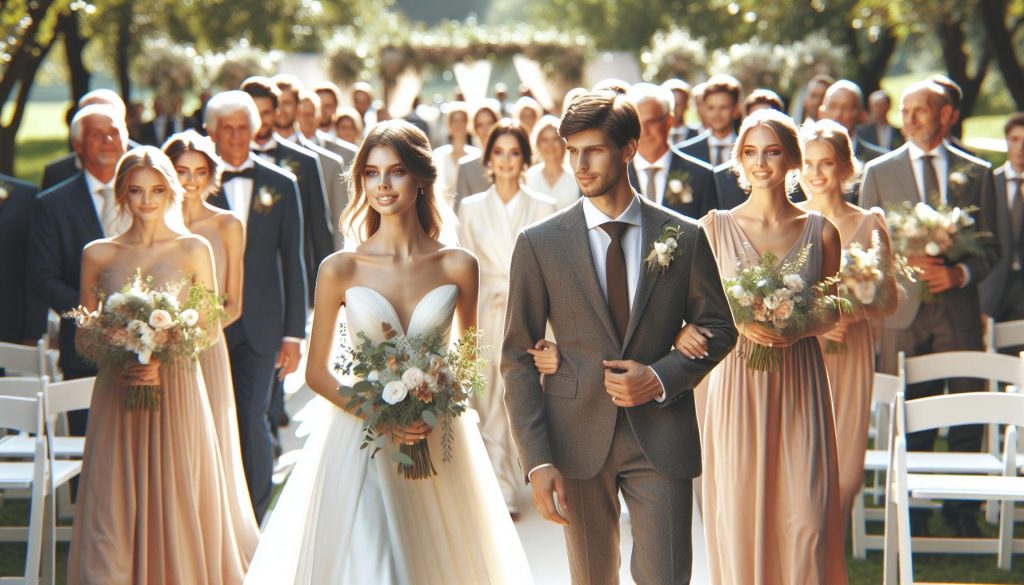
The wedding processional sets the stage for one of the most memorable moments of your life, as you walk down the aisle surrounded by loved ones. Understanding the processional order is essential for a seamless ceremony, ensuring each participant knows their role in this beautiful journey. From the officiant to the couple making their grand entrance, every detail matters!
You might wonder how to balance tradition with personal style or what to include in your unique ceremony. This step-by-step guide will walk you through the nuances of the processional, helping you create a heartfelt experience that reflects your love story. Whether you envision a grand affair or an intimate gathering, this guide is your key to crafting a memorable wedding ceremony that celebrates your love in a way that feels right for you.
What is the Processional in a Wedding? Understanding the Basics
The wedding processional serves as a beautiful prelude to the ceremony, marking the moment when everyone takes their place to witness the union of two souls. Traditionally, the processional is a structured order in which key individuals-including family members, the bridal party, and, of course, the couple-walk down the aisle, symbolizing the transition from individual lives to a shared journey as married partners. This moment not only engages guests but also establishes the emotional tone for the rest of the ceremony.
In a classic processional, the order generally begins with important family members such as grandparents and parents, followed by the officiant, the groom, the wedding party, and finally, the bride accompanied by her father or another significant figure. However, modern weddings allow for flexibility in this order, enabling couples to tailor the processional to suit their unique dynamics or cultural traditions. For example, couples may choose to enter together, or have alternative roles, such as two brides or two grooms, walk at the forefront of the ceremony, fostering a more inclusive environment for diverse family structures and relationships.
When planning the processional, it’s essential to consider not only the order of participants but also their significance to the couple. This moment can be personalized through thoughtful details, such as choosing a meaningful song or incorporating family heirlooms. Moreover, coordinating the timing and pace of the processional ensures that everything flows smoothly, allowing for an experience filled with joy, anticipation, and heartfelt emotion. By understanding and thoughtfully crafting the processional, couples can create a memorable entry that resonates with the love and commitment they are about to express.
Essential Roles in the Wedding Processional
The processional sets the tone for the entire ceremony, and understanding the essential roles involved is fundamental to crafting a memorable experience. Each participant holds a unique place in this beautiful procession, contributing to the emotional atmosphere of the moment. Traditionally, the order in which participants walk down the aisle can vary, but it often includes family members, the bridal party, and the couple themselves, each with a distinct role that signifies their importance in the couple’s lives.
Family Members
Family is often the first to take part in the processional. This typically includes the couple’s grandparents and parents. Their presence not only honors family heritage but also symbolizes their blessing and support for the couple’s union. Consider carefully which family members you wish to include and whether they would prefer to walk alone or with a partner. Some couples choose to have parents walk together or even have parents of different family backgrounds walk side by side, reflecting a blended family narrative.
The Officiant
Following family members, the officiant steps into the spotlight. This individual is pivotal to the ceremony, guiding the couple and their guests through the proceedings. Depending on personal preference, the officiant may enter alone or alongside the groom to signify the beginning of the ceremony. In non-traditional settings, some couples opt for a close friend or family member to act as their officiant, making the role even more meaningful.
The Bridal Party
Next up is the bridal party, which typically includes bridesmaids, groomsmen, flower girls, and ring bearers. Bridesmaids often walk down the aisle in pairs or individually, showcasing their unique style and connection to the bride. Groomsmen may follow alongside or behind the groom. The inclusion of flower girls and ring bearers introduces a charming element, often capturing the hearts of guests with their innocence and joy as they pave the way for the couple’s grand entrance.
The Couple
The final moment of the processional features the couple, often initiated by the bride’s entrance, traditionally accompanied by her father or another significant figure. This moment is not only a visual highlight but also the emotional climax of the processional, as all eyes are drawn to the couple as they approach the altar. For couples looking to encapsulate their personalities, it’s essential to consider alternative entrances that represent their unique journey together. Whether walking together or choosing to make a grand entrance separately can transform the traditional approach into a personalized celebration of love.
Each participant brings a unique energy and meaning to the processional. When considering the roles, think about how each person fits into your love story. Celebrating these crucial relationships through inclusion in the processional can create an unforgettable, heartfelt atmosphere that beautifully sets the stage for the vows that will soon follow.
Step-by-Step: How the Wedding Processional Works
The wedding processional is a cherished moment filled with anticipation and emotional resonance, marking the beginning of the ceremony. Understanding how this beautiful ritual works can help ensure everything flows smoothly on your special day. A structured yet flexible approach can accommodate any couple’s unique vision, allowing you to create a memorable experience that reflects your personalities and values.
To start, establish a definitive order for your processional. The sequence usually begins with the grandparents of the couple, followed by the parents. This honors their roles and support, helping to weave family heritage into the ceremony. Each participant should be mindful of their timing and the placement in the procession, which can be communicated through a detailed rehearsal or a simple list. Here’s how a typical order may proceed:
- Grandparents: Walk down the aisle first, signifying respect and appreciation.
- Parents: Next, they follow, often together, but consider their comfort levels.
- Officiant: This key figure may enter alone or with the groom, initiating the ceremony.
- Bridal Party: Bridesmaids and groomsmen can walk in pairs or singles, adding a personal touch.
- Couple: Traditionally, the bride makes her entrance last, sometimes with her father, providing a climactic moment.
As you plan the specifics of the processional, choosing the right music is crucial. The tempo and melody can greatly influence the atmosphere, so select tunes that resonate with both of you. Some couples prefer classical or instrumental pieces for a timeless feel, while others opt for modern songs that reflect their journey together. Once you have your music selected, ensure that it aligns with the timing of each participant’s entrance, allowing for a harmonious flow that captivates your guests.
Finally, remember that the processional is not just a ceremonial function; it’s an opportunity to express your love story. Consider unique elements that can personalize this moment, such as writing vows to share during or incorporating cultural rituals that honor your backgrounds. With careful planning, your processional will not only go seamlessly but will also become a heartfelt ode to your union, setting a beautiful tone for the vows that come next.
Choosing the Right Music for the Processional
Selecting the ideal music for your wedding processional is a pivotal choice that sets the emotional backdrop for one of the most significant moments of your celebration. Music has the power to evoke feelings and create an ambiance that resonates with both you and your guests, making it essential to choose tunes that reflect your personalities, values, and the essence of your love story. A well-curated soundtrack can transform a simple walk down the aisle into a breathtaking experience that lingers in everyone’s memories.
When you start exploring musical options, consider the overall theme and vibe of your wedding. Are you aiming for something traditional with a classic touch, or are you drawn to a more contemporary sound? For those who appreciate timeless elegance, classics like “Canon in D” by Pachelbel have been a staple for generations, offering a graceful, familiar melody that many guests will recognize. Alternatively, couples seeking a personal touch may want to select a modern love song or a unique instrumental cover that resonates deeply with shared memories. For example, tracks like “All of Me” by John Legend can add a heartfelt, romantic flair that perfectly captures your relationship.
It’s also worth noting the tempo and instrumentation of your chosen songs. Fast-paced tracks can create a lively atmosphere, while slower melodies encourage a more contemplative and emotional ambiance. Consider how each piece correlates with the timing of the processional, ensuring that the music aligns seamlessly with the entrance of each participant. You might even decide to incorporate live musicians, such as string quartets or solo instrumentalists, which can add a layer of sophistication and intimacy to the event.
Lastly, don’t hesitate to weave in family traditions or cultural elements into your musical selection. This could mean incorporating songs that hold significance within your family heritage or choosing pieces that reflect your background and beliefs. Such choices not only personalize your ceremony but also honor the unique tapestry of your lives. Ultimately, picking the right music for your processional will not just enhance your ceremony but also serve as a beautiful soundtrack to the start of your journey together.
Traditional vs. Modern Processional Styles
The choice between traditional and modern processional styles can dramatically shape the tone and experience of your wedding ceremony. Traditional processional styles often adhere to established customs and rituals, creating a sense of timelessness and cultural heritage. This approach might include a formal arrangement where the bridal party enters in a specific order, starting with family members and ending with the bride, usually accompanied by classical music selections like Pachelbel’s “Canon in D” or Wagner’s “Bridal Chorus.” There’s a certain gravitas to these ceremonies, with structured timing and decorum that resonate with the significance of the occasion.
On the other hand, modern processional styles embrace a more personalized and flexible approach, allowing couples to infuse their unique personalities and stories into the ceremony. This can manifest in various ways, such as non-traditional music-think contemporary love songs or even upbeat pop tracks-that reflect the couple’s tastes and shared experiences. Entry orders can also vary; for example, some might choose for the bride and groom to enter together or for the bride to walk down the aisle alone or with both parents. Such choices not only enhance the celebratory feelings of the day but also allow for greater creativity in how your love story is narrated through the ceremony.
When planning your wedding processional, consider the emotional impact of both styles. Traditional styles can evoke a sense of reverence and nostalgia, while modern ones can inspire joy and reflect the couple’s journey. You might also blend elements from both styles, starting with classical music and transitioning to a contemporary piece as you make your way down the aisle. Ultimately, whether you lean towards tradition, modernity, or a mix of both, the key is to ensure that your processional resonates with who you are as a couple.
As you think about your ideal processional, jot down ideas and inspirations. Visualizing how the ceremony will unfold can help crystalize your preferences and streamline decisions. Create a shortlist of music tracks, entrance orders, and themes that resonate with both of you. This exploration will not only pave the way for a beautiful ceremony, but it will also make the planning phase an integral part of your wedding journey, allowing you to celebrate your love in a way that feels authentically you.
Incorporating Family Traditions into the Processional
Incorporating family traditions into your wedding processional is a beautiful way to celebrate your heritage and honor the loved ones who have shaped your lives. Whether you’re looking to integrate specific customs from your families or blend different traditions, the processional provides a unique opportunity to reflect the values and practices that are meaningful to you. It’s a moment that not only sets the tone for the ceremony but also weaves together the stories and histories of both families.
One way to incorporate family traditions is to involve relatives directly in the processional. For instance, if your culture highlights the importance of familial roles, you might have grandparents or parents walk in ahead of the wedding party, symbolizing their support and blessings. Consider using specific family symbols or heirlooms, such as a family crest or a cherished piece of jewelry, which can be carried or worn as part of the processional attire. This can serve as a touching reminder of family legacies that span generations.
Another approach is to include traditional music or ceremonial rituals that your family holds dear. If your background boasts unique songs or practices, such as a particular dance or chant, infuse these into the processional. This not only honors your heritage but also makes the ceremony feel more personal and connected to your roots. For example, some couples who come from various cultural backgrounds may choose to blend elements, such as starting with a traditional hymn before transitioning into a modern song that represents their unique relationship.
When planning your processional, it’s essential to communicate with your family about their wishes, as they might have personal traditions they wish to carry forward. Be open to discussion and allow space for suggestions, which can lead to a richer and more inclusive ceremony. Balancing family traditions with personal preferences creates a memorable and heartfelt experience for everyone involved, ensuring that your wedding day feels like a true celebration of love and family.
Timing Your Processional: A Detailed Timeline
Timing plays a crucial role in creating a seamless and memorable processional that sets the perfect tone for your wedding ceremony. The key is to carefully consider how long each element will take, ensuring everything unfolds smoothly as guests take their seats and the ceremony begins. By preparing a detailed timeline, couples can effectively coordinate their wedding party’s movements, the music, and even the emotional atmosphere of the moment, enhancing the overall experience.
To start, it’s essential to estimate how long the bridal party’s processional will take. Generally, a walking pace for the procession averages about 20 to 40 seconds, but this can vary based on the number of participants and the venue configuration. Prior to the big day, arrange a rehearsal to time the walk with the chosen music. This practice helps ascertain the right point in the song to begin the processional, ensuring that the music aligns beautifully with each entrant’s appearance. It can be beneficial to create a timeline that details when each person will walk down the aisle, their order, and what music will play at each stage.
The general structure of the processional can be outlined as follows:
- Guests Arrive: 30-60 minutes before the ceremony starts, allowing time for seating and settling in.
- Prelude Music: Begins 15-30 minutes prior to the ceremony to create the right atmosphere.
- Wedding Party Processional: Starts with bridesmaids and groomsmen followed by the maid of honor, best man, and then the bride.
- Total Processional Time: Aim for 2-5 minutes depending on the number of participants and song length.
Remember that these times can be customized based on your specific preferences and needs. For instance, if you have a large bridal party, you may need to extend the timing to avoid a rushed feeling and allow guests to appreciate the moment.
Additionally, consider having a designated person (such as a wedding coordinator or a trusted friend) who can help signal when to start the processional to keep everything on track. Often, anticipating the emotional impact, arranging for pauses or intentional pacing lets you savor significant moments-like the entrance of the bride or any special family members-as they create lasting memories for you and your guests.
Incorporating family traditions or personal elements could also affect timing, making it necessary to adjust as you include various cultural practices into your ceremony. By thoughtfully planning the timing of your processional, you set the stage for a beautifully orchestrated wedding that embodies your unique style and story.
Rehearsing the Processional: Tips for Success
When it comes to ensuring your wedding processional is flawless, nothing beats dedicating time to practice. A well-rehearsed processional not only enhances the flow of your ceremony but also alleviates anxiety for those involved. To make the most of your rehearsal, gather your wedding party and anyone else who will be participating in the processional. This includes parents, grandparents, and other significant family members. Having everyone present allows the group to familiarize themselves with the layout of the venue, the order of entry, and the specific cues that will guide them on the big day.
Key Tips for a Successful Rehearsal
To set the tone for a successful rehearsal, consider the following tips:
- Designate a Leader: Having a designated person, such as a wedding coordinator or a trusted friend, to lead the rehearsal can keep things organized and efficient. This individual can provide guidance, enforce the timeline, and help everyone know when it’s their turn to walk down the aisle.
- Timing is Crucial: Conducting the rehearsal in conjunction with the actual music you plan to use helps everyone get the timing down perfectly. Encourage your bridal party to walk to the rhythm of the song, allowing you to fine-tune entry points for each person.
- Practice Makes Perfect: Don’t rush the rehearsal; take your time to practice each person’s entry and how they’ll stand during the ceremony. Repeating the processional several times can ease nerves and ensure everyone feels comfortable.
- Anticipate Challenges: Address potential issues ahead of time, such as how to navigate potential obstacles or unique aspects of your venue. If you expect an unfamiliar audience, rehearse encouraging cues to help everyone feel comfortable as guests take their seats.
Be open to feedback from your bridal party; their experiences and perspectives can help highlight any adjustments needed to enhance the processional. Practice helps everyone feel more confident and connected, transforming a potentially stressful moment into one filled with joy and anticipation.
Finally, wrap up your rehearsal with a light-hearted activity, such as sharing laughter or encouraging a toast. Celebrating your commitment and the momentous occasion reinforces the joyous essence of your wedding, ensuring everyone enters the actual ceremony with a sense of unity and excitement. A well-planned rehearsal can turn your processional into a beautiful and moving experience, setting a perfect stage for the next chapter in your lives.
Common Mistakes to Avoid During the Processional
The processional is a pivotal moment in any wedding ceremony, setting the stage for the couple’s first steps into a shared life. Getting it just right requires careful planning and consideration, as several common pitfalls can disrupt the flow and emotional impact of this significant event. Recognizing these mistakes ahead of time can help ensure that the processional unfolds seamlessly, allowing everyone involved to enjoy the moment fully.
One major mistake is failing to communicate the order and timing to all participants. It’s essential that everyone involved in the processional understands their place and when to step forward. Holding a rehearsal, as mentioned before, is key to clarify these details, but also consider creating a simple guide or cue cards summarizing roles and timings. This ensures that no one feels confused or lost as they approach this momentous occasion.
Another frequent error is neglecting to coordinate with your musicians or DJs about the cues for the music. The music plays a crucial role in setting the tone of the processional, and any slip-up in timing can throw off the entire experience. To avoid this, schedule a sound check before the event to confirm everything flows smoothly from the start. Checking the sound setup in advance, especially in outdoor venues or places with unique acoustics, is also vital.
Additionally, overlooking the emotional atmosphere can detract from the processional’s intended significance. Remember to brief your wedding party on maintaining a joyful demeanor while walking down the aisle. Encourage smiles and eye contact, as the energy from the processional can help set a positive tone for the entire ceremony. It’s also important to manage emotional distractions; if certain family dynamics could cause tension, having a strategy in place to minimize these issues will be beneficial.
Lastly, remember the importance of pacing. Rushing through the steps can make the moment feel hurried, while a too-slow pace might lead to stiffness or awkwardness. Practice walking at the right speed during the rehearsal, allowing everyone to feel natural and relaxed. Aim for a balance that honors the significance of the moment while keeping it enjoyable and fluid. By being aware of these pitfalls and preparing accordingly, you can create a memorable processional that resonates with joy and love.
Creative Ideas to Personalize Your Processional
The wedding processional is a moment filled with emotion and anticipation, providing the perfect opportunity for couples to showcase their unique love story. Personalizing this segment can infuse your ceremony with special meaning, making it a true reflection of who you are as a couple. Consider these creative ideas to make your processional distinctly yours.
One memorable way to personalize your processional is through unique attire. Beyond the traditional white dress or tuxedo, think about incorporating colors, fabrics, or styles that resonate with both of your personalities. Perhaps you could wear matching sneakers for a casual touch, or choose outfits that reflect your cultural heritage. Additionally, involving family members in choosing the attire can create a sense of unity and tradition.
Another impactful addition is customizing your processional route. Instead of merely walking down an aisle, consider alternatives like entering from different sides or even making your way through the crowd. This can create a more interactive experience, allowing guests to feel connected to the moment. You might also choose a setting that holds significance, such as a garden where you had your first date or a place that symbolizes your journey together.
Musical choices also play a crucial role in crafting a personalized processional. While classical wedding tunes are popular choices, consider selecting songs that hold personal significance for both of you. This could be a favorite song from a significant moment in your relationship or a piece that resonates with your shared interests. Collaborating with musicians to arrange the music according to your style can add warmth and character.
Finally, incorporating special elements into the processional can enhance its uniqueness. Consider having friends or family read meaningful quotes, poems, or blessings before you enter, setting a heartfelt tone. Another idea is to include a symbolic act, such as lighting a unity candle or planting a tree together, reinforcing your commitment to each other and the journey ahead.
By embracing creative personalization, you transform the processional from a simple march into a heartfelt celebration of your love, making it a moment that you and your guests will cherish forever.
Different Wedding Processionals for Diverse Cultures
In the rich tapestry of wedding traditions worldwide, the processional is more than merely walking down the aisle; it’s a cherished ritual that can vary significantly across cultures. Embracing these diverse customs not only honors heritage but also creates a more personalized and meaningful ceremony. Couples should consider how various cultures approach this essential moment, allowing them to incorporate elements that resonate with their backgrounds and beliefs.
In many African weddings, the processional often features vibrant music and lively dance, creating a jubilant atmosphere. The bride and groom may be preceded by family members and friends, who perform traditional dances, signaling their joy and community spirit. For instance, in Zulu weddings, the bridal party leads with song and dance, reflecting the cultural emphasis on togetherness and celebration.
Asian wedding ceremonies, such as Indian weddings, involve elaborate processional traditions. The Baraat, a festive procession where the groom travels to the wedding venue accompanied by friends and family, typically includes music, dancing, and even decorated horses or vehicles. The bride’s entry, often called the “Jaimala,” involves her being escorted by relatives and is a highly symbolic moment that showcases family unity and honor as she makes her way to the altar.
In contrast, Western weddings, while generally more standardized, still offer numerous opportunities for personalization. Traditional processions may include not just the bridal party but also parents of both the bride and groom, creating poignant moments of familial recognition. Many couples are choosing to integrate non-traditional elements into their processional, such as having beloved pets partake or using innovative routes, like entering from different sides or through the audience, making the event feel more personal and intimate.
Across all cultures, incorporating unique elements is crucial. For example, Latino and Latina weddings often see the inclusion of cultural symbols, such as the “La Sorpresa,” where the bride may surprise the groom by incorporating an unexpected dance before the formal vows, highlighting the joyous spirit of their union.
Ultimately, exploring and integrating various cultural procession elements allows couples to create a processional that truly reflects their identity and heritage, fostering a deeper connection with their loved ones and the remarkable journey ahead.
Maximizing Emotional Impact in Your Processional
The processional sets the stage for a wedding like no other moment, transforming the atmosphere as hearts begin to race with anticipation. As loved ones look on, the emotional weight of this entrance can be maximized through thoughtful planning and personal touches. By focusing on the details that evoke heartfelt connections, couples can ensure their processional resonates deeply with everyone present, embedding memories that will last a lifetime.
Personalizing the Experience
One effective way to enhance the emotional impact of the processional is to incorporate meaningful elements that reflect your unique story as a couple. Think about personalizing the entry with special items, such as a family heirloom, or choosing a particular flower that holds sentimental value. You might even consider incorporating traditions from both families to honor your heritage, blending cultural elements that showcase your journey together. Customizing the order of entry-such as having siblings or close friends walk down the aisle before the bride-can also enhance emotional connections by acknowledging significant relationships.
Choosing the Right Music
The selection of music can make or break the emotional atmosphere of your processional. Carefully chosen songs set the tone and heighten the anticipation, allowing guests to feel the moment’s weight. Consider using a live musician or string quartet, as live performances often evoke a more profound emotional response than recorded music. You can also curate different songs for various parts of the processional, which can add depth and highlight transitions-perhaps a joyous tune for the bridal party’s entrance, followed by a more poignant piece as the bride approaches the altar [[1](https://myperfectweddingmexico.com/wedding-tips/ceremony-processional-and-recessional/)].
Creating Lasting Memories
The final steps of the processional are crucial. This brief moment before exchanging vows is filled with anticipation and emotion. Slow down this part of the entrance; make eye contact with loved ones and allow the moment to linger. Engaging with the audience helps magnify the significance of your entry and makes guests feel included in the celebration. Capture these moments in photographs or video to help preserve the emotions you experienced during your processional, ensuring that the memory of love shared on that day continues to echo long after the celebration ends.
By thoughtfully addressing these elements, couples can create a processional that resonates emotionally not just for themselves, but for everyone in attendance, transforming the moment into an unforgettable celebration of love and commitment.
Frequently Asked Questions
Q: What happens during the wedding processional?
A: The wedding processional is the formal entrance of the wedding party and immediate family and culminates with the bride’s entry. Traditional roles include the officiant, parents, groom, bridal party, flower girls, and the bride, who usually walks last. This moment sets the tone for the ceremony.
Q: How long does the wedding processional usually last?
A: A typical wedding processional lasts between 2 to 5 minutes, depending on the number of participants and the chosen music. Timing should be coordinated with the progression of the music to create a seamless flow into the ceremony.
Q: Can I customize the order of the wedding processional?
A: Yes, the order of the wedding processional can be customized to reflect your personal style or cultural traditions. Adjusting the sequence based on your preferences or including unique elements is totally acceptable for modern weddings.
Q: How do I choose music for the wedding processional?
A: Selecting music for the processional should resonate emotionally with you and suit the overall mood of the ceremony. Consider classical pieces for a traditional feel or contemporary songs that reflect your relationship, ensuring the music heightens the moment as participants enter.
Q: When should we rehearse the wedding processional?
A: It’s ideal to rehearse the wedding processional a day or two before the wedding, ideally during the ceremony rehearsal. This practice allows the wedding party to become comfortable with their roles and the timing of entrances, helping to ensure a smooth ceremony.
Q: What are common mistakes to avoid during the wedding processional?
A: Common mistakes include neglecting to communicate the order clearly, choosing inappropriate or lengthy music, and underestimating the importance of rehearsals. Ensure everyone knows their place and timing to avoid confusion on the big day.
Q: How can I personalize my wedding processional?
A: Personalization can be done by choosing meaningful music, incorporating family heirlooms (like a special item to carry), or including diverse cultural elements that reflect your background. Small details like these make your processional uniquely yours.
Q: Are there different processional styles for different cultures?
A: Yes, many cultures have distinctive processional styles, such as the traditional Jewish “Yichud,” the Indian “Baraat,” or a Native American “Handfasting.” Researching and integrating these elements can honor your heritage and celebrate diversity during the ceremony.
The Conclusion
As you embark on the exciting journey of planning your wedding, understanding the processional is just the beginning. This crucial moment sets the tone for your ceremony, ensuring that your special day flows smoothly and beautifully. If you have any lingering questions or need further guidance, don’t hesitate to explore our related articles on wedding timeline management and tips for coordinating with your vendors.
To stay updated with the latest wedding planning insights, consider signing up for our newsletter. Join our community of couples who are turning their wedding dreams into reality! With diverse wedding styles, from enchanting destination ceremonies to intimate courthouse unions, we celebrate all love stories.
Remember, each detail matters, and we’re here to guide you every step of the way. Let your wedding planning journey be joyful and fulfilling! Share your thoughts or any experiences in the comments below; we love hearing from you!