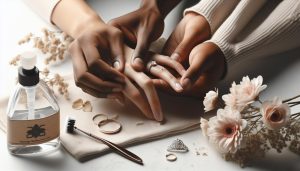
As you embark on the beautiful journey of wedding planning, one of the most essential elements to consider is the wedding band. These symbols of love and commitment come in various styles and metals, and understanding their pricing can be a challenge. Did you know that the cost of a simple wedding band can range from $600 to $3,500, depending on design and material choices? This price guide will equip you with the knowledge needed to explore wedding band options that fit your budget and aesthetic preferences. Whether you envision a classic gold band, a sleek platinum design, or a stunning diamond-accented piece, this guide will provide insights to help you make informed choices. Keep reading to discover how to navigate the world of wedding bands, ensuring you find the perfect ring that reflects your unique love story while aligning with your financial goals.
Choosing the Perfect Metal for Your Wedding Band
Choosing a wedding band metal is more than just about aesthetics; it’s a significant decision that embodies the love and commitment you share. Wedding bands are worn daily, which means their durability and comfort are just as important as their beauty. With a plethora of metal options available, understanding their unique properties can help guide this exciting decision and ensure you choose the perfect band that resonates with your personal style and lifestyle.
When it comes to metals, each option brings its own combination of strength, weight, color, and hypoallergenic qualities. Popular choices include:
- Gold: Available in yellow, white, and rose varieties, gold is timeless and can vary in purity, measured in karats. Higher karat gold (14k, 18k) is softer but offers rich color, while lower karat options (10k) are more durable.
- Platinum: Known for its remarkable durability and natural white luster, platinum is a luxury choice that is both hypoallergenic and resistant to tarnish. It can be more expensive but is often viewed as a worthwhile investment due to its longevity.
- Titanium: A modern alternative, titanium is incredibly strong, lightweight, and resistant to corrosion. This makes it a great choice for those who lead active lifestyles.
- Tungsten Carbide: Known for its scratch resistance and hefty feel, tungsten carbide bands offer a bold look and are extremely durable, making them ideal for those who prioritize toughness.
- Stainless Steel: An economical and resilient option, stainless steel has grown in popularity due to its modern aesthetic and affordability.
Choosing the right metal depends on many factors, including budget, lifestyle, and personal style preferences. A practical approach is to consider how you spend your day and how your ring will stand up to wear and tear. For instance, those with active jobs or hobbies might benefit from the durability of titanium or tungsten, while those drawn to classic elegance may lean toward gold or platinum. Taking time to physically try on different metals and styles can also provide insight into what feels best on your finger, as comfort is key to ensuring you’ll love your wedding band for years to come.
Ultimately, selecting the right metal is a meaningful step in your wedding planning journey, ensuring that your band reflects both your unique story and the commitment you are making. Consider discussing options with a jeweler who can provide detailed information tailored to your preferences, helping you navigate through materials and styles to find a band that symbolizes your love and matches your lifestyle perfectly.
Understanding Styles: From Classic to Modern

Choosing a wedding band is not only about the metal or the price-it’s also about style, which plays a pivotal role in how couples express their unique love stories. From timeless designs that have adorned fingers for centuries to contemporary creations that push the boundaries of traditional aesthetics, the world of wedding bands is rich and varied. Understanding these styles allows couples to select a ring that not only symbolizes their union but also beautifully aligns with their personal tastes and lifestyle.
Classic styles often embody elegance and simplicity, focusing on enduring designs such as the traditional gold band or the classic diamond eternity ring. These pieces are designed to withstand the test of time both in durability and in style. For instance, a plain 14K gold band can be a timeless choice at an accessible price point, typically ranging from $500 to $1,500 depending on the width and craftsmanship. On the other hand, more ornate options, such as a diamond-studded band, can elevate a simple design into a statement piece that captures light and attention, often starting from $1,200 for smaller carat weights.
Modern styles tend to embrace creativity and unique details, such as geometric shapes, mixed metals, or vintage-inspired designs that feature intricate engraving or unique gemstone settings. Couples seeking a modern twist may explore rings that combine metals like white gold and rose gold for a distinctive look, or those that incorporate alternative materials such as ceramic or wood accents that resonate with individual preferences. Prices for these unique styles can vary widely, often starting around $600 for simpler designs and escalating significantly for more elaborate pieces crafted from high-end materials.
Ultimately, the choice of style should reflect the couple’s shared journey and individual personalities. Whether leaning towards a classic band that echoes generational traditions or opting for a modern interpretation that showcases personal flair, the right wedding band will endeavor to represent the enduring love they celebrate. To help navigate the myriad of options, visiting local jewelers where couples can try on different styles and receive personalized guidance can be an invaluable part of this exciting journey-ensuring that each ring is not only beautiful but perfectly suited to their story.
How Much Do Wedding Bands Cost? A Comprehensive Breakdown

Choosing a wedding band is one of the most exciting steps in your wedding planning journey, and understanding the costs involved can significantly ease the decision-making process. An array of factors contributes to the price of wedding bands, including materials, design, and market demand. On average, couples can expect to spend anywhere from $400 to $12,000 on their wedding bands, depending on these specific features and personal preferences.
Breakdown of Average Costs
When considering how much to invest in wedding bands, here’s a helpful overview of typical price points based on material and style:
| Material | Average Price Range |
|---|---|
| Gold (14K) | $500 – $1,500 |
| Platinum | $1,200 – $3,000 |
| White Gold | $700 – $2,000 |
| Alternative Metals (Titanium, Tungsten) | $300 – $800 |
| Custom Designs | $1,000 – $12,000+ |
Keep in mind that the presence of intricate designs, gemstones, or added embellishments can raise the price. For example, diamond-studded bands often begin around $1,200 for smaller carat weights, so if you have a specific aesthetic in mind, be prepared to consider how it affects your overall budget.
Factors Influencing Prices
Several factors can influence the cost of your wedding band:
- Material: Different metals come at varying price points; for instance, platinum is more expensive due to its rarity and durability.
- Craftsmanship: Custom or artisanal creations can increase costs, while mass-produced bands are typically more budget-friendly.
- Brand: Well-known designers or jewelers might charge a premium for their name and craftsmanship.
- Market Conditions: Prices of precious metals fluctuate based on market demand, potentially affecting your purchase decision.
By understanding these elements, couples can make informed decisions that not only reflect their style but also align with their budget. With the variety of styles available and ample opportunity for personal expression, choosing a wedding band should feel less daunting and more celebratory-marking the unique connection that you and your partner share.
Factors That Influence Wedding Band Prices
The cost of wedding bands can vary dramatically based on several influencing factors, each playing a crucial role in the final price you might pay. Understanding these elements allows couples to navigate their budget while selecting a ring that symbolizes their unique love and commitment.
One of the primary factors affecting price is the material chosen for the wedding band. Precious metals like gold, platinum, and white gold tend to be more expensive due to their rarity and desirability. For instance, platinum, known for its durability and hypoallergenic properties, usually starts at a higher price point compared to alternative metals like titanium or tungsten, which are generally more budget-friendly yet still strong and stylish choices. Additionally, the weight of the metal can impact the cost; heavier rings use more material and therefore are often priced higher.
The craftsmanship involved in creating the wedding band also plays a significant role. Custom or artisanal designs that require skilled handiwork typically come with a premium price tag. These pieces are not just rings but artistic expressions tailored to the couple’s preferences, which can justify the investment. In contrast, mass-produced rings can be more accessible in terms of budget, offering style without the bespoke costs.
Moreover, brand reputation can influence costs. Well-known designers or high-end jewelers often charge more for their products, riding on their reputation for quality and design. Couples should balance the allure of a prestigious label with their personal style and budget. Finally, market conditions, including fluctuations in the prices of precious metals due to global demand and economic factors, can directly affect the cost of the rings. Couples may want to look for purchasing opportunities during less volatile times in the market to secure the best deal.
In summary, by carefully considering these factors-material, craftsmanship, brand, and market conditions-couples can make informed decisions that align with both their hearts and their finances, ensuring a wedding band that beautifully signifies their commitment.
Comparing Budget-Friendly vs. Luxury Options

The decision between budget-friendly and luxury wedding bands is a journey that speaks to both personal style and financial considerations. As couples embark on this significant step towards commitment, understanding the nuances between these options can help them navigate the landscape of choices available, ensuring they select a ring that resonates with their love story while adhering to their budget.
For those on a tighter budget, there are wonderful options that don’t compromise on style or significance. Many reputable jewelers create stunning wedding bands using alternative metals such as titanium, tungsten, or even sterling silver. These materials offer durability and aesthetic appeal, often at a fraction of the price of traditional precious metals. Furthermore, couples can look for sales or explore timeless designs that have enduring appeal, allowing them to invest in a piece that symbolizes their love without breaking the bank. Popular styles such as simple polished bands or subtle textured finishes can provide both sophistication and affordability.
Conversely, couples who are drawn to luxury wedding bands may find joy in the intricate craftsmanship and premium materials available. Engagement with prestigious designers or specialized artisan jewelers can elevate the ring’s significance, as these pieces often feature high-quality diamonds or gemstones and unique designs tailored to individual tastes. The experience of selecting a luxury band can include personalized elements, such as custom engravings or unique settings, that reflect the couple’s shared values and journey. It’s essential, however, to balance this desire with a realistic assessment of financial implications; even within the luxury market, understanding the cost versus emotional value can guide couples to the right choice.
Ultimately, both budget-friendly and luxury wedding bands offer valuable ways to express commitment, and selecting the right one involves introspection about personal priorities and budget constraints. By exploring materials, styles, and the sentimental value behind each choice, couples can confidently find the perfect ring that corresponds with their unique love story while staying within their financial comfort zone. Embracing the planning journey with openness and creativity will ensure that the chosen ring symbolizes a lasting commitment, whether it’s crafted from gold or an alternative metal.
Popular Wedding Band Materials: Pros and Cons

Choosing the right material for your wedding band can be just as significant as the design itself, encompassing not only style but also durability and budget. With a variety of options available, understanding the pros and cons of popular wedding band materials empowers couples to make informed choices that reflect their personal tastes and lifestyles.
Gold
Gold remains a timeless choice for wedding bands, available in yellow, white, and rose hues. Pros include its classic appeal and wide availability in various karats, allowing for different price points. Additionally, gold can be easily resized and can achieve intricate designs and engravings. However, cons include its susceptibility to scratching and the need for regular maintenance to keep it looking pristine. Couples should consider their lifestyle; if one partner works with their hands often, a more durable metal might be wiser.
Platinum
Platinum is often viewed as the ultimate luxury choice, known for its durability and resistance to tarnish. Its strength and weight give it a substantial feel, symbolizing lasting love. While platinum bands are hypoallergenic and maintain their beauty over time, the cost can be significantly higher than gold or other metals. It can also scratch, but unlike gold, which loses gold content with wear, platinum scratches merely move the metal around rather than remove it, which can be a reassuring aspect for longevity.
Titanium and Tungsten
For the modern couple, titanium and tungsten are excellent alternatives that blend durability with distinct style. Both materials are exceptionally tough, making them ideal for active lifestyles. Titanium is lightweight and corrosion-resistant, while tungsten is known for its outstanding scratch resistance. On the flip side, these materials are often more challenging to resize, which can be a consideration if your finger size changes over time. Furthermore, while both offer unique designs-often with a contemporary look-titanium can sometimes be less traditional in appearance, which may not suit all tastes.
Wood and Alternative Materials
Increasingly popular among couples looking for unique bands, wood rings, often combined with metals, offer a natural aesthetic that embodies individualism. Pros include their lightweight feel and the ability to personalize them deeply. Many are handcrafted, emphasizing the couple’s unique journey. However, they may lack durability compared to metals, potentially requiring extra care to avoid damage or wear. A clear understanding of how such materials will fit into daily life will help couples assess whether the charm of wood outweighs the practical considerations.
Choosing the right metal comes down to personal style, lifestyle, and budget. Engaging with a jeweler can provide insights into maintenance, care requirements, and the best selections for lasting love that aligns with each couple’s vision. This journey is not just about picking the metal; it’s about expressing the love story that will last a lifetime.
Custom vs. Pre-Made: What to Know
When it comes to selecting wedding bands, couples often face the choice between custom and pre-made options. Each has its own set of advantages and can significantly impact your budget, timeline, and overall wedding experience. The decision ultimately hinges on what the couple values most-whether it’s a unique design that tells their love story or the convenience and cost-effectiveness of a ready-to-wear piece.
Pre-made wedding bands generally offer a wider range of designs at lower price points, thanks to economies of scale in production. This option allows couples to explore a variety of styles quickly and often includes ready-made pieces in various metals and finishes, which can be particularly appealing for those who may need a ring on a shorter timeline. The budgets for pre-made bands can be quite flexible, with options often starting from lower price thresholds, making them accessible for couples with varying financial plans.
On the flip side, custom wedding bands offer a unique opportunity for personalization that can truly encapsulate a couple’s journey. When choosing custom, couples can select everything from the metal type and design elements to engravings that hold special meaning. Although this option typically involves higher costs and a longer lead time, many couples find the personal touch and artistic expression invaluable. Custom bands can also meet specific requirements related to lifestyle, durability, or even aesthetic preferences, ensuring that the ring fits seamlessly into everyday life.
Ultimately, the choice between a custom or pre-made wedding band reflects personal priorities. Couples should assess their budgets and timelines, but also consider the emotional significance of the piece. Engaging with a knowledgeable jeweler can provide insights into which option might best suit their individual love story, creating not just a ring, but a cherished symbol of their commitment.
Tips for Shopping: Where to Find the Best Deals
While shopping for wedding bands, finding the best deals can feel like a daunting task, especially given the emotional and financial significance of this purchase. But rest assured, there are practical strategies you can implement to ensure you secure a beautiful ring that fits both your style and budget.
One effective approach is to start your search online. Many jewelers offer exclusive online deals and discounts that may not be available in-store. Websites often host sales events around holidays or engagement seasons, providing an excellent opportunity to snag a deal. Make sure to utilize filtering tools to narrow down your search based on your preferred metal, style, and price range. This includes checking reputable sites such as Brilliant Earth and Zales which have a wide range of choices.
Another valuable tip is to consider purchasing during off-peak wedding seasons. Most couples plan their weddings during the warmer months, leading to higher prices from March through September. If your wedding date is flexible, shopping in the fall or winter might yield significant savings. Additionally, be on the lookout for end-of-season clearance sales when retailers want to make room for new inventory, allowing you to find exquisite rings at reduced prices.
Don’t forget about local jewelers! Often, these businesses provide personalized service and unique pieces that aren’t available through larger retailers. Building a relationship with a local jeweler can result in special deals or even discounts for loyal customers. You may also discover custom options at competitive prices, allowing for a distinct wedding band that reflects your personality without overspending.
Finally, always remember to ask about financing options or layaway plans if you find the perfect ring that slightly exceeds your budget. Many retailers offer flexible payment plans that make it more manageable to invest in a high-quality wedding band without the financial strain. Comparing prices across different retailers for both custom and pre-made options can ultimately provide you with the insight needed to make a decision that is both financially sound and emotionally fulfilling. By following these tips, you’ll not only find a beautiful symbol of your commitment but also enjoy the shopping process as part of your joyful wedding planning journey.
Sizing Up Your Options: Ensuring the Perfect Fit
Finding the perfect fit for a wedding band is an essential part of the ring-buying experience. A well-fitting band not only ensures comfort but also gives you peace of mind that your symbol of love will stay secure on your finger throughout your daily activities. Many engage with the idea of this lifelong commitment, visualizing how it will look and feel, but the process of sizing can sometimes feel daunting. As you embark on this journey, understanding the nuances of ring sizing can make all the difference in selecting the right band.
To guarantee the best fit, it’s crucial to measure your ring size accurately. This is best done using a professional jeweler, who can provide expert advice and utilize precise tools. However, if you prefer taking a DIY approach, a simple method is to use a piece of string or a strip of paper and wrap it around your finger. Mark the point where the ends meet and measure the length against a ruler, then compare this measurement against a ring size chart available online. Keep in mind that fingers can fluctuate in size due to factors like temperature, water retention, and dietary changes, so it’s wise to measure your size at different times of the day.
Once you have your ideal size, think about the type of band you’ll choose. Comfort-fit bands are typically slightly rounded on the inside, providing a smooth and comfy feel against your skin, ideal for those who might be wearing the ring for extended periods. On the other hand, traditional bands are flatter on the inside. It’s important to consider that wider bands may fit differently than thinner ones, so trying on various styles in your measured size is recommended.
Things to Consider for the Perfect Fit
- Width of the Band: Wider bands can feel tighter due to their surface area, so you might need to size up for comfort.
- Metal Type: Different metals come with varied flexibilities. For example, platinum can feel snugger than gold, given its density.
- Seasonal Variations: Consider your lifestyle and when you might wear your ring most often. If most of your celebrations are in warmer months, be mindful that your fingers might swell.
- Engagement with Cultural Practices: Some cultures have specific traditions regarding wearing rings, so understanding these can further guide the fit.
In conclusion, ensuring a perfect fit for your wedding band involves more than just knowing a number; it’s about understanding your own lifestyle and needs. By taking the time to measure correctly and considering the various attributes of the rings available, you can confidently select a band that will be both beautiful and comfortable, allowing you to wear it with pride as you celebrate your love.
Maintaining and Caring for Your Wedding Band
Caring for your wedding band is essential to preserving its beauty and ensuring that it stands the test of time. No matter the material-whether it’s the timeless elegance of platinum, the warm glow of gold, or the durability of titanium-understanding how to maintain your ring can make a significant difference in its longevity. Regular care not only keeps your ring looking magnificent but also protects your investment, especially as you navigate the various price points and styles available in 2025.
One fundamental aspect of wedding band maintenance is daily cleaning. Gently washing your ring with mild soap and warm water can help eliminate dirt, oils, and residues that accumulate over time. Use a soft-bristled toothbrush to reach tiny crevices without scratching the surface. For those moments when your wedding band needs a quick refresh, this simple cleaning routine can be highly effective. Additionally, consider professional inspections and cleanings regularly, typically every six months, to identify any potential issues, such as loose stones or worn spots, before they become significant problems.
Another important factor is to protect your ring from harsh chemicals and extreme environments. For example, if you frequently use cleaning agents or engage in activities like gardening or heavy lifting, it might be wise to remove your ring temporarily. This practice not only safeguards your band from scratches or damage but also helps maintain its luster. Furthermore, storing your wedding band separately from other jewelry can prevent tangling and scratching.
When considering the materials of your wedding band, it’s crucial to know their characteristics. Different metals have unique maintenance needs. For instance, while 14K gold is relatively low-maintenance, platinum may require more frequent polishing to maintain its shine due to its tendency to scratch more easily. Understanding the specific care needs of your chosen material can enhance your ring’s appearance and lifespan significantly.
Embrace the journey of taking care of your wedding band. By incorporating these practices into your routine, you’ll ensure that your beloved piece remains a glittering symbol of your love, ready to be cherished in every moment of your life together.
Trends in Wedding Bands for 2025
As couples embark on their wedding planning journey in 2025, the world of wedding bands is more vibrant and diverse than ever. Modern fashion trends reflect a blend of personal style, enduring elegance, and innovative materials, allowing couples to find the perfect symbol of their love. From unique metal choices to eye-catching designs, today’s wedding bands cater to every taste and budget, shaping the way couples celebrate their commitment.
One of the prominent trends this year is the embrace of vintage-inspired elegance. Many couples are drawn to ornate designs reminiscent of past eras, featuring intricate detailing and unique artistry. These rings often incorporate fancy cut stones like emeralds, baguettes, or pears, which add a distinctive flair to traditional settings. Customization continues to thrive, with couples opting for custom eternity bands that harmonize with their engagement rings, emphasizing personal narratives and shared aesthetics.
A significant shift towards sustainable choices is also changing the landscape of wedding bands in 2025. Eco-friendly options made from recycled or lab-grown materials resonate strongly with environmentally-conscious couples. This trend is seamlessly blending aesthetics with ethics, ensuring that the rings symbolize not just a commitment to each other but also a commitment to the planet.
Additionally, the bold use of colorful gemstones is making waves. Couples are increasingly stepping away from classic diamonds in favor of vibrant sapphires, rubies, and emeralds, reflecting their personalities and tastes. Such choices can influence the price point significantly, depending on the rarity and quality of the stones. This approach not only makes for a striking statement but often fits different budgets, appealing to a wide array of couples.
Lastly, the rise of minimalist styles continues to gain traction, with many opting for sleek, understated designs that prioritize comfort and wearability without sacrificing elegance. The clean lines and simple bands can be quite cost-effective while still exuding sophistication, proving that less can indeed be more.
With all these trends evolving in 2025, couples are delighted to explore various avenues that resonate with their unique love stories. Whether it’s through material choices, design preferences, or sustainable practices, the variety of wedding band trends this year truly encapsulates the essence of modern love.
Personalizing Your Wedding Band: Engraving and Beyond
Personalizing your wedding band is a beautiful way to celebrate your unique love story. Customization options like engravings are not just trendy but also deeply meaningful. Whether it’s the date of your wedding, a significant quote, or one word that encapsulates your relationship, an engraving can transform a simple band into a cherished keepsake. Many couples choose intimate phrases that hold special significance, adding a layer of sentimental value to their rings. Consider exploring different fonts and placements, allowing your personalities to shine through in this small but impactful detail.
Beyond engraving, the personalization of your wedding band can extend to the choice of materials and gemstones. Couples are increasingly opting for alternative metals like titanium, tungsten, and even bespoke mixtures that can be more affordable while offering stunning aesthetics. Additionally, the use of unique gemstones or mixed metals can add a splash of color and individuality to your band. Custom designs allow you to incorporate elements that symbolize your journey together, such as birthstones or specific patterns that resonate with your personal tastes.
When thinking about personalization, also consider the craftsmanship behind your ring. Artisanal designers often provide flexibility in creating bespoke pieces that tell your story. This might include intricate details, mixed textures, or even family heirloom materials, creating a unique blend of history and modernity. For example, some couples might choose to include a family gemstone into their designs, connecting past and present within a single piece.
Ultimately, personalizing your wedding band is an exciting opportunity to express yourself and your relationship. By embracing different options-whether through sentimental engravings, unique material choices, or custom designs-you create a ring that is as one-of-a-kind as your love. Take the time to explore various ideas and communicate with jewelers about the best ways to ensure your wedding band reflects your journey as a couple, making the process as fulfilling as the day itself.
Q&A
Q: How much should I budget for wedding bands in 2025?
A: In 2025, wedding bands generally range from $700 to $1,200, with many couples spending around $1,000. For luxury options or custom designs, prices can increase significantly. It’s advisable to establish a budget early and explore various styles and materials to find the right fit for your finances.
Q: What materials are best for wedding bands?
A: The best materials for wedding bands include gold, platinum, titanium, and tungsten. Each has unique properties: gold is traditional and versatile, platinum is durable and hypoallergenic, titanium is lightweight, and tungsten is known for its scratch resistance. Consider personal style and lifestyle when choosing.
Q: Can I find budget-friendly wedding bands without compromising quality?
A: Yes, you can find quality wedding bands at budget-friendly prices by shopping during sales, exploring alternative metals like titanium or stainless steel, and considering pre-made designs instead of custom ones. Always check for warranties and return policies to ensure satisfaction.
Q: What factors can influence the cost of wedding bands?
A: Several factors can influence wedding band costs, including the metal type, design complexity, brand reputation, and any additional features like engravings. Seasonal sales and local jewelry store promotions can also affect pricing, making it beneficial to shop around.
Q: How do I choose the right style of wedding band for my partner?
A: Choosing the right wedding band style involves considering your partner’s personal taste, lifestyle, and existing jewelry. Classic styles like plain bands suit minimalist tastes, while more intricate designs appeal to those who prefer detail. Explore various styles together to ensure the perfect match.
Q: Are custom wedding bands worth the investment?
A: Custom wedding bands can be worth the investment if you want a unique design that reflects your personal story. They allow for personalization in materials, engravings, and styles. However, they tend to be more expensive, so weigh the emotional value against your budget.
Q: How do wedding band sizes differ between men and women?
A: Wedding band sizes do differ between men and women, with men typically wearing wider bands. Women’s bands can vary from delicate to more substantial styles. It’s crucial to get an accurate size from a jeweler, considering the width of the band, which can affect fit.
Q: What are the current trends in wedding bands for 2025?
A: Current trends in 2025 include mixed-metal bands, vintage-inspired designs, and more personalized options like engraving. Eco-friendly materials and ethically sourced stones are gaining popularity as couples increasingly prioritize sustainability in their wedding choices.
Concluding Remarks
As you embark on your journey to find the perfect wedding band, remember that this choice is more than just a price point; it symbolizes your unique love story. By exploring various metals and styles, you can discover options that fit both your aesthetic and budget. Don’t forget to check out our detailed guides on the best materials for durability and style or tips for customizing your wedding bands to reflect your personalities.
Are you ready to take the next step? Sign up for our newsletter to receive exclusive insights and updates on wedding trends, or explore our directory of trusted jewelers for personalized consultations. Dive deeper into our resources on wedding planning essentials, from budgeting tips to selecting the ideal venue, ensuring you’re equipped for every aspect of your big day.
Join our community by sharing your thoughts or experiences in the comments, and let us help celebrate your love as you plan for a joyful and memorable occasion. Your dream wedding awaits!