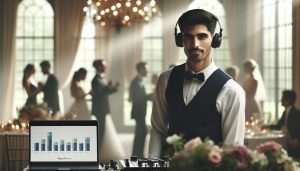
Planning a wedding can be both exhilarating and overwhelming, especially when it comes to budgeting for key elements like the entertainment. One of the most vital components that can make or break your celebration is the wedding DJ. Understanding the average costs and factors that influence DJ pricing is essential to ensuring you receive both quality services and great value. In this guide, we’ll break down the costs associated with hiring a wedding DJ, share practical tips for booking, and help you navigate the world of contracts and packages. This information is not just about numbers but about creating an unforgettable atmosphere where you and your guests can dance, celebrate, and make lifelong memories. So, let’s dive in and unlock the secrets to finding the perfect DJ for your special day!
Understanding Wedding DJ Pricing: Key Factors to Consider

Understanding how wedding DJ pricing works can feel overwhelming, but grasping the key factors involved can empower you to make informed decisions that perfectly match your celebration style and budget. A wedding DJ does more than just play music; they set the tone for your event, interaction with guests, and manage the flow of activities throughout the evening. This multifaceted role is reflected in their pricing, which can vary widely based on several crucial elements.
One of the most significant factors influencing pricing is the DJ’s experience and reputation. More seasoned DJs often command higher fees because they bring a wealth of expertise in reading crowds, mixing tracks seamlessly, and ensuring every wedding has a lively atmosphere. Additionally, geographic location plays a vital role-wedding vendors in metropolitan areas typically charge more than those in rural settings due to market demand and cost of living differences.
Another essential aspect to consider is the length of service required. Most DJs charge by the hour, and prices can vary for different times of the day or week. Consider how long you’ll need their services, such as for the ceremony, cocktail hour, and reception, to avoid unexpected costs. Extra services, such as lighting design, photo booths, or additional sound equipment, can also escalate the overall cost, so it’s critical to ask about these in advance.
Creating a well-structured budget while keeping these factors in mind will enhance your wedding planning experience, helping you find the right fit for your celebration as well as maximizing your entertainment value on the big day.
Average Costs for Wedding DJs: What to Expect
The cost of hiring a wedding DJ can vary widely, depending on several factors that contribute to the overall experience. Understanding the average pricing is essential for budget-conscious couples who want to ensure an unforgettable celebration without overspending. As a starting point, most couples can expect to pay between $800 and $2,500 for professional DJ services, with rates influenced by the DJ’s experience level, geographic location, and the duration of the event.
When budgeting for DJ services, consider these key cost components:
- Experience and Reputation: Established DJs with extensive experience and a solid reputation may charge premium rates, typically ranging from $1,200 to $2,500. Their expertise guarantees a higher engagement level, helping to set the mood and keep guests entertained.
- Duration of Service: DJs typically charge by the hour, with average rates falling between $150 and $500 per hour. Couples should also account for the length of the ceremony, cocktail hour, and reception when planning the total cost.
- Location: Geographic location plays a significant role in DJ pricing. Urban areas with higher demand often see costs skew upward compared to rural regions. For instance, prices in metropolitan hubs might start at $1,000, while rural prices often begin around $800.
Budgeting should also consider potential extras. If you desire enhancements like lighting, photo booths, or additional equipment, ask for comprehensive packages or add-ons, as these can increase the overall cost significantly. Couples who plan carefully and outline their needs can find a DJ who aligns perfectly with their vision while managing expenses effectively. By understanding what to expect with DJ pricing, you’ll set the stage for a memorable event filled with joy, music, and dancing.
Hidden Costs of Hiring a Wedding DJ

When planning a wedding, couples often focus on the visible costs associated with hiring a DJ, such as their hourly rate or package price. However, several hidden costs can sneak up on you, significantly impacting your overall budget. Being aware of these potential expenses ensures a smoother planning experience and helps maintain financial control over your big day.
One common hidden cost relates to travel fees. If your wedding is taking place outside the DJ’s standard service area, they may charge a travel fee to cover gas, mileage, and necessary accommodations. It’s important to clarify these details upfront to avoid surprises. Additionally, some DJs may require a deposit to secure their services, which is generally non-refundable. This upfront cost might be overlooked in the initial budget, so ensure it’s accounted for when estimating total expenses.
Another often-missed factor is equipment upgrades. While many DJs offer a basic sound and lighting package, they may have premium options that significantly enhance the ambiance, such as elaborate lighting setups or photo booths. These add-ons can contribute significantly to the overall price, sometimes hundreds or even thousands of dollars, depending on what’s included. It’s wise to inquire about these options during your initial conversations with potential DJs to determine exactly what you might want for your event.
Finally, don’t forget to consider tips for your DJ and any additional crew members, such as assistants or sound technicians. While tipping isn’t mandatory, it’s a common practice to show appreciation for outstanding service, typically ranging from 10% to 20% of the total cost. By keeping these hidden costs in mind, you can better navigate your wedding budget and enjoy a seamless celebration filled with joy and dance.
Types of Wedding DJs: Choosing the Right Fit
When it comes to creating the perfect ambiance for your wedding reception, the type of DJ you choose can make all the difference. With so many styles and approaches available, understanding the various categories of wedding DJs can help you select the right fit for your celebration. The right DJ not only provides music but also acts as the master of ceremonies, guiding the flow of events and keeping the energy high.
One popular category is the Club DJ, who brings a high-energy vibe influenced by the latest dance tracks. If you’re envisioning a lively dance party, this type of DJ can read the crowd and adapt the music on the fly, mixing tracks seamlessly to ensure the dance floor stays packed. They often use professional equipment and may incorporate visual elements like light shows, which can transform your venue into an unforgettable nightlife experience.
On the other side, a Traditional Wedding DJ focuses on classic wedding favorites and is well-versed in the typical flow of wedding receptions. This type of DJ might curate playlists that include timeless hits and songs that resonate with a wide range of guests, ensuring that all generations feel included. They are also skilled at announcing key events like the first dance or cake cutting, adding a personal touch to each moment.
For couples looking for a more unique experience, a Live DJ with Musicians offers a hybrid approach that combines DJing with live performances. This can include vocalists, instrumentalists, or even dancers, providing an interactive entertainment experience that engages guests in a new way. This type of setup can be particularly effective for couples wanting to infuse cultural elements or specific genres of music into their celebration.
When choosing a DJ, consider your wedding’s theme and the atmosphere you’re aiming to create. Ask questions about their previous experience with weddings similar to yours, and listen to sample mixes or watch videos of their performances. Taking the time to match your vision with the right type of DJ will enhance the overall enjoyment of your day and help create unforgettable memories for you and your guests.
Essential Booking Tips for Wedding DJs
When it comes to securing the perfect wedding DJ, a well-planned approach can elevate your celebration and keep your guests engaged. Start by thoroughly researching potential DJs through online reviews, personal recommendations, and social media. Look for vendors who not only have great music playlists but also a reputation for excellent customer service and a professional demeanor. Many couples make the mistake of jumping at the first DJ they find, but really taking the time to explore your options can yield an entertainment experience that resonates with your vision.
It’s crucial to check availability as early as possible. Popular wedding dates can book up quickly, so reaching out to your top choices sooner rather than later gives you a better shot at securing your ideal DJ. Once you establish initial contact, request to meet in person or via a video call. This conversation is vital, as it allows you to gauge their personality and determine if they can connect with you and your guests. Don’t forget to share your wedding playlist preferences, but also remain open to their expertise; a skilled DJ will know how to adapt to different situations and crowd dynamics.
Once you’ve chosen a DJ, carefully review the contract details before signing. Ensure that all aspects of the service are covered, including setup and breakdown times, song requests, equipment provided, and cancellation policies. A good contract provides clarity and protects both you and the DJ, minimizing misunderstandings on your special day. Additionally, consider discussing the potential for customized services. If you have unique cultural elements you’d like to incorporate, find out if the DJ is comfortable with that and if they can accommodate those requests.
Lastly, don’t hesitate to engage the DJ in the weeks leading up to your wedding. Remind them of important details, such as the timeline for your big day and any must-play or do-not-play songs. Regular communication ensures that everyone is on the same page, which is vital for a smooth and joyful wedding celebration. By following these booking tips, you’ll enhance not just the entertainment aspect of your wedding, but also contribute to an unforgettable atmosphere for you and your guests.
Comparing Wedding DJ Packages: What’s Included?
Evaluating different wedding DJ packages can feel overwhelming, especially with the variety of options available. Each DJ comes with unique services, and understanding what’s included in their packages can help you make an informed decision that aligns with your vision. Typically, DJ packages are tiered, with basic, standard, and premium options, each offering varying levels of service and equipment.
Essential Inclusions in DJ Packages
When comparing wedding DJ packages, consider these common inclusions:
- Setup and Breakdown Time: Most packages will outline the time allocated for the DJ to set up their equipment before the event and break it down afterward. Ensure this is clearly stated to avoid any surprises on your wedding day.
- Sound Equipment: This is a major component. Packages typically include speakers, microphones, and sometimes additional gear like subwoofers. Confirm that the equipment meets your venue’s size and acoustic needs.
- Lighting: Some packages may offer additional lighting options, such as dance floor lights or ambient lighting to enhance the atmosphere. This can transform the look of your reception and set the mood for the dance floor.
- Music Library and Requests: It’s essential to understand the extent of the DJ’s music library and how they handle requests. A good DJ should have a wide range of genres and be open to playing your must-have songs.
- DJing Style: Different DJs have different styles-some may stick closely to playlists, while others are more interactive, engaging with guests during the party. Make sure the package includes your preferred style of entertainment.
Optional Add-Ons
Moreover, many DJs offer add-ons that can elevate your entertainment experience. These can include:
- Photo Booths: Often available as an additional service, photo booths are a fun way for guests to capture memories while they enjoy the festivities.
- Extended Hours: If your celebration lasts longer than expected, inquire about the cost of extending the DJ’s service beyond the initial agreed hours.
- Backup Equipment: Ensure your chosen DJ includes backup equipment in their package to eliminate any risk of technical issues during your event.
When selecting a DJ, reviewing and comparing these packages thoroughly will help ensure you choose one that not only meets your needs but also enhances the overall joy of your wedding celebration. Don’t hesitate to ask questions or request clarification on any item that’s unclear-you deserve to feel confident in your choice as you navigate this exciting journey!
Evaluating Experience and Style: Finding the Perfect DJ
Finding the right DJ for your wedding is a pivotal decision that can significantly influence the atmosphere of your big day. A DJ’s experience and style greatly affect not only the music selection but also how they interact with your guests, setting the tone for an unforgettable celebration. When evaluating potential DJs, it’s essential to consider both their technical skills and their ability to engage and entertain your guests in a way that aligns with your vision for the event.
A DJ with ample experience in weddings will be familiar with the dynamics of a wedding reception, including how to read the room and adjust the playlist accordingly. Look for DJs who provide a list of previous weddings they’ve worked on, and don’t hesitate to ask for testimonials or references. This can give you insight into their professional interaction with couples and guests alike. Additionally, ask about their approach to mixing music genres-whether they’re adept at blending different styles to keep guests of all ages dancing or strictly follow a specific genre.
Identifying Style is equally crucial. Some DJs have a more laid-back presence, focusing purely on the music, while others may take on an MC role, engaging with the crowd through announcements and interactive activities. If you envision a lively atmosphere with plenty of guest interaction, consider a DJ known for a more outgoing style. Conversely, if you prefer a subtle background presence that allows guests to mingle without much interruption, seek out DJs who specialize in this approach.
Take the time to attend events where potential DJs are performing, if possible, or request sample mixes to understand their musical range and mixing techniques. This firsthand experience can also help you gauge their professionalism and the energy they bring. Ultimately, finding a DJ who aligns with your wedding theme and reflects your personal style will ensure that the music enhances your celebration, creating cherished memories for you and your guests.
Before You Sign: Important Questions to Ask Your DJ
Before making a final decision on your wedding DJ, it’s crucial to arm yourself with the right questions that can illuminate their expertise and how well they align with your wedding vision. This not only helps ensure you’re getting the best value for your investment but also sets the stage for a seamless experience on your big day.
Start by inquiring about their experience and references. Ask how many weddings they’ve performed at and request references or testimonials from previous clients. This can give you insight into their professionalism and adaptability. Next, don’t hesitate to delve into their music selection and style. Ask if they are open to playing specific songs and how they handle requests from guests. Understanding their mixing style and how they read a crowd can reveal how they will adapt to the atmosphere at your wedding.
Another critical aspect is their equipment and setup. Inquire about what audio equipment they use and whether they have backup gear in case of failures. This ensures that your event runs smoothly without any unexpected glitches. Moreover, discuss their approach to the timeline of the event: how will they coordinate with other vendors, such as the caterer or wedding planner, to ensure everything flows according to schedule? This level of coordination is essential for a worry-free wedding day.
Lastly, be straightforward about costs and potential hidden fees. Ask for an itemized package that details all services included in their fee, such as consultations, setup and breakdown times, and lighting options. Understanding the fine print can help avoid surprises and ensure your budget aligns with your expectations. By asking these insightful questions, you not only gather the essential information needed to make a wise choice but also establish a relationship of trust and clear communication with your DJ, which is critical for a successful event.
The Impact of Location on DJ Costs
The venue of your wedding plays a significant role in determining the overall cost of hiring a DJ. Location influences not only the availability of DJs but also their pricing, as costs can vary widely based on the local market, travel distances, and regional expenses. In metropolitan areas or popular wedding destinations, you may find a larger pool of talented DJs, but you could also face higher rates due to increased demand and the cost of living. Conversely, in smaller towns or rural areas, DJs might charge less, but the selection could be limited.
When considering , keep the following factors in mind:
- Travel Fees: If your wedding is outside the DJ’s usual service area, be prepared to cover travel costs. This can include mileage, accommodations, or even flights if they are coming from a different region.
- Local Market Rates: Research typical DJ pricing in your venue’s area. Rates can fluctuate depending on local economic conditions and demand, so understanding the standard can help you gauge whether a DJ’s fees are reasonable.
- Time of Year: Certain seasons are more popular for weddings, particularly spring and summer. Booking a DJ during peak times may lead to higher rates, while off-peak times can often yield better deals.
- Event Type and Size: The scale of your celebration also matters; a larger event may require a more extensive sound system and additional equipment, which can increase the overall cost.
Navigating these elements can make a significant difference in budgeting for your entertainment. For couples considering a destination wedding or non-local venue, it can be wise to secure a DJ who is familiar with the location, as they can offer valuable insights on logistics, sound requirements, and local customs, enhancing your wedding experience while potentially saving you money. By understanding how location affects costs, you can better prepare a realistic budget that aligns with your vision for the day, ensuring that the celebration flows smoothly and that you can dance the night away with your loved ones.
Tips for Negotiating DJ Rates with Confidence
Negotiating DJ rates can feel daunting, but with the right approach, you can secure a great deal while ensuring your wedding day sounds stunning. Start by doing your homework; understand the average DJ prices in your area. This knowledge gives you a solid foundation to assess the quotes you receive and lets you know when a deal is too good to be true or if a higher rate might be justified by quality. Additionally, attending wedding fairs or showcases can give you a firsthand perspective on various DJs and their pricing, making it easier to compare options.
When you start discussions with potential DJs, be open and transparent about your budget. Most DJs will appreciate your honesty and may offer you a package that fits within your financial constraints. It’s also helpful to inquire about the full range of services they provide. Some DJs may quote a lower price but charge extra for equipment setup, lighting, or additional hours. Asking about the inclusive features of their packages can lead to better negotiations. If a DJ’s initial quote is slightly above your budget, don’t hesitate to ask if they can adjust their offer, particularly if you’re flexible with the date or duration of their service.
Consider the calendar when scheduling your wedding. If your wedding falls during the off-peak season or on a weekday, you have a greater chance of negotiating lower rates, as demand is likely to be lower. Additionally, if you’re willing to book a DJ who’s just starting their business or who is looking to build their portfolio, you may find someone eager to please and willing to negotiate a competitive price. This is often a win-win situation because you help them gain experience while they provide you with quality entertainment at a more affordable rate.
Lastly, always remember to get everything in writing. This includes the agreed-upon price, any specifics about equipment, and details about set-up and breakdown times. A written contract not only clarifies your agreement but also protects you in case any misunderstandings arise later. By approaching the negotiation process informed and with an open heart, you’ll be able to secure an amazing DJ who can elevate your wedding celebration to memorable heights.
Audio Equipment Essentials: What DJs Provide
A stunning wedding celebration often relies on the right audio equipment to create the perfect atmosphere. When hiring a wedding DJ, understanding what they provide in terms of equipment is crucial for setting the mood and ensuring everything runs smoothly. A professional wedding DJ typically comes equipped with a range of gear that caters to different event spaces, ensuring high-quality sound and seamless operation.
Key Equipment DJ Services Offer
Most wedding DJs will supply the following essential audio equipment:
- Sound System: This includes speakers, subwoofers, and amplifiers. DJs assess the venue size to ensure the sound system can fill the space without distortion.
- Mixers: A DJ mixer allows for seamless transitions between tracks, which is vital for maintaining energy on the dance floor.
- Microphones: Essential for speeches, toasts, and announcements, DJs typically bring both handheld and wireless options to suit different needs.
- Cables and Power Sources: The right cables and adequate power supplies are crucial for connecting all equipment safely and effectively.
- Lighting Equipment: Many DJs offer lighting options to enhance the atmosphere, including disco lights, LED uplights, and mood lighting.
Understanding Your Specific Needs
Before booking, it’s wise to discuss specific audio requirements with your DJ. Consider the venue’s acoustics and your guest count to determine what audio setup will be most effective. For example, outdoor weddings may require different sound solutions compared to intimate indoor settings.
Inquire about additional features or enhancements that might be included in your package. Does the package cover setup and teardown time? Are there extra fees for additional equipment? Understanding these details ensures transparency and helps you avoid any surprises on the big day.
Choosing the right DJ means finding someone whose equipment matches your vision for your wedding. By prioritizing the audio essentials they provide, you’ll ensure that the music flows beautifully and contributes to a joyous, memorable celebration.
Maximizing Your DJ’s Performance: Song Requests and Timeline
The music you choose for your wedding sets the tone for the entire celebration, making the role of your DJ critical in crafting unforgettable moments. One way to maximize your DJ’s performance is by effectively managing song requests and timelines, allowing for a seamless flow of entertainment that keeps guests engaged and dancing all night long.
First and foremost, establish an open dialogue with your DJ well before the big day regarding song requests. Consider creating a shared playlist that includes a mix of your preferred tracks along with any must-play songs from family and friends. This not only personalizes the experience but also empowers your DJ to read the crowd and steer the music accordingly. A good DJ will be skilled in reading the room, so they may suggest songs that complement your selections, enhancing the atmosphere and filling the dance floor. Embrace a balance between your choices and the DJ’s expertise to create an exciting and welcoming environment for all guests.
In addition to song selection, collaboration on the timeline is essential for effective performance. Work with your DJ to outline key moments during the wedding reception-such as the first dance, bouquet toss, and cake cutting-so they can plan an appropriate music schedule around these events. It’s helpful to provide them with a timeline of the evening’s activities, allowing for smooth transitions between live moments and recorded music. This kind of foresight ensures that everything runs on time and helps your DJ create seamless segues that keep guests in the celebratory spirit.
Don’t overlook the importance of flexibility. While having a plan is crucial, being open to spontaneous requests from guests can contribute to an enjoyable and relaxed atmosphere. You might even consider setting aside a portion of the evening for an open-request time, allowing guests to submit song picks on-the-spot, which can lead to unexpected delight on the dance floor. Trust your DJ’s judgment; they know how to curate an experience that reflects your style while keeping the energy high.
By proactively managing song requests and collaborating on a detailed timeline, you empower your DJ to deliver a performance that resonates with your unique vision for your wedding. This partnership not only enhances the enjoyment for your guests but also ensures that the music becomes a cherished part of your celebration, creating lasting memories that you and your loved ones will appreciate.
Q&A
Q: What factors influence the cost of hiring a wedding DJ?
A: Several factors can influence the cost of a wedding DJ, including their experience level, the length of the event, geographic location, and the inclusion of additional services, such as lighting or equipment. Understanding these factors can help you budget effectively for your wedding entertainment.
Q: How do wedding DJ prices vary by location?
A: Wedding DJ prices can vary significantly based on the location of your wedding. Typically, metropolitan areas have higher rates due to increased demand and living costs. Research local DJ rates and consider your venue’s location when budgeting for this service.
Q: What additional costs should I expect when hiring a wedding DJ?
A: In addition to the base fee, you may encounter extra costs such as travel fees, equipment rental, overtime charges, and gratuities. It’s essential to discuss these potential hidden fees upfront to avoid surprises on your wedding day.
Q: Is it worth hiring a professional wedding DJ instead of a friend or relative?
A: Hiring a professional wedding DJ is often worth the investment due to their expertise in reading crowds, managing equipment, and ensuring a smooth event flow. They can tailor playlists to your preferences and handle technical issues, enhancing the overall experience.
Q: What should I ask a wedding DJ before booking?
A: Before booking, ask potential wedding DJs about their experience with similar events, available equipment, and cancellation policies. Discuss their approach to music selection and crowd engagement to ensure alignment with your vision.
Q: When is the best time to book a wedding DJ?
A: The best time to book a wedding DJ is as soon as you have your date and venue secured. DJs can book out months in advance, so early planning increases your chances of securing your preferred choice.
Q: How can I negotiate the price with a wedding DJ?
A: To negotiate effectively, research average local rates and be upfront about your budget. Consider asking about discounts for off-peak dates or package deals that include additional services, such as lighting or photo booths.
Q: What services do wedding DJs typically offer beyond playing music?
A: Many wedding DJs offer additional services such as MC duties, sound and lighting equipment rental, and music requests. Some may also provide coordination for special announcements and help manage the timeline of the event.
The Way Forward
As you navigate the exciting journey of wedding planning, understanding the costs associated with hiring a wedding DJ is crucial to making informed decisions. Remember, an experienced DJ can enhance the atmosphere and create lasting memories for you and your guests, so don’t overlook this important investment. For more detailed insights, explore our guides on budget planning and selecting the perfect venue.
Ready to take the next step? Start comparing local DJs, and check out our resources on how to vet your ideal vendor to ensure they meet your unique needs. Feel free to join in the conversation-share your questions or experiences in the comments below. Your dream wedding is within reach, and we’re here to help you every step of the way! Don’t forget to sign up for our newsletter for the latest tips and inspiration directly in your inbox. Happy planning!