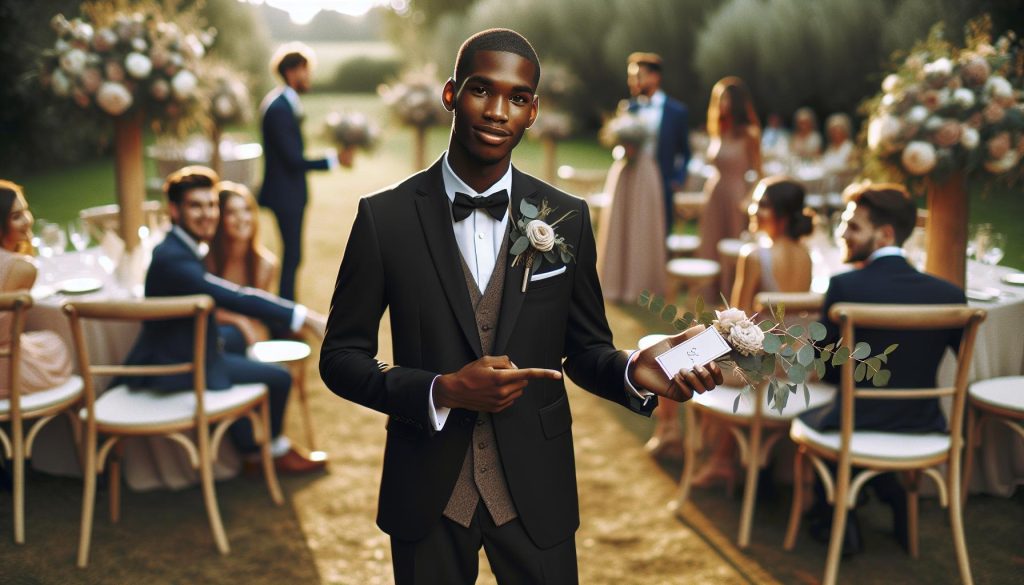
When planning a wedding, every detail counts-including the important role of ushers. Often overlooked, ushers are vital for ensuring a smooth flow on the big day, helping guests feel welcomed, and maintaining an organized atmosphere. Beyond just directing seating, ushers are the friendly faces that embody the joyous spirit of the celebration, assisting with everything from distribution of programs to guiding guests through the ceremony. As you prepare for your wedding, understanding the ushers’ responsibilities can ease your mind and elevate the overall experience for everyone involved. From managing guest arrivals to contributing to the ceremony’s ambience, this guide will explore all aspects of an usher’s role, ensuring that your special day is both organized and memorable. Dive in to discover how ushering can enhance your wedding and make it the unforgettable occasion you’ve envisioned!
Understanding the Role of Ushers in Weddings
When planning a wedding, the role of ushers often goes overlooked, yet they are vital for ensuring that everything runs smoothly on the big day. Ushers are like the welcoming committee, setting the tone for the event and ensuring guests feel comfortable and cared for from the moment they arrive. This responsibility can encompass a range of tasks, all contributing to a pleasant experience for everyone involved.
Among their primary duties, ushers are responsible for greeting guests as they arrive, helping them find their seats during the ceremony, and ensuring the seating arrangements are followed according to the couple’s preferences. This is especially important in larger weddings where guests may be unfamiliar with the venue layout. By guiding individuals to their designated spots, ushers help maintain an organized flow that respects the couple’s wishes for the event’s ambiance. Moreover, ushers often distribute programs or other materials, providing guests with crucial information about the ceremony and reception, thus enhancing their experience.
Beyond the logistics, ushers embody the spirit of hospitality, making them essential for a successful wedding environment. Their presence allows the wedding party to focus on their own roles without the distraction of guest management. When selecting ushers, consider people who are not only reliable but also personable, as they will be your frontline representatives for guests on such a significant day. Therefore, understanding the essence of the usher’s role means recognizing their contribution to creating a warm and inviting atmosphere, facilitating smooth transitions throughout the day, and ultimately enhancing the celebration for both the couple and their guests.
Key Responsibilities of Wedding Ushers
As the welcoming faces of a wedding, ushers play a crucial role in creating a positive first impression for guests and ensuring that the event flows smoothly from the moment they arrive. Their responsibilities extend beyond simply standing at the door; ushers are integral to the seamless execution of numerous elements that make up the wedding day experience.
To begin, ushers greet guests and help them feel comfortable right away. This initially includes directing them to the ceremony site, but also encompasses answering questions and addressing any concerns guests may have. Once guests arrive, ushers assist in seating them according to the couple’s designated arrangements, which is vital for maintaining the intended ambiance and order of the ceremony, particularly in larger weddings where guests may not know each other or the venue layout. Ushers often hand out programs or informational materials, ensuring guests stay informed about the ceremony’s timeline and any special announcements, enhancing their overall experience.
Another key responsibility is to remain vigilant throughout the event. Ushers monitor the ceremony space to make sure that guests are seated appropriately and that the processional lines up smoothly. Furthermore,they may help manage late arrivals discreetly, ensuring disruption is minimized. Their demeanor should reflect a combination of warmth and professionalism, reinforcing the celebratory atmosphere while providing logistical support. It’s not uncommon for ushers to act as emergency troubleshooters as well-addressing anything from ensuring the couple’s parents are seated, to coordinating with vendors regarding timing or any adjustments that may need to be made as the day unfolds.
Ultimately, the role of ushers is multifaceted, blending hospitality with organization to contribute to a joyful wedding celebration. By effectively executing these responsibilities, ushers create a welcoming environment that allows the couple and their guests to fully enjoy the momentous occasion.
Essential Skills Every Usher Should Have
To serve effectively as an usher at a wedding, several essential skills and qualities come into play that ensure a smooth experience for guests and contribute to the overall success of the celebration. These skills blend technical know-how with interpersonal dynamics, making them vital for fulfilling the usher’s role.
One of the most critical skills an usher should possess is strong communication abilities. Ushers interact with a diverse group of guests, and being able to clearly convey information about seating, the ceremony timeline, and other logistics is paramount. This skill also extends to active listening, allowing ushers to address any queries or concerns from guests promptly. For instance, if a guest is unsure about where to sit or has questions about the ceremony’s proceedings, a responsive usher can significantly ease their anxiety.
Another essential quality is problem-solving capability. Weddings, while joyous, can sometimes present unexpected challenges, such as late arrivals or seating conflicts. Ushers need to think on their feet and provide solutions that maintain the event’s flow. Additionally, a friendly demeanor combined with a sense of poise can turn a potentially awkward situation into a seamless experience. For example, if a guest arrives after the ceremony has started, an usher should discreetly guide them to their seat with minimal disruption.
Furthermore, organizational skills are crucial when managing the flow of guests during the pre-ceremony and ceremony phases. Ushers should be observant and aware of the setup, from the seating chart to the layout of the venue. Being able to keep track of where guests are seated and ensuring everyone is accommodated appropriately can help create a relaxed atmosphere. Additionally, having a knack for multitasking will enable ushers to manage various duties simultaneously, such as distributing programs while ensuring that guests are properly seated.
Lastly, a genuine sense of hospitality and warmth can greatly enhance the guest experience. Ushers should approach their role with a welcoming attitude, making guests feel valued and respected. This aspect is particularly significant in multi-cultural settings or larger weddings where guests may not know one another. By fostering a welcoming environment, ushers can help everyone feel comfortable, setting a positive tone for the celebration ahead.
In summary, the combination of excellent communication, problem-solving, organizational skills, and a warm demeanor can transform ushers into pivotal figures during a wedding, ensuring that guests enjoy a memorable and seamless experience. Couples should consider these qualities when selecting ushers, as they directly contribute to the overall success of their special day.
The Importance of Ushers for Guest Experience
The presence of ushers at a wedding is much more than just a formal gesture; they play a fundamental role in shaping the guest experience right from the moment attendees arrive. Ushers act as the friendly face of the wedding, providing guidance and support that helps set a celebratory tone for the day. Their responsibilities extend beyond simply showing guests to their seats; they are integral in ensuring every guest feels welcomed and valued, which is crucial in creating a positive atmosphere that reverberates throughout the celebration.
Effective ushers excel in the art of hospitality and are key facilitators of communication. They provide guests with essential information about the ceremony and reception-from directions to the location to the timing of events-ensuring that everyone is informed and comfortable. This proactive approach helps manage guest expectations and reduces potential confusion, allowing attendees to immerse themselves in the joyous occasion. For example, an usher might give details about the reception schedule, answer questions about the wedding timeline, or provide assistance to elderly guests who may need special help navigating the venue.
Moreover, ushers are also adept at managing the flow of festivities. They ensure that guests are seated in an orderly manner, which not only enhances the visual lineup for the ceremony but also mitigates any potential interruptions. Their organizational skills come into play particularly during key moments, such as guiding guests to their seats just before the bride’s entrance, which minimizes distractions and allows the ceremony to unfold beautifully. This coordination is essential in maintaining the decorum and emotional weight of significant moments, making each facet of the event feel seamless and thoughtfully curated.
In addition to their practical roles, ushers contribute to the emotional landscape of the day. A welcoming usher can alleviate any nervousness or anxiety that guests may have when attending a wedding, especially for those who might not know many others in attendance. Their warmth and friendliness remind everyone that they are part of a cherished celebration, fostering connections among guests who may otherwise feel out of place. This attention to the guest experience not only enhances individual enjoyment but also creates a harmonious atmosphere that amplifies the joy of the couple’s special day. In summary, ushers serve as the backbone of the wedding experience, ensuring that every guest feels welcomed and treasured throughout the celebration.
How to Choose the Right Ushers for Your Wedding
Choosing the right ushers for your wedding can enhance the entire guest experience, ensuring that everything runs smoothly from the moment your guests arrive until the last dance. It’s essential to select individuals who embody the spirit of your celebration while possessing key interpersonal skills. Your ushers should ideally reflect the atmosphere you wish to create, whether it’s formal, relaxed, or a blend of both.
Consider the following factors when selecting ushers:
1. Personal Connection
Strong relationships with your ushers foster a welcoming environment for guests. Choose people who know the couple well and understand the dynamics of your family and friends. This familiarity can help them manage guest interactions with warmth and ease, ensuring that everyone feels comfortable and included.
2. Communication Skills
Effective ushers must have excellent communication abilities. Look for individuals who are approachable, articulate, and capable of providing clear directions. They may need to convey important details about the ceremony, such as where guests should sit or the schedule of events. An usher who can engage with guests in a friendly manner enhances the overall atmosphere of the wedding.
3. Organizational Abilities
Your selected ushers should possess strong organizational skills. They will need to manage seating arrangements, guide guests effectively, and minimize disruptions during important moments. Choose individuals who can remain calm under pressure, as they might need to handle unexpected situations during the event.
4. Availability and Commitment
Consider the availability of your chosen ushers in the lead-up to the wedding and on the big day. It’s vital they are committed to attending rehearsals and have the time to fulfill their responsibilities. Clear communication regarding their duties ensures they understand what is expected and can prepare accordingly.
5. Dress Code
Finally, usher attire should align with your wedding’s theme. Discuss with your ushers any specific guidelines about what they should wear, whether it’s formal suits, casual outfits, or traditional attire reflecting cultural elements of your celebration.
By thoughtfully selecting Ushers who embody these qualities, you’ll cultivate a supportive team that elevates the entire wedding experience. This not only enhances guest comfort but also exemplifies the love and care you’ve poured into your special day, making it a truly memorable celebration for everyone involved.
Usher Attire: What Should They Wear?
Choosing the right attire for ushers is an essential aspect of wedding planning, as it not only contributes to the overall aesthetic of the event but also ensures that ushers are easily recognizable and reflect the celebration’s tone. The attire should align with the couple’s vision, taking into consideration the formality of the wedding, the chosen color palette, and any cultural significance that might influence apparel choices.
To begin, consider the overall theme of the wedding. For formal weddings, classic options like tuxedos or dark suits paired with ties or bow ties are appropriate. Alternatively, if the wedding has a more relaxed or casual vibe, matching dress shirts and slacks might suffice. Selecting a color that complements the bridal party’s outfits can create a cohesive look; for instance, ushers could wear ties or pocket squares that match the bridesmaids’ dresses or the wedding’s color scheme. Communication about the attire ahead of time is crucial, so that ushers feel prepared and presentable on the wedding day.
Additionally, practical considerations should be made regarding comfort and fit. Ushers will be on their feet for most of the day, welcoming guests and guiding them throughout the venue. Lightweight fabrics and well-fitted clothing will allow them to move freely and maintain their composure, whether they are standing outdoors in the summer heat or inside a beautifully decorated venue. Discussing dress code specifics with ushers well in advance can help avoid last-minute wardrobe malfunctions.
Accessorizing is another important factor that can enhance the overall attire. Simple touches like cufflinks, matching belts, or stylish shoes can elevate the look without overwhelming it. If the wedding has a specific theme, such as rustic or vintage, accessories that reflect that theme can tie everything together seamlessly. Ultimately, ensuring that ushers feel comfortable, confident, and integrated into the wedding’s style will enhance their ability to perform their roles effectively and contribute positively to the overall guest experience.
Guidelines for Ushers During the Ceremony
During the ceremony, ushers play a vital role in ensuring that everything runs smoothly, contributing to the overall experience for the guests. They are the friendly faces that help direct attendees and set a welcoming tone as people arrive. To navigate this important responsibility effectively, ushers should be equipped with a clear set of guidelines that will empower them to perform their duties with confidence and ease.
Welcoming Guests
Upon arrival, ushers should greet guests with a genuine smile and a warm welcome. This simple act not only calms nerves among guests but also establishes a friendly atmosphere. Ushers can stand near the entrance with programs and ensure everyone knows where to go, offering assistance to those who may appear uncertain or unfamiliar with the venue.
Seating Guests
One of the primary responsibilities of ushers is to assist with seating arrangements. They should be familiar with the seating chart and ready to guide guests to their designated spots, especially if there are family dynamics or special seating preferences to consider. For weddings with large numbers of guests, ushers should work together as a team to manage the flow of guests entering the ceremony area, ensuring that there is no congestion.
Timing the Ceremony
Being aware of the ceremony timeline is crucial for ushers. They need to ensure that guests are seated promptly before the ceremony begins. A good practice is to have a designated ‘cut-off’ time, after which ushers will gently prompt any late arrivals to find their seats quietly without disrupting the ceremony. This can also involve a few subtle but effective cues, such as eye contact and hand signals, to communicate efficiently during the event.
Staying Attuned to the Atmosphere
Ushers should be attuned to the event’s atmosphere, ready to adapt their approach based on circumstances. For example, they may need to manage unexpected issues, such as ensuring a late VIP guest is seated quickly or helping elderly guests who need assistance. Remaining calm and composed will not only help the ushers handle any on-the-spot challenges but also reassure guests during the event.
By following these guidelines, ushers can significantly enhance the guest experience during the ceremony. Their role is not just functional; it is about creating an inclusive and celebratory environment that honors the special occasion. A well-prepared usher team contributes to the seamless flow of the day, ensuring that everyone can focus on celebrating the love being showcased.
Managing Guests: Ushers’ Tips and Tricks
Ensuring a seamless experience for wedding guests often rests on the capable shoulders of ushers. As the friendly facilitators of the event, they play a critical role in creating an enjoyable atmosphere and guiding attendees as they enter the venue. Understanding the nuances of managing guests can truly enhance their effectiveness. Here are some valuable tips and tricks for ushers to navigate their responsibilities with ease.
Be Prepared and Informed
Knowledge is power when it comes to ushering at a wedding. Ushers should familiarize themselves with the venue layout, including entrances, exits, and restrooms. Carrying a copy of the seating chart and being aware of potential family dynamics can help usher guests to their designated spots smoothly. It can be beneficial to have a quick pre-wedding briefing with the couple or wedding planner to discuss unusual seating requests or any VIP guests who may require additional attention.
Establish a Welcoming Environment
Creating a warm and inviting atmosphere starts the moment guests arrive. Ushers should stand near the entrance with a genuine smile, ready to greet everyone warmly. This not only calms the nerves of attendees but also sets a celebratory tone for the event. Offering programs and directions or even asking about guests’ needs can make them feel valued and appreciated. Remember, small gestures of kindness can leave a lasting impression.
Work as a Team
Coordinating with fellow ushers is key to maintaining efficiency. Establish signals or cues for when to invite late arrivals to find their seats and avoid disruptions. During peak entrance times, ushers should position themselves at strategic points, directing guests to minimize congestion and ensure a smooth flow into the ceremony area. Regular communication among the usher team helps tackle any last-minute issues, such as seating changes or special requests.
Adapt to the Flow of Events
Weddings are dynamic occasions, often filled with surprises. Ushers should stay alert and ready to adapt their roles as needed. Whether it’s calming anxious guests, providing assistance to those who need it, or quickly accommodating last-minute changes, flexibility is essential. Maintaining a calm demeanor will not only help problem-solve effectively but will also reassure attendees that they are in good hands.
By implementing these practices, ushers can significantly enhance the guest experience, ensuring that everyone feels welcomed and comfortable throughout the celebration. Their commitment to excellence not only supports the couple’s vision but also enriches the overall ambiance of the wedding day.
Ushers as Coordinators: Supporting the Wedding Party
Ushers play a vital role in the orchestration of a wedding, acting as crucial links between the couple, the wedding party, and the guests. They are not only responsible for guiding attendees to their seats but also for ensuring that everything runs smoothly during the ceremony. By working closely with the wedding party, ushers can help foster an environment of support and coordination, which ultimately enhances the overall wedding experience.
A key aspect of an usher’s role is to facilitate communication among the wedding party and other involved parties, such as the officiant and the wedding planner. This may involve sharing the timeline of events and expectations for the ceremony, ensuring that everyone is on the same page. For instance, ushers might coordinate with the best man to understand when the couple is ready to make their entrance or when it’s time to prepare for special moments, like lighting a unity candle or participating in a symbolic ritual. This collaborative effort ensures a seamless transition from one part of the ceremony to the next.
In addition to logistical duties, ushers also serve a more personal function by supporting the wedding party emotionally. They should be poised to assist the bridal party, whether that means calming nerves or providing a last-minute touch-up before the big moment. For example, if members of the wedding party have specific preferences or needs-such as dietary restrictions for a reception-the ushers can relay this information to caterers or event staff, acting as advocates for the couple’s wishes and the guests’ comfort.
Ushers can also enhance the guest experience by being proactive about their needs. This can involve greeting guests with a smile, offering information about the venue, and helping with any unforeseen issues that may arise, such as seating adjustments. By fostering an atmosphere of warmth and care, ushers not only support the wedding party but also ensure that guests feel valued and included, contributing to a wonderful and memorable celebration. Thus, the role of ushers as coordinators is intricately tied to both logistics and interpersonal connections, enhancing the day for everyone involved.
Pre-Wedding Duties for Ushers: A Checklist
Pre-wedding preparations are crucial for ensuring that the wedding day unfolds without a hitch, and ushers play a pivotal role in this behind-the-scenes work. By taking the time to coordinate pre-wedding duties, ushers can significantly reduce stress for the couple and contribute to a smooth and enjoyable celebration. Here’s a detailed checklist of pre-wedding tasks that ushers should consider to be fully prepared:
Pre-Wedding Duties Checklist for Ushers
- Attend Wedding Rehearsal: Make sure to attend the rehearsal to understand the ceremony’s layout and flow. This is a good time to practice seating guests and ensuring all logistics are understood.
- Know the Guest List: Familiarize yourself with the guest list, particularly VIP guests or family members who may require special attention. Being able to recognize guests will help in guiding them to their seats confidently.
- Understand the Seating Plan: If there is a designated seating arrangement, review and memorize it. This will streamline the process of directing guests to the right areas and enhance their experience.
- Review the Timeline: Familiarize yourself with the wedding day timeline so you are aware of when key events will happen. You’ll need to know when to usher guests and when to prepare for the couple’s entrance.
- Prepare Attire: Ensure that your attire meets the couple’s expectations and the wedding’s theme. Check that you have appropriate attire ready to go, including any special accessories.
- Communicate with the Wedding Party: Coordinate with the couple and the wedding planner about their specific requests. Understanding preferences will help you better support them throughout the day.
- Gather Necessary Supplies: Bring essentials such as a wedding booklet, emergency kit (band-aids, breath mints, etc.), and any necessary materials related to seating arrangements or guest needs.
- Coordinate with Vendors: Ensure that you know who the key vendors are (e.g., catering, officiant, coordinator) and how to contact them if needed. Building this relationship is important for smooth communication on the wedding day.
- Plan for Guest Management: Strategize on how to manage guests who may have questions or special requests. Setting a friendly and welcoming tone will enhance the guest experience significantly.
- Check in with the Couple: In the days leading up to the wedding, reach out to the couple to offer support and ensure they are feeling confident about the ceremony.
By following this checklist, ushers can approach their responsibilities with a sense of preparedness, contributing to the joy and celebration of the special day. Their support allows the couple to focus on what matters most-celebrating their love with family and friends.
Common Mistakes Ushers Should Avoid
Weddings are filled with joy and excitement, but the behind-the-scenes preparations can be quite intricate, especially for those tasked with ensuring everything runs smoothly. Ushers, while often considered secondary roles, are pivotal in shaping the guest experience. Unfortunately, there are several common pitfalls that ushers can fall into, which may detract from the overall atmosphere of the celebration.
One of the most frequent mistakes is not being adequately prepared. This can manifest in various ways, from not knowing the seating arrangements to being unaware of key guests who may need special assistance. It’s essential for ushers to familiarize themselves with the guest list and layout of the venue beforehand. Failing to do so can lead to confusion during seating, which can subsequently increase anxiety for the couple and their families.
Another common error is poor communication, both with the wedding party and guests. Ushers who are not well-informed about the timeline of events can unintentionally cause delays or disruptions. They should maintain a friendly demeanor while providing clear, concise answers to any questions guests may have. Fostering open lines of communication with the couple, wedding planner, and vendors beforehand can help mitigate misunderstandings on the day of the wedding.
Additionally, some ushers may overlook the importance of their attire. While it’s vital to adhere to the dress code, choosing clothing that is both appropriate and comfortable can greatly enhance performance throughout the day. Ushering often involves a fair amount of standing, walking, and occasionally managing tricky situations, so dressing appropriately will help in maintaining composure and professionalism.
Lastly, ushers can sometimes overlook the emotional aspect of their role. They should remember that weddings are significant emotional events for the couple and their families. Striking a balance between maintaining authority and being approachable is key. Ushers should be prepared to provide comfort, lend a listening ear, and offer support if necessary, ensuring that they contribute positively to the joyous occasion.
By recognizing and avoiding these common mistakes, ushers can enhance not only their own experience but also that of the couple and their guests, ensuring the wedding day unfolds beautifully and without a hitch.
The Role of Ushers in Different Wedding Cultures
In weddings around the world, the role of ushers can vary significantly, shaped by cultural traditions, customs, and societal norms. In many cultures, ushers serve not only as guides for guests but also as important figures representing the families of the couple. This multifaceted role is essential in creating an inviting atmosphere, facilitating interactions among guests, and ensuring smooth transitions throughout the ceremony and reception.
In Western weddings, ushers typically assist with seating guests and guiding the flow of the ceremony. They often wear formal attire, reflecting the event’s tone, and are tasked with making sure that everyone is where they need to be at the right time. This helps to minimize disruptions and creates a welcoming environment for all attendees. Family or close friends usually fill these roles, which can deepen the personal connections during the event.
Conversely, in Hindu weddings, ushers may take on a more vibrant role as part of a larger bridal procession known as the baraat. Here, they help coordinate not only the seating but also the celebrations that take place before and after the ceremony. The ushers may also assist in guiding guests in participating in traditional rituals, contributing to an engaging and immersive experience that honors the couple and their families. In some cultures, it is customary for ushers to be involved in discussions regarding seating arrangements, balancing social dynamics and family hierarchies to ensure everyone feels included.
In traditional Chinese weddings, ushers, often referred to as xinhua, play a crucial role in the tea ceremony, where they guide guests in a series of rituals that honor family bonds. They are instrumental in helping the couple navigate these customs, ensuring that all necessary family members participate in offering blessings and gifts. This highlights the unique blend of responsibility and honor that ushers uphold across different cultures, reflecting their commitment to supporting the couple and their families fully throughout the event.
Regardless of cultural context, the effectiveness and approach of ushers can always be refined through proper communication and an understanding of each guest’s needs. It is essential for ushers to remain adaptable and sensitive to the traditions at play, serving as connectors who enhance the overall guest experience and contribute positively to the wedding atmosphere. By appreciating and respecting these diverse roles within different wedding cultures, couples can choose ushers who not only fit the practical requirements but also align with the emotional fabric of their special day.
Frequently Asked Questions
Q: What are the main duties of ushers at weddings?
A: Ushers primarily welcome guests, guide them to their seats, and distribute programs. They may also assist with crowd control and ensure that family members and important guests are seated promptly.
Q: How can ushers assist the bride and groom on their wedding day?
A: Ushers support the couple by helping to coordinate guest arrivals, manage the seating chart, and communicate any last-minute changes to the wedding party. Their involvement helps reduce stress for the bride and groom.
Q: What skills should wedding ushers possess?
A: Effective ushers should have strong interpersonal skills, the ability to remain calm under pressure, and problem-solving capabilities. Good organization and communication skills are vital for managing guests smoothly.
Q: When should ushers arrive at the wedding venue?
A: Ushers should arrive at the venue at least 30-60 minutes before guests to prepare the area, review the seating arrangement, and ensure everything is ready for the ceremony to start on time.
Q: How do ushers handle difficult guests during the wedding?
A: Ushers should remain polite and calm when dealing with difficult guests. They can explain seating arrangements clearly and offer assistance to resolve any issues without escalating the situation.
Q: Can ushers be family members or friends of the couple?
A: Yes, ushers are often close friends or family members of the couple. This allows for a personal touch and ensures that those representing the couple are familiar with their style and preferences.
Q: What should ushers do if a guest arrives late?
A: If a guest arrives late, ushers should discreetly guide them to their seats without drawing attention. It’s important to minimize disruption to the ceremony or reception.
Q: Are there any specific attire guidelines for ushers?
A: Ushers should wear attire that matches the wedding theme and dress code. Typically, this may include suits, tuxedos, or coordinated outfits as specified by the couple in their wedding plans.
Final Thoughts
As you prepare for your special day, understanding the role of ushers is essential to ensure everything runs smoothly. Their responsibilities not only enhance the guest experience but also contribute significantly to the overall atmosphere of your wedding. If you’re interested in streamlining your wedding planning process, check out our comprehensive guide on how to plan a wedding or explore expert wedding planning tips and tricks to navigate every stage confidently.
Don’t let the details overwhelm you! To keep track of all your wedding planning tasks, download our free wedding checklist that can be customized to your specific needs. By taking these next steps, you’re not just planning a wedding; you’re crafting an unforgettable celebration that reflects your unique love story. Join the conversation by sharing your thoughts or experiences in the comments below-we’d love to hear how you’re using your ushers to create wedding magic!