Dancing at a wedding is not just about moving to the music; it’s a heartfelt expression of joy and celebration that brings together family and friends. Whether you’re the bride, groom, or a guest, knowing how to navigate the dance floor can enhance your experience and create unforgettable memories. Many people feel anxious about their dancing skills, but the great news is that anyone can learn to dance with a little guidance. This step-by-step guide will help you feel confident and inspired, no matter the song. From the first dance to the lively reception party, you’ll discover tips and techniques tailored to ease those nerves and help you shine on the dance floor. So, let’s dive in and make your wedding experience truly magical!
Essential Dance Moves Every Wedding Guest Should Know
When the music starts and the dance floor beckons, knowing a few essential moves can turn even the shyest dancer into a star of the celebration. Weddings are a wonderful occasion filled with joy, laughter, and dancing, and being equipped with a repertoire of dance moves ensures everyone feels included. Whether you’re a seasoned dancer or someone who just wants to enjoy the moment, a few basic steps can empower you to join in without hesitation.
Start with some classic moves that fit a variety of musical styles. The two-step is incredibly versatile; simply step to the right and then bring your left foot to meet it, repeating on the left side. This simple pattern can be adapted to almost any beat. For a more playful vibe, master the box step, which involves stepping forward, sideways, and then back, creating a square shape with your steps. To add a bit of flair, try incorporating the shoulder shimmy or a gentle sway of the hips as the rhythm takes hold. Remember, confidence is key-carry yourself with pride, and your energy will invite others to join in.
For those who want to stand out, learning a few couples’ dance basics can also enhance the experience. The waltz, with its graceful turns and smooth movements, fits well with romantic songs, while the salsa adds fun and flair to upbeat tracks. Don’t shy away from incorporating playful spins or twirls; these small additions can elevate your dance and engage your partner even further. Remember, the goal is to enjoy yourself, embrace the moment, and celebrate love with movement.
As the celebration unfolds, be aware of your surroundings and others on the dance floor. Maintain a comfortable space, so you’re not bumping into fellow guests. A smile and nod can invite others to join in or partner up, creating a sense of community through dance. By choosing a few key moves to master, you’ll elevate the joy of the occasion, making the dance floor a space for laughter, connection, and unforgettable memories.
Understanding Different Wedding Dance Styles
Dancing at a wedding is more than just movement; it’s a celebration of love, unity, and joy that reflects the couple’s personality and cultural background. Understanding the various dance styles typically seen at weddings can help guests not only feel more confident on the dance floor but also enhance the overall experience. From traditional ballroom dances to lively group numbers, each style carries its own unique charm and significance.
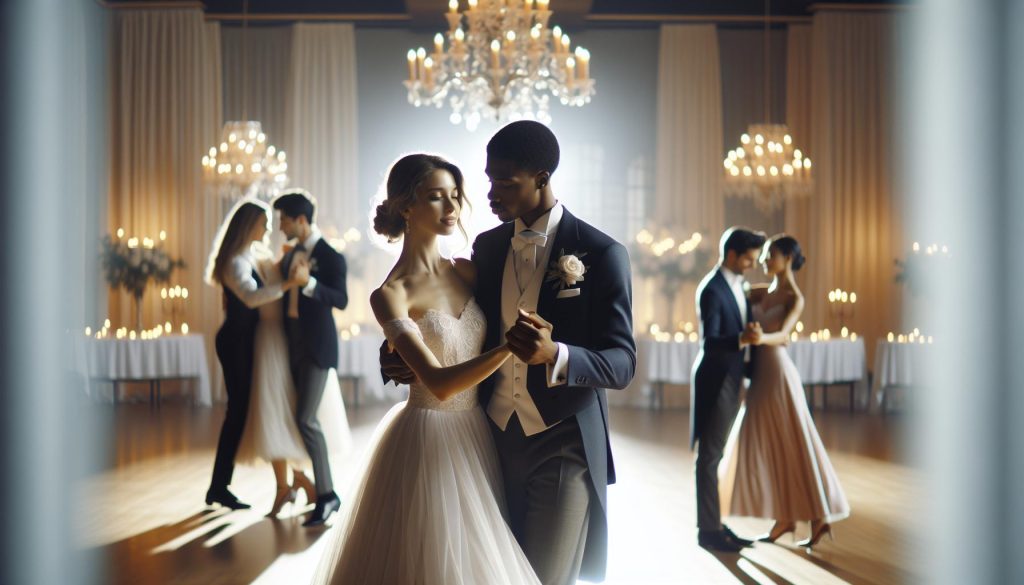
The waltz, characterized by its smooth, flowing movements, is a classic choice for weddings. Often used for the first dance as a married couple, this style allows partners to embrace and glide effortlessly across the floor. In contrast, the foxtrot offers a more upbeat alternative, making it ideal for couples who enjoy a faster tempo but still want to maintain a sense of elegance. Both dances embody romance and sophistication, ensuring that the moments captured are as tender as they are beautiful.
For a more spirited atmosphere, many weddings incorporate lively styles like salsa and swing dancing. These genres encourage energy and fun, inviting guests of all ages to participate. Salsa, with its vibrant rhythms, tends to get people moving and laughing, breaking down barriers between guests. Similarly, swing dancing, known for its lively spins and playful movements, invites spontaneity and enthusiasm, creating a festive atmosphere where everyone can let loose.
Cultural dances also play a significant role in many weddings, showcasing unique traditions and rituals. For example, a traditional Hindu wedding might feature the Baraat, where the groom dances with guests while parading to the venue. Meanwhile, Greek weddings often include the lively Tsifteteli, a dance that connects family and friends in celebration. Understanding these diverse dance styles not only fosters inclusivity but also enriches the wedding experience, allowing everyone to share in the cultural tapestry that makes each celebration special.
Recognizing and embracing the different dance styles at a wedding not only adds depth to the festivities but also provides an opportunity for guests to connect through music and movement. Whether you sway gracefully through a waltz or twirl energetically in a group dance, the dance floor becomes a joyful expression of the love being celebrated.
How to Prepare for the Wedding Dance Floor
Whether you’re a seasoned dancer or a novice who feels a bit anxious about hitting the floor, preparing for the wedding dance floor can turn your experience into a joyous celebration. A little bit of planning, practice, and the right mindset can help you feel confident and ready to join in the festivity and fun. Here are some strategies to ensure you shine on the dance floor during the wedding festivities.
First and foremost, familiarizing yourself with the music lineup can make a substantial difference. When you know what types of songs will be played, you can mentally prepare for specific dance styles associated with those songs. For example, if there will be a classic slow song, practicing a simple waltz can set you up for success. On the other hand, for upbeat tracks, learning some basic moves for salsa or swing can keep you moving with the rhythm. Many people find that dance classes or tutorial videos available online provide a great way to learn at your own pace and gain some confidence before the big day.
Next, consider the attire you’ll wear on the dance floor. Comfort is key; choose shoes that allow freedom of movement, and avoid anything too tight that might inhibit your ability to dance. If the wedding is outdoor, take into account the surface you’ll be dancing on-sometimes, a nice pair of flats is a better option than heels, especially for dancing on grass. If you’re part of a wedding party, coordinating with other members about attire can add a nice visual appeal to the group dancing, enhancing the celebratory atmosphere.
Lastly, engage in a little practice. Set aside time to dance with friends or family before the event to break the ice and ease any reservations. This practice creates a comfortable space for everyone to share their dance moves, allowing you to pick up tips from each other. Plus, incorporating popular group dances, such as the Macarena or the Cha-Cha Slide, can encourage everyone to join in and create a fun and interactive atmosphere. Remember that weddings are about connection and celebration, so maintain an open, joyful attitude-it’s all about enjoying the moment together, regardless of your dance skill level.
With these tips, you’ll be well on your way to enjoying the dance floor and making lasting memories at the wedding!
Matching Your Dance Style to the Music Genre
Matching your dance moves to different music genres can elevate your experience on the wedding dance floor, creating a joyful atmosphere that resonates with everyone participating in the celebration. One of the key elements of enjoying dancing at a wedding is understanding how specific styles of music influence dance styles. This knowledge not only enhances your confidence but also allows you to feel more integrated within the festivities.
When it comes to slow songs, such as romantic ballads, embracing styles like the waltz or tango is essential. These dances are characterized by smooth, flowing movements that reflect the sentiments invoked by the music. A simple waltz step-pivoting elegantly around your partner-can create a magical moment on the dance floor. Consider practicing a few basic turns or spins to add a touch of flair without overwhelming yourself. For example, during a song like “At Last” by Etta James, let the rhythm guide your melodic movements and focus on connection with your partner, enhancing the sentimental atmosphere of the moment.
Upbeat music, such as pop or dance tracks, invites a more lively and energetic style. Here, styles like swing, salsa, or even line dancing can get everyone’s feet moving. Basic salsa steps are easy to learn and can infuse playful energy into your dancing. If a popular party anthem like “Uptown Funk” comes on, don’t hesitate to break into some fun freestyle or group dances everyone can join in on, such as the Electric Slide or the Cupid Shuffle. These dances are crowd-pleasers that often get everyone on their feet, fostering a communal sense of joy.
Moreover, understanding how to adapt your movements to various genres-be it country, R&B, or even traditional cultural music-enables a more dynamic experience for all guests. For instance, if a lively country song plays, incorporate elements of country two-step or line dancing, which are often a hit at weddings. Conversely, if a meaningful cultural song emerges, such as a traditional dance from the couple’s heritage, embracing that style can deepen the celebration’s authenticity. Always keep an eye on the crowd’s vibe and mirror the energy of the music to maintain an inviting atmosphere.
Finding the right dance style to match each song can transform your experience, turning hesitant dancers into confident participants eager to join in the fun. Remember, weddings are about celebration, connection, and creating lasting memories, so stay flexible and open to experimenting with various dance styles throughout the evening. Enjoy the rhythm and let the music guide your movements!
Tips for Dancing with a Partner at Weddings
Dancing with a partner at weddings can be one of the most enjoyable experiences, allowing you to create cherished memories while celebrating love. The key to making it a delightful occasion lies in establishing a strong connection with your partner and embracing the rhythm of the music. Here are some essential tips to help you shine on the dance floor together.
Begin by ensuring both you and your dance partner feel comfortable with each other. Effective communication is crucial; discuss your preferences before hitting the dance floor, whether you’re up for adventurous moves or would prefer sticking to classic styles. A simple tip is to maintain eye contact and smile during your dance; this not only boosts your confidence but also fosters connection, putting both partners at ease.
Consider these practical suggestions for a smooth experience:
- Practice Basic Steps: If you anticipate dancing to specific songs, practicing basic steps together can be immensely helpful. Styles like the box step for slow songs, or a simple cha-cha for upbeat tracks, provide a solid foundation. Knowing these basics will allow for fluidity and enjoyment, ensuring you both feel confident.
- Lead and Follow: In partner dancing, effective leading and following is essential. The lead should maintain a gentle yet secure frame to guide the follower effortlessly. Encourage your partner to feel free to express themselves while offering small cues with your body to facilitate smooth transitions.
- Find Your Groove: Pay attention to your partner’s movements and synchronize your dance style accordingly. This doesn’t mean you both have to perform the exact same moves; it’s about complementing each other’s rhythm and style, whether you’re doing a casual sway during a ballad or a fun turn during an upbeat pop song.
- Surprise Elements: If you both feel adventurous, incorporate a few surprise elements, like a twirl or a lift (if you’re comfortable!), to add excitement to your dance. However, be mindful of your partner’s comfort level and ability, ensuring everyone has a great time.
Engaging with your partner through dance allows you both to experience a unique connection. While the crowd may be watching, remember that this dance moment is a celebration of your relationship, not a performance. Therefore, allow yourselves to let go of any self-consciousness and enjoy the moment, creating a joyful atmosphere that resonates with everyone at the wedding. Also, be prepared for the unexpected-if you happen to stumble or misstep, laugh it off and remember that the dance floor is meant for enjoying life and love together!
Dance Floor Etiquette: What to Keep in Mind
Creating a memorable experience on the dance floor at a wedding is not only about showcasing your moves but also about observing the etiquette that ensures everyone enjoys the celebration. Understanding the unspoken rules of wedding dancing can significantly enhance the atmosphere and the experience for both you and your fellow guests.
Respecting personal space and being mindful of your surroundings is crucial. When dancing, it’s essential to be aware of your surroundings to avoid colliding with others on the floor. If you’re in a crowded area, keep your movements controlled to prevent any accidental nudges that could disrupt someone else’s dance. Additionally, when forming a dance group, make sure to leave space in the center for couples who may want to join in for sharing a moment together.
Another important aspect is to be respectful of the newlyweds. As tempting as it may be to steal the spotlight, remember that the couple’s first dance is a special moment meant for them. Share the floor, and wait for the right moments to join in or cheer them on, ensuring that the focus remains on their special occasion. Additionally, if you’re part of a group dance, such as the Electric Slide or the Macarena, be sure to follow the group dynamics while also being considerate of your partner’s comfort level.
Lastly, when it comes to dancing with a partner, communication is key. Strive to engage in a fun, light-hearted manner, continually checking in with your partner. If they seem uncomfortable or tired, gracefully suggest switching to a slower tempo or taking a break. This not only enhances your connection but also shows respect for their enjoyment. Remember, weddings are about celebrating love, so bringing positive energy to the dance floor will encourage others to join in the joy!
By being aware of these social nuances, you can contribute to a vibrant, joyous atmosphere that makes the dance floor a highlight of the wedding celebration.
Fun Group Dances to Get Everyone Involved
Weddings are a celebration of love, joy, and togetherness, and what better way to bring everyone together than through music and group dancing? Group dances not only break the ice among guests who may not know each other well but also create a lively atmosphere that makes the celebration unforgettable. From the classic “Cha Cha Slide” to the energetic “Cupid Shuffle,” these dances are generally easy to follow and invite everyone to participate, regardless of their dancing experience.
To maximize participation, it’s essential to introduce these dances at strategic moments throughout the reception. Consider starting with a few simple group dances during the early stages of the night when guests are still warming up. This allows all ages to take part and sets a cheerful tone for the festivities ahead. Prepare a playlist that features popular group dances; including songs like the “Macarena,” “YMCA,” and “Electric Slide.” Each of these songs features clear lyrics or instructions, making them accessible for everyone.
Encouraging Participation
Encourage the couple or the DJ to lead or demonstrate the dances to make it less intimidating for guests. Having someone show the moves can boost confidence and create excitement around the activity. Providing fun props, like glow sticks or colorful scarves, can further motivate guests to hit the dance floor and engage with one another.
To cater to diverse tastes, try mixing in culturally inspired group dances, such as the “Samba” or “Bhangra,” if the couple has cultural ties. This not only enriches the experience but also celebrates the couple’s heritage in a lively and interactive way.
Making It Memorable
Finally, the key to a successful group dance is capturing the moment. Encourage guests to take photos or videos during the dance sessions, and consider hiring a photographer or videographer to document the fun. This way, everyone will have lasting memories of their time on the dance floor, together celebrating love and happiness. Don’t forget to conclude with a grand finale-perhaps everyone gathers for a group photo while dancing, solidifying these precious moments into memories that will last a lifetime.
Group dances are the heart of any wedding reception, fostering connection and joy. Embrace the energy and excitement they bring, ensuring that everyone feels included and celebrates in their unique way.
Making a Grand Entrance: Dancing Your Way In
The moment you step onto the dance floor as a newlywed couple is one of the most anticipated highlights of the wedding celebration. A grand entrance sets the tone for the evening, injecting energy and excitement into the festivities. To make this moment memorable, couples should carefully consider their song choice, dance style, and even the element of surprise. Having a well-thought-out entrance can transform an ordinary moment into an electrifying kickoff to the celebration.
Choosing the right song is the first step in crafting a show-stopping entrance. Opt for something upbeat and recognizable that aligns with both your personalities. Whether it’s a popular pop anthem, an energetic dance track, or even a beloved classic, ensure it resonates with you as a couple. This will help radiate authentic joy as you enter. Before the wedding, practice your chosen dance moves together. Even a few simple, synchronized steps can elevate the moment.
To really engage your guests, consider including special elements during your entrance. This could be confetti blasters, sparklers, or even a light show that adds a visual spectacle as you arrive. Consider how your entrance can incorporate elements of your personal story or shared interests; for instance, if you met at a certain concert, using a song from that artist can make it especially meaningful.
Lastly, practice creating a joyful atmosphere through your expressions and interaction with the crowd. Break the fourth wall by encouraging guests to join in, whether by clapping along or joining the dance. Smiling, making eye contact, and sharing joyful moments with family and friends will enhance the collective excitement, letting everyone feel included in the celebration. Embrace the spotlight; after all, this isn’t just your moment-it’s a joyful celebration shared with all who love you.
How to Handle Awkward Moments While Dancing
Dancing at weddings is a joyous occasion, but it’s not uncommon for guests to encounter awkward moments on the dance floor. Whether it’s tripping over a partner’s foot, forgetting the steps, or misjudging a dance move, these situations can be a little cringe-worthy-and yet, they can also be charmingly relatable. Embracing the potential for these awkwardness can pave the way for laughter and connection, transforming what could be a moment of embarrassment into a shared memory.
To navigate these situations gracefully, keep a few strategies in mind. First and foremost, maintain a positive attitude. A smile is your best ally-if you trip or miss a step, laugh it off and reposition yourself into the rhythm of the dance. The key is to create an atmosphere where enjoyment overshadows perfection. If you notice a partner struggling with a move, reassure them with encouraging words and a lighthearted smile. This camaraderie can turn a misstep into a moment of bonding, reminding everyone that the aim is fun, not perfection.
Another helpful technique is to keep your body relaxed. Tension can lead to awkwardness, so take a deep breath and enjoy the music. Engage in simple moves that everyone can follow, like swaying or basic side steps, allowing for organic connections with fellow dancers. Use these easy dance patterns to regain composure if a dance routine goes awry; getting back to basics can help mitigate any discomfort.
If you find yourself in a particularly awkward moment-like a miscommunication in partnering-embrace it. Hold your partner’s hand, wink, and move into a playful spin, or even turn it into a humorous line dance that gets others involved. This approach can provide a moment of levity that resonates not just with you but also with those around you, encouraging everyone to let go of their inhibitions.
Ultimately, handling awkward moments on the dance floor is about fostering an environment of inclusivity and joy. Focus on the celebration rather than the missteps, and remember that every guest shares the commitment to creating unforgettable memories together. Encourage everyone to laugh and dance, celebrating the shared experience that is the heart of a wedding celebration.
The Role of Dance in Different Wedding Cultures
Weddings around the world are vibrant celebrations deeply influenced by cultural traditions, and dance plays a pivotal role in showcasing these rich heritages. In many cultures, dance is not just an entertainment component; it serves as a vital expression of joy, community, and the sacred union between two partners. Understanding the distinctive dance styles that emerge from various cultural backgrounds can enhance your wedding experience and help celebrate the diverse tapestry of love.
In Jewish weddings, the hora, a traditional dance where guests join hands in a circle, symbolizes community support for the couple. The celebratory atmosphere heightens as family and friends lift the bride and groom on chairs, spinning them around to the rhythm of joyous music. Similarly, in Indian weddings, dances like the Bhangra or Garba get everyone involved, bridging various generations and inviting all to partake in the festivities around the couple’s significant moment. These dances are often vibrant and full of energy, encouraging spontaneous participation from everyone present.
Incorporating Cultural Dances
For couples from diverse backgrounds, incorporating cultural dances into their wedding can enrich the guest experience. Here are a few approaches to ensure it’s done respectfully and joyfully:
- Research and Involve: Understand the traditional significance of specific dances in your culture. Consider involving family members who can guide you in the right steps and teach you the symbolic meanings associated with them.
- Mix and Match: Create a fun blend of different cultural styles. Perhaps a lively salsa following a heartfelt first dance can represent both partners’ heritages, fostering inclusivity among family and guests.
- Invite Participation: Encourage guests to join in during traditional dances, possibly by offering a brief instruction session before the music starts. This invites everyone, regardless of dancing skill, to engage and enjoy the celebration.
Dance is a universal language, weaving together different cultures and identities. By embracing diverse dancing styles in your wedding, you celebrate not only your love as a couple but also the beautiful amalgamation of traditions that can create unforgettable memories on your special day. As you plan your wedding, consider how dance can enhance your celebration, inviting everyone to join in the joyous rhythms that resonate across cultures.
How to Choose Songs That Everyone Will Love
Selecting the right songs for your wedding can transform an enjoyable event into an unforgettable celebration. To ensure everyone has a great time on the dance floor, it’s essential to curate a playlist that resonates with different age groups and musical tastes. When choosing your wedding songs, consider diversity, nostalgia, and the atmosphere you wish to create throughout the festivities.
Start by categorizing your music selection into several key areas: the ceremony, cocktail hour, dinner, and of course, the dance floor. For the ceremony, choose songs that evoke emotion-think classic love songs or instrumental pieces that set a romantic tone. As guests transition to the cocktail hour, opt for light and upbeat tracks that encourage conversations but keep energy levels up. When it comes to the main event, a diverse playlist featuring varying genres-pop, classic rock, timeless jazz, and even traditional wedding favorites-will help include everyone in the celebration.
Involve your guests in the music selection process by including a song request card with your invitation or during RSVPs. This not only makes them feel special but also gives you insight into their musical preferences. Additionally, consider the cultural backgrounds of your families. Incorporating specific songs or traditional dances can be a delightful way to honor your diverse heritages. For example, including a lively salsa or a classic cha-cha might engage older family members who cherish their cultural roots.
As your dance party kicks off, remember to inject some fun and recognize your crowd. This might include incorporating popular group dances that most people can join in on, like the Macarena or the Electric Slide, which tend to break the ice on the dance floor. Ultimately, by thoughtfully selecting a variety of songs that appeal to everyone, you foster a joyous atmosphere where all guests can celebrate your special day, creating cherished memories that last a lifetime.
Building Confidence: Practice Tips for Wedding Dances
When it comes to dancing at weddings, building confidence is key to enjoying the moment and making lasting memories. One of the best ways to feel prepared is through practice, which not only enhances your skills but also alleviates any pre-dance jitters. You can transform your wedding dance experience from intimidating to exhilarating by following some straightforward tips that help you become more comfortable on the dance floor.
Start by choosing a few key songs that you know will be played at the wedding. Practice in your living room or even at a dance studio if you want to mimic the dance floor atmosphere. You don’t need to master complex choreography; simply focus on basic steps and grooves. Consider looking up tutorials online for popular wedding dances like the Cha-Cha Slide or the Macarena, which can give you a foundation to build upon. Regular practice can help you internalize the rhythm and timing of the songs, making you more relaxed when it’s time to hit the floor.
In addition to practicing alone, consider inviting a partner or friends to join you in your practice sessions. Dancing with others not only makes it more fun but also allows you to get used to the dynamics of sharing the floor. You can play off each other’s energy and learn to adjust your moves based on the rhythm of the music and the pace of your dancing companions. This collaborative experience fosters a sense of confidence and camaraderie that can be beneficial when it’s showtime at the wedding.
Finally, don’t underestimate the power of a positive mindset. Visualize yourself enjoying the dance and having a great time with friends and family. Remember that the wedding day is a celebration, so approach it with joy rather than pressure. Acknowledge that everyone is there to have fun, and a little bit of imperfection in your dancing is all part of the charm. By preparing adequately, dancing with others, and embracing a positive attitude, you’ll not only reduce anxiety but also shine on the dance floor, making memorable moments that everyone will cherish.
Frequently Asked Questions
Q: How can I overcome my fear of dancing at a wedding?
A: To overcome your fear of dancing, start by practicing simple steps in a comfortable space. Focus on enjoying the moment instead of worrying about perfection. Attending a few dance classes together can boost your confidence. Remember, most guests are there to celebrate, not critique your moves.
Q: What should I wear to ensure comfort while dancing at a wedding?
A: Choose attire that allows for movement, like breathable fabrics and well-fitting shoes. For women, opt for dresses with a bit of stretch, while men may choose tailored pants that aren’t restrictive. Avoid new shoes that could cause discomfort; consider breaking them in first.
Q: How do I choose the right song to dance to at a wedding?
A: Select a song that resonates with you and your partner, whether it’s sentimental or upbeat. Consider the wedding atmosphere and the preferences of the couple. You can also ask guests for song suggestions to create an inclusive playlist that everyone will enjoy.
Q: What are some fun group dance ideas for weddings?
A: Popular group dances include the Macarena, Cupid Shuffle, and the Cha Cha Slide. These dances are easy to follow and encourage participation from everyone. Coordinating with the DJ to announce these dances can also help get guests involved and dancing together.
Q: How can I keep my energy up while dancing at a wedding?
A: To maintain energy while dancing, stay hydrated and snack lightly throughout the event. Take breaks to rest and socialize with others, which helps to recharge and make the experience enjoyable. Engaging with fellow guests can also keep the excitement alive.
Q: What should I do if I feel awkward while dancing at a wedding?
A: If you feel awkward, remember that everyone is likely focused on having fun, not judging your moves. Smile and engage with your partner or friends. Consider joining group dances, where the focus is on participation rather than individual performance.
Q: How do cultural traditions influence wedding dancing?
A: Cultural traditions often dictate specific dances, music choices, and even attire at weddings. Engaging in these customs can enhance the experience and allow guests to participate meaningfully. Researching and incorporating these traditions fosters a richer celebration for everyone involved.
Q: When is the right time to hit the dance floor at a wedding?
A: The right time to dance is typically after formalities, such as the first dance and speeches. Look for cues from the couple or the DJ when the vibe shifts to celebration. Guests usually begin loosening up at this point, making it easier to join in.
Wrapping Up
Congratulations on mastering the art of dancing at weddings! Remember, every step you take is an opportunity to celebrate love and joy with friends and family. If you’re ready to elevate your wedding experience even further, don’t miss our comprehensive guides on wedding planning timelines and etiquette tips [[1]](https://www.theknot.com/content/how-to-plan-a-wedding) [[3]](https://www.theknot.com/content/wedding-etiquette-advice). Whether it’s budget management or vendor coordination, we have you covered.
If you have any lingering questions or need personalized advice, consider signing up for our newsletter for regular updates and tips. Every wedding is unique, and we’re here to provide you with the insights that honor your individual style and preferences. Share your dance floor stories with us in the comments, and keep exploring our site for all your wedding planning needs! Remember, the dance floor awaits-step on it with confidence!