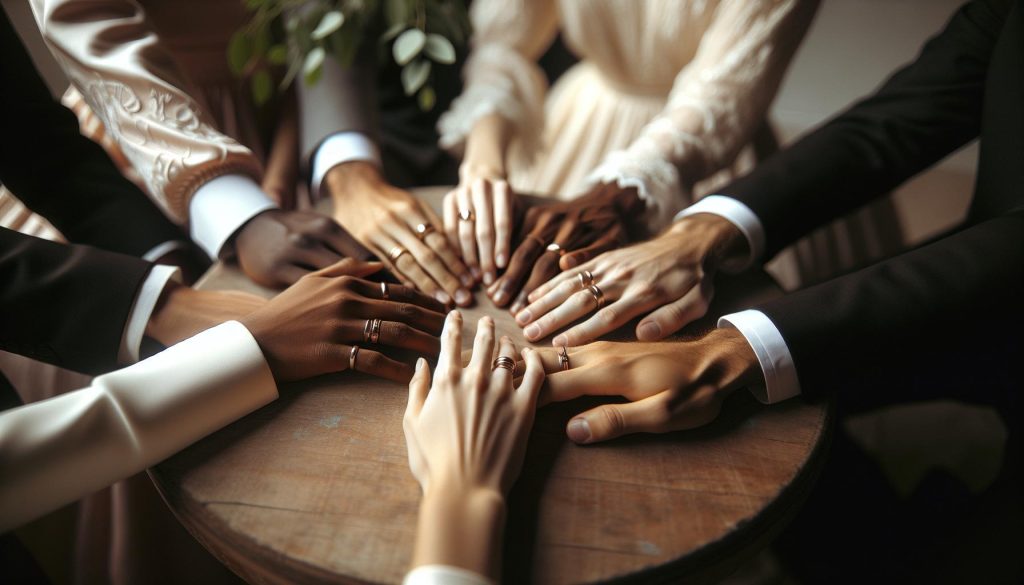
Choosing the right placement for your wedding ring is more than a mere detail; it’s a meaningful tradition that varies across cultures. Traditionally, the wedding ring goes on the fourth finger of the left hand, known as the “ring finger,” symbolizing love and commitment. However, many couples also wonder about the significance of wearing their wedding rings on different hands or fingers. Understanding these traditions can help you honor your personal beliefs while making informed choices about your special day. As you navigate your wedding journey, embracing these customs can deepen your connection to this significant event. Let’s explore the fascinating traditions surrounding ring placement and how they can add even more meaning to your celebration.
Where to Wear Your Wedding Ring: A Comprehensive Guide
Among the many symbols of love and commitment, the wedding ring holds a distinctive place in ceremonies around the globe. Choosing where to wear this ring is more than just about aesthetics; it is steeped in tradition and meaning that vary widely from culture to culture. Traditionally, in many Western societies, the wedding ring is worn on the fourth finger of the left hand, known as the “ring finger.” This custom is believed to stem from the ancient notion that a vein in this finger, the “vena amoris,” runs directly to the heart, emphasizing the emotional bond between partners.
However, practices surrounding ring placement can differ significantly across regions and religions. For instance, in some Eastern European countries, it is customary to wear the wedding band on the right hand instead. In Orthodox Christian traditions, the ring is often placed on the right hand as a sign of marital status and identity. Other cultures even have unique rituals-such as swapping rings during the ceremony itself, symbolizing the couple’s shared journey.
As you consider the proper placement for your wedding band, it’s crucial to also think about how this decision intersects with other significant elements of your personal and cultural identity. For example, if you plan to incorporate family heirlooms or follow specific cultural traditions, the ring’s position may be influenced accordingly. Remember, there are no hard and fast rules; you can choose to adopt a style that resonates with your relationship while honoring your shared values and backgrounds. This flexibility allows couples to express their love in ways that are deeply personal, making the process of selecting and wearing your wedding band a truly memorable experience.
Ultimately, whether you follow traditional practices or create your own unique spin, the key is to imbue the act of wearing your wedding ring with personal significance and meaning. Engaging in discussions with your partner about how you envision your wedding rings fitting into your lives will not only help clarify your preferences but strengthen your bond.
The Meaning Behind Wedding Ring Placement Traditions
Wearing a wedding ring is a practice steeped in rich traditions that vary across cultures and history. The placement of this meaningful symbol is not merely a matter of personal choice; it reflects deep-seated cultural beliefs and values that resonate with the couple’s shared journey. Across societies, the location of a wedding ring symbolizes commitment, love, and connection, with each choice unveiling a layer of personal and cultural significance.
In many Western cultures, the fourth finger of the left hand-the “ring finger”-is the traditional spot for wearing a wedding ring. This custom is linked to the ancient Romans, who believed that this finger housed the “vena amoris,” or vein of love, that supposedly runs directly to the heart. This notion highlights the emotional bond seamlessly woven into the act of wearing a wedding band. However, the right hand holds special significance in numerous traditions; for instance, in countries like Greece and Russia, wearing the wedding ring on the right hand can symbolize a couple’s spiritual union and marital status.
Cultural practices extend beyond finger placement to include unique rituals surrounding the exchange of rings. For example, some cultures observe the tradition of exchanging rings during the wedding ceremony, signifying the couple’s mutual commitment. Additionally, incorporating family heirlooms into the ring exchange empowers couples to honor their lineage, enriching the emotional layer of their commitment by bridging generational love.
Ultimately, the meaning behind wedding ring placement is as diverse as the couples themselves. Choosing where to wear your wedding ring should resonate with both partners, reflecting personal significance and cultural traditions. By engaging in conversations about this choice, couples can forge a deeper connection, celebrating their love with a symbol that truly embodies their journey together.
Understanding the Ring Finger: Cultural Variations
In many cultures, the choice of finger for wearing a wedding ring goes beyond mere preference and is imbued with significant meaning and tradition. From the left hand’s ring finger, commonly associated with romantic love in Western customs, to the varying practices around the globe, couples often find that the placement of their wedding bands is an essential aspect of their marriage journey.
In Western traditions, the fourth finger of the left hand is the classic choice for wedding bands, rooted in the ancient belief that this finger contains the “vena amoris.” This quaint notion, which translates to “vein of love,” suggests an emotional and anatomical connection directly linked to the heart. Many couples continue to embrace this tradition, celebrating their commitment with a ring that not only signifies love but also serves as a marker of their marital status in a society that values such symbols.
Conversely, in countries such as Greece and Russia, the right hand carries cultural significance. Here, placing the wedding ring on the right hand can symbolize a deeper spiritual unity between partners. This practice emphasizes that each culture carries its own interpretation and importance regarding wedding ring placement. Other cultures, like some South Asian traditions, may have distinct engagement rings that shift to a different finger or hand after marriage, further diversifying the meaning of ring placement.
Understanding these differences allows couples to make informed and meaningful decisions about their own wedding ring placement. Whether they choose to honor tradition or create a unique blend of practices that reflect their backgrounds and values, each choice adds depth to the ritual of exchanging rings-transforming a simple piece of jewelry into a lasting symbol of their love and commitment. By discussing and exploring these cultural variations, couples not only celebrate their individuality but also strengthen the bond that unites them in their marital journey.
Left Hand vs. Right Hand: A Global Perspective
Cultural influences play a significant role in determining where wedding rings are placed, showcasing the diversity of marital traditions across different regions. While many Western cultures choose the left hand’s ring finger as the official spot for wedding bands, symbolizing love and commitment, several countries advocate for the right hand, presenting a fascinating contrast. This variation is not merely about aesthetics; it reflects deep-seated beliefs and values that shape how couples celebrate their union.
In countries such as Greece and Russia, the right hand is often favored for wedding rings. This custom signifies a spiritual connection between partners, emphasizing that their bond transcends the physical realm. For these cultures, wearing a wedding ring on the right hand is a powerful statement of love that reinforces the idea of partnership and unity. Additionally, some Eastern European and South American countries follow similar practices, highlighting the rich tapestry of wedding traditions worldwide.
Moving beyond Europe, in various South Asian traditions, the placement of rings can involve multiple steps or shifts in significance. For instance, couples may start with a distinct engagement ring that transitions to a wedding ring after the ceremony, often placed on the left hand. This practice not only underscores the importance of both rings but also allows couples to celebrate both phases of their commitment distinctly. Such customs remind us that wedding ring placement often varies not just between cultures but also within them, adapting to personal meanings that resonate with individual couples.
Ultimately, understanding these global perspectives on wedding ring placement not only enriches the wedding experience but also allows couples to honor their unique backgrounds. Whether continuing a tradition, mixing practices, or creating something entirely new, the choice of how and where to wear wedding rings is a deeply personal decision that reflects love’s many forms. By embracing these distinctions, couples can connect more profoundly with their heritage while crafting a personalized narrative of their commitment that celebrates their unique journey together.
The Significance of Rings in Different Cultures
The symbolism of wedding rings stretches far beyond simple adornment; it embodies love, commitment, and tradition, woven within the fabric of various cultures around the globe. While many are familiar with the custom of wearing a wedding ring on the left hand’s ring finger, this tradition varies significantly across cultures, offering a fascinating glimpse into the diverse ways that love and union are celebrated.
In countries such as India and the Philippines, rings are not solely worn as a traditional symbol of marriage but often serve multiple purposes throughout the engagement and wedding phases. In Indian culture, for instance, a couple may exchange rings during their engagement ceremony, and this ring could later transition into a wedding ring after the vows are exchanged. The vibrant designs, often embellished with intricate gemstones, reflect the personal stories and family legacies of the couple, emphasizing that rings are not mere accessories but are steeped in personal significance.
Similarly, in Jewish tradition, a plain gold band is typical; its simplicity symbolizes the purity and eternity of the marital bond. During the wedding ceremony, the groom places the ring on the bride’s finger, often the index finger or the thumb, signifying their deep-seated commitment. Following the ceremony, the ring is typically transferred to the ring finger, which reinforces the idea of unity and shared commitment in the marriage. This practice highlights how the significance of the ring evolves not just in its placement but also in its representation of a couple’s journey together.
In Eastern cultures, such as in China, the significance of rings can also be seen in the customs surrounding renewal of vows or anniversaries, where couples may choose to update, upgrade, or replace wedding rings, symbolizing growth and the progression of their relationship. This practice is not just a nod to materialism; it reflects a commitment to evolving together through the years, marking significant milestones in their shared life journey.
Understanding these cultural nuances reinforces the idea that a wedding ring is much more than jewelry. It’s an enduring symbol of love, commitment, and the myriad ways in which couples choose to express their bonds. By embracing these diverse perspectives, couples can personalize their wedding journey in a way that beautifully honors their unique cultural backgrounds and values, creating memories that resonate for generations to come.
Common Mistakes: Wedding Ring Placement Errors to Avoid
Understanding the nuances of wedding ring placement is essential for making choices that reflect your personal style and cultural traditions. However, many couples inadvertently fall into common pitfalls that can lead to confusion or misinterpretation of their commitment. Being aware of these mistakes can enhance the significance of your wedding ring and its placement, further solidifying the meaning behind it.
One frequent error is overlooking the cultural context of ring placement. For instance, while many Western cultures place the wedding ring on the left hand’s ring finger, this is not universal. In some societies, like Germany or Norway, the wedding band is worn on the right hand. It’s crucial for couples to discuss their cultural backgrounds and preferences before settling on a ring finger. Additionally, couples often forget to consider that placement can change over time or during significant life events, such as pregnancy or hand injuries, which may affect comfort and wearability.
Another mistake is ignoring the fit of the ring itself. A poorly fitting ring can lead to discomfort, which could result in the ring being taken off or not worn regularly. Couples should ensure that the ring is resized correctly; it should slide on easily but not be so loose that it spins or falls off. Taking the time to find the right size is not just about comfort; it’s also about ensuring the symbol of your love and commitment is secured where it belongs.
Choosing the wrong occasion to switch rings can also lead to misunderstandings. Many couples will wear their engagement ring and wedding band together, but others may choose to only wear one at a time. When opting for a change in routine-perhaps wearing just the wedding band during a casual outing and saving the engagement ring for more formal events-communication is key. Making sure to discuss when and how each ring will be worn can prevent confusion among friends, family, and even the couple themselves about the meaning behind each ring.
Ultimately, the goal is to ensure that your wedding ring serves its purpose as a beautiful symbol of love and commitment. By avoiding these common mistakes and being thoughtful about the placement and wear of your wedding ring, you can celebrate your union in a way that feels authentic and true to your shared journey.
Incorporating Family Heirlooms: Placement Traditions
Incorporating family heirlooms into your wedding ring tradition can be one of the most meaningful choices you make in your wedding journey. These heirlooms carry the weight of history and sentiment, often representing love stories from generations past. When deciding how to integrate such pieces, consider which family members’ legacies you want to honor and how best to showcase those rings’ stories in your own ceremony.
When it comes to placement, many families have their unique customs regarding how heirloom rings should be worn. For instance, some traditions dictate that an heirloom engagement ring may be worn on the right hand until the wedding day, when it can then be swapped to the left. Others may suggest keeping family rings intact as delicate part of your wedding attire, placed in a special box during the ceremony and then ushered into daily wear afterward. Here are a few approaches to think about:
- Directional Placement: If you’re incorporating an heirloom band or engagement ring, you might choose to wear it on the same hand or different hand from your new ring, depending on family traditions. Discussing these preferences with family members can add depth to the decision.
- Symbolic Arrangement: Some couples create a layered look, wearing the heirloom band beneath the wedding ring. This not only signifies the bond with family but also encapsulates their commitment to one another.
- Temporary Use: Consider wearing the heirloom ring for special occasions such as anniversaries or family gatherings, keeping it as a cherished keepsake rather than an everyday item to highlight its unique story.
It’s important to remember that whichever path you choose, communicating these traditions with your partner ensures a shared understanding of their significance. Not only do these decisions honor familial relationships, but they also weave your love story into the fabric of those who came before you, creating something truly timeless. Embracing such traditions can instill even greater meaning into the act of exchanging rings, making your special day a beautiful continuation of a legacy built on love and commitment.
How to Choose Your Perfect Wedding Ring Placement
Choosing the ideal placement for your wedding ring is not just about style; it embodies your commitment and shares a story that reflects your unique relationship. Understanding the various placements and the significance behind them can guide you to make a decision that feels right. With cultural variations and personal preferences influencing your choice, it’s essential to consider both tradition and your individual taste.
Start by evaluating your comfort and lifestyle. If you lead an active life or work with your hands, certain placements may be more practical than others. For example, many opt for wearing their wedding ring on the left hand alongside an engagement ring, as this is commonly associated with marriage in many cultures. However, some individuals choose to wear their wedding band on the right hand or independently, reflecting personal significance or adherence to cultural customs.
Next, think about symbolism in your placement. Wearing your wedding ring on your left hand can symbolize the traditional belief that the left hand’s ring finger is directly linked to the heart. Alternatively, some cultures favor the right hand, with the decision often influenced by personal or familial traditions. Discuss with your partner what resonates with both of you-this can enhance the emotional significance of your rings.
It’s also worth considering layering techniques if you plan to wear both an engagement ring and a wedding band. Arranging them in a way that feels aesthetically pleasing is important. Some may choose to place the wedding band on the bottom, closest to the heart, with the engagement ring above it, while others might prefer a different arrangement. Above all, it’s crucial to choose a placement that reflects both your style and the values you hold as a couple.
Ultimately, the decision on how to wear your wedding ring should reflect your journey, your love story, and the traditions that matter to you. Involve your partner in these discussions, ensuring that both of you feel connected and comfortable with the choices made. This will not only solidify your bond but also create a shared connection to the traditions you choose to embrace.
Wedding Ring Switch: Traditions for Special Occasions
Wedding days are not just milestones; they are woven with traditions that often inspire couples to adjust how they wear their wedding rings during special occasions. The act of switching your wedding ring can symbolize various meanings, from honoring family heritage to personal preferences during specific events. Understanding these traditions can enrich your wedding journey and provide a deeper connection to your rings.
For instance, many cultures have customs surrounding the switching of wedding rings for anniversaries. It’s common in some traditions to wear the original band on the right hand to signify a new chapter in your relationship or to honor the past. On these occasions, couples may choose matching upgrades or new rings to wear on their left hands, enhancing the symbolism of love and commitment as they celebrate another year together.
Another occasion where ring switching occurs is during religious ceremonies or cultural celebrations. Couples may opt to replace or accompany their wedding bands with rings that reflect their family’s cultural heritage, such as rings containing significant gemstones or designs that symbolize their ancestry. This practice allows couples to personalize their wedding narrative while paying homage to their roots.
When considering a ring switch, it’s essential to communicate openly with your partner about your sentiments and the significance you both attach to these transitions. This dialogue can foster a shared understanding and excitement regarding the different meanings behind wearing your rings at various occasions. Whether you choose to make a subtle or bold statement, the act of switching can transform your rings into timeless tokens of your journey together. Embrace the joy of these traditions, and let each gleam of your rings tell the story of your love as it evolves through time.
Care and Maintenance of Your Wedding Ring
Every couple dreams of their wedding rings lasting a lifetime, both in beauty and significance. Proper care and maintenance are essential to ensure that these cherished symbols of love retain their brilliance and integrity through the years. Regular care not only helps maintain the aesthetic appeal of your rings but also preserves the emotional connection they symbolize.
Cleaning Your Wedding Ring
To keep your wedding ring looking its best, routine cleaning is essential. Simple at-home solutions can be effective:
- Soapy Water: Create a mixture of mild dish soap and warm water. Soak your ring for 20-30 minutes, then gently scrub with a soft-bristled toothbrush, paying attention to the underside and settings where dirt can accumulate.
- Commercial Cleaners: For more intensive cleaning, consider using commercial jewelry cleaners specifically designed for your ring’s material. Always follow the manufacturer’s instructions for the best results.
- Professional Cleanings: Regular (at least once a year) visits to a professional jeweler for thorough cleaning and inspection can help ensure any loose stones are secured and that settings remain intact.
Storing Your Wedding Ring
When it comes to storing your wedding ring, protecting it from scratches and damage is crucial. Follow these tips for safe storage:
- Keep it Separate: Store your ring away from other jewelry to prevent scratches. Use a soft pouch or a dedicated jewelry box with compartments.
- Avoid Excessive Moisture: While rings should stay on for most daily activities, remove them when doing tasks that involve water, harsh chemicals, or heavy lifting to avoid damaging the metal or gemstones.
- Insurance: Consider insuring your wedding ring. Not only does this provide peace of mind, but it also protects your investment in case of loss or damage.
Preventative Measures
To maximize the longevity of your wedding ring, consider incorporating these preventative strategies:
- Remove When Necessary: Take off your ring before engaging in activities like swimming, exercising, or cleaning with harsh chemicals.
- Regular Inspections: Periodically check your ring for wear and tear, especially if you have a complex design with multiple stones or settings.
- Documenting Repairs: Keep a record of all professional cleanings and repairs. This not only maintains the history of your ring but can also be useful for insurance purposes.
By embracing these care and maintenance practices, couples can ensure their wedding rings remain vibrant and meaningful throughout their lifetime, symbolizing a love that grows stronger with each passing year. Each time you wear your wedding ring, take a moment to reflect on the commitment it represents, knowing that your care keeps that promise shining bright.
Modern Trends in Wedding Ring Placement
In today’s world, the placement of wedding rings has evolved beyond traditional customs, with couples showcasing unique styles and personal preferences that reflect their identities. Modern couples are embracing diverse placements that resonate with their emotional connections and lifestyles. This trend signifies a shift towards more individualized expressions of love and commitment, allowing each couple to forge their own path in wedding ring placement traditions.
One of the most notable trends is the choice of wearing the wedding ring on the right hand instead of the left. This shift is especially prevalent in cultures where the right hand holds significant meaning, or among individuals who simply prefer it for aesthetic or personal reasons. Additionally, some couples choose to stack their wedding bands with engagement rings to create a more personalized look that symbolizes their unique journey together. This layering reflects their individual styles and enhances the overall significance of the rings.
Another emerging practice is incorporating non-traditional materials and designs in wedding ring placement. Couples are increasingly opting for alternative gemstones, such as sapphires or emeralds, or even unique metal combinations that tell a story of their relationship. This inclusivity extends to same-sex couples who may redefine ring placement norms. The emphasis on personal narratives and shared experiences fosters a deeper connection between the rings and the couple’s story, making the rings even more cherished symbols of love.
As couples navigate these modern trends, it’s essential to consider comfort and practicality alongside personal expression. Choosing a ring placement that feels right during everyday activities is crucial for long-term wear. Making decisions based on lifestyle, profession, and personal taste ensures that the rings remain a seamless part of daily life, enhancing the beauty of their meaningful connection without compromising on comfort. By honoring their own preferences, couples can create lasting memories and ensure their wedding rings are not just symbols, but true reflections of their journeys together.
Tips for Comfort: Everyday Wear Considerations
Choosing the right placement for a wedding ring can significantly enhance the comfort and wearability of this cherished symbol of love. As you embark on this joyful journey, consider that the best fit is not only about aesthetics but also about the practicalities of daily life. Rings can occasionally feel restrictive or cumbersome, especially during activities like typing or exercising. Therefore, it is crucial to select a style and placement that suit your lifestyle.
Consider Your Daily Routine
Think about your typical day-do you spend a lot of time typing, cooking, or engaging in hands-on activities? If so, a slimmer band or a design that sits flush against your hand might be more comfortable. Couples who work in manual labor or enjoy vigorous exercise may prefer to switch their rings to a safer place, like a necklace, to avoid damage or discomfort.
Material Matters
The material of your ring can dramatically affect comfort. For example, softer metals like gold can bend or scratch more easily, while titanium or tungsten offers durability and a lighter feel. If you have sensitive skin, hypoallergenic options, such as platinum or surgical-grade stainless steel, can be ideal. Choosing a breathable design, like those with a hollow or cut-out style, can also prevent moisture buildup and discomfort.
Proper Sizing for All-Day Wear
Getting the right size is pivotal. A ring that is too tight will cause discomfort and may lead to skin irritation, while one that is too loose risks slipping off. Remember that fingers can swell due to heat or activity, so consider these factors when determining your ideal fit. If you can, test the ring throughout your routine for a day. This way, you ensure it feels right across different situations.
Incorporating these practical considerations into your wedding ring planning can not only enhance your daily experience but also preserve the integrity of the ring as a long-lasting symbol of your commitment.
FAQ
Q: What hand does the wedding ring go on in different cultures?
A: The wedding ring’s placement varies; in many Western cultures, it’s worn on the left hand’s fourth finger, while in some Eastern European and Asian cultures, it’s worn on the right hand. Understanding cultural differences can enhance your wedding’s personal touch.
Q: Why is the wedding ring placed on the left hand?
A: The left hand’s fourth finger is traditionally chosen as it was once believed to contain the “vena amoris,” or vein of love, directly connected to the heart. This symbolism reinforces the emotional commitment behind the act of marriage.
Q: What do you do with your engagement ring during the wedding ceremony?
A: Typically, during the ceremony, the engagement ring is either worn on the right hand or temporarily removed. After the vows, wearers can place it back on top of the wedding band for a complete set. Explore more on ring placement strategies in your planning.
Q: When should you switch your wedding ring to the right hand?
A: You may choose to switch your wedding ring to the right hand in special circumstances, such as during pregnancy or physical changes that warrant comfort. The shift can also be symbolic of a renewed commitment during anniversaries or life events.
Q: How should the wedding ring be positioned in relation to the engagement ring?
A: Traditionally, the wedding ring is worn closest to the heart, meaning it is placed directly against the skin, followed by the engagement ring. This order underlines the wedding’s significance over the engagement, reflecting the commitment made.
Q: What are common mistakes to avoid with wedding ring placement?
A: Common mistakes include wearing the rings on the wrong fingers, failing to get rings properly fitted, or neglecting to consider personal comfort. Ensure proper sizing and consider lifestyle factors when choosing your rings’ placements. Check the section on common mistakes for further insights.
Q: Can you wear your wedding ring if it doesn’t fit?
A: It’s best not to wear a wedding ring that doesn’t fit, as it could lead to loss or injury. Consider resizing your ring at a jeweler to ensure comfort and security. Maintenance tips for your rings could assist in keeping them in good shape.
Q: What does it mean to incorporate family heirlooms in wedding ring placement?
A: Incorporating family heirlooms brings sentimental value and personal history to your wedding. When placed correctly, these rings can serve as a tribute to your heritage. Explore strategies for heirloom integration in ring placement for deeper connections in your ceremony.
Final Thoughts
As you embark on your wedding planning journey, understanding the proper placement of your wedding ring is just one thread in the rich tapestry of traditions you’ll encounter. Remember that whether you choose to wear your ring on the left or right hand, it represents a unique story of love and commitment. For further insights, navigate to our guides on wedding etiquette and cultural traditions to enhance your knowledge and ease your planning process.
Don’t hesitate to share your thoughts or questions in the comments below; your experiences can inspire other couples! If you’re looking for expert advice on budgeting or vendor coordination, be sure to explore our extensive resources tailored to make your planning as seamless as possible. Join our newsletter for tips and inspiration, and let’s celebrate your love story together!