When it comes to engagement and wedding rings, many wonder about the proper order for wearing them-a seemingly simple detail that can hold significant emotional and cultural value. Understanding whether to place your wedding band on top of or beneath your engagement ring is crucial, as this choice reflects personal style and tradition. As couples embark on their wedding planning journey, navigating these small yet meaningful decisions can sometimes feel overwhelming. By exploring the nuances of ring placement, you’ll not only honor your commitment but also embrace a beautiful expression of your love story. Join us as we dive deeper into the art of ring etiquette, ensuring that you feel confident and informed as you make this symbolic choice.
Understanding Engagement and Wedding Rings: Key Differences
When embarking on the journey of engagement and wedding planning, understanding the fundamental differences between engagement and wedding rings is crucial. Engagement rings are typically given during the proposal, symbolizing the commitment to marry. They often feature a prominent diamond or gemstone, highlighting the couple’s unique style and the promise of a future together. In contrast, wedding rings (or wedding bands) are exchanged during the marriage ceremony itself. They are usually simpler and designed to complement the engagement ring, symbolizing the couple’s union and lifelong commitment.
Another significant difference lies in their design and materials. Engagement rings are often more elaborate, adorned with more intricate designs, precious stones, and personal touches that reflect the individual tastes of the wearer. Wedding bands, while they can be customized and embellished, tend to focus on durability and understated elegance, ensuring they can be worn daily without concern for damage. Moreover, the choice between matching sets or complementary designs can play a pivotal role in how couples choose to symbolize their union.
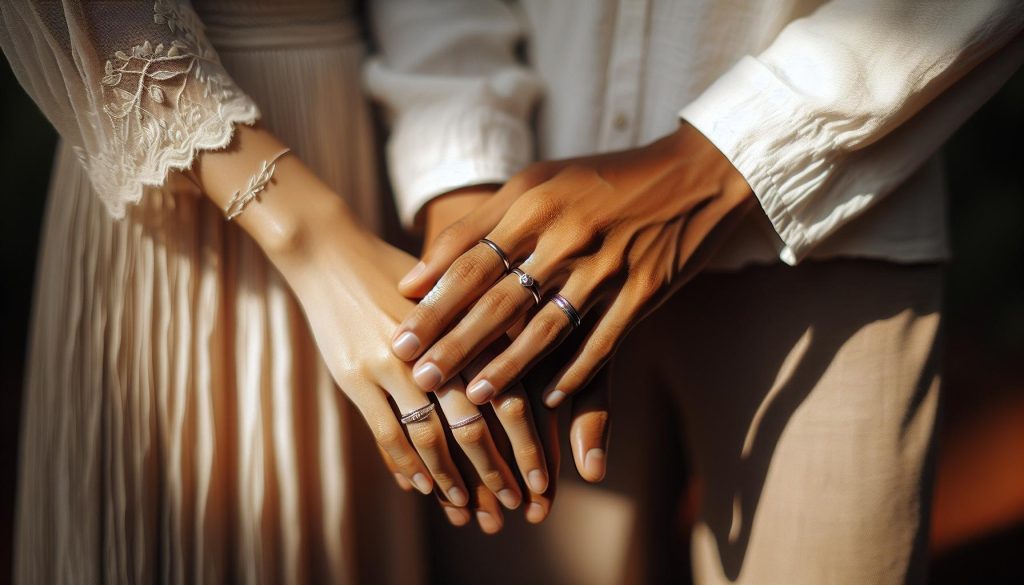
Traditionally, the engagement ring is presented first, while the wedding band is placed on the finger during the ceremony. During this poignant moment, the wedding band is typically slipped onto the finger beneath the engagement ring, ensuring that the wedding band is closest to the heart-a beautiful expression of love and unity. However, couples today often choose to personalize this order and representation based on their preferences and cultural practices, adapting traditions to fit their unique narrative.
Understanding these key differences not only enhances appreciation for these significant pieces of jewelry but also empowers couples to make informed choices as they embark on one of life’s most exciting journeys together.
The Traditional Order of Engagement and Wedding Rings

The journey toward a lifetime commitment typically begins with the presentation of the engagement ring, a moment filled with anticipation and emotion. Traditionally, this ring is given during the proposal, symbolizing the intention to marry. The engagement ring often features a single, prominent gemstone, usually a diamond, which represents not only the beauty of the individual but also the uniqueness of the bond being formed. Following this pivotal moment, the couple embarks on the next phase of their relationship leading to the wedding ceremony, where the wedding band is exchanged.
During the ceremony, the wedding band is placed on the finger, often beneath the engagement ring. This arrangement carries profound significance, symbolizing that the wedding band, representing the couple’s union and lifelong commitment, is closest to the heart. While this traditional sequence is widely practiced, couples have embraced flexibility in their choices, allowing for personalized interpretations that reflect their relationship’s unique narrative. For some, the engagement ring might be worn on a different finger prior to the wedding day, or couples may choose to exchange rings in a way that suits their style and comfort.
Understanding this traditional order can assist couples in planning and coordinating their jewelry selections. Here are some considerations to keep in mind:
- Emotional Significance: Recognize that each ring serves a distinct purpose in your journey, making thoughtful selection important.
- Design Cohesion: Opt for designs that complement each other, ensuring harmony between the engagement ring and wedding band.
- Cultural Variations: Be aware of how cultural traditions may influence the order and style of ring presentations, allowing personalization to enrich your celebration.
As you move forward, consider how these elements contribute to your shared story. Whether adhering to tradition or crafting new customs, each decision reflects the love and commitment that binds you together, making the journey toward your wedding all the more meaningful.
Choosing the Right Ring for Engagement and Wedding

Choosing the right ring is a momentous decision in your wedding planning journey, as it reflects not just personal taste but also the significance of the love you share. With various styles, materials, and gemstones available, understanding how to navigate this choice can make the process enjoyable and meaningful.
When selecting an engagement ring, consider the personality and lifestyle of your partner. For instance, if they lead an active lifestyle, a low-profile setting that protects the stone might be ideal. Alternatively, for someone who loves vintage aesthetics, a ring with intricate detailing or a unique gemstone could resonate more deeply. Pay attention to their existing jewelry; this can offer insight into their personal style and preferences.
After choosing the engagement ring, it’s time to select the wedding band. Couples often desire a harmonious pairing, which leads to the consideration of design cohesion. Some opt to have the wedding band match the metal of the engagement ring, while others may choose contrasting styles for a unique flair. It’s also worth thinking about how the two rings will stack together. A contour band, for example, is designed to fit snugly against an engagement ring, which can be an elegant choice.
Lastly, don’t forget to involve your partner in the decision-making process, especially regarding the wedding band. This shared experience can deepen your connection as you prepare for your future together. Ultimately, whether you lean towards classic, modern, or something entirely unique, the best ring is one that resonates with your love story and symbolizes your commitment to each other.
Symbolism Behind Engagement and Wedding Rings
The deep-rooted significance of engagement and wedding rings is woven into the very fabric of relationship milestones, symbolizing love, commitment, and devotion. Engagement rings traditionally mark the promise of marriage, serving as a tangible representation of this serious intention. Whether adorned with sparkling diamonds or unique gemstones, these rings convey the uniqueness of the relationship, reflecting personal style and values. The circular shape of the ring itself signifies eternity, a love that is unending and infinite.
On the other hand, wedding bands are exchanged during the wedding ceremony and carry a powerful symbolism of unity and partnership. This exchange not only solidifies the commitment made during the proposal but also serves as a reminder of the vows taken. As couples wear their wedding bands, they carry the promise of loyalty and love into their daily lives. The act of placing the ring on each other’s fingers serves as a public declaration of their bond and serves to remind partners of their shared journey through life.
When selecting rings, couples often choose designs that complement each other, enhancing their personal connection. While some prefer matching sets, others might opt for contrasting styles that reflect their individuality. This decision reinforces the sentiment that, just as the rings vary, so too do the personalities and stories of each couple. Ultimately, the symbolism found in these rings serves as a daily reminder of love’s commitment-a celebration of shared dreams and a bright future ahead together.
### Practical Symbolism and Personal Choices
- Engagement Rings: Serve as a promise of future commitment, often adorned with significant gemstones that resonate with the couple’s journey.
- Wedding Bands: Represent the vows exchanged during the ceremony, symbolizing unity and eternal commitment.
- Design Harmony: Choosing rings that complement each other speaks to the balance in the relationship, whether that’s through matching metals or contrasting designs.
Emphasizing the importance of these symbols in a couple’s narrative fosters a deeper understanding of their love story and makes the process of finding the perfect rings even more meaningful. Each ring, cherished in its own right, solidifies the connection that drives a couple toward a shared future.
How to Wear Engagement and Wedding Rings Properly
Wearing engagement and wedding rings properly is more than a matter of style; it signifies an important aspect of your commitment to each other. For many, the traditional order of wearing these rings is to place the engagement ring on the left hand, followed by the wedding band on the same finger during the ceremony. However, many find themselves asking whether to wear the engagement ring first or to position the wedding band in a more visible spot.
The common practice is to wear the wedding band closest to the heart, symbolizing its foundational role in your marital union. After the ceremony, many brides transfer their engagement ring to the top of the wedding band. This placement visibly represents the act of uniting the two significant symbols of love and commitment.
When wearing your rings, it’s essential to consider comfort and functionality. If you find your rings slipping off or feeling tight, consult a jeweler to ensure proper sizing. A well-fitted ring should move freely but not leave marks on your skin. It’s also beneficial to think about how your lifestyle interacts with your rings. For instance, are you frequently engaged in activities that may scratch or damage your rings? Consider whether it’s necessary to remove them during certain tasks to preserve their beauty.
The choice of whether to wear both rings daily or save one for special occasions is entirely personal. Some couples may prefer to wear only the wedding band after the initial engagement period, while others continue to showcase both rings every day. In addition, many modern couples embrace a playful approach, mixing and matching rings according to outfits or occasions.
Each couple’s journey is unique, and how you choose to wear your engagement and wedding rings is a reflection of your personal style and shared values. Remember that the visual representation of your commitment is just as significant as the rings themselves, and making choices that resonate with both partners can create a more meaningful experience.
Cultural Variations in Ring Placement and Traditions
Throughout the world, the way engagement and wedding rings are worn reflects deep cultural traditions and personal significance. In many cultures, the placement of these rings is not merely a fashion statement but a rich tapestry of symbolism tied to love, commitment, and societal norms. For instance, in Western traditions, it is customary for the engagement ring to be placed on the fourth finger of the left hand; this is believed to have originated from the ancient Romans, who thought that a vein in that finger led directly to the heart. After the wedding, the wedding band is then added, creating a beautiful display of commitment where the wedding band is worn closest to the heart.
Conversely, in countries such as India and some parts of Europe, traditions vary significantly. In India, for instance, couples may wear wedding rings on their right hand, particularly if they come from Hindu or Christian backgrounds. In some European cultures, such as in Germany and the Netherlands, it is common for women to wear their engagement rings on the right hand and switch them to the left hand after marriage. This shift emphasizes the transition from engagement to marriage, serving as a visual representation of a couple’s evolving relationship.
Moreover, cultural practices surrounding ring placement often intertwine with other customs. In Jewish traditions, the wedding band is typically a simple gold ring, and it is placed on the bride’s index finger during the ceremony, later moving it to the ring finger after the ceremony. This temporary placement highlights the significance of the ritual and the act of marriage itself, beyond just the symbol of the ring.
It’s important to recognize that each couple may choose to adapt these traditions according to their personal values and beliefs. Some modern couples gravitate towards personalized expressions of commitment that may include unique settings or even alternative materials for their rings, celebrating their individuality. As you plan your wedding, consider how these cultural nuances resonate with you and your partner. The way you and your loved one choose to wear your rings is a meaningful reflection of your shared journey, and embracing your unique narrative can transform your ring-wearing experience into a cherished tradition.
Tips for Designing Unique Wedding and Engagement Rings
Designing your engagement and wedding rings can be one of the most exciting parts of your wedding planning journey. These rings are not just pieces of jewelry; they symbolize the love and commitment you share with your partner. By infusing personal touches and unique elements, you can create rings that truly reflect your shared journey.
Consider starting with your personal stories and style preferences. What materials hold sentimental value for you both? For example, if one partner has a family heirloom piece, integrating elements from it can add a meaningful connection. Think about different gemstones that signify your journey together-perhaps the stone you both saw during a memorable trip or one representing your birth months. Unique designs can also set your rings apart; consider opting for an asymmetrical setting or a vintage-inspired style that speaks to your aesthetic sensibilities.
Incorporating Customization
Customization plays a significant role in creating rings that resonate with your identity as a couple. Many jewelers offer bespoke services, allowing you to modify existing designs or create something entirely new. This can include selecting the shape and cut of your gemstones, the type of metal, and any engraving options for a personal touch. Engravings could feature a special date, a meaningful quote, or even your initials, making the rings uniquely yours.
If you’re considering an alternative approach, don’t shy away from modern materials. Some couples are opting for non-traditional options such as wood, alternative metals, or even lab-created stones, which can be environmentally friendly while maintaining beauty and uniqueness. These alternatives can become striking conversations starters and resonate with your values as a couple.
Ultimately, the journey of designing your engagement and wedding rings should be enjoyable and collaborative. Keep communication open with your partner about preferences, budgets, and ideas, ensuring both voices are honored in the design process. Embrace the excitement, let your creativity shine, and make decisions that celebrate your love story, creating timeless pieces that you’ll cherish for years to come.
Alternatives to Traditional Engagement and Wedding Rings
When it comes to making a personal statement with engagement and wedding rings, many couples are stepping outside traditional designs to find alternatives that resonate with their identities and values. Choosing a ring that truly reflects your love story can be an incredible journey, allowing you to explore options that transcend conventional expectations. From non-metal materials to alternative gemstones, these unique selections can embody the essence of your relationship while providing a distinctive touch.
One exciting direction couples are taking is incorporating non-traditional materials into their rings. For instance, wooden rings, often handcrafted and sustainably sourced, can symbolize a natural connection and a commitment to environmental love. Similarly, alternative metals like titanium or stainless steel are becoming more popular for their durability and ethical sourcing. These materials offer a rugged charm and can be perfect for those with an active lifestyle or those who favor a modern aesthetic.
In addition to materials, many couples are opting for lab-created gemstones that not only mirror the look of natural stones but often come at a more affordable price point. These gems are crafted in a controlled environment, ensuring brilliance and quality without the ethical concerns associated with mining. Diamonds, sapphires, and emeralds are just a few examples of lab-grown options, allowing couples to choose unique colors and styles that might not be available in traditional stones.
Customization for Unique Statements
Customization can play a monumental role in creating your unique engagement and wedding rings. Not only can you select the design and materials that reflect your personality, but you can also incorporate personal elements like engravings or bespoke settings that tell your story. Some couples are even choosing to mix materials, such as pairing a wooden band with a diamond or using multiple stones in various settings to symbolize different life events together.
Ultimately, embracing opens up a world of possibilities. By exploring these options, you can design and select rings that not only signify your bond but also express your individual values, making the rings a true reflection of your journey as a couple. Through thoughtful choices and creativity, you can create pieces that will be cherished not just for their beauty but for the unique love story they tell.
Managing Expectations: Communicating with Your Partner
Every successful partnership thrives on open and honest communication, especially when it comes to significant milestones like engagement and wedding planning. Managing expectations around ring choices is crucial for both partners as they embark on this exciting journey together. It’s essential to have candid conversations about preferences, budgets, and future aspirations, as these discussions will help guide your decisions and set the tone for your engagement and wedding experience.
Start the conversation by sharing your thoughts on what each of you envisions for this pivotal moment. Discuss styles that resonate with both of you, whether it’s classic, modern, or something entirely unique. Consider setting aside time to browse different options together-whether online or in-store-to gauge each other’s tastes and preferences. This not only allows each partner to express their desires but also fosters a sense of teamwork and collaboration as you explore your choices.
Additionally, it’s vital to address any financial aspects upfront to minimize stress and prevent misunderstandings later on. Talk about budget constraints and financial contributions, ensuring both partners are comfortable with the expenditures associated with the rings. Transparency can lead to a feeling of shared ownership over the choices made, reinforcing the commitment you are both making to each other.
Lastly, remember that cultural traditions and family expectations might influence your decisions. Approach these discussions with sensitivity, honoring each partner’s background while finding common ground. By engaging in meaningful dialogues and understanding one another’s perspectives, you can create lasting memories around your engagement and wedding rings that embody your shared love story.
The Role of Customization in Modern Wedding Jewelry
Engagement and wedding rings are among the most significant symbols of love and commitment in a relationship, and in today’s world, customization plays a vital role in creating a lasting representation of this bond. Choosing a ring that resonates with personal style and values not only enhances the jewelry’s meaning but also aligns it with the couple’s unique love story. Whether it’s incorporating a favorite gemstone, a specific metal, or even a personal engraving, customization allows couples to craft a piece of jewelry that is truly one-of-a-kind.
Many couples opt for bespoke designs that reflect their personalities. For instance, a partner may choose an engagement ring featuring a vintage diamond to honor family heritage, or select ethically sourced gemstones to uphold sustainability values. This approach can also extend to matching wedding bands, where the couple can design complementary pieces that echo their individuality while symbolizing their unity. Customization provides an opportunity to collaborate and share ideas-making the ring selection process not just about the final product but about the journey taken together.
Furthermore, customization can cater to diverse cultural traditions and preferences. Couples can integrate various symbols that represent their backgrounds, such as motifs from their respective cultures or gemstones that hold significance in their heritage. This enriching process adds layers of meaning to the rings, transforming them into sentimental heirlooms that may one day be passed down through generations.
Incorporating technology into customization can also enhance the experience. Online jewelers now offer visualization tools that allow couples to see their designs before committing. Options can include changing metal types, altering stone placements, or even trying out different styles-all from the comfort of home. By embracing customization, couples not only honor their love but also create a piece of art that encapsulates their shared journey, making the rings as unique as the bond they celebrate.
Budgeting for Engagement and Wedding Rings: A Practical Guide
When it comes to securing the perfect engagement and wedding rings, budgeting is a crucial step that can help couples navigate their options without feeling overwhelmed. Understanding that these rings symbolize a significant commitment, it’s essential to approach budgeting thoughtfully and strategically. A clear and realistic budget not only alleviates stress but also enables couples to explore various styles and materials that resonate with their love story and values.
To begin budgeting effectively, consider these key points:
- Establish a Budget Range: Determine a comfortable price range based on your financial situation. It’s a common guideline that couples should spend around one to three months’ salary on an engagement ring, but ultimately, the right amount is what feels sustainable for you as a couple.
- Research Prices: Explore different jewelers, both online and in-person, to get a sense of the market. Websites of stores, such as Michael Hill and Peoples Jewellers, often provide a plethora of choices and price points that can help frame your expectations before venturing into settings.
- Consider Priorities: Identify what aspects of the rings matter most to you. Are you dreaming of a particular gemstone, or is it the setting that excites you? Prioritizing these elements can help reflect your individuality and guide spending toward what you truly value.
- Explore Financing Options: Many jewelers offer financing, which can allow you to spread payments over time. This makes it easier to manage larger purchases without straining your current savings.
In addition, don’t forget to factor in costs that go beyond the rings themselves. Wedding bands, insurance, and potential ring resizing can add to the overall expenses, so it’s smart to include these in your total budget.
Remember that open communication with your partner about financial expectations is crucial. Discussing your views on spending and saving can help in making unified decisions while fostering a sense of collaboration throughout the planning process. As you embark on this exciting journey, embracing flexibility in your budget will open up possibilities for creativity and uniqueness in your ring choices, reflecting your love story beautifully.
FAQs About Engagement and Wedding Ring Order
Determining the proper order of engagement and wedding rings can be a confusing yet important aspect of the wedding planning journey. The tradition typically places the engagement ring first, symbolizing the promise of marriage. Once the wedding occurs, couples often add a wedding band, creating a meaningful set that represents both love and commitment. However, there are variations to this tradition, depending on cultural customs and personal preferences.
One common question is whether the wedding band should be worn above or below the engagement ring. Many people choose to wear the wedding band closer to the heart, which means placing it on the finger first, followed by the engagement ring. This order visually emphasizes the permanence of the marriage commitment. However, personal style and comfort should guide this decision-wearing the rings in the order that feels most meaningful to you is what ultimately matters.
For couples considering customization, there are no hard and fast rules about how to arrange rings. Some creative options include designing the rings to be interlocking or to fit together seamlessly. This not only provides aesthetic appeal but also signifies the couple’s unique bond. Additionally, many couples nowadays choose alternative engagement and wedding rings made from unique gemstones or sustainable materials, reflecting their individual personalities and values.
Finally, communication is essential throughout the ring selection process. Discussing preferences, styles, and budget considerations with your partner can help ensure that both individuals feel valued and included in this significant decision. Remember, the joy of selecting rings should enhance your wedding experience, celebrating your love story and making it uniquely yours.
Frequently asked questions
Q: What is the correct order for wearing engagement and wedding rings?
A: Traditionally, the wedding ring is worn first on the ring finger, followed by the engagement ring. This order symbolizes the journey of love leading up to marriage. For detailed wearing tips, refer to the section on “How to Wear Engagement and Wedding Rings Properly.”
Q: Can I wear my engagement ring after the wedding?
A: Yes, after the wedding, many choose to wear both the engagement and wedding rings together. Some arrange the rings with the wedding band on the bottom, touching the skin, to maintain the traditional order and significance.
Q: Why do engagement rings typically come first in the proposal?
A: Engagement rings are given during the proposal as a symbol of commitment and promise of marriage. This tradition highlights their significance as indicators of a formal engagement, while wedding rings signify the act of marriage itself.
Q: What do I do if my rings don’t fit together well?
A: If your engagement and wedding rings don’t fit together comfortably, consider visiting a jeweler for resizing or adjustments. Choosing custom designs can also help ensure a perfect fit, as discussed in “Tips for Designing Unique Wedding and Engagement Rings.”
Q: Is it common to have matching engagement and wedding rings?
A: Many couples opt for matching sets of engagement and wedding rings to create a cohesive look. However, personal styles vary, and it’s perfectly acceptable to choose different designs that reflect your individuality.
Q: How do cultural traditions affect ring order?
A: Cultural traditions can play a significant role in how engagement and wedding rings are worn. Some cultures may have unique customs regarding placement and symbolism, so it’s important to discuss these aspects with your partner.
Q: When is the best time to shop for engagement and wedding rings?
A: The best time to shop for rings is several months before the wedding to allow time for selection, design alterations, and fitting. Planning ahead also enables couples to stay within their budget and find the perfect pieces.
Q: Should I insure my engagement and wedding rings?
A: Yes, insuring your engagement and wedding rings is advisable to protect against loss, theft, or damage. Check your home insurance policy or consider a specialized jewelry insurance provider for coverage options.
Wrapping Up
Understanding the proper order of engagement and wedding rings is essential for a seamless proposal and ceremony planning experience. Now that you’re armed with this knowledge, it’s time to move forward with confidence! Explore our related guides on selecting the perfect engagement ring and mastering wedding planning to enhance your journey even further.
Remember, whether you’re leaning towards traditional styles or more modern designs, the right choice will reflect your unique love story. Don’t let uncertainty hold you back-visit our resources for budgeting tips, vendor coordination, and ceremony planning to ensure a celebration that truly honors your preferences and traditions.
Join the conversation by sharing your thoughts and experiences in the comments, and don’t forget to subscribe to our newsletter for the latest tips and expert advice tailored for your wedding journey. Your dream wedding awaits-let’s turn that vision into reality!